


Have you ever wished your cat could ditch the litter box for good? Imagine the freedom of no more scooping, no more mess, and a cleaner home.
What if someone actually wrote a simple, step-by-step guide to help you train your cat to use the toilet? It sounds almost too good to be true, but this guide is changing how pet owners think about cat care. If you want to discover how you can make your cat’s bathroom habits cleaner and easier, keep reading.
This could be the breakthrough you’ve been waiting for.
Why Toilet Train Your Cat
Toilet training your cat can seem unusual but has clear reasons behind it. Many cat owners seek cleaner homes and easier care routines. Teaching cats to use a toilet instead of a litter box offers practical and health benefits for both pets and owners. Understanding why this training matters helps decide if it fits your lifestyle and your cat’s needs.
Benefits For Owners
- Eliminates the need to buy litter regularly.
- Reduces unpleasant smells in the house.
- Keeps floors and furniture cleaner.
- Saves time spent on daily litter box cleaning.
- Prevents litter tracking around the home.
- Offers a more hygienic environment overall.
Advantages For Cats
- Avoids litter dust that can irritate their lungs.
- Encourages natural bathroom habits in a clean space.
- Provides mental stimulation through learning new skills.
- Reduces the chance of litter box aversion or accidents.
- Fosters closer interaction with their owners during training.
Getting Started With Training
Starting toilet training your cat needs patience and care. This process helps your cat learn a new habit. Setting up the right environment and choosing the best time improves success. Clear steps make training easier for both you and your pet.
Choosing The Right Time
Pick a moment when your cat feels calm and healthy. Avoid times of stress or changes at home. Training works best with a young cat or a calm adult. Watch for signs your cat is ready, like curiosity about the bathroom.
Preparing The Bathroom
Make the bathroom safe and inviting for your cat. Remove sharp objects and keep the floor dry. Place the toilet seat open and stable. Use a special training seat designed for cats. Keep the area quiet to reduce distractions.
Step-by-step Training Process
Training your cat to use the toilet is a process that requires patience and clear steps. Each phase builds on the last, helping your cat adjust smoothly without stress. Understanding these stages can make your journey easier and more successful.
Introducing The Litter Box
Start by making sure your cat is comfortable with a litter box placed near the toilet. This sets the foundation since cats naturally prefer a designated spot for elimination. Keep the box clean and filled with the litter your cat likes.
Watch how your cat uses the litter box. Does it seem hesitant? Try placing some of its waste in the box to encourage use. This small detail can boost your cat’s confidence and connection to the area.
Transitioning To The Toilet
Once your cat reliably uses the litter box, move it closer to the toilet over several days. This helps your cat get used to the new location without rushing the process. Eventually, raise the box’s height gradually using sturdy books or boxes until it aligns with the toilet seat.
During this phase, keep an eye on your cat’s behavior. Is it jumping up easily? If not, slow down and give it more time. Rushing can cause confusion and setbacks.
Using Training Seats
Next, replace the litter box with a training seat that fits over the toilet. These seats usually have a small hole in the center to hold litter. Start with a full litter seat and gradually reduce the amount of litter as your cat adapts.
Training seats help your cat adjust to the toilet’s shape and height. You might be surprised how quickly some cats catch on once they explore this new setup. Keep treats handy to reward progress and maintain motivation.

Credit: www.vet-ebooks.com
Common Challenges And Fixes
Toilet training a cat can bring many challenges. Understanding common problems helps you stay calm and find solutions. Patience and consistency are key to success. Here are some typical issues cat owners face and how to fix them.
Dealing With Resistance
Many cats resist using the toilet at first. They may feel scared or confused by the change. Keep the training area quiet and calm. Avoid forcing your cat. Use treats and praise to encourage small steps.
Try these tips to reduce resistance:
- Introduce the toilet setup slowly.
- Let your cat explore the new area alone.
- Watch for signs of stress and pause training if needed.
- Reward any progress, no matter how small.
Handling Accidents
Accidents happen during toilet training. They can be frustrating but are normal. Clean accidents immediately with a pet-safe cleaner. Avoid harsh chemicals or ammonia-based cleaners.
Prevent future accidents by:
- Keeping the litter box available nearby during training.
- Checking the toilet seat is stable and comfortable.
- Observing your cat’s schedule for bathroom needs.
- Giving extra attention if your cat seems anxious.
Adjusting To Cat Behavior
Every cat has unique habits and personality. Some adapt quickly, others take more time. Watch how your cat reacts to changes. Modify training steps to fit your cat’s pace.
Consider these behavior tips:
- Some cats prefer a smaller opening on the toilet seat.
- Older cats might need more time to adjust.
- Active cats may need more encouragement to stay focused.
- Observe your cat’s comfort and adjust training tools accordingly.
Tools And Products To Help
Training your cat to use the toilet can seem like a daunting task, but having the right tools and products can make the process smoother and more effective. The right equipment not only supports your cat’s learning but also helps you track progress and manage setbacks with ease. Let’s look at some practical options that can help you and your feline friend succeed.
Recommended Training Kits
Toilet training kits designed specifically for cats are a great starting point. These kits usually include a series of trays that fit over your toilet seat, gradually reducing the litter area until your cat adjusts to using the toilet itself.
- Multi-stage training trays:These trays come in different sizes and shapes to guide your cat step-by-step, making the transition less intimidating.
- Non-slip rings:Many kits feature non-slip rings to keep the trays steady, preventing accidents that might discourage your cat.
- Instruction booklets or videos:Some kits include detailed guides to help you understand the timing and signals your cat shows during training.
Choosing a kit with clear, easy-to-follow instructions can save you hours of guesswork. Have you noticed how your cat reacts to new objects? Picking a kit that suits your cat’s temperament is key.
Helpful Accessories
Beyond training kits, certain accessories can support the toilet training journey and keep your bathroom tidy.
- Flushable litter:Using flushable litter makes cleanup simple and encourages hygiene habits.
- Step stools:A sturdy step stool helps smaller cats climb up to the toilet comfortably, reducing anxiety.
- Cleaning wipes:Keeping the toilet rim and surrounding area clean prevents odors that might deter your cat.
- Reward treats:Positive reinforcement is vital—high-value treats encourage your cat to keep trying.
Have you tried using treats during training? They can make a huge difference in motivation. Think about your cat’s favorite snacks and keep them handy for quick rewards.
Maintaining Success Long-term
Maintaining success in toilet training your cat requires ongoing attention. Habits must be consistently reinforced to avoid setbacks. A cat’s behavior can change with stress or health problems. Staying alert to these changes keeps training effective and smooth.
Reinforcing Good Habits
Reward your cat with praise or treats after successful toilet use. Keep the toilet area clean and accessible at all times. Avoid punishment or negative reactions to accidents. Patience and calm responses build trust and confidence. Gradually reduce treats but maintain positive reinforcement through gentle praise. Routine helps your cat remember and follow the new habit daily.
Monitoring Cat’s Health
Watch for signs of illness that affect toilet training. Changes in urination or bowel movements can indicate health issues. Visit the vet regularly to rule out infections or urinary problems. Stress or discomfort may cause your cat to avoid the toilet. Early detection of problems helps keep training on track. Healthy cats are more likely to stick with good habits.
Expert Tips And Tricks
Toilet training your cat can feel like a daunting task, but with the right approach, it becomes manageable and even rewarding. The key lies in understanding your cat’s behavior and building a training routine that suits both of you. Below are some expert tips and tricks that will help you stay on track and make the process smoother.
Patience And Consistency
Patience is your strongest ally during toilet training. Cats don’t learn overnight, so expect some setbacks and be ready to repeat steps without frustration.
Consistency creates a clear routine for your cat. Use the same bathroom setup and schedule every day to help your cat understand what you expect.
One time, I tried rushing the process and switched the litter box placement too quickly. My cat got confused and stopped using it for a few days. That taught me to move at a slower pace and keep things consistent.
Positive Reinforcement
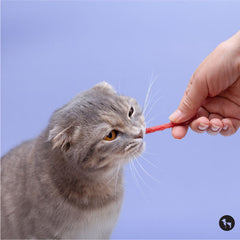
Reward your cat immediately after a successful attempt. Use treats, gentle petting, or soothing words to make them feel proud.
Positive reinforcement encourages your cat to repeat the desired behavior. Avoid punishment as it can create fear and confusion instead of learning.
Try keeping a small bag of your cat’s favorite treats by the bathroom. Each time they use the toilet correctly, reward them right away—this connection speeds up learning.

Credit: godiaperfree.com
Credit: headsupfortails.com
Frequently Asked Questions
How Long Does Cat Toilet Training Usually Take?
Cat toilet training typically takes 4 to 8 weeks. Consistency and patience are key during this process. Each cat adapts differently, so some may learn faster or slower. Gradual steps help cats transition smoothly from litter boxes to toilets.
What Supplies Are Needed For Toilet Training Cats?
You need a special cat toilet training seat or kit. This helps cats adjust to the toilet safely. Additionally, patience, treats, and positive reinforcement are essential. Avoid sudden changes to prevent confusion and stress for your cat.
Can All Cats Be Trained To Use A Toilet?
Most cats can learn toilet training, but some may resist. Factors like age, personality, and previous habits affect success. Kittens adapt more easily, while older cats might prefer litter boxes. Always observe your cat’s comfort and adjust training accordingly.
What Are Common Challenges In Cat Toilet Training?
Common challenges include fear of the toilet, accidents, and resistance. Cats may struggle with balance or unfamiliar sounds. Patience and gradual training help overcome these issues. Avoid punishment, as it can increase anxiety and delay progress.
Conclusion
Toilet training your cat takes time and patience. The guide offers clear, simple steps to follow. Small efforts each day lead to good habits. Your cat can learn to use the toilet safely. Consistency and kindness help the process succeed.
Enjoy the journey of teaching your pet new skills. This guide makes the task less confusing and easier. Start today, and watch your cat’s progress grow.
