

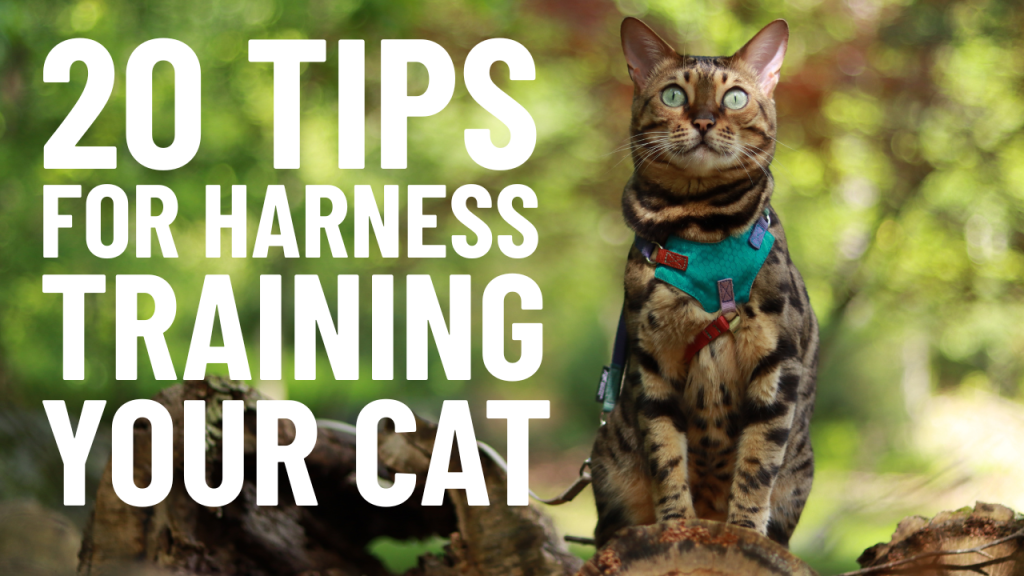
Have you ever wanted to take your cat outside safely without worrying about them running off? Harness training your cat can open up a whole new world of fun and adventure for both of you.
Imagine enjoying fresh air, exploring your neighborhood together, and keeping your furry friend secure at the same time. If you’ve been unsure about how to start or worried your cat won’t cooperate, this guide is made just for you. Keep reading to discover simple steps that will make harness training easy and enjoyable for your cat—and for you.

Credit: www.amazon.ca
Choosing The Right Harness
Choosing the right harness is key to a safe and happy outdoor experience for your cat. A proper harness keeps your cat secure without causing discomfort. It also helps your cat feel calm while exploring new places. There are many types of harnesses to consider. Finding the right size and fit is just as important as the style. This guide will help you select the best harness for your feline friend.
Types Of Cat Harnesses
- H-Style Harness:Shaped like the letter H, this harness wraps around the neck and chest. It offers good control and comfort.
- Vest Harness:Covers more of the body, spreading pressure evenly. Often made of soft fabric for extra comfort.
- Figure-8 Harness:Simple design that loops around the neck and chest. Easy to put on but less secure for active cats.
- Step-In Harness:Your cat steps into the harness, which then fastens on the back. Convenient for cats that dislike having things pulled over their heads.
Sizing And Fit Tips
- Measure your cat’s chest and neck before buying. Use a soft tape measure for accuracy.
- Check the harness fits snugly but not tight. You should fit two fingers between the harness and your cat’s body.
- Adjust straps to avoid slipping or chafing. A loose harness can let your cat escape.
- Choose lightweight materials to keep your cat comfortable. Heavy harnesses may restrict movement.
- Look for padded areas to reduce pressure points, especially around the chest and neck.

Credit: medium.com
Introducing The Harness
Introducing a harness to your cat can be a delicate process. Cats are naturally cautious about new things, especially when it involves wearing something unfamiliar. Patience and a calm approach can make this introduction smoother for both you and your feline friend.
Creating Positive Associations
Start by letting your cat explore the harness without putting it on. Place it near their favorite spot or toys to spark curiosity. You can even toss some treats around the harness to build a positive connection.
Speak softly and offer gentle pets while your cat investigates the harness. This helps link the new object with comfort and safety. Have you noticed your cat responding better to calm voices or playful tones? Use what works best to encourage trust.
First Fitting Techniques
Once your cat seems comfortable around the harness, try placing it gently on their back for a few seconds. Don’t fasten it immediately; just let them get used to the feeling. If your cat stays still, reward them with treats or praise right away.
Gradually increase the time your cat wears the harness, keeping sessions short and positive. Watch for signs of stress like excessive scratching or freezing, and pause if needed. Remember, your goal is to make the harness feel like a normal part of their routine.
Building Comfort And Trust
Building comfort and trust is the foundation of successful harness training for your cat. Cats are naturally cautious creatures, so rushing the process can cause stress and resistance. Taking time to gently introduce the harness and associating it with positive experiences helps your cat feel safe and willing to cooperate.
Short Indoor Sessions
Keep initial training sessions brief and inside your home. Start by simply letting your cat sniff and explore the harness without putting it on. Once your cat shows curiosity rather than fear, try placing the harness loosely on their back for just a few seconds.
Gradually increase the time your cat wears the harness in small steps. Short sessions prevent overwhelm and build confidence. Have you noticed how your cat reacts after just a minute or two? If they seem anxious, pause and try again later.
Using Treats And Praise
Use treats and gentle praise to create a positive connection with the harness. Every time your cat allows you to touch or put on the harness, reward them immediately. This helps your cat link the harness to something enjoyable.
Speak softly and use encouraging words as you reward your cat. This reassures them that the harness is not a threat. What kind of treats does your cat love the most? Use those to keep motivation high and trust growing.
Leash Training Basics
Leash training a cat requires patience and gentle guidance. Cats often resist new experiences. Introducing the leash correctly helps build trust. Start slow and keep sessions short. Create a positive space where your cat feels safe. This approach makes leash training easier and less stressful for both of you.
Attaching The Leash Safely
Choose a harness that fits snugly but comfortably. Check that the harness is secure before attaching the leash. Avoid pulling or tugging on the leash. Let your cat wear the harness indoors first. This helps them get used to the feeling. Attach the leash gently and watch your cat’s reaction.
Encouraging Movement
Use soft voices and treats to invite your cat to move. Allow your cat to explore at their own pace. Don’t force walking or sudden movements. Praise and reward any small steps forward. Let curiosity guide your cat’s movement outside. Over time, your cat will learn to walk calmly on the leash.
Outdoor Exploration Tips
Taking your cat outdoors on a harness can be a rewarding experience, but it requires careful planning to keep your furry friend safe and happy. Outdoor exploration helps satisfy your cat’s curiosity and provides mental stimulation beyond the indoor environment. Here are some practical tips to make these adventures enjoyable and secure for both of you.
Choosing A Safe Environment
Pick quiet, low-traffic areas for your first outdoor trips. Parks, quiet backyards, or calm nature trails are ideal spots where your cat won’t get overwhelmed or startled by loud noises or crowds.
Check for hazards like poisonous plants, sharp objects, or busy roads nearby. You want to avoid places where your cat could escape easily or encounter aggressive animals.
Think about the weather too. Too hot or too cold can stress your cat. Early mornings or late afternoons often offer the best temperatures and fewer people around.
Monitoring Your Cat’s Behavior
Watch your cat closely for signs of stress or discomfort. Ears pinned back, tail twitching, or crouching can mean your cat is feeling anxious and may want to head back inside.
Give your cat space to explore but stay within reach. If your cat suddenly freezes or hides, try to calmly coax them out without forcing interaction.
Keep a close eye on how your cat reacts to new smells, sounds, and sights. Every cat is different—some love the outdoors, while others prefer brief, slow introductions.
Common Challenges
Training a cat to wear a harness brings unique challenges. Cats are naturally independent and cautious, so patience is key. Expect some bumps along the way, but understanding these hurdles helps you prepare and respond better.
Handling Resistance
Resistance is common when you first introduce a harness. Your cat might freeze, struggle, or even dart away. Stay calm and avoid forcing the harness on quickly—it can create a negative association.
Try letting your cat sniff and explore the harness first. Use treats and gentle praise to make the experience positive. Gradually increasing the time your cat wears the harness helps reduce pushback.
Dealing With Fear And Anxiety
Fear can make harness training tough. Some cats hide or show signs of stress like excessive grooming or vocalizing. Watch for these signals and give your cat space if needed.
Creating a quiet, familiar environment during training sessions can ease anxiety. You might try short, calm sessions and slowly build up to longer walks. Have you noticed your cat’s favorite spot to relax? Use that as a starting point to introduce the harness.
Maintaining A Stress-free Routine
Keeping your cat calm during harness training is key to making the experience positive for both of you. A stress-free routine helps your cat feel safe and confident as they get used to something new. The goal is to build trust and comfort, not rush progress or create tension.
Consistency And Patience
Stick to a regular schedule for harness training. Cats thrive on routine, so practicing at the same time each day helps them know what to expect. Even if your cat seems uninterested or nervous, keep sessions short and calm to avoid overwhelming them.
Your patience shows your cat that you’re not forcing anything. I once tried rushing my cat through harness training and ended up with a scared kitty hiding for days. Slowing down and letting her set the pace made a huge difference in her comfort level.
Try to use the same commands and rewards every time. This consistency helps your cat connect actions with positive outcomes. Have you noticed how your cat responds better when you use familiar words or treats?
Recognizing When To Take Breaks
Pay attention to your cat’s body language. Signs like flattened ears, tail flicking, or avoiding eye contact mean it’s time to pause. Pushing your cat too hard can cause stress and set back your progress.
Breaks don’t mean failure—they’re part of a healthy learning process. Sometimes, stepping away for a day or two lets your cat relax and reset. Have you ever felt frustrated and needed to step back? Your cat feels the same way.
Use break times to offer comfort without the harness. Petting, playtime, or simply sitting together can rebuild trust. This way, your cat associates the harness with calm moments instead of stress.

Credit: www.reddit.com
Frequently Asked Questions
How Do I Start Harness Training My Cat?
Begin by letting your cat wear the harness indoors for short periods. Reward with treats and praise. Gradually increase wear time before outdoor walks to build comfort and trust.
What Type Of Harness Is Best For Cats?
Choose a lightweight, adjustable harness designed specifically for cats. Look for soft materials and secure fasteners. This ensures comfort and prevents escape during walks or outdoor adventures.
How Long Does It Take To Train A Cat With A Harness?
Training duration varies but usually takes one to two weeks. Consistent, patient sessions help cats adapt quickly. Avoid rushing to prevent stress and build positive associations with the harness.
Can Harness Training Prevent My Cat From Running Away?
Yes, harness training allows safe outdoor exploration while controlling your cat. It reduces risks of escape and injury. Always supervise your cat during harness walks for safety.
Conclusion
Training a cat to wear a harness takes time and patience. Start slow and let your cat get used to it. Praise your cat with gentle words and treats. Small steps help build trust and comfort. Soon, your cat will enjoy safe outdoor walks.
Remember, every cat learns at its own pace. Enjoy the bonding moments during training sessions. A happy cat means a happy owner too. Keep trying, and you will succeed.
