

Have you ever wondered what makes your cat truly happy? Understanding your feline friend’s behavior can feel like solving a delightful mystery.
From the way they purr to their playful antics, every action holds a clue. But how can you tell if your cat is genuinely content? Imagine creating a bond so strong that it transforms your home into a haven of purrs and playfulness.
You’ll discover the secrets behind happy cat behavior and learn simple ways to enhance your cat’s well-being. Get ready to unlock the joy in your kitty’s heart and create a happier home for you both. Stay with us, and let’s dive into the fascinating world of feline happiness!
Body Language
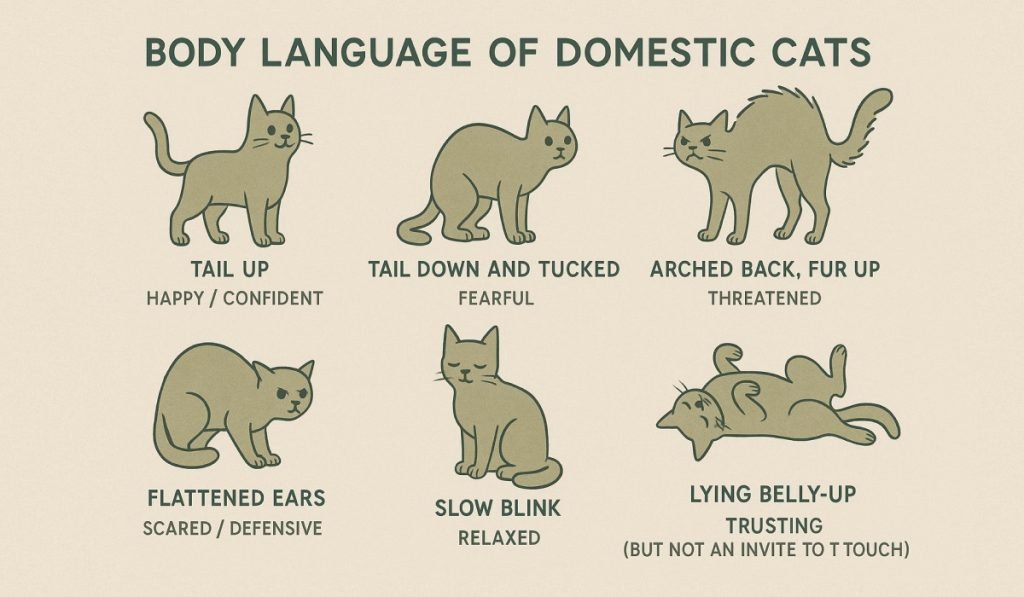
Understanding a cat’s body language helps reveal its mood. Cats use their bodies to communicate feelings without words. Watching their tail, ears, and eyes shows if they are happy, curious, or stressed. These signals are clear once you learn what to watch for.
Tail Movements
A happy cat’s tail often stands tall. It signals confidence and comfort. A gently twitching tail tip shows excitement or interest. Slow tail sways mean the cat is relaxed but alert. If the tail is puffed up, the cat feels scared or threatened.
Ear Positions
Forward-facing ears mean a cat is calm and happy. Ears slightly turned to the side show curiosity. Flattened ears pressed against the head warn of fear or anger. Quick ear movements may mean the cat is listening to sounds nearby.
Eye Expressions
Soft, slow blinking signals trust and affection. Wide-open eyes with large pupils indicate surprise or playfulness. Narrowed eyes or half-closed lids mean contentment. Staring without blinking can be a sign of warning or discomfort.
Vocal Sounds
Understanding your cat’s vocal sounds opens a window into their happiness and comfort. Cats use a variety of noises to communicate their feelings, needs, and moods. Paying attention to these sounds helps you respond better and deepen your bond.
Purring Types
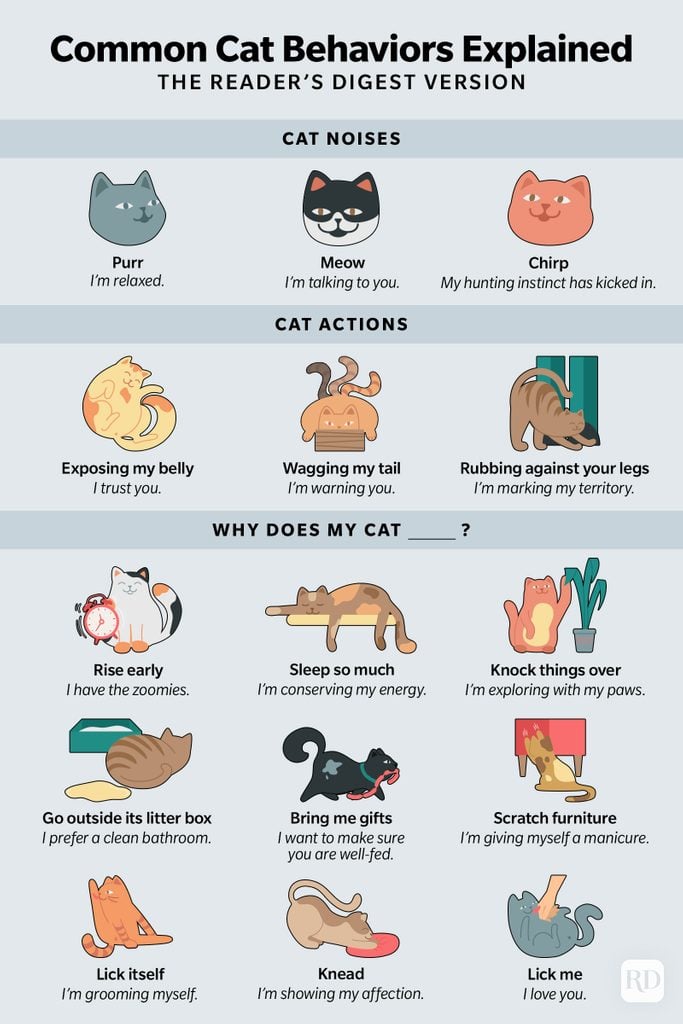
Purring is often linked to contentment, but did you know cats purr for different reasons? A steady, gentle purr usually means your cat feels relaxed and happy. However, a faster or irregular purr can indicate nervousness or even pain.
Notice how your cat purrs when you pet them versus when they’re resting alone. This subtle difference tells you if your cat truly enjoys your company or seeks comfort. Have you ever felt that calming vibration when your cat curls on your lap?
Meowing Patterns
Meows are the most familiar cat sounds, but each one carries a unique message. Some meows are short and sharp, signaling excitement or a greeting. Others are long and drawn out, often expressing a demand like hunger or wanting attention.
Watch your cat’s meowing throughout the day. Are they louder or more frequent when you come home? These patterns can help you understand what your cat expects from you. How do you usually respond when your cat’s meows change tone?
Chirps And Trills
Chirps and trills are less common but very telling vocalizations. Cats often use them to express curiosity or to get your attention in a friendly way. These sounds can feel playful and inviting, almost like your cat is sharing a secret with you.
Have you noticed your cat making chirps when watching birds or other animals outside? This behavior shows their excitement and interest. Try responding with a soft chirp back—your cat might enjoy the interaction more than you expect.
Playful Actions
Playful actions are a clear sign that your cat is happy and comfortable in their environment. When cats engage in play, they express joy, curiosity, and mental alertness. Recognizing these behaviors can help you better connect with your feline friend and provide the right kind of stimulation they need.
Interactive Play
Interactive play is a fantastic way to strengthen the bond between you and your cat. Using wand toys or laser pointers encourages your cat to chase, pounce, and leap, mimicking their natural hunting instincts. Have you noticed how your cat’s eyes widen and their tail twitches during these sessions? That’s a sure sign they’re fully engaged and enjoying the moment.
Try setting aside short play sessions multiple times a day. This keeps your cat mentally sharp and physically active, preventing boredom and unwanted behaviors.
Hunting Behavior
Even indoor cats display hunting behavior through playful actions. They might stalk a moving shadow or pounce on a toy mouse with intense focus. Observing these behaviors can tell you a lot about your cat’s mood and energy levels.
Encouraging this natural behavior helps reduce stress and keeps your cat mentally satisfied. How often do you see your cat crouch low before a sudden burst of movement? That’s their inner hunter at work.
Toy Preferences
Every cat has unique toy preferences that reveal their personality. Some cats prefer soft plush toys they can carry around, while others love noisy crinkle balls or feather wands. Pay attention to which toys your cat returns to most often—they’re telling you what excites them.
Rotating toys keeps playtime fresh and prevents your cat from losing interest. Have you tried introducing new textures or sounds to see how your cat reacts? It might surprise you which toy becomes their new favorite.
Credit: www.rd.com
Social Behavior
Understanding the social behavior of happy cats can transform your relationship with them. Cats communicate in subtle ways, and recognizing these signals helps you respond better to their needs. Social interactions form a big part of what makes a cat content and confident in your home.
Affectionate Gestures
Happy cats show affection through gentle head bumps, slow blinking, and purring. These gestures are their way of saying they trust and feel safe with you. You might notice your cat rubbing against your legs—this isn’t just seeking attention, it’s marking you as part of their social group.
Have you ever caught your cat giving you a “slow blink”? Try returning it; it’s like a secret handshake between you and your feline friend.
Grooming Habits
Grooming is more than cleanliness; it’s a social activity for cats. When your cat licks you or another pet, it’s a strong sign of bonding and affection. Mutual grooming helps reduce stress and strengthens social ties within their group.
If your cat starts licking your hand or face, consider it a compliment and a sign they see you as family. It’s their way of including you in their circle.
Seeking Attention
Happy cats actively seek interaction through meows, nudges, or sitting on your lap. They want to engage with you but in ways that feel comfortable to them. Watching how your cat asks for attention can teach you what kind of interaction they prefer—be it playtime, petting, or simply your presence.
Next time your cat nudges you or taps your arm, pause and notice what they might be asking for. Could it be a quick pet, a game, or just some quiet company?
Resting Habits
Understanding your cat’s resting habits can reveal a lot about their happiness and comfort in your home. Cats are masters of relaxation, and their choice of resting spots, sleeping positions, and how often they nap tell you how secure they feel around you. Paying attention to these details helps you create a space where your feline friend can thrive.
Favorite Spots
Have you noticed your cat favoring a sunny windowsill or a cozy corner behind the couch? Cats often pick spots that offer warmth, safety, and a good view of their surroundings. Your cat’s favorite resting places might change with the seasons or your daily routine, so observe where they retreat during different times of the day.
Try placing soft blankets or cushions in these areas to encourage longer, more restful naps. Offering a variety of spots can also keep your cat engaged and comfortable, reducing stress and promoting a happy mood.
Sleeping Positions
Does your cat curl up tightly or sprawl out with paws stretched? Each sleeping position says something about how relaxed and secure your cat feels. A curled-up cat is conserving warmth and feels safe, while a cat lying on their back with belly exposed is showing complete trust.
Next time your cat settles down, watch their posture. It can give you clues about their emotional state and comfort level. If you notice sudden changes, it might be time to check if something in their environment is bothering them.
Napping Frequency
Cats sleep a lot — typically between 12 to 16 hours a day — but the number and length of their naps can vary. Younger cats and seniors tend to nap more, while adults might have shorter, more frequent naps. Your cat’s napping habits can also shift based on activity levels and stress.
Does your cat seem restless or nap less than usual? This could signal discomfort or illness. Encouraging regular, peaceful naps by maintaining a calm environment benefits your cat’s overall health and happiness.
Environmental Needs
Creating a happy environment for your cat goes beyond just feeding and playing. Their surroundings directly impact how secure and content they feel. Paying attention to their environmental needs helps you build a space where your cat can thrive physically and emotionally.
Safe Spaces
Your cat needs spots where they can retreat and feel completely safe. These can be cozy corners, quiet rooms, or even a covered bed. I once noticed my shy cat hiding under the couch during noisy gatherings; providing her a small tent-like hideaway reduced her anxiety significantly.
Think about where your cat goes when they want to escape or relax. Can you add a few safe spaces around your home to give them control over their environment? This helps prevent stress and unwanted behaviors.
Climbing Opportunities
Cats love to climb and observe their world from high vantage points. Shelves, cat trees, or window perches satisfy this natural urge. I installed a few wall-mounted shelves for my cat, and she spends hours watching birds and feeling in charge of her domain.
Do you have vertical space your cat can use? Adding climbing options not only provides exercise but also mental stimulation. This reduces boredom and promotes a happier, healthier cat.
Scratching Areas
Scratching is a vital behavior for cats to keep their claws healthy and mark territory. Offering various scratching posts and pads helps protect your furniture. I found that placing different textures, like sisal and cardboard, in multiple rooms encourages my cat to use them regularly.
Where does your cat usually scratch? By placing scratching areas near their favorite spots, you can guide them away from unwanted surfaces. This simple adjustment keeps both you and your cat satisfied.
Health Indicators
Happy cats show clear signs of good health through their behavior and appearance. Observing these health indicators helps ensure your cat feels well and content. These signs include the condition of their coat, appetite, and energy levels. Each tells a story about your cat’s overall wellbeing.
Coat Condition
A shiny, smooth coat signals a happy, healthy cat. The fur should feel soft and clean without bald spots or mats. Cats that groom regularly keep their coats in good shape. Dull or patchy fur might mean stress or illness. Watch for excessive scratching or licking, which can indicate skin problems.
Appetite Levels
Consistent eating habits show your cat feels good. A healthy cat eats regularly and finishes meals with interest. Sudden changes in appetite can suggest health issues. A loss of hunger or overeating needs attention. Balanced nutrition supports energy and mood.
Energy Stamina
Playful and active cats reveal strong energy and happiness. Notice how long your cat stays engaged in play or exploration. Low energy or constant hiding may signal discomfort or sickness. Regular bursts of energy followed by rest are typical in happy cats.

Credit: liesbethputs.com

Credit: www.feliway.co.uk
Frequently Asked Questions
What Are Common Signs Of Happy Cat Behaviour?
Happy cats often purr, knead, and gently blink at their owners. They show relaxed body language and playful actions. A content cat also follows you around and enjoys gentle petting. These behaviours indicate trust, comfort, and positive emotions in your feline friend.
How Does A Happy Cat Express Affection?
A happy cat shows affection by rubbing against you, purring, and head-butting. They may also knead your lap or gently lick your hand. These behaviours signal love and bonding. Cats use these actions to communicate comfort and happiness with their human companions.
Why Do Happy Cats Knead Soft Surfaces?
Kneading is a comforting action for cats linked to kittenhood. It helps them feel secure and content. Happy cats knead soft surfaces to mark territory with scent glands in their paws. This behaviour also shows relaxation and a sense of safety in their environment.
Can A Happy Cat Be Vocal?
Yes, happy cats often use soft meows and purrs to communicate. Vocalising can indicate contentment and a desire for attention or interaction. Each cat has unique sounds, but gentle, consistent vocalisations usually reflect a happy mood.
Conclusion
Happy cats show joy through their actions and sounds. They purr softly and play often. A relaxed body and gentle eyes mean trust. Cats that knead or nuzzle feel safe and loved. Understanding these signs helps build a strong bond.
Happy cats live healthier and feel more secure. Pay attention to their mood daily. Caring for their needs keeps them cheerful. Enjoy the small moments with your furry friend. A happy cat makes any home brighter and warmer.
