

Are you captivated by the mysterious allure of hairless cats? These unique feline companions, often misunderstood and overlooked, are in need of loving homes.
Hairless cat rescue organizations work tirelessly to provide these enchanting creatures with the care and attention they deserve. You’ll discover the heartwarming stories behind these rescues and learn how you can make a difference. Whether you’re considering adopting a hairless cat or simply want to support their cause, there’s a role for you to play.
Ready to find out how you can help these gentle souls find their forever homes? Let’s dive in and explore the world of hairless cat rescue.
Why Rescue Hairless Cats
Rescuing hairless cats offers a unique opportunity to provide a loving home to an often misunderstood and overlooked group of felines. These cats have distinct needs and characteristics that make them special companions. Understanding why hairless cats need rescue can help you make an informed and compassionate decision.
Unique Traits And Challenges
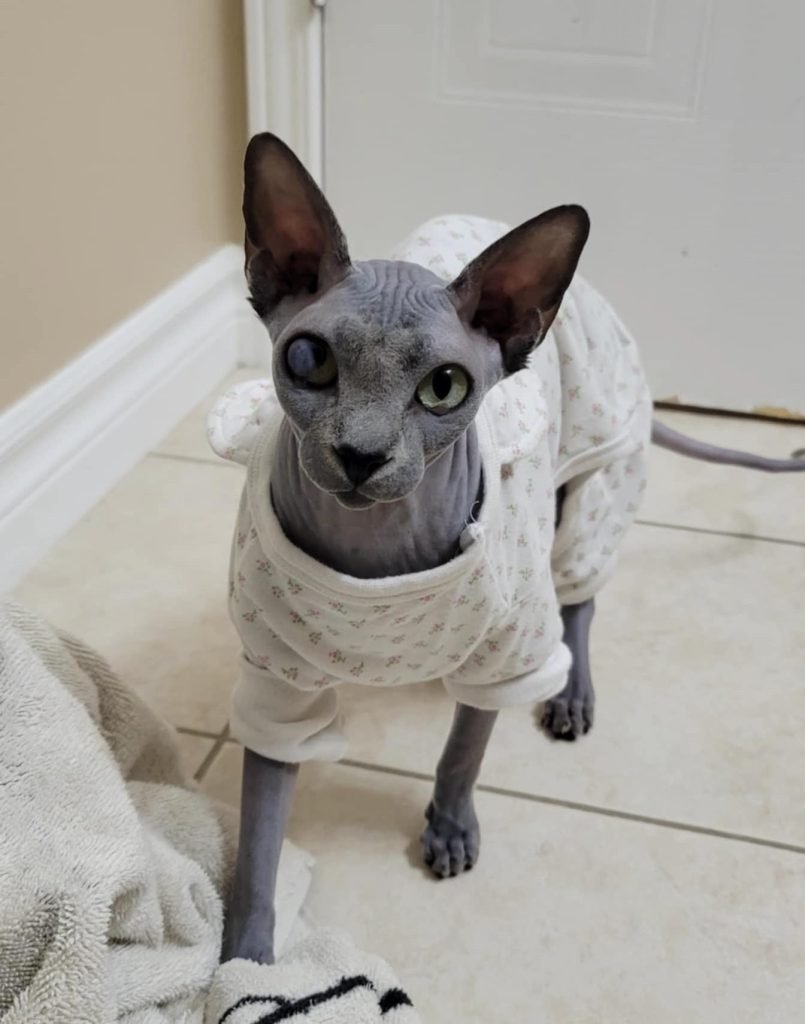
Hairless cats, such as the Sphynx, have very sensitive skin that requires regular care. Unlike other cats, they need frequent baths to remove oils that build up without fur. Their lack of fur also means they can get cold easily, so you must provide warm blankets or clothing.
These traits mean hairless cats often need more attention and care. If you’re ready to handle these challenges, you’ll find a loyal and affectionate pet waiting for you. Have you thought about how your lifestyle fits with these special needs?
Common Myths Debunked
Many people believe hairless cats are hypoallergenic, but this isn’t entirely true. They still produce dander, which can trigger allergies. Another myth is that hairless cats are unhealthy or fragile, but with proper care, they live just as long and active lives as other cats.
Some think hairless cats are unfriendly or aloof. In reality, they are often very social and crave human interaction. Would you be surprised to find how playful and loving these cats can be?
Benefits Of Adoption
Adopting a hairless cat from rescue saves a life and reduces the demand for breeders focused solely on appearance. These cats often come from situations where they didn’t receive proper care or love. Giving them a home means you are changing their world.
Hairless cats are known for their strong bonds with owners. Their affectionate nature can bring warmth and joy to your daily life. Could adopting a hairless cat be the way to add a unique and loving member to your family?
Preparing For A Hairless Cat
Preparing for a hairless cat takes more than just bringing one home. These unique pets need special attention to thrive and feel comfortable in your space. Understanding their needs helps you create a safe and loving environment right from day one.
Home Setup Essentials
Hairless cats are sensitive to temperature changes because they lack a fur coat. You should keep your home warm, ideally between 70°F and 80°F. Adding heated beds or soft blankets gives them cozy spots to snuggle.
Think about sun exposure too. Their skin can burn easily, so create shaded areas or use UV-protective window film. Avoid placing them near drafts or air conditioners, as cold air can make them uncomfortable quickly.
Health Considerations
Hairless cats need regular vet check-ups to monitor their unique health needs. Their immune systems might differ, so vaccinations and parasite control are crucial. Watch for signs of skin infections or irritations—early treatment prevents bigger problems.
Diet matters a lot. These cats often have faster metabolisms and may require more calories. Choose high-quality, nutrient-rich food, and ask your vet if supplements are needed to keep your cat in peak health.
Skin Care Needs
Without fur, their skin can get oily or dry quickly. You’ll need to clean your cat’s skin gently every week with a mild, pet-safe cleanser. This keeps dirt and oils from building up and causing irritation.
Moisturizing is important too. Use vet-approved lotions to prevent dryness, especially in colder months. Keep an eye on any changes in skin texture or color—these can be signs your cat needs extra care.
Have you considered how much time you can dedicate to your cat’s skin care? This commitment makes a big difference in their comfort and happiness.
Finding Hairless Cats To Rescue
Finding hairless cats to rescue can feel like searching for a rare gem. These unique felines often need special care, and locating them requires a focused approach. Understanding where to look and who to contact will increase your chances of providing a loving home to a hairless cat in need.
Rescue Organizations And Shelters
Many animal shelters and rescue groups occasionally have hairless cats available for adoption. Some organizations specialize in specific breeds or cats with unique needs. Checking with local shelters regularly is crucial because hairless cats may not stay long due to their distinctive appeal.
You can also reach out to breed-specific rescues. These groups focus on rescuing and rehoming cats like the Sphynx or Peterbald. They often have detailed knowledge about hairless cats’ health and care requirements, which helps you prepare better as a rescuer.
Online Resources And Networks
Online platforms are valuable tools for finding hairless cats to rescue. Websites like Petfinder or Rescue Me allow you to filter by breed and location, making your search more targeted. Social media groups dedicated to hairless cat enthusiasts and rescue communities are also great places to connect.
Joining online forums can provide insider tips and alerts about cats needing homes. You might even discover private rescues or individuals looking to rehome their hairless cats. Are you ready to explore these digital networks to find your future feline friend?
Connecting With Breeders And Owners
Building relationships with breeders and current owners can open doors to rescue opportunities. Sometimes breeders have cats that need rehoming due to health or personal reasons. Owners might also seek help when they can no longer care for their hairless cats.
Contacting breeders shows your serious interest and willingness to provide proper care. They can guide you to cats in need or recommend trustworthy rescue contacts. Have you considered reaching out directly to those who understand hairless cats best?

Credit: purebredsplus.org
Adoption Process Tips
Adopting a hairless cat is a special experience. The adoption process ensures the right match between you and the cat. Following clear steps helps a smooth transition. This section guides you through important tips for adoption.
Application And Screening
Start by filling out a detailed application form. Rescue groups want to know about your home and lifestyle. Expect questions about other pets and family members. This step helps find a cat that fits well with you.
Screening may include phone calls or home visits. The goal is to ensure the cat’s safety and well-being. Be honest and patient during this process. It builds trust with the rescue team.
Meeting And Evaluating Cats
Meeting the cats in person is key. Observe their behavior and how they respond to you. Some cats are shy, others more outgoing. Take your time to connect with each one.
Ask about each cat’s health, personality, and special needs. Discuss care routines to prepare for their arrival. This step helps you choose a cat that suits your lifestyle.
Bringing Your Cat Home Safely
Prepare a quiet space for your new cat. Use a secure carrier for transport. Avoid loud noises and sudden movements during the trip.
Have food, water, and bedding ready at home. Let the cat explore slowly and safely. Give plenty of love and patience as they adjust.
Caring For Hairless Cats Daily
Caring for hairless cats every day requires attention to their unique needs. Without fur, these cats face challenges different from their fluffy counterparts. You must be mindful of their skin, temperature, and diet to keep them healthy and happy.
Feeding And Nutrition
Hairless cats have a faster metabolism because they lose more body heat. This means they often need more calories than other cats. You should provide a high-quality, protein-rich diet to support their energy levels.
Consider feeding smaller meals multiple times a day to keep their energy steady. Adding supplements like omega-3 fatty acids can help maintain healthy skin. Have you noticed your cat’s appetite change with the seasons? Adjust their food accordingly.
Grooming And Bathing
Without fur, dirt and oils build up quickly on their skin. Regular bathing is essential to prevent clogged pores and skin infections. Use a gentle, cat-safe shampoo and warm water.
Aim to bathe your hairless cat about once a week, but watch for skin dryness. After bathing, gently dry them with a soft towel. You might be surprised how much your cat enjoys the extra attention during grooming time.
Maintaining Comfort And Warmth
Hairless cats get cold easily, especially in air-conditioned rooms or during winter. Provide soft blankets, heated beds, or cat sweaters to keep them warm. Make sure these items are breathable and not too tight.
Watch your cat’s behavior for signs of discomfort, like curling up tightly or seeking warm spots constantly. Could your home environment be too chilly for your hairless friend? Small changes can make a big difference in their comfort.

Credit: www.adoptapet.com
Common Health Issues
Hairless cats have unique health concerns. Their lack of fur means their skin needs extra care. Understanding common health issues helps keep them happy and healthy.
Skin Problems And Prevention
Hairless cats often face skin problems. Their skin can dry out quickly and get sunburned. They may develop rashes or infections from dirt and oils. Regular gentle baths help keep skin clean. Use mild, hypoallergenic shampoo made for cats. Avoid harsh soaps or chemicals. Applying a pet-safe moisturizer can prevent dryness. Keep hairless cats indoors or limit sun exposure. Soft bedding reduces skin irritation. Watch for any redness or flaky patches on their skin.
Regular Veterinary Care
Routine vet visits are crucial for hairless cats. Their skin and overall health need close checks. Vets can spot issues early, like infections or allergies. Vaccinations and parasite control protect their health. Hairless cats may need more frequent checkups than furry cats. Follow your vet’s advice on diet and supplements. Early diagnosis helps prevent serious problems.
Signs To Watch For
Some signs show when a hairless cat is unwell:
- Red or irritated skin
- Excessive scratching or licking
- Dry or flaky patches
- Unusual lumps or bumps
- Changes in appetite or behavior
- Breathing difficulties or coughing
Noticing these signs early helps get quick treatment. Prompt action keeps hairless cats comfortable and safe.
Building A Bond With Your Cat
Building a strong bond with your hairless cat is essential for a happy and healthy relationship. These unique cats crave attention and warmth, making your connection even more important. Taking the time to understand their needs and personality helps create trust and affection that lasts a lifetime.
Socializing And Playtime
Hairless cats thrive on interaction. Spend time each day playing with your cat using toys like feather wands or laser pointers. This not only keeps them active but also strengthens your relationship.
Try introducing new people slowly to help your cat feel comfortable around strangers. Patience is key—some hairless cats take longer to warm up than others. Have you noticed your cat prefers certain types of play or company?
Handling Behavioral Challenges
It’s normal for hairless cats to show stubborn or shy behavior at times. Instead of forcing them, observe what triggers these reactions and adjust your approach. Use gentle encouragement and positive reinforcement to guide their behavior.
For instance, if your cat hides during loud noises, create quiet spaces and avoid sudden movements. Consistency helps your cat feel secure and understood. What small changes have you made that improved your cat’s comfort?
Creating A Safe Environment
Hairless cats are sensitive to temperature changes since they lack fur. Keep your home warm and cozy, especially during colder months, with blankets or heated beds. Avoid drafts and cold floors where your cat rests.
Remove any sharp or small objects that could hurt or be swallowed. Consider soft furniture and safe hiding spots to make your cat feel protected. How have you adjusted your living space to suit your cat’s unique needs?
Resources For Hairless Cat Owners
Owning a hairless cat comes with unique joys and challenges. Many owners seek advice and tools to care for their special pets. Several resources help keep these cats healthy and happy. Support networks, useful products, and clear guides all play a key role in successful care.
Support Groups And Communities
Joining a group with other hairless cat owners offers valuable support. Members share tips on health, grooming, and behavior. These communities provide a place to ask questions and exchange experiences. They often include forums, social media groups, and local clubs.
Recommended Products
Special products help maintain a hairless cat’s skin and comfort. Sunscreen made for pets protects fragile skin from sunburn. Soft clothing keeps them warm without irritation. Gentle shampoos and moisturizers support skin health. Heated beds and blankets provide extra warmth during cold days.
Educational Materials
Books and online articles give clear guidance on hairless cat care. These materials cover feeding, grooming, and health checks. Visual guides help identify skin issues early. Videos demonstrate safe handling and cleaning routines. Reliable education empowers owners to provide the best care.
Credit: www.bbc.com
Frequently Asked Questions
What Is Hairless Cat Rescue?
Hairless cat rescue focuses on saving and rehoming hairless breeds like Sphynx cats. These cats need special care and warmth. Rescues provide medical attention, socialization, and find loving homes to improve their lives and wellbeing.
Why Do Hairless Cats Need Rescue?
Hairless cats are vulnerable to cold, skin issues, and neglect. Some are abandoned due to their unique needs. Rescue groups ensure they get proper care, warmth, and love. They also educate owners about the breed’s special requirements.
How Can I Adopt A Hairless Cat?
Contact local cat rescues or breed-specific organizations. Fill out adoption forms and meet the cat for compatibility. Rescue groups often require home checks to ensure a safe environment. Adoption fees cover medical care and support.
What Special Care Do Hairless Cats Need?
Hairless cats require regular bathing to remove skin oils. They need warmth, such as cozy blankets or heated beds. Sun protection is important to prevent sunburn. Regular vet check-ups help monitor their unique health needs.
Conclusion
Rescuing a hairless cat brings joy and responsibility. These cats need special care and love. They thrive in warm, safe homes with patient owners. Adopting one helps a unique animal find comfort. Every rescue cat deserves a chance to be happy.
Your kindness makes a real difference. Choose rescue, and give a hairless cat a new life.
