

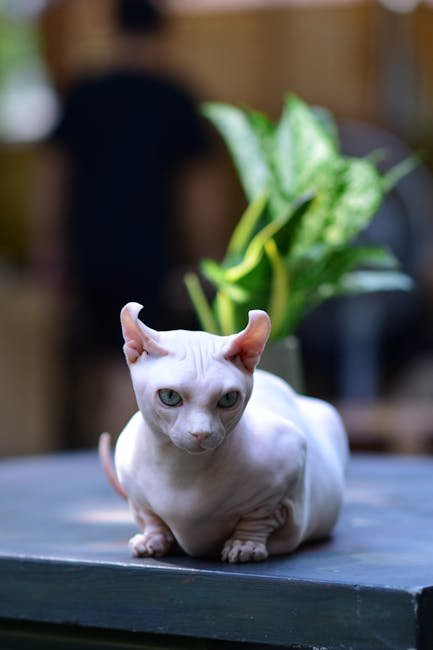
Are you curious about hairless cat breeds and what makes them so unique? If you’ve ever wondered why some cats don’t have fur and what it feels like to have one as a pet, you’re in the right place.
Hairless cats aren’t just eye-catching—they come with special traits that can change the way you think about feline companions. Keep reading to discover the most popular hairless cat breeds, their personalities, and what you need to know before bringing one into your home.
Your perfect, fur-free friend might be closer than you think!
Popular Hairless Cat Breeds
Hairless cat breeds stand out not just for their unique looks but also for their distinct personalities and care needs. These cats often surprise owners with their warmth and affectionate nature, defying the chilly impression their bare skin might give. If you’re curious about which breeds are popular and what makes each special, here’s a closer look at some of the most well-known hairless cats.
Sphynx
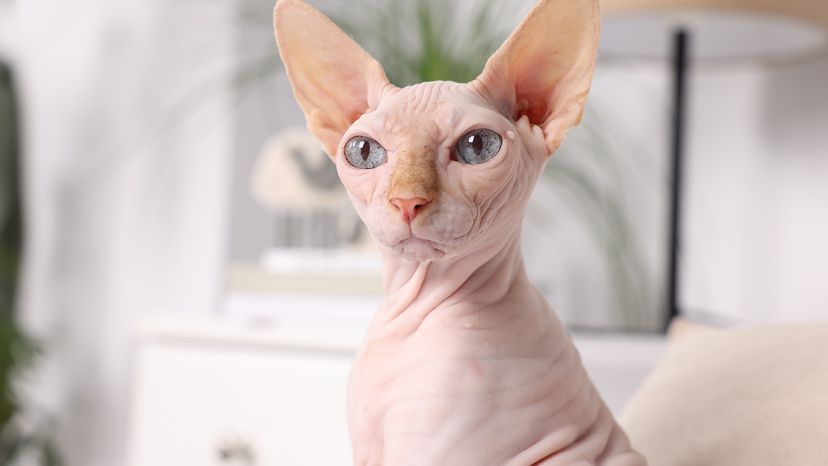
The Sphynx is probably the most famous hairless cat breed. Known for its wrinkled skin and large ears, it’s incredibly friendly and loves human attention.
Many owners say their Sphynx feels like a warm little heater on cold nights. Have you ever experienced a cat that craves cuddles as much as you do?
Peterbald
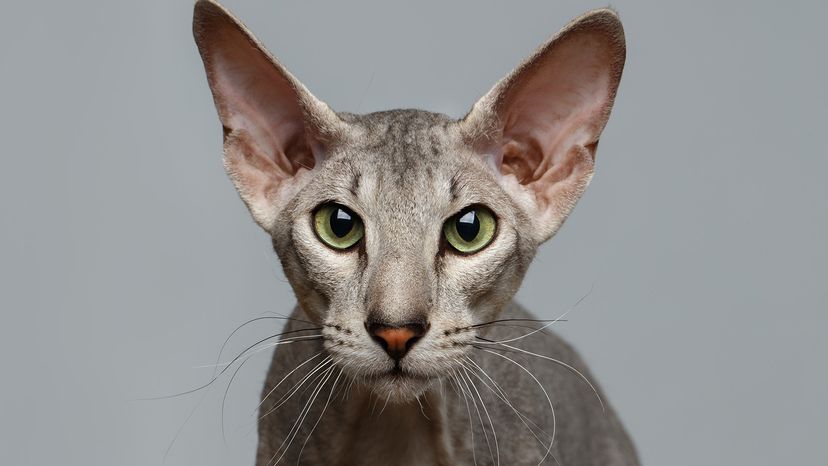
Peterbalds combine elegance with an affectionate nature. They can have varying degrees of hairlessness, from completely bald to having a fine fuzz.
This breed is known for being playful and social, often following their owners around like a shadow. If you want a lively companion, the Peterbald might be your match.
Donskoy
The Donskoy, or Don Sphynx, is unique because its hairlessness is caused by a different genetic mutation than the Sphynx. It has a soft, suede-like skin texture.
These cats are loyal and intelligent, often bonding deeply with their families. Have you considered how a pet’s personality could change your daily routine for the better?
Ukrainian Levkoy
With its folded ears and angular features, the Ukrainian Levkoy has a striking, almost sculpted appearance. It’s a newer breed that’s gaining popularity for its calm demeanor.
Owners often note their Levkoy’s gentle nature and quiet presence in the home. Would you enjoy a cat that’s both a conversation starter and a peaceful companion?
Bambino
The Bambino is a charming mix of the Sphynx and Munchkin breeds, resulting in a short-legged, hairless cat. Its playful energy and tiny stature make it incredibly endearing.
Despite its unique look, the Bambino is known for being affectionate and outgoing. Could a small, spirited cat like this brighten your living space?
Credit: animals.howstuffworks.com
Physical Traits Of Hairless Cats
Hairless cats stand out because of their unique physical traits. Their appearance differs greatly from typical furry cats. These traits reflect their special genetics and care needs. Understanding these features helps appreciate their beauty and charm.
Skin Texture And Color
Hairless cats have soft, warm skin that feels like suede or peach fuzz. Their skin can be smooth or slightly wrinkled, especially around the head and neck. Skin colors vary widely, from pale pink to deep brown or gray. Patterns like spots or stripes often show on their skin, similar to fur patterns on other cats.
Eye Shapes And Colors
The eyes of hairless cats are large and almond-shaped, giving them an alert look. Eye colors range from green and blue to gold and copper. Bright, expressive eyes add to their unique charm. Their eyes often stand out more because of the lack of fur around them.
Body Structure And Size
Hairless cats have a lean and muscular body that feels firm to the touch. Their bodies are medium-sized with long legs and tails. Their ears are large and often pointed, enhancing their alert appearance. Despite their lack of fur, they move with grace and agility.
Personality And Temperament
Hairless cat breeds often surprise people with their unique personalities. Their lack of fur doesn’t mean they lack warmth or charm. Understanding their temperament helps you connect better with these special cats.
Affection Levels
Hairless cats are known for being very loving and affectionate. They often seek out warmth, not just from cozy blankets but from your lap and cuddles. Many owners share how their hairless cats follow them around the house, almost like a shadow.
Have you noticed your cat’s preference for your company during quiet moments? These cats usually enjoy close physical contact and often give gentle headbutts or purr loudly to show love.
Activity And Playfulness
Don’t expect hairless cats to be lazy just because they lack fur. They are typically active and curious. You might find your cat chasing toys or exploring new corners with surprising agility.
Keeping their minds and bodies stimulated is important. Try interactive toys or simple games like fetch to keep their playful side alive. How often do you set aside time for play with your cat?
Social Behavior
Hairless cats tend to be social and enjoy interacting with people and other pets. They rarely hide away and usually adapt well to new environments. If you have multiple pets, they often fit right in and even seek out playmates.
However, some hairless cats can be shy or cautious at first. Giving them space and time to adjust works wonders. Are you ready to give your cat the patience it needs to build trust?
:strip_icc()/spruce-pets-minskin-cat-a39902959c2a468c9d4a0dd40a043fcb.png)
Credit: www.thesprucepets.com
Care Requirements
Hairless cat breeds need special care to stay healthy and happy. Their lack of fur means their skin and body need extra attention. Understanding their care needs helps keep them comfortable and thriving.
Skin Maintenance
Hairless cats have sensitive skin that requires regular cleaning. Their skin can get oily or dirty without fur to absorb oils. Wipe their skin gently with a damp cloth every few days. Use mild, pet-safe wipes to avoid irritation. Bathing once a month helps remove buildup and keeps skin fresh. Watch for redness or dryness, which may need vet care. Moisturize with vet-approved lotions if skin feels dry.
Temperature Sensitivity
Without fur, hairless cats feel cold easily. They need warm places to rest, especially in winter. Provide soft blankets and heated beds for comfort. Avoid exposing them to direct sunlight for long. Their skin can burn quickly without fur protection. Indoor temperature should stay cozy, between 70-80°F (21-27°C). Dress them in soft cat sweaters if needed, but avoid tight or rough fabrics.
Diet And Nutrition
Hairless cats need good nutrition to maintain healthy skin. Their bodies burn more calories to keep warm. Feed high-quality food rich in proteins and fats. Balanced vitamins and minerals support their skin and immune system. Fresh water should always be available to keep them hydrated. Consult your vet for the best diet plan tailored to your cat’s needs.
Health Considerations
Health considerations are essential when caring for hairless cat breeds. Their unique lack of fur brings special challenges that affect their skin, genetics, and overall well-being. Understanding these factors helps you provide the best care and avoid common pitfalls.
Common Skin Issues
Hairless cats have sensitive skin that requires extra attention. Without fur, their skin is prone to dryness, sunburn, and irritation. You should regularly moisturize your cat’s skin with vet-approved products and limit their exposure to direct sunlight.
Bathing is another crucial part of their care routine. Hairless cats tend to accumulate oils on their skin, which can cause acne or infections if not cleaned properly. Using gentle, fragrance-free shampoos keeps their skin healthy and comfortable.
Genetic Conditions
Many hairless cat breeds, such as the Sphynx, carry specific genetic conditions. Hypertrophic cardiomyopathy (HCM), a heart disease, is one of the most common inherited issues. You can ask your breeder or vet about screening tests to catch this early.
Other possible genetic concerns include respiratory problems and dental issues. Knowing the breed’s background helps you watch for symptoms and address them quickly. Would you consider genetic testing to ensure your cat’s long-term health?
Regular Vet Visits
Frequent vet check-ups are non-negotiable for hairless cats. Their unique health needs mean early detection of problems is key. Regular visits allow your vet to monitor their skin condition, heart health, and overall development.
During these visits, don’t hesitate to ask questions about diet, skin care, or any unusual behavior. Your vet’s guidance can make a significant difference in how your hairless cat thrives. Are you prepared to commit to this level of care?
Credit: animals.howstuffworks.com
Choosing The Right Hairless Cat
Choosing the right hairless cat means understanding your needs and the cat’s traits. Hairless breeds need special care and attention. They are not for every home, but the right match brings joy. Consider lifestyle, source, and long-term commitment before welcoming one.
Lifestyle Compatibility
Hairless cats need warmth and gentle handling. Their skin is sensitive and requires regular cleaning. These cats enjoy indoor living and close human contact. They suit calm homes with minimal outdoor exposure. Active families with rough play may not be ideal. Quiet environments help hairless cats thrive and feel safe.
Breeder Vs. Adoption
Buying from a reputable breeder ensures health and proper care. Breeders provide medical history and breed information. Adoption can save a cat’s life but may lack background details. Rescue cats might need extra patience and care. Check for trustworthy sources to avoid health issues and scams.
Cost And Commitment
Hairless cats have higher costs than other breeds. Their skin care products and vet visits add up. They need regular baths to avoid oil buildup. Expect expenses for special food and vet care. Commitment means daily attention and love. Consider long-term care before choosing a hairless cat.
Frequently Asked Questions
What Are The Most Popular Hairless Cat Breeds?
The most popular hairless cat breeds include the Sphynx, Peterbald, and Donskoy. These breeds are known for their lack of fur and unique appearance. Each has distinct characteristics but share similar care needs due to their hairlessness.
Are Hairless Cats Hypoallergenic For Allergy Sufferers?
Hairless cats are not completely hypoallergenic. They produce fewer allergens than furry cats, but they still release proteins causing allergies. Regular cleaning and grooming help reduce allergens and make them more tolerable for sensitive individuals.
How Do I Care For A Hairless Cat’s Skin?
Hairless cats require regular skin care. They need gentle baths weekly to remove oils and dirt. Their skin should be moisturized with vet-approved lotions to prevent dryness. Protect them from sun exposure to avoid sunburn and skin damage.
Do Hairless Cats Get Cold Easily?
Yes, hairless cats get cold quickly due to no fur insulation. They need warm environments and cozy clothing in cooler temperatures. Providing heated beds or blankets helps keep them comfortable and prevents health issues related to cold.
Conclusion
Hairless cat breeds offer a unique pet experience. They are known for their friendly and playful nature. These cats need special care, especially skin care. Many people love their soft, warm bodies and big eyes. Choosing a hairless cat means enjoying a pet with less shedding.
They fit well in families and quiet homes alike. Think about their needs before bringing one home. A hairless cat can bring joy and companionship. Their charm is hard to resist. Consider them if you want a special feline friend.
