

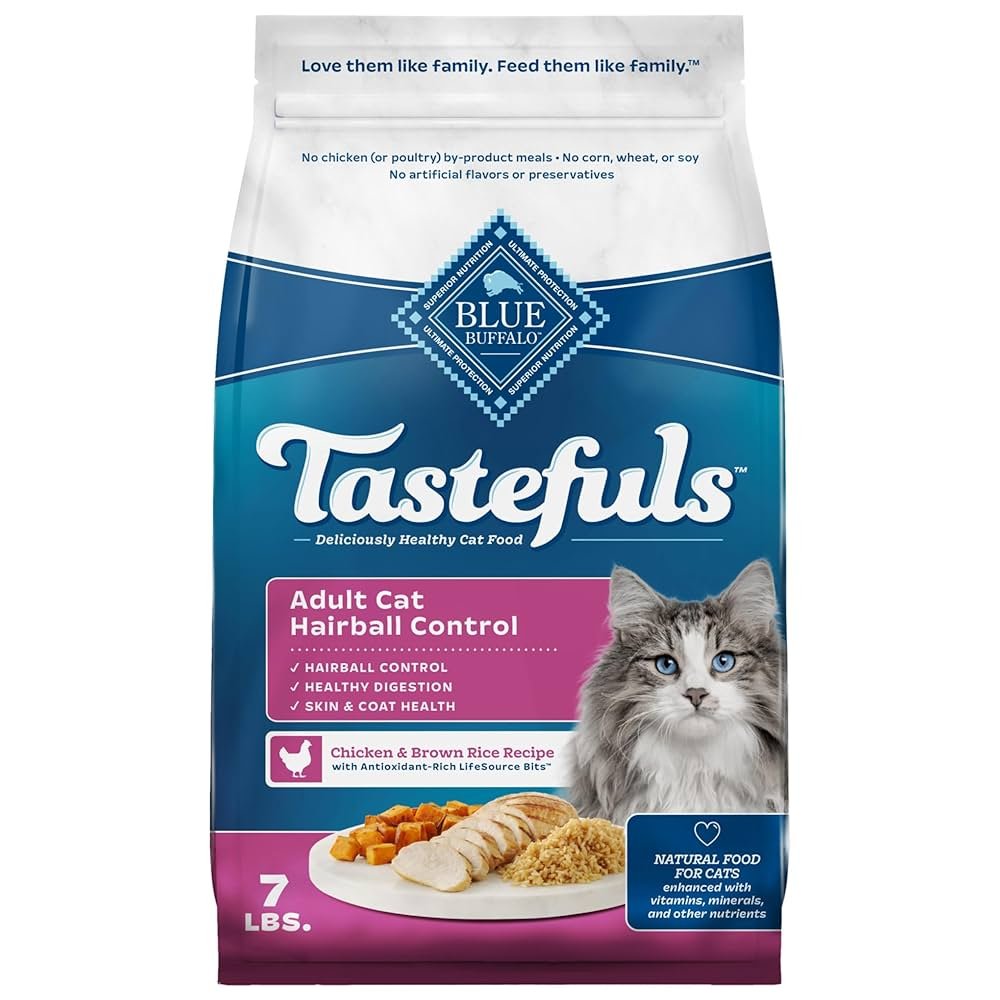
If you have a cat, you know how frustrating hairballs can be—for both you and your furry friend. Those pesky lumps can cause discomfort for your cat and mess up your home.
But what if you could help your cat avoid hairballs altogether? Hairball control cat food is designed to do just that. You’ll discover how the right diet can make a real difference in your cat’s health and happiness. Keep reading to learn what to look for in hairball control cat food and why it matters for your beloved pet.
Credit: www.renspets.com
Understanding Hairballs In Cats
Hairballs in cats can be more than just a minor nuisance. Understanding why they happen and what signs to watch for can help you keep your cat comfortable and healthy. Let’s look closely at what causes hairballs and why you should pay attention to them.
Causes Of Hairballs
Cats groom themselves by licking their fur, which can lead to swallowing loose hair. Most of this hair passes through their digestive system without issue. However, when too much hair accumulates, it forms a hairball inside the stomach.
Long-haired cats or those who shed heavily are often more prone to hairballs. Seasonal changes can increase shedding, making hairballs more frequent. Some cats also groom more when stressed or bored, adding to the problem.
Symptoms And Risks
You might notice your cat coughing or retching frequently, often trying to bring up a hairball. Hairballs can cause discomfort, and if they become stuck, they may lead to digestive blockages.
Look out for signs like loss of appetite, vomiting, or constipation, which could indicate a serious problem. Ignoring these symptoms can put your cat at risk for health issues that require veterinary care.

Credit: www.walmart.ca
Role Of Diet In Hairball Control
Diet plays a crucial role in managing hairballs in cats. What your cat eats can either increase or decrease the frequency of hairballs. By choosing the right food, you can help your feline friend reduce discomfort and maintain a healthier digestive system.
Nutritional Needs Of Cats
Cats need a balanced diet rich in protein, fiber, and moisture. Protein supports their muscle health, while fiber helps move hair through the digestive tract smoothly. Moisture is essential because dry food alone can sometimes make hairballs worse.
Have you noticed your cat’s coat getting dull or shedding more? That might indicate a nutritional gap. Feeding your cat quality food with the right nutrients helps not only with hairball control but overall health.
Special Ingredients For Hairball Reduction
Many hairball control cat foods contain special ingredients designed to reduce hair accumulation in the stomach. Ingredients like psyllium husk and beet pulp add bulk to the stool, which can push hair out naturally.
Omega-3 and omega-6 fatty acids also play a part by improving skin and coat health, reducing excessive shedding. Some formulas include added vitamins and minerals to support digestion and strengthen the gut lining.
Think about the last time your cat had fewer hairballs—was it after switching foods or adding supplements? Choosing a diet that targets hairball reduction can make a noticeable difference in your cat’s comfort and your peace of mind.
Choosing The Right Hairball Control Food
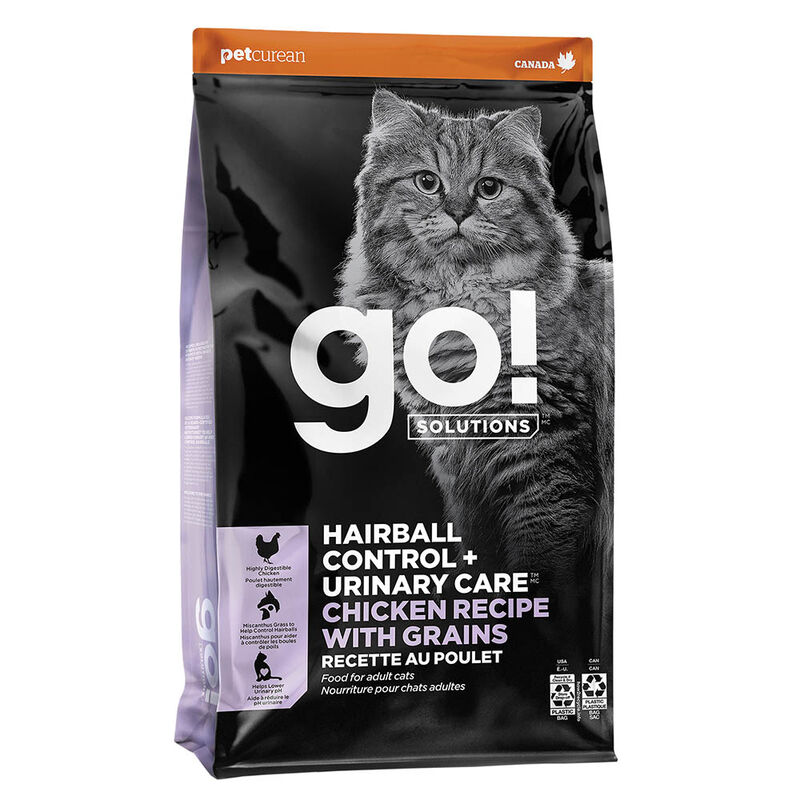
Choosing the right hairball control cat food helps your cat stay healthy and comfortable. Cats groom themselves often, which can lead to hairballs. Special cat food can reduce hairballs by supporting digestion and skin health. Picking the best food means knowing what options exist and what ingredients to avoid or seek.
Wet Vs. Dry Options
Wet cat food has high moisture. It helps keep cats hydrated and supports digestion. The soft texture can be easier for cats to eat and digest. Wet food usually contains fewer carbohydrates and more protein.
Dry cat food is convenient and lasts longer. It helps clean teeth by reducing tartar build-up. Dry kibble is easy to store and measure. Some dry foods contain fiber to help move hair through the digestive system.
Some cat owners mix wet and dry food to get benefits of both. Watch how your cat reacts to each type. Choose food your cat enjoys and digests well.
Reading Labels And Ingredients
Start by checking the first few ingredients. Look for real meat like chicken, turkey, or fish. Avoid foods with too many fillers like corn, wheat, or soy. These fillers add little nutrition and may cause allergies.
Fiber is important for hairball control. Ingredients like beet pulp, oat fiber, or pumpkin help move hair through the gut. Omega-3 and omega-6 fatty acids support skin and coat health, reducing shedding.
Some foods add special ingredients like psyllium husk or cellulose. These help reduce hairballs by improving digestion. Avoid artificial colors, flavors, and preservatives. These can irritate your cat’s stomach.
Check for AAFCO approval. This ensures the food meets basic nutritional standards for cats. Always choose food made for your cat’s life stage, such as kitten, adult, or senior.
Top Brands For Hairball Control
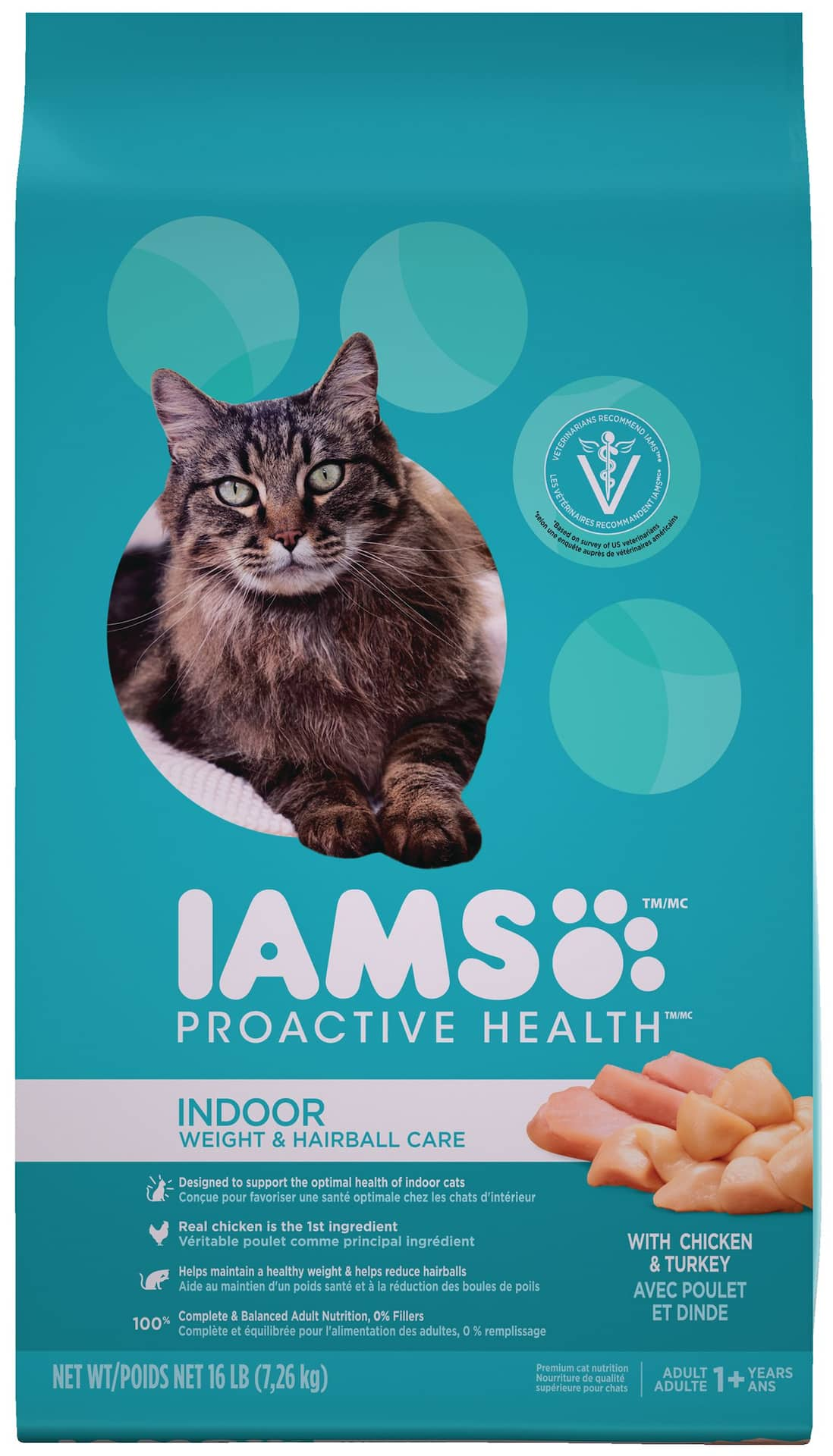
Choosing the right hairball control cat food can make a big difference in your cat’s comfort and health. Top brands focus on ingredients that help reduce hairballs naturally. They also consider taste and nutrition, so your cat stays happy while staying healthy.
Popular Choices In The Market
Some brands stand out for their effective hairball control formulas. Royal Canin Hairball Care offers a balanced diet with fiber that helps move hair through the digestive system. Hill’s Science Diet Hairball Control uses natural fibers and antioxidants to support your cat’s overall well-being.
Another favorite is Blue Buffalo Indoor Hairball Control, which includes pumpkin and barley to promote digestion. These brands often add omega fatty acids, which not only help reduce hairballs but also keep your cat’s coat shiny and soft. Have you noticed how some cats prefer one brand’s taste over another? It’s important to find what your cat enjoys eating.
Customer Reviews And Feedback
Many cat owners report fewer hairballs after switching to these specially formulated foods. One pet parent shared that after trying several brands, their cat responded best to Hill’s Science Diet, showing less coughing and hairball vomiting. Another owner praised Royal Canin for its palatability and visible improvements in their cat’s coat.
However, not all cats react the same way. Some reviews mention that it took a few weeks before they saw results. This makes you wonder: how patient are you willing to be while finding the best food for your cat? Reading multiple reviews helps you set realistic expectations and choose a product that matches your cat’s needs.
Homemade Solutions And Alternatives
Dealing with hairballs can be frustrating for both you and your cat. While commercial hairball control cat foods are effective, sometimes you want to try homemade solutions that give you more control over the ingredients. These alternatives can complement your cat’s diet and provide gentle, natural ways to reduce hairball problems.
Diy Recipes For Hairball Reduction
You can create simple homemade recipes that help your cat pass hairballs more easily. Adding a small amount of canned pumpkin to your cat’s regular food is a popular choice. Pumpkin is rich in fiber, which promotes healthy digestion and can reduce hairball buildup.
Another option is mixing a teaspoon of olive oil or fish oil into their meals. This helps lubricate your cat’s digestive tract, making it easier for hair to move through. Always start with a small amount to avoid upsetting their stomach.
Have you ever noticed your cat licking more after eating a certain treat? Sometimes adding a bit of wet food with a smooth texture encourages hydration, which also aids digestion. Try mixing wet and dry food to see if it helps minimize hairball formation.
Natural Supplements And Remedies
Natural supplements can be an effective way to support hairball control without harsh chemicals. Psyllium husk powder is a gentle fiber supplement that you can sprinkle over your cat’s food. It helps bulk up the stool and assists with passing hairballs.
Some cat owners find that adding a small amount of aloe vera juice (safe for pets) to their cat’s water bowl improves their digestive health. Aloe vera has soothing properties that may reduce irritation caused by hairballs. Always consult your vet before introducing new supplements.
Have you tried brushing your cat regularly? This simple habit removes loose fur before it gets swallowed. Combining grooming with natural remedies creates a powerful defense against hairballs, making life more comfortable for your furry friend.
Additional Tips For Managing Hairballs
Managing hairballs goes beyond just choosing the right cat food. Small daily habits play a big role in reducing hairball issues. These simple steps help keep your cat comfortable and healthy.
Regular Grooming Practices
Brushing your cat often removes loose fur before they swallow it. Use a soft brush made for cats to avoid hurting their skin. Grooming also strengthens the bond between you and your pet. Short-haired cats benefit from brushing twice a week. Long-haired cats need daily grooming to prevent knots and mats. Regular grooming cuts down the amount of fur inside your cat’s stomach.
Hydration And Its Importance
Water helps move swallowed fur through the digestive system. Cats often do not drink enough water on their own. Encourage drinking by placing fresh water bowls around the home. Consider a cat water fountain to attract their interest. Wet cat food can also boost your cat’s daily water intake. Proper hydration keeps the digestive tract working smoothly. This reduces the chance of hairballs forming and causing discomfort.
Credit: www.canadiantire.ca
Frequently Asked Questions
What Is Hairball Control Cat Food?
Hairball control cat food is specially formulated to reduce hairball formation. It contains fiber and nutrients that help cats digest ingested hair. This food supports digestive health and minimizes hairball discomfort.
How Does Hairball Control Cat Food Work?
This cat food uses fiber to move swallowed hair through the digestive tract. It prevents hair from accumulating in the stomach. The formula often includes ingredients that promote healthy skin and coat, reducing shedding.
Can Hairball Control Cat Food Prevent All Hairballs?
While it reduces hairball frequency, it may not eliminate all hairballs. Regular grooming combined with this food improves results. Some cats may still cough up occasional hairballs despite dietary support.
Is Hairball Control Cat Food Safe For All Cats?
Yes, it is generally safe for most cats. However, consult your vet if your cat has special health conditions. Always introduce new food gradually to avoid digestive upset.
Conclusion
Choosing the right hairball control cat food helps keep your cat healthy. It reduces hairballs and supports digestion. Cats enjoy tasty meals that also protect their fur. Feeding the right food shows you care for your pet. Watch your cat feel better and stay active.
Healthy cats mean happy homes. Try a quality hairball control cat food today. Your cat deserves the best care every day.
