

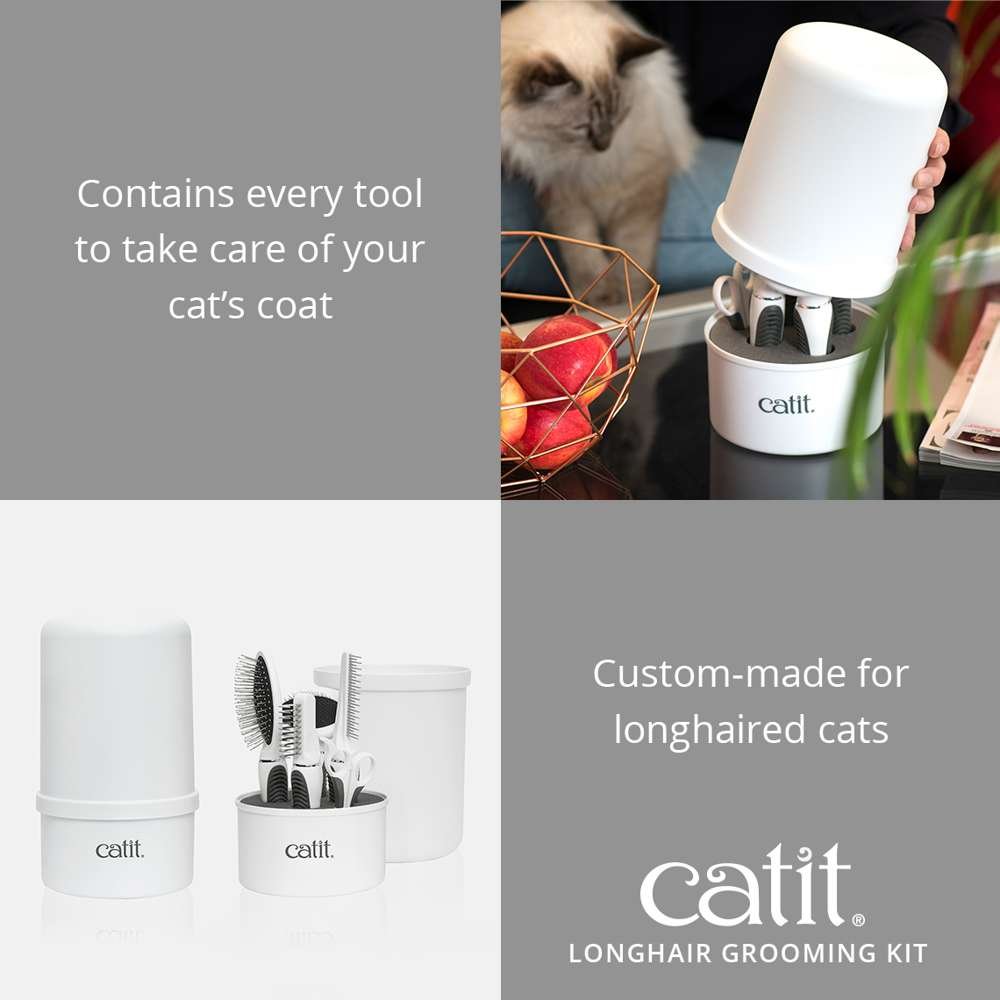
If you have a long-haired cat, you know how important it is to keep their fur smooth and tangle-free. But finding the right grooming tools can be tricky.
You want something that makes grooming easy, comfortable, and effective for both you and your furry friend. You’ll discover the best grooming tools designed specifically for long-haired cats. By the end, you’ll feel confident in choosing the perfect tools to keep your cat’s coat shiny, healthy, and beautiful—without the stress.
Ready to make grooming a breeze? Let’s dive in!
Choosing The Right Brush
Choosing the right brush for your long-haired cat can make a huge difference in maintaining their coat’s health and beauty. The right tool not only removes tangles and loose hair but also keeps your cat comfortable during grooming sessions. Let’s look at some popular brush types and what makes them suitable for your feline friend.
Slicker Brushes
Slicker brushes have fine, short wires close together on a flat surface. They are excellent for detangling mats and removing loose fur from thick coats. If your cat has heavy undercoat or tends to get mats, a slicker brush is a must-have.
I once struggled with my long-haired cat’s stubborn mats until I switched to a slicker brush. It made brushing less painful for her and much easier for me. Would you like to reduce your cat’s grooming time while keeping their fur smooth? This brush can help.
Pin Brushes
Pin brushes feature widely spaced pins with rounded tips on a cushioned base. They work well for smoothing the coat and removing loose hair without scratching your cat’s skin. This brush is ideal for everyday grooming to keep your cat’s fur looking neat.
If your cat is sensitive to grooming, the gentle feel of a pin brush can help them relax. I noticed my cat enjoyed brushing more when I used a pin brush after every meal. What if your grooming sessions could become bonding moments rather than battles?
Bristle Brushes
Bristle brushes have soft, natural or synthetic bristles that distribute natural oils throughout the coat. They add shine and remove surface dirt but don’t work well on mats or thick undercoat. Use them as a finishing brush after detangling with a slicker or pin brush.
After trying different brushes, I found that finishing with a bristle brush gave my cat’s coat a healthy glow. It’s a simple step that elevates grooming from basic maintenance to a spa-like experience. How often do you treat your cat’s fur to this extra care?

Credit: www.amazon.ca
Combs For Detangling
Combs for detangling are essential tools for long haired cats. They help remove knots gently and keep fur smooth. Choosing the right comb prevents pulling and discomfort. Regular use makes grooming easier and improves your cat’s coat health.
Wide-toothed Combs
Wide-toothed combs have spaced teeth that glide through thick fur. They work well on large tangles without hurting the skin. These combs break up mats gently and reduce fur damage. Use them first to loosen tough knots before finer combing.
Fine-toothed Combs
Fine-toothed combs have closely spaced teeth to catch small tangles. They smooth the fur after wide-toothed combing. These combs help remove loose hair and dirt. Use them carefully to avoid pulling on sensitive areas.
Dematting Tools
Dematting tools are essential for keeping your long-haired cat comfortable and their coat healthy. These tools help you gently remove tough mats and tangles that regular brushes can’t handle. Using the right dematting tool can save both you and your cat a lot of stress during grooming sessions.
Mat Splitters
Mat splitters are designed to break apart thick mats without pulling on your cat’s skin. They have sharp, comb-like edges that cut through dense fur gently and safely. If your cat has stubborn mats, a mat splitter can make the process quicker and less painful.
When using a mat splitter, always work slowly and carefully. Start at the edges of the mat and gradually work inward. This approach helps avoid hurting your cat and prevents sudden tugs that might scare them.
Dematting Combs
Dematting combs are perfect for loosening smaller tangles and preventing mats from forming again. They usually feature wide-spaced, strong teeth that glide through fur without causing discomfort. Using a dematting comb regularly keeps your cat’s coat smooth and reduces grooming time.
Try combing your cat’s fur in sections, focusing on problem areas like behind the ears and under the legs. You’ll notice how much easier it becomes to maintain a mat-free coat. Have you noticed your cat’s mood improve after a gentle grooming session?
Nail Care Essentials
Nail care is a key part of grooming long-haired cats. Their nails can grow sharp and long, causing discomfort or damage. Regular trimming keeps nails healthy and prevents scratches. It also protects your furniture and skin.
Choosing the right tools makes nail care easier and safer. Two essentials are clippers and nail files. Each tool has a specific role in maintaining your cat’s nails.
Clippers
Clippers are designed to trim cat nails quickly and cleanly. Use sharp, small-sized clippers made for pets. Avoid using human nail clippers; they can crush nails.
- Choose guillotine or scissor-style clippers.
- Hold your cat’s paw gently but firmly.
- Trim only the sharp tip, avoiding the pink quick.
- Cut in small sections to avoid splintering.
Regular clipping prevents nails from curling into the paw pads. It also reduces the risk of broken nails and infections.
Nail Files
Nail files smooth the edges after clipping. They remove sharp points that can catch on fabric or skin. Files come in manual or electric types.
- Manual files are gentle and easy to control.
- Electric files work faster but need careful use.
- File in one direction to avoid nail damage.
- Use light pressure to prevent discomfort.
Filing keeps nails neat and less likely to cause scratches. It is especially useful for cats that dislike clipping.
Bathing Supplies
Bathing a long-haired cat can be a challenge, but having the right bathing supplies makes all the difference. The key is to choose products that protect your cat’s delicate skin and thick fur while making the process smoother for both of you. Let’s look at the essentials that will keep your cat clean and comfortable.
Cat-friendly Shampoos
Not all shampoos are safe for cats, especially those with long hair. You want a shampoo that gently cleans without stripping natural oils. Look for formulas labeled specifically for cats or kittens—they tend to be milder and free of harmful chemicals.
I once used a dog shampoo on my long-haired cat and quickly learned it caused skin irritation. Since switching to a cat-specific shampoo, bath time is less stressful, and his coat stays soft and shiny.
- Choose shampoos with natural ingredients like aloe vera or oatmeal for soothing effects.
- Avoid shampoos with artificial fragrances or dyes which can irritate sensitive skin.
- Consider hypoallergenic options if your cat has allergies or sensitive skin.
Conditioners
After shampooing, a good conditioner helps detangle and moisturize your cat’s long fur. It reduces mats and makes brushing easier, which is crucial for preventing painful knots. Some conditioners also add a protective layer to keep fur healthy between baths.
Try a leave-in conditioner spray designed for cats if your pet resists rinsing. This makes grooming less stressful and keeps the coat manageable. Remember, a well-conditioned coat means fewer hairballs and less shedding around your home.
- Look for conditioners that are lightweight and non-greasy.
- Use conditioners with ingredients like coconut oil or shea butter for extra moisture.
- Always rinse thoroughly unless using a leave-in product to avoid buildup.

Credit: catit.ca
Additional Grooming Accessories
Taking care of a long-haired cat means going beyond just brushes and combs. Additional grooming accessories can make a big difference in keeping your cat comfortable and healthy. These tools help you reach areas that often get overlooked and can turn grooming into a more enjoyable experience for both of you.
Grooming Gloves
Grooming gloves are a fantastic option if your cat dislikes traditional brushes. They fit over your hand like a glove and have soft rubber tips that gently remove loose fur. While petting your cat, you can simultaneously reduce shedding and prevent hairballs.
I once tried a grooming glove on my very shy long-haired cat. Instead of running away, she relaxed and even purred as I massaged her. Have you noticed how some cats respond better to touch than tools? This glove might be the answer if your cat is sensitive or fidgety during grooming.
Ear And Eye Cleaning Tools
Long-haired cats often have fur around their eyes and ears that traps dirt and moisture. Specialized ear and eye cleaning tools help you safely clean these delicate areas without causing discomfort. Using soft cotton swabs, pads, or gentle wipes designed for pets can prevent infections and irritations.
Remember, your cat’s comfort is key. Never use harsh chemicals or rough materials near their eyes or ears. Instead, choose products made specifically for pets, and keep the sessions short but regular. Would you want to deal with painful ear infections that could have been avoided with a simple cleaning routine?
Tips For Effective Grooming Sessions
Grooming long-haired cats can be a rewarding experience for both you and your feline friend. It takes patience and the right approach to make these sessions smooth and enjoyable. Here are some practical tips to help you master effective grooming that keeps your cat comfortable and their coat shiny.
Establishing A Routine
Consistency is key. Set a specific time each day or every other day for grooming to help your cat get used to the process.
Start with short sessions—just a few minutes—and gradually increase the time as your cat becomes more comfortable. This steady approach helps reduce stress and builds trust.
Consider combining grooming with playtime or treats. This positive association encourages your cat to look forward to brushing rather than resist it.
Handling Resistant Cats
Not every cat will enjoy grooming right away. If your cat resists, avoid forcing them, which can cause fear or aggression.
Try breaking grooming into small steps. Begin by gently touching your cat’s fur with your hand before introducing the brush.
Use calming techniques, like soft talking or gentle petting, to soothe your cat. Sometimes, a quiet room with minimal distractions makes a big difference.
Have you noticed which spots your cat likes being touched? Focus on those areas first to build comfort before tackling trickier zones.

Credit: www.amazon.com
Frequently Asked Questions
What Are The Best Grooming Tools For Long-haired Cats?
The best grooming tools include slicker brushes, wide-toothed combs, and dematting tools. These help remove tangles, loose fur, and prevent mats effectively.
How Often Should I Groom My Long-haired Cat?
Groom your long-haired cat at least 3-4 times a week. Frequent grooming reduces mats, shedding, and keeps their coat healthy.
Can Grooming Tools Prevent Hairballs In Cats?
Yes, regular grooming removes loose fur, reducing hair ingestion. This helps prevent hairballs and improves your cat’s digestive health.
Which Grooming Tool Is Safest For Sensitive Cat Skin?
Soft-bristle brushes and rubber grooming gloves are safest for sensitive skin. They gently remove loose hair without causing irritation or discomfort.
Conclusion
Choosing the right grooming tools helps keep long-haired cats healthy. Regular brushing stops mats and reduces shedding. Soft brushes and combs protect their delicate fur. Gentle care makes grooming a calm time for both. Clean tools and patience improve every session.
Happy cats mean happy owners, too. Start with simple tools and learn what suits your cat best. Good grooming builds trust and keeps fur silky. Small steps lead to big results in cat care.
