

Are you looking to keep your cat looking sharp and feeling comfortable? Grooming is more than just a chore—it’s a way to show love and care for your furry friend.
But with so many grooming styles out there, how do you choose what’s best for your cat? Whether your kitty has long, flowing fur or a sleek, short coat, the right grooming style can make a big difference in their health and happiness.
You’ll discover easy grooming tips and stylish looks that suit your cat’s personality and needs. Ready to transform your cat’s grooming routine? Let’s dive in!
Popular Cat Grooming Styles
Choosing the right grooming style for your cat can make a big difference in their comfort and appearance. Popular cat grooming styles range from practical trims to fun, stylish cuts. Each style suits different needs, coat types, and climates, so understanding these options helps you pick what fits your cat best.
The Lion Cut
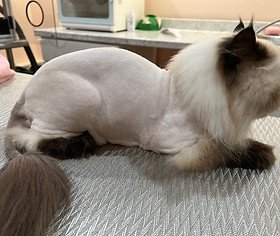
The Lion Cut leaves the fur short on the body while keeping a mane around the neck and a tuft on the tail. This style helps reduce shedding and keeps your cat cool without losing their majestic look. It’s perfect if your cat has thick fur that mats easily, but still wants to keep a bit of flair.
The Teddy Bear Cut
This cut trims the fur evenly all over, giving your cat a soft, fluffy appearance much like a teddy bear. It’s great for cats who need regular grooming but look adorable with a rounded, plush look. If your cat has a friendly personality, this style can highlight their cuddly side.
The Summer Trim
A Summer Trim is a light trim that shortens the fur just enough to help your cat stay cool during hot months. It’s less dramatic than a full shave but still effective in managing heat and reducing shedding. This style works well for cats who dislike extensive grooming sessions but need relief from summer heat.
Full Body Shave
The Full Body Shave removes almost all fur, giving your cat a completely bare look. This can be helpful for cats with severe matting or skin issues, but it requires careful aftercare to protect their skin. Before choosing this style, consider if your cat will tolerate the change and if you can provide extra sun protection.
Natural Long Hair
Some owners prefer to keep their cat’s long hair natural and only remove mats and tangles as needed. This style requires regular brushing but preserves the cat’s natural beauty. Have you noticed how gentle daily grooming can build trust and make your cat feel cared for?

Credit: www.fancypantscatgrooming.com
Choosing The Right Style
Choosing the right grooming style for your cat goes beyond just making them look good. It impacts their health, comfort, and even behavior. Understanding what suits your cat’s unique needs will make grooming a positive experience for both of you.
Considering Your Cat’s Breed
Different breeds have different grooming requirements. Long-haired cats like Persians need more frequent brushing and trimming to avoid mats and tangles.
Short-haired breeds such as the American Shorthair require less maintenance but still benefit from occasional grooming to reduce shedding. Think about your cat’s fur type and typical grooming needs before choosing a style.
Have you noticed how some breeds handle grooming better than others? That’s a clue to what style might work best for your furry friend.
Seasonal Grooming Needs
Season changes affect your cat’s coat. In warmer months, trimming excess fur can help your cat stay cool and prevent overheating.
During colder months, keeping some length in the fur provides natural insulation. Adjust the grooming style according to the season for your cat’s comfort.
Consider short trims in summer versus fuller coats in winter. Does your cat seem more comfortable with less fur during hot days?
Cat’s Personality And Comfort
Your cat’s behavior should guide your grooming approach. Some cats tolerate grooming well, while others get stressed easily.
If your cat is anxious, opt for simpler styles that require less frequent grooming. You want to avoid causing unnecessary stress or discomfort.
Observe how your cat reacts during grooming sessions. Are they calm or restless? This insight helps you pick a style that suits their personality and keeps them happy.
Essential Grooming Tools
Having the right grooming tools can make all the difference in keeping your cat comfortable and looking their best. Essential grooming tools not only help you maintain your cat’s coat but also prevent skin issues and reduce shedding. Investing in quality tools tailored to your cat’s specific needs saves time and stress for both of you.
Brushes And Combs
Choosing the right brush or comb depends on your cat’s fur type. A slicker brush works well for long-haired cats to remove tangles and loose hair, while a bristle brush suits short-haired breeds by distributing natural oils evenly.
Combs are perfect for spotting fleas and checking for mats. Using a metal comb with fine teeth can help you get through thick fur gently. Have you noticed how a good brushing session can turn grooming into bonding time?
Clippers And Scissors
Clippers are a must if your cat has thick fur that mats easily. Opt for quiet, low-vibration clippers to keep your cat calm during trimming. Scissors with rounded tips are safer for delicate areas like around the face and paws.
Never rush clipping; slow and steady prevents accidents. If your cat resists, short sessions over multiple days work better than one long ordeal. Have you prepared your tools and environment to create a calm space for grooming?
Nail Trimmers
Keeping your cat’s nails trimmed reduces the risk of scratches and furniture damage. Use a trimmer designed specifically for cats, which offers better control and safety.
Trim just the tip of the nail to avoid hitting the quick, which can cause pain and bleeding. Regular nail checks every two weeks can make this task easier and less stressful. Are you confident in spotting the quick before trimming?
Bathing Supplies
Bathing isn’t always necessary, but when it is, having the right supplies makes a huge difference. Use a cat-specific shampoo that matches your cat’s skin type to avoid irritation.
Gather a non-slip mat, a cup for rinsing, and towels before you start. Water temperature should be lukewarm to keep your cat comfortable. How do you prepare your space to make bath time less intimidating?
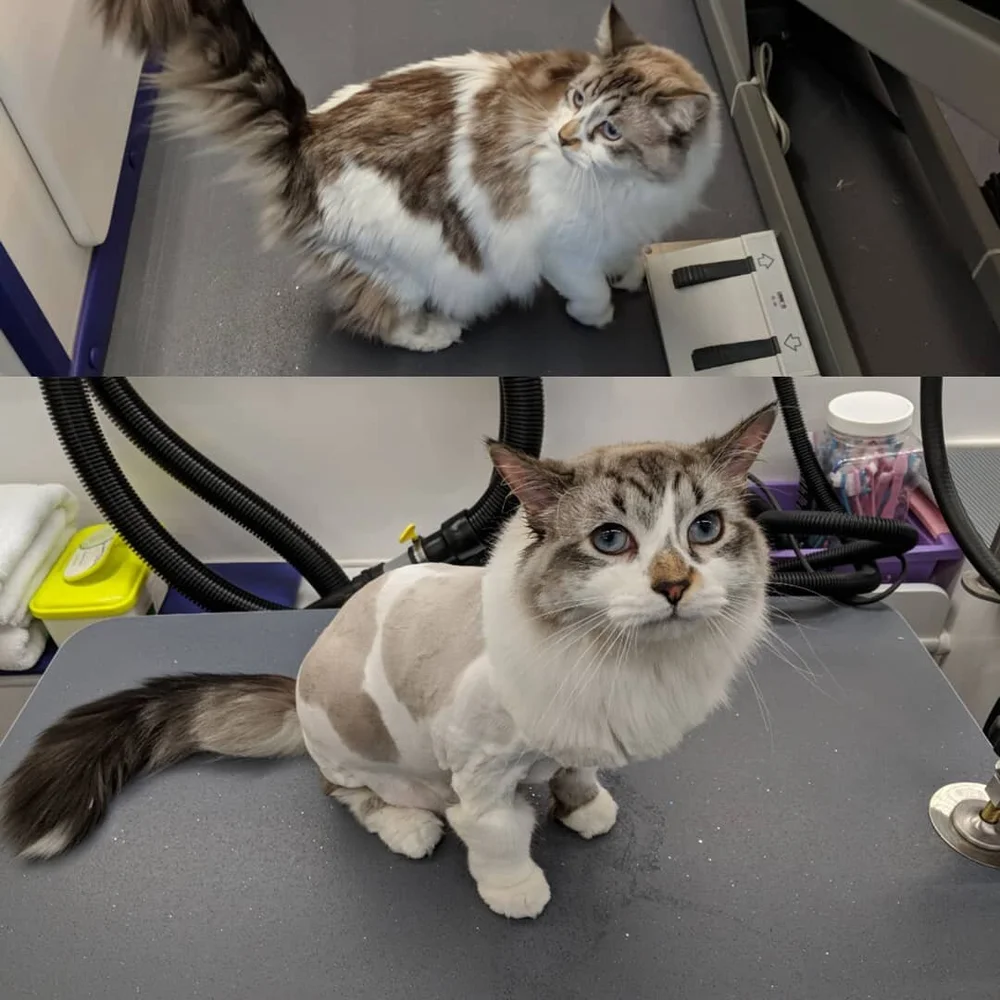
Credit: www.squeakycleangrooming.com
Step-by-step Grooming Process
Grooming your cat can be a rewarding experience for both of you. It’s not just about keeping your feline friend looking good; it’s about maintaining their health and comfort. The process can seem tricky, but breaking it down into clear steps makes it manageable and even enjoyable.
Preparing Your Cat
Start by creating a calm environment where your cat feels safe. Choose a quiet room and gather all your grooming tools beforehand—brush, comb, nail clippers, and towels.
Spend a few minutes petting and talking softly to your cat. This helps reduce anxiety and builds trust, making the grooming smoother.
Brushing And Detangling
Use a brush suitable for your cat’s fur type. For short-haired cats, a rubber brush works well, while long-haired cats need a wide-toothed comb to gently remove tangles.
Brush in the direction of hair growth with gentle strokes. If you find mats, hold the fur close to the skin to avoid pulling and carefully tease them apart.
Bathing Tips
Bathing isn’t always necessary, but if your cat is especially dirty or has skin issues, it can help. Use lukewarm water and a shampoo made specifically for cats.
Support your cat’s body and avoid getting water in their ears and eyes. Rinse thoroughly to prevent residue, which can irritate their skin.
Trimming And Styling
Trim nails carefully using cat nail clippers, avoiding the pink quick inside the nail. If your cat tolerates it, light trimming of fur around the paws and rear can keep them clean.
For styling, keep it simple and natural. Over-styling can stress your cat and isn’t necessary for their well-being.
Post-grooming Care
After grooming, reward your cat with treats or playtime to create a positive association. Check their skin for any redness or irritation that might need attention.
Regular grooming sessions help you spot health issues early, such as lumps or parasites. How often do you check your cat’s coat and skin for changes?
Handling Grooming Challenges
Handling grooming challenges with your cat can feel tricky, but understanding the root causes helps you stay calm and effective. Cats have unique needs, and tackling issues like matting, sensitive skin, and anxiety requires patience and the right techniques. Let’s break down these common hurdles so you can keep your feline friend comfortable and looking their best.
Dealing With Matting
Mats form when your cat’s fur gets tangled and clumped, often due to lack of regular brushing or shedding. You can’t just pull mats out; it hurts your cat and can damage their skin. Instead, use a dematting comb or gentle scissors designed for pet grooming.
If the mats are severe, try applying a bit of conditioner or detangling spray made for cats before brushing. Take your time—work in small sections and hold the fur close to the skin to avoid tugging. Have you noticed certain times when mats form more often? Spotting patterns can help you prevent them.
Managing Sensitive Skin
Cats with sensitive skin need extra gentle care. Harsh brushes or shampoos can cause irritation or redness. Choose grooming tools with soft bristles and fragrance-free, hypoallergenic grooming products.
Observe your cat’s skin during grooming for any signs of discomfort, like scratching or flinching. If you see redness, give the area a break and consult your vet. You might also find that shorter, more frequent grooming sessions work better than long ones to keep skin calm.
Calming Anxious Cats
Many cats get nervous during grooming, making the process stressful for both of you. Creating a calm environment helps—try grooming in a quiet room with soft lighting. Speak in a soothing voice and offer treats to build positive associations.
Start with short sessions and gradually increase the time as your cat becomes more comfortable. If your cat resists, pause and try again later. Have you tried using pheromone sprays or calming collars? These can sometimes reduce anxiety and make grooming easier.
Professional Grooming Services
Professional grooming services help keep cats clean and healthy. Groomers have the tools and skills to care for your cat’s coat properly. They handle difficult tasks like nail trimming and ear cleaning. These services reduce shedding and prevent matting. Many cats enjoy the gentle touch and attention from a groomer.
When To Seek Help
Choose professional grooming if your cat has thick or long fur. Cats with mats or tangles need expert care to avoid pain. Older or sick cats may require gentle grooming to stay comfortable. If your cat hates being brushed at home, a groomer can help. Regular grooming helps prevent skin problems and keeps your cat happy.
Choosing A Groomer
Look for groomers with experience in cat care. Ask about their methods and how they handle scared cats. Check reviews or get recommendations from your vet or friends. Make sure the grooming place is clean and safe. Confirm they use gentle products made for cats. A good groomer will be patient and calm with your pet.
What To Expect During A Grooming Session
- Initial check-up to see your cat’s coat and skin condition.
- Brushing to remove loose hair and prevent mats.
- Bathing with mild cat shampoo if needed.
- Nail trimming to avoid scratches and damage.
- Ear cleaning to reduce infections.
- Drying with towels or gentle blow dryers.
- Final inspection to ensure your cat looks and feels great.
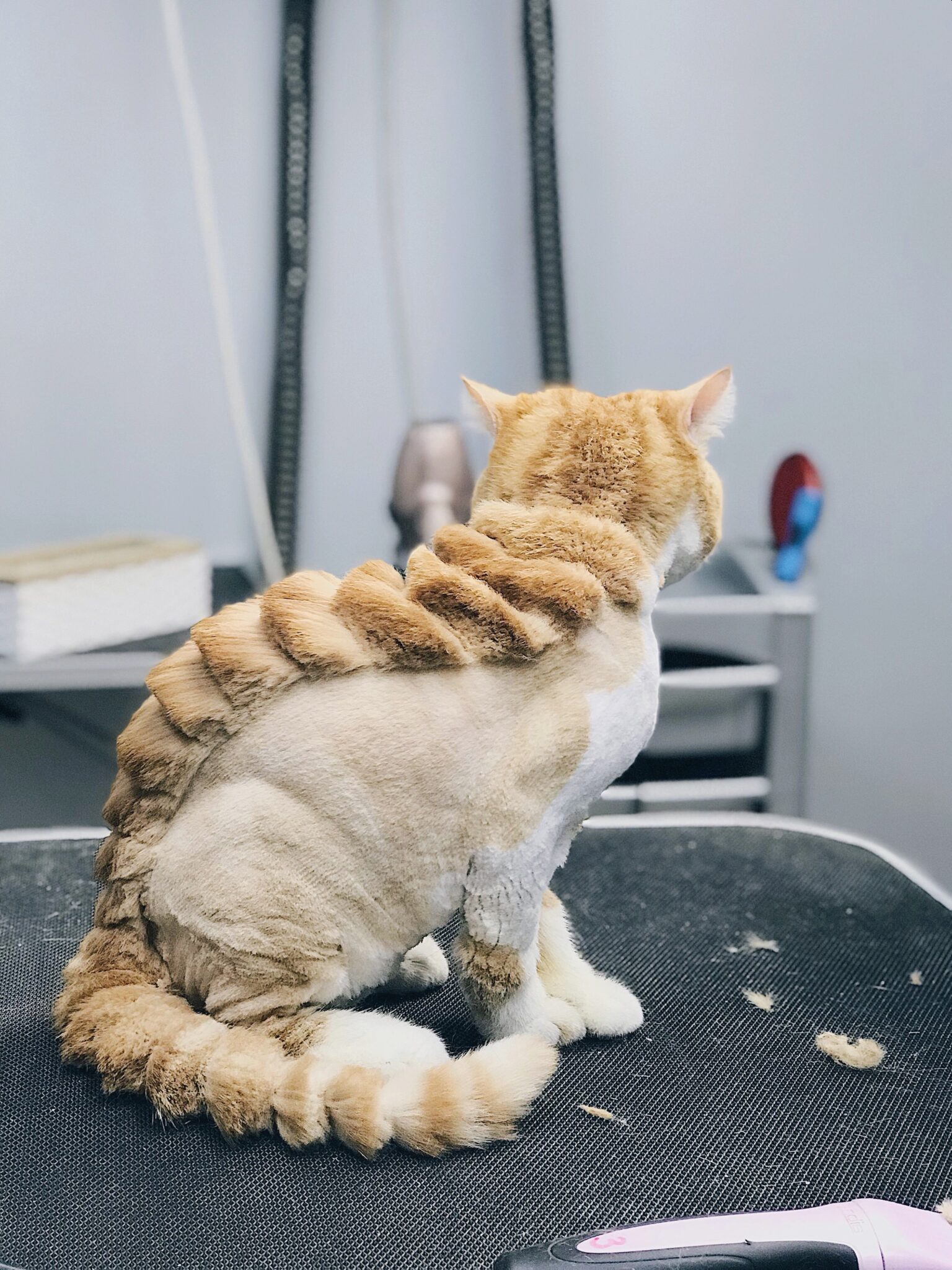
Credit: vogdog.com
Frequently Asked Questions
What Are The Most Popular Grooming Styles For Cats?
Popular grooming styles include the lion cut, teddy bear cut, and kitten cut. Each style suits different cat breeds and coat types. These styles help maintain hygiene, reduce shedding, and prevent matting. Choosing the right style depends on your cat’s fur length and lifestyle.
How Often Should Cats Be Professionally Groomed?
Cats should be professionally groomed every 4 to 8 weeks. Regular grooming prevents mats, reduces shedding, and keeps skin healthy. Long-haired cats may need more frequent grooming. Scheduling consistent sessions supports your cat’s comfort and overall well-being.
Can Grooming Styles Affect A Cat’s Health?
Yes, proper grooming styles improve a cat’s health by preventing mats and skin issues. Grooming helps detect parasites and infections early. It also reduces hairballs and discomfort. Always use safe grooming practices and consult a vet if unsure.
What Grooming Tools Are Best For Different Cat Styles?
For long-haired cats, use slicker brushes and wide-tooth combs. Short-haired cats benefit from rubber brushes and grooming gloves. Clippers and scissors are essential for trims like the lion cut. Choosing the right tools ensures effective and safe grooming.
Conclusion
Choosing the right grooming style keeps your cat healthy and happy. Regular brushing prevents mats and reduces shedding. Simple trims can help manage long fur and avoid tangles. Keep nails short to protect furniture and skin. Clean ears and eyes gently to avoid infections.
Each cat needs a style that fits their fur and personality. Spend time grooming to build trust and bond with your pet. A little care goes a long way in cat grooming. Your cat will feel more comfortable and look great too.
