

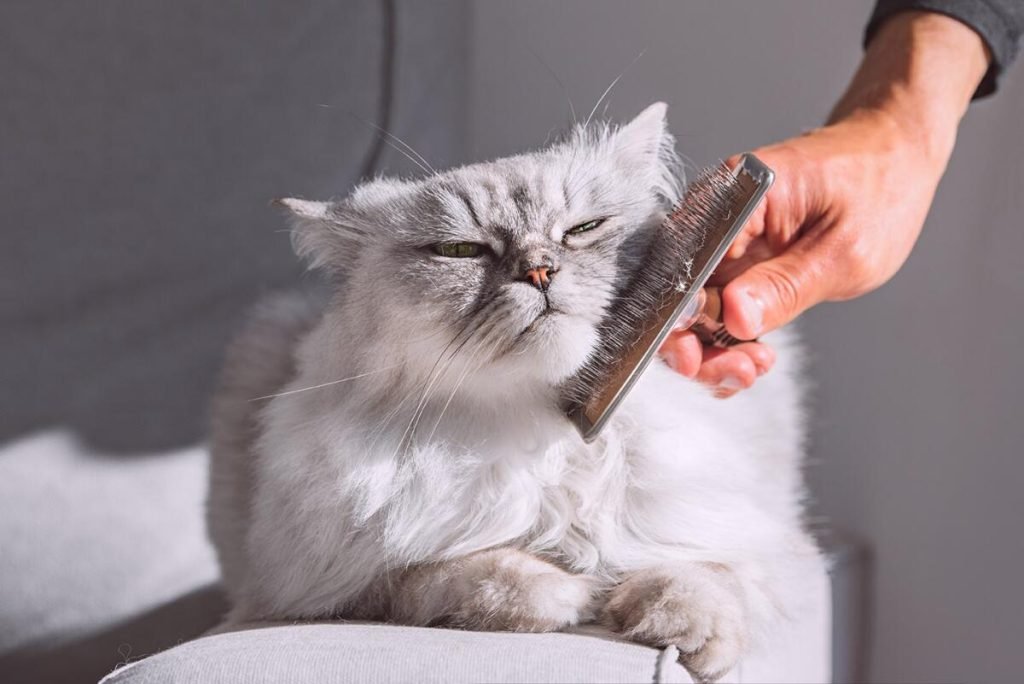
If you have a long-haired cat, you know how beautiful and soft their fur can be. But with that beauty comes a challenge: grooming.
Without the right care, your cat’s fur can become tangled, matted, and uncomfortable. You want your furry friend to look and feel their best, and you want grooming to be a calm, easy process for both of you. You’ll discover simple tips and tricks to keep your long-haired cat’s coat healthy and shiny.
By the end, you’ll feel confident and ready to make grooming a stress-free part of your routine. Keep reading to learn how to make your cat’s coat a source of pride and comfort.
Choosing The Right Tools
Choosing the right grooming tools for your long-haired cat can make all the difference in maintaining a healthy, shiny coat. The right equipment not only saves time but also keeps your cat comfortable and stress-free during grooming sessions. Let’s look at the essential tools that every cat owner should consider.
Combs And Brushes
Investing in quality combs and brushes is crucial. A wide-toothed comb helps gently detangle mats without pulling your cat’s fur painfully. Meanwhile, a slicker brush removes loose hair and dirt effectively, preventing hairballs and skin irritation.
Try using a combination of both to cover different grooming needs. Notice how your cat reacts—some prefer softer bristles, while others tolerate firmer ones better. Have you ever seen your cat relax when you find the perfect brush?
Clippers And Scissors
Sometimes trimming is necessary, especially around sensitive areas like paws and ears. Clippers designed specifically for pets offer a safer, quieter option, reducing your cat’s anxiety. Scissors with rounded tips are perfect for precise cuts without risking injury.
Choose tools with ergonomic handles to reduce hand fatigue during longer sessions. Remember, sharp blades make cleaner cuts and prevent snagging. How comfortable do you feel handling these tools around your cat?
Detanglers And Shampoos
Detangling sprays help loosen stubborn knots and make brushing smoother. Look for formulas that are safe and gentle on your cat’s skin. A hydrating shampoo with natural ingredients can soothe dry skin and enhance your cat’s coat shine.
Always test new products on a small area first to avoid allergic reactions. Have you considered how different shampoos affect your cat’s fur texture? Finding the right one can turn grooming into a pleasant ritual.
Daily Grooming Routine
Keeping your long-haired cat looking and feeling their best means committing to a daily grooming routine. This isn’t just about beauty; it’s about health and comfort too. Daily care helps prevent painful mats, reduces shedding, and keeps your cat relaxed and happy.
Brushing Techniques
Use a wide-toothed comb or a slicker brush to gently detangle your cat’s fur. Start at the head and work your way down, following the direction of hair growth. Be patient and gentle—rushing can hurt your cat and make grooming stressful for both of you.
Try to brush for 5 to 10 minutes each day. Notice how your cat responds and adjust your pace accordingly. If you find loose hair, remove it carefully to avoid pulling on the skin.
Checking For Mats
Mats can form quickly in long fur, especially behind the ears, under the legs, and around the neck. Run your fingers through your cat’s coat to feel for any tight knots or clumps. If you find a mat, don’t pull hard; instead, use your fingers or a mat splitter to gently loosen it.
Ask yourself—how often do you check these trouble spots? Catching mats early saves your cat from discomfort and avoids painful grooming sessions later. It’s easier to prevent mats than to deal with them once they’re set.
Cleaning Ears And Eyes
Daily grooming is a great time to check your cat’s ears and eyes. Use a soft, damp cloth or a vet-approved wipe to gently clean any dirt or discharge. Avoid using cotton swabs inside the ear canal to prevent injury.
Look for redness, swelling, or unusual smells—these could signal infection. Keeping these areas clean can reduce health problems and keep your cat feeling fresh every day.
Bathing Tips
Bathing long haired cats can be tricky but rewarding. Proper bathing helps keep their coat clean and healthy. It also reduces mats and tangles. Preparation and gentle handling make the process easier for both you and your cat.
Preparing Your Cat
Start by brushing your cat thoroughly. Remove any mats or loose fur before the bath. Use a calm voice to soothe your cat. Choose a warm, quiet room for bathing. Gather all supplies beforehand: shampoo, towels, and a cup for rinsing. Trim your cat’s nails to avoid scratches. Place a non-slip mat in the sink or tub for safety.
Safe Shampooing Methods
Use shampoo made specifically for cats. Avoid human or dog shampoos as they may irritate the skin. Wet your cat gently with lukewarm water. Keep water away from the eyes and ears. Apply a small amount of shampoo and massage softly. Rinse thoroughly to remove all soap. Repeat if necessary, but avoid over-bathing.
Drying Without Stress
Wrap your cat in a soft, absorbent towel immediately after the bath. Gently pat dry, avoiding rough rubbing. Use a second towel if needed. If your cat tolerates it, use a hairdryer on the lowest setting. Keep the dryer moving and maintain a safe distance. Let your cat dry in a warm, draft-free room. Offer treats and praise to create a positive experience.

Credit: catit.ca
Handling Mats And Tangles
Mats and tangles cause discomfort for long-haired cats. They pull on the skin and trap dirt. Handling these carefully keeps your cat happy and healthy. Regular attention prevents serious problems. Use gentle tools and patience for best results.
Preventing Mats
Brush your cat daily to stop mats forming. Focus on areas behind ears, under legs, and near the tail. Use a wide-toothed comb for loose fur. Check for dirt or debris that can cause tangles. Keep your cat’s coat clean and dry after baths. Regular grooming reduces shedding and mat risk.
Removing Tangles Safely
Start by holding the fur close to the skin. This reduces pulling and pain. Use a detangling spray made for cats. Gently work through tangles with your fingers first. Then use a wide-toothed comb to loosen knots. Cut mats only if necessary and with care. Avoid yanking or pulling hard on fur.
When To Seek Professional Help
Look for mats that cover large areas or are tight against skin. If your cat shows signs of pain or distress, stop grooming. Professional groomers have special tools and skills. They can remove mats safely without hurting your cat. Seek help if you notice skin irritation or bleeding under mats.
Maintaining Healthy Skin And Coat
Maintaining healthy skin and coat is essential for long-haired cats. Their thick fur needs extra care to stay soft and shiny. Healthy skin prevents itching and hair loss. Regular grooming alone is not enough. Nutrition, hydration, and skin checks play a big role in keeping your cat comfortable and beautiful.
Balanced Diet For Fur Health
A balanced diet supports strong fur and skin. Cats need proteins and fats from animal sources. These nutrients help fur grow thick and shiny. Omega-3 and omega-6 fatty acids reduce dryness and flakiness. Choose high-quality cat food made for skin and coat health. Avoid fillers that offer little nutrition.
Hydration And Supplements
Water keeps skin soft and fur smooth. Encourage your cat to drink fresh water daily. Wet cat food can boost hydration too. Supplements may help if diet alone is not enough. Fish oil capsules provide essential fatty acids. Always check with a vet before adding supplements. Proper hydration and nutrients work together for a healthy coat.
Monitoring For Skin Issues
Regularly check your cat’s skin under the fur. Look for redness, flakes, or bumps. Scratching or licking can signal irritation or allergies. Parasites like fleas cause discomfort and hair loss. Visit the vet if you notice any skin problems. Early treatment prevents more serious issues. Healthy skin means a happier cat.
Behavioral Tips For Grooming
Grooming a long-haired cat can be challenging, especially if your feline friend isn’t used to it. Behavioral strategies can make the process smoother and less stressful for both of you. Paying attention to your cat’s feelings and reactions helps build a positive grooming routine.
Building Trust
Trust is the foundation of any grooming session. Start by letting your cat get used to your touch outside of grooming times. Gently stroke their fur and reward calm behavior with soft words or treats.
Try short, frequent sessions instead of long ones. This shows your cat that grooming isn’t overwhelming or harmful. Have you noticed how your cat reacts when you suddenly grab their fur? Slow and steady wins here.
Using Positive Reinforcement
Positive reinforcement encourages your cat to cooperate during grooming. Use treats, praise, or playtime right after each grooming session. This helps your cat associate grooming with something enjoyable.
Keep a small bag of your cat’s favorite treats nearby. Offer a piece every few minutes during brushing to maintain their attention. Remember, timing is key—reward immediately to link the behavior with the positive experience.
Managing Anxiety
Some cats get anxious during grooming, which can make the process difficult. Watch for signs like tail flicking, ears flattening, or sudden movements. If you spot these, pause and give your cat a break.
Create a calm environment by choosing a quiet room and using a soft voice. You might also try gentle music or pheromone sprays designed to reduce stress. Have you ever tried using a towel wrap for anxious cats? It can offer a sense of security while you groom.
Seasonal Grooming Adjustments
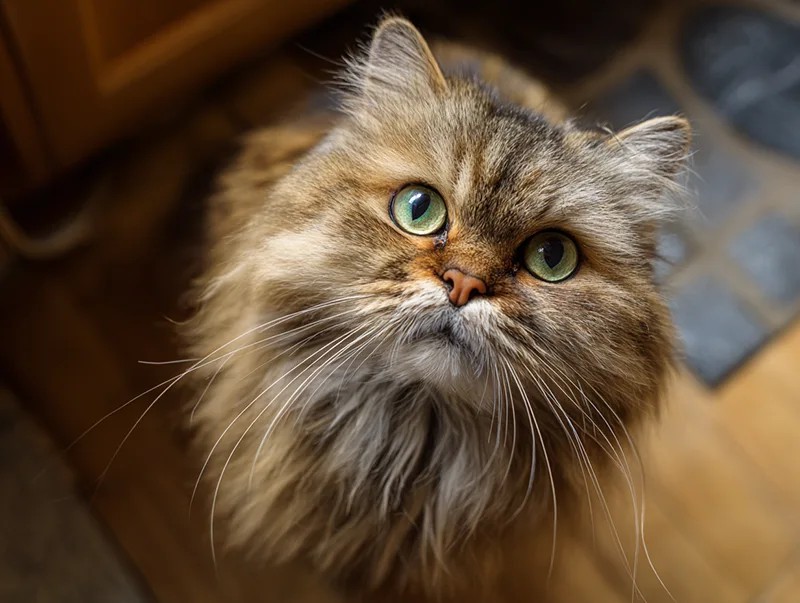
Seasonal changes affect your long-haired cat’s coat and skin. Adjusting grooming habits helps keep your pet comfortable and healthy throughout the year. Different seasons bring unique challenges to manage.
Dealing With Shedding
Shedding increases in spring and fall as cats lose old fur. Regular brushing removes loose hair and prevents mats. Use a wide-toothed comb or slicker brush to reach undercoat. Gently brush in the direction of hair growth to avoid skin irritation.
Adjusting Grooming Frequency
Winter may need less frequent grooming since cats shed less. Summer requires more brushing to handle extra shedding and dirt. Watch your cat’s coat for changes in texture or tangles. Increase grooming sessions during heavy shedding seasons to keep fur smooth.
Protecting Against Weather Effects
Cold weather can dry out your cat’s skin. Use moisturizing sprays made for pets if needed. In summer, keep your cat cool and check for sunburn on exposed skin. Avoid grooming right after outdoor walks to remove dirt and debris that stick in the coat.
Credit: www.thecatpalace.com.au

Credit: catit.ca
Frequently Asked Questions
How Often Should I Groom My Long Haired Cat?
Long haired cats require grooming at least 3-4 times a week. Regular brushing prevents mats and tangles. Frequent grooming also reduces shedding and hairballs, keeping your cat comfortable and clean.
What Tools Are Best For Grooming Long Haired Cats?
Use a wide-toothed comb, slicker brush, and grooming scissors. These tools help remove tangles gently and trim problem areas. Choose tools designed for delicate cat fur to avoid discomfort.
How Can I Prevent Mats In My Cat’s Fur?
Regular brushing is key to preventing mats. Focus on areas like behind ears and under legs. If mats form, gently detangle with a comb or seek professional grooming help.
Can Grooming Reduce My Cat’s Hairballs?
Yes, grooming removes loose hair before ingestion. Regular brushing minimizes hairballs by reducing swallowed fur. Combined with proper diet, grooming keeps your cat’s digestive system healthy.
Conclusion
Grooming long-haired cats takes time and patience. Regular brushing keeps their fur clean and healthy. It helps prevent mats and tangles, which cause discomfort. Use gentle tools and speak softly to calm your cat. Check for dirt, fleas, and skin problems during grooming.
A clean cat feels happier and looks beautiful. Make grooming a fun routine you both enjoy. Caring for your cat’s coat shows love and keeps them well. Keep grooming simple and steady for the best results. Your cat will thank you with purrs and trust.
