

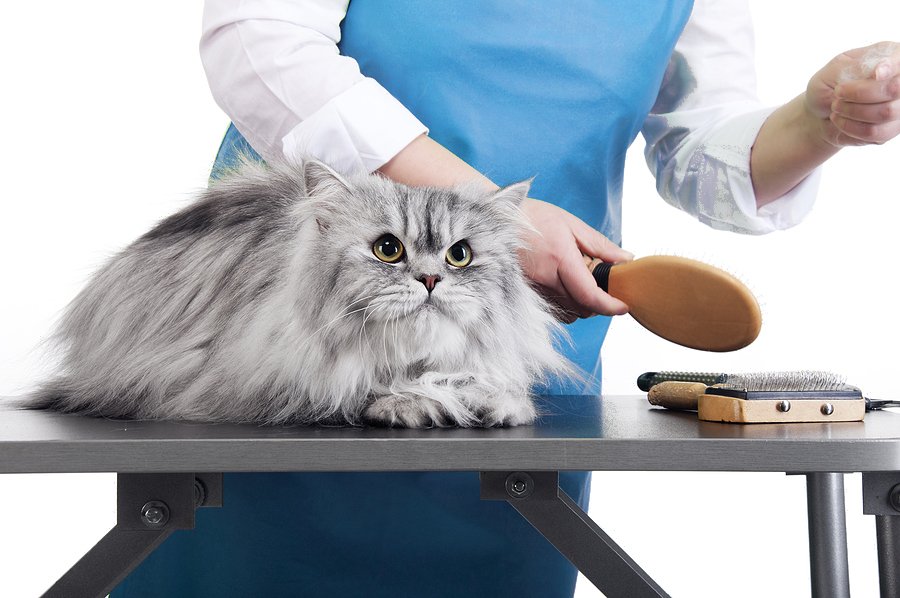
If you have a long-haired cat, you know how stunning their fur looks—but you also know how tricky it can be to keep it clean and tangle-free. Grooming your fluffy friend isn’t just about looks; it’s about their comfort and health too.
Imagine your cat feeling lighter, happier, and more relaxed after a simple grooming session you do at home. You’ll discover easy tips and tricks to make grooming your long-haired cat a stress-free and even enjoyable experience for both of you.
Ready to see your cat’s coat shine like never before? Let’s dive in!
Choosing The Right Tools
Choosing the right tools is key to grooming a long-haired cat effectively. The right equipment helps keep your cat’s coat healthy and shiny. It also reduces hair mats and skin problems. Using gentle, suitable tools makes grooming easier for both you and your cat. This helps create a calm and positive experience during grooming sessions.
Types Of Brushes And Combs
Long-haired cats need brushes that can reach deep into their fur. Slicker brushes are good for removing loose hair and tangles. Wide-toothed combs help gently detangle knots without pulling too hard. Pin brushes work well for daily grooming to keep the coat smooth. Choose brushes with soft, rounded tips to protect your cat’s skin.
Using Detangling Sprays
Detangling sprays soften the fur and make brushing easier. They reduce pain caused by pulling on knots. Sprays also add shine to your cat’s coat. Spray lightly on the fur before brushing. Pick sprays made for cats, free from harsh chemicals. This keeps your cat’s skin safe and healthy.
Grooming Gloves For Sensitive Cats
Grooming gloves are gentle and great for cats who dislike brushes. They allow you to pet your cat while removing loose hair. Gloves have soft rubber tips that massage the skin. This can calm anxious cats during grooming. Use gloves for short sessions to build your cat’s trust.
Establishing A Grooming Routine
Grooming a long-haired cat needs a steady routine to keep their coat healthy. Regular care stops mats and tangles from forming. It also helps your cat feel comfortable and loved.
Setting a grooming habit makes brushing easier for both you and your cat. Consistency builds trust and keeps your cat calm during sessions. A good routine fits your cat’s needs and your schedule.
Frequency Of Brushing
Brush long-haired cats at least 3 to 4 times a week. Daily brushing works best for very thick or tangled coats. Regular brushing removes loose hair and prevents knots. It also reduces shedding around your home.
Best Time For Grooming Sessions
Choose a quiet time when your cat feels relaxed. Many cats enjoy grooming after meals or naps. Short sessions, about 5 to 10 minutes, keep your cat happy. Stop if your cat shows signs of stress or discomfort.
Creating A Calm Environment
Find a warm, quiet spot for grooming. Use soft lighting and gentle voices to soothe your cat. Keep grooming tools nearby to avoid interruptions. Offer treats or gentle petting to reward good behavior.
Techniques To Prevent Tangles
Keeping your long-haired cat’s coat free of tangles can save you both time and stress during grooming sessions. Tangled fur not only looks messy but can cause discomfort and skin problems for your pet. Learning effective techniques to prevent tangles helps maintain your cat’s health and keeps their fur soft and shiny.
Gentle Brushing Methods
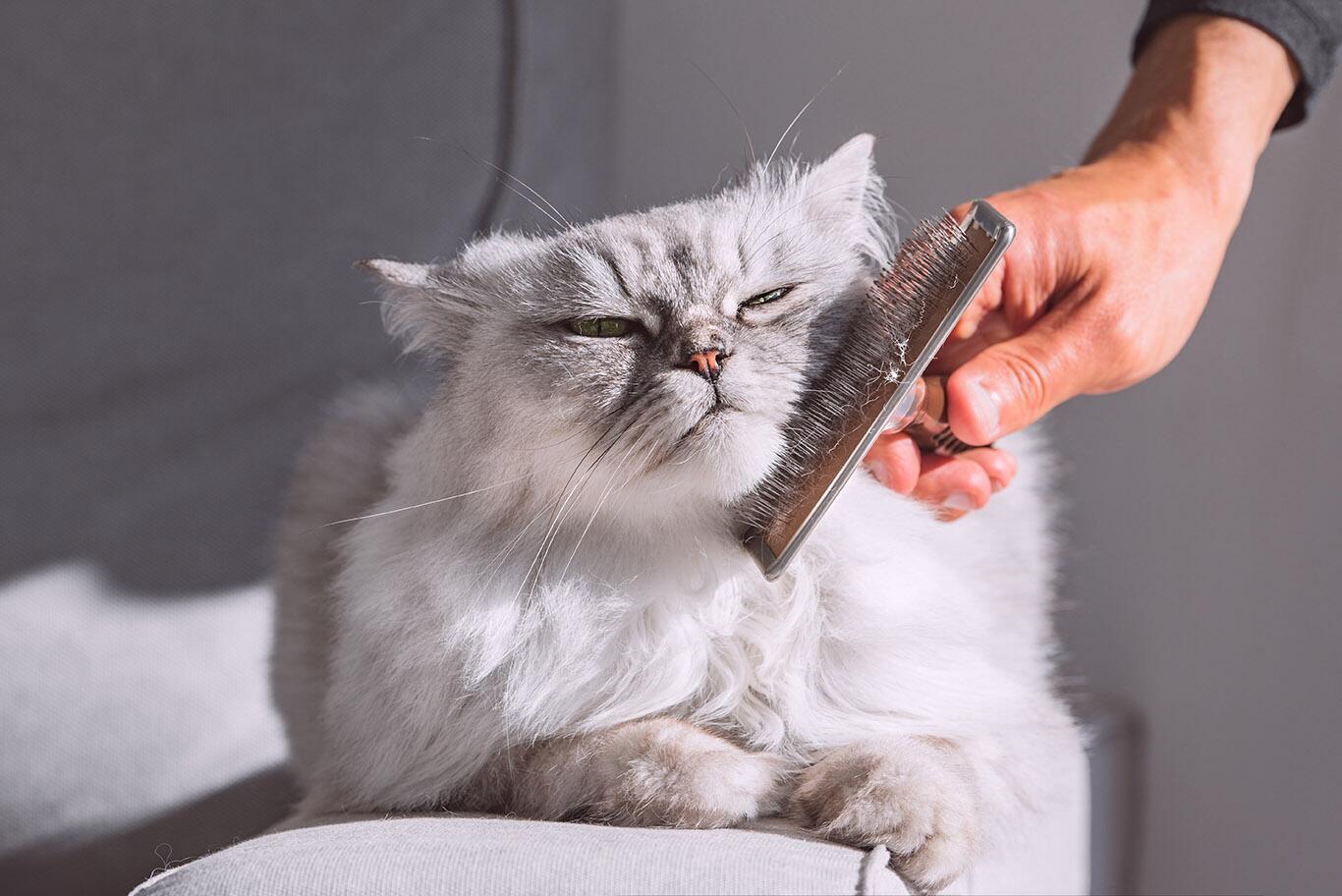
Use a wide-toothed comb or a soft-bristle brush to start. These tools help detangle without pulling harshly on the hair. Always brush in the direction of hair growth to avoid hurting your cat’s skin.
Break the brushing into short sessions, especially if your cat is not used to grooming. Let your cat relax between strokes and reward them with treats. This builds positive associations with brushing.
Handling Mats And Knots
When you find mats, don’t pull or cut them off immediately. Use your fingers to gently tease apart the knots. If the mat is stubborn, apply a detangling spray made for cats to soften the fur before brushing.
If mats are severe, carefully trim them with rounded-tip scissors, but only if you feel confident. Otherwise, seek professional help to avoid accidental cuts. Your cat’s comfort should always come first.
Avoiding Common Grooming Mistakes
Avoid rushing through grooming; impatience can make your cat anxious and resistant. Don’t brush too aggressively or too quickly, as this can cause discomfort and skin irritation.
Never use human hair products on your cat’s coat—they can cause allergic reactions. Also, don’t forget to check for hidden tangles under the legs, behind the ears, and around the collar area. Are you sure you’re covering all these tricky spots?
Credit: www.latimes.com
Bathing Tips For Long Haired Cats
Bathing a long haired cat requires patience and care. Their thick fur needs gentle handling to avoid tangles and discomfort. Proper bathing keeps their coat clean and healthy. It also reduces shedding and prevents matting. Prepare everything before starting for a smooth process.
Choosing The Right Shampoo
Select a shampoo made specifically for cats. Avoid products with harsh chemicals or strong fragrances. Look for gentle, hypoallergenic formulas. Shampoos with moisturizing ingredients help keep fur soft. Never use human shampoos; they can irritate your cat’s skin.
Safe Bathing Practices
- Use lukewarm water, not hot or cold.
- Place a non-slip mat in the sink or tub.
- Wet your cat slowly to avoid stress.
- Apply shampoo gently, avoiding eyes and ears.
- Rinse thoroughly to remove all soap.
- Speak softly to keep your cat calm.
Drying And Post-bath Care
Use a soft towel to pat your cat dry. Avoid rubbing vigorously to prevent tangles. If your cat tolerates it, use a low heat blow dryer. Keep the dryer moving and far from the skin. Brush the fur gently after drying. This removes loose hair and prevents mats.
Diet And Health For Healthy Fur
Maintaining a long-haired cat’s beautiful coat goes beyond regular brushing. The foundation of healthy fur lies in your cat’s diet and overall health. What your cat eats directly affects the shine, softness, and strength of their fur, making nutrition a crucial part of grooming.
Nutrition’s Role In Fur Quality
Your cat’s fur reflects their inner health. Proteins, especially those rich in amino acids like taurine, are essential for fur growth and repair. Fatty acids such as Omega-3 and Omega-6 help keep the coat shiny and reduce dryness.
Consider feeding high-quality cat food with balanced nutrients rather than cheap fillers. You might notice your cat’s fur becomes dull or brittle if their diet lacks these key elements. Have you checked the ingredient list of your cat’s food lately?
Supplements For Coat Health
Sometimes, diet alone isn’t enough to maintain a luscious coat. Supplements like fish oil, flaxseed oil, or specific vitamin blends can boost fur health effectively. These can help reduce shedding and soothe itchy skin.
Always introduce supplements gradually and observe how your cat responds. Consult your vet before adding anything new to your pet’s diet to avoid imbalances. Have you ever tried supplements to improve your cat’s fur texture?
Regular Vet Check-ups
Regular vet visits catch underlying health issues that may affect your cat’s fur. Conditions like allergies, parasites, or hormonal imbalances often show up as fur problems. Early detection means quicker treatment and better fur recovery.
Keep track of any changes in your cat’s coat between visits. If you notice excessive shedding, bald spots, or unusual dryness, don’t wait to get professional advice. How often do you schedule your cat’s health check-ups?

Credit: www.downtowntabbycattery.com
When To Seek Professional Help
Long-haired cats need regular grooming to stay healthy and comfortable. Some grooming tasks can be done at home. Other times, professional help is necessary. Knowing when to seek help prevents pain and stress for your cat. It also keeps their coat in good shape.
Signs Of Severe Matting
Severe matting is hard to fix at home. Watch for these signs:
- Thick clumps of tangled fur that pull on the skin.
- Red or irritated skin under the mats.
- Cat shows pain when touched in certain areas.
- Fur looks dirty or smells bad near mats.
- Cat avoids grooming or hides often.
These signs mean the mats are too tight or deep. Professional tools and skills are needed to remove them safely.
Benefits Of Professional Groomers
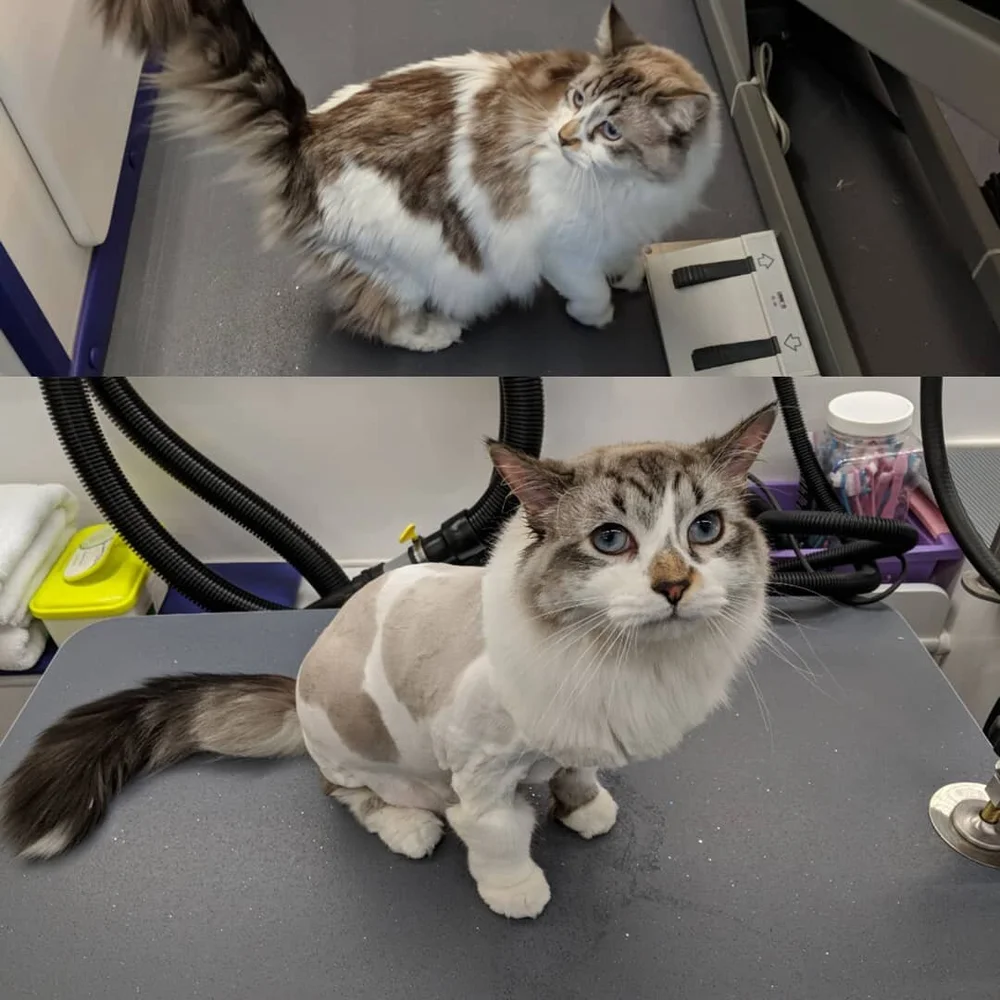
Professional groomers have special training. They know how to handle mats without hurting the cat. Groomers use tools that cut mats gently. They also trim fur to prevent future tangles. Groomers check the skin for infections or wounds. They can spot health issues early. A clean coat helps your cat feel better and look great.
Handling Difficult Cats Safely
Some cats get scared or aggressive during grooming. Professionals use calm techniques to reduce stress. They know how to hold cats gently but firmly. Groomers can work quickly to avoid long sessions. They can also recommend calming products or breaks. Safe handling protects both the cat and the groomer from injury.
Credit: www.squeakycleangrooming.com
Frequently Asked Questions
How Often Should I Groom A Long Haired Cat?
Long-haired cats need grooming at least 3-4 times a week. Frequent brushing prevents tangles and mats. Regular grooming also reduces shedding and hairballs, keeping your cat healthy and comfortable.
What Tools Are Best For Grooming Long Haired Cats?
Use a wide-toothed comb, slicker brush, and grooming scissors. These tools help detangle fur and remove loose hair. Choose tools with gentle bristles to avoid hurting your cat’s sensitive skin.
How Can I Prevent Mats In My Cat’s Fur?
Brush your cat daily to prevent mats and tangles. Check common mat areas like behind ears and under legs. Regular grooming keeps fur smooth and mats manageable before they become painful.
When Should I Seek Professional Grooming For My Cat?
Seek professional help if mats are severe or grooming is stressful. Professionals have experience and tools to safely remove mats. Regular grooming appointments can maintain your cat’s coat and reduce your workload.
Conclusion
Grooming a long-haired cat takes patience and care. Regular brushing helps stop mats and keeps fur soft. Choose tools that fit your cat’s needs. Watch for signs of skin problems during grooming. Make grooming a calm and happy time for both.
Your cat will feel better and look great. Small daily efforts bring big health benefits. Keep grooming simple and enjoy bonding with your pet.
