

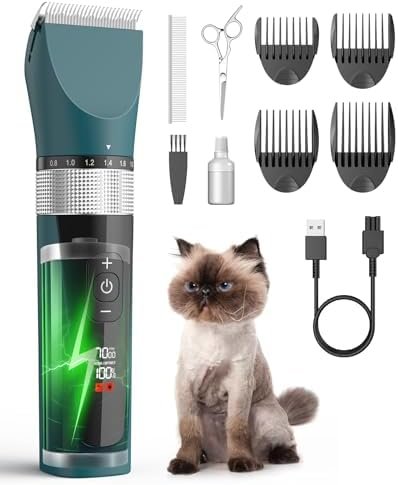
Grooming a cat with clippers might sound tricky, but it doesn’t have to be. If you want to keep your cat looking neat and feeling comfortable, using clippers is a great way to manage their fur.
You might worry about your cat’s reaction or wonder if it’s safe, but with the right tips, you can make the experience smooth for both of you. Ready to learn how to groom your cat easily and confidently? Keep reading to discover simple steps that will make clipping your cat’s fur stress-free and even enjoyable.

Credit: services.petsmart.com
Preparing Your Cat
Preparing your cat for grooming with clippers is more than just having the tools ready. It’s about setting the stage so your cat feels safe and comfortable. Taking time to prepare reduces stress and helps the grooming process go smoothly.
Choosing The Right Clippers
Select clippers made specifically for pets, as they run cooler and quieter than human clippers. Look for models with adjustable blade sizes to handle different fur lengths. Quiet operation is crucial; loud noises can scare your cat and make grooming harder.
Think about your cat’s coat type. For thick or long fur, powerful clippers with a strong motor work best. If your cat has fine or short hair, a gentler clipper can prevent skin irritation. Have you noticed how your cat reacts to different sounds? That can guide your choice.
Gathering Essential Supplies
Before you start clipping, gather everything you might need. This includes a brush to remove tangles, styptic powder for minor nicks, and treats for positive reinforcement. Having all supplies within reach saves time and keeps your cat calm.
Consider adding a comb and scissors for touch-ups. Also, keep a towel handy to gently hold your cat if needed. What supplies do you already have that can make this process easier?
Creating A Calm Environment
Set up a quiet, comfortable space where your cat feels safe. Soft lighting and a familiar blanket can help your cat relax. Avoid busy rooms or loud noises during grooming sessions.
Try spending a few minutes petting or playing with your cat before you begin. This lowers anxiety and builds trust. Have you observed where your cat likes to be touched most? Start grooming there to keep them at ease.

Credit: catit.ca
Getting Your Cat Comfortable
Getting your cat comfortable with clippers is the key to a smoother grooming experience. Cats can be sensitive to new sounds and sensations, so patience and gentle introduction are essential. Taking the time to make your cat feel safe will reduce stress for both of you and help avoid scratches or resistance.
Introducing Clippers Gradually
Start by letting your cat see and sniff the clippers without turning them on. Place the clippers near your cat during calm moments, like while petting or feeding. This helps build positive associations with the tool.
Next, try switching the clippers on for just a few seconds while your cat is relaxed. Watch your cat’s reaction closely. If your cat shows signs of fear, pause and try again later.
Repeat this process over several days, gradually increasing the time the clippers are on. This slow exposure reduces the shock of the noise and vibration.
Handling Techniques For Relaxation
How you hold and touch your cat can make a big difference in keeping them calm. Use gentle, confident strokes along their fur to soothe them before and during grooming.
Try wrapping your cat in a soft towel to limit sudden movements. This method can prevent scratching and help your cat feel secure.
Also, speak softly and maintain eye contact to reassure your cat. Regular breaks during the grooming session help prevent overwhelm and keep the experience positive.
Clipping Techniques
Mastering clipping techniques is essential for grooming your cat safely and effectively. The right approach helps keep your cat calm and prevents skin irritation or accidents. Let’s break down key techniques that can make clipping a smoother experience for both you and your feline friend.
Starting With Small Areas
Begin clipping in a small, less sensitive area like the back of the neck or along the sides. This lets your cat get used to the sound and sensation without overwhelming them.
Try clipping just a tiny patch at first. If your cat stays calm, gradually expand to larger areas.
Have you noticed your cat’s reaction to the clippers? Starting small gives you a chance to read their comfort levels and adjust accordingly.
Avoiding Sensitive Spots
Cats have delicate skin, especially around the ears, belly, and paws. Avoid clipping directly over these spots to prevent discomfort and accidental cuts.
Focus on areas with thicker fur and less nerve endings. Use scissors or a comb to trim tricky spots instead.
Pay close attention to your cat’s body language—if they tense up or pull away, it’s a sign to be more cautious or switch methods.
Using Proper Clipper Speed
Choose a clipper with adjustable speeds to match your cat’s coat type and temperament. Slower speeds reduce noise and vibration, helping your cat stay relaxed.
Faster speeds can be efficient for thick fur but may cause more heat and discomfort. Check the clipper’s temperature regularly to avoid burns.
Have you tested different speeds on your cat? Finding the right balance between speed and comfort can make grooming a less stressful task.
Safety Tips
Grooming your cat with clippers can be a smooth experience if you prioritize safety. Clippers are sharp and can easily cause cuts if not handled properly. Also, cats are sensitive creatures and can get stressed quickly during grooming sessions.
Preventing Cuts And Nicks
Always use clippers designed specifically for pets. Their blades are safer and cause less pulling on fur. Keep the blades clean and well-oiled to ensure smooth cutting.
Hold your cat gently but firmly to prevent sudden movements. If your cat tries to pull away, pause and calm them before continuing. Never rush—take breaks if needed to avoid accidents.
Check the clipper blades regularly for sharpness. Dull blades can snag fur and increase the risk of nicks. If you notice any skin irritation, stop immediately and consult your vet.
Managing Cat’s Stress Levels
Start grooming sessions in a quiet room where your cat feels safe. Soft talking or gentle petting can help relax them. Try to keep sessions short—around 5 to 10 minutes—especially at the beginning.
Watch your cat’s body language closely. Signs like flattened ears, tail flicking, or wide eyes mean your cat is stressed. If you see these, pause the grooming and try to soothe your cat before continuing.
Have treats ready to reward calm behavior. Positive reinforcement can make grooming less intimidating. Ask yourself: How can I make this experience more enjoyable for my cat?
Post-clipping Care
After grooming your cat with clippers, the job isn’t quite done. Post-clipping care is essential to keep your feline friend comfortable and ensure their coat stays healthy. Paying attention to their needs right after clipping can prevent irritation and stress, making future grooming sessions easier for both of you.
Soothing Your Cat
Your cat may feel a bit vulnerable or sensitive right after clipping. Gently petting them and speaking in a calm, reassuring voice can help ease their nerves. Offering a favorite treat or toy can also distract them and build positive associations with grooming.
Watch closely for any signs of redness or irritation on their skin. If you notice anything unusual, a cool, damp cloth can help soothe the area. Avoid applying any lotions or creams without consulting your vet, as some products might irritate your cat’s skin further.
Cleaning And Maintaining Clippers
Keeping your clippers clean after each use will extend their life and ensure safe grooming every time. Start by unplugging the device and brushing away loose fur with a small brush or an old toothbrush. This simple step prevents hair buildup that can jam the blades.
Next, apply clipper oil to the blades to keep them sharp and reduce friction. This helps the clippers run smoothly and prevents pulling on your cat’s fur during the next grooming session. Remember to wipe off any excess oil to avoid residue on your pet’s coat.
Do you keep a dedicated grooming kit? Organizing your clippers, oil, and cleaning tools in one place can save you time and stress. How might a tidy setup change your grooming routine?
Troubleshooting Common Issues
Grooming your cat with clippers can sometimes bring unexpected challenges. Knowing how to handle common issues will help you keep the experience calm and effective for both you and your feline friend. Let’s look at practical ways to manage these common problems.
Handling Matting And Tangles
Mats and tangles can make clipping tricky and uncomfortable for your cat. Start by gently working through mats with your fingers or a wide-toothed comb before using clippers. If a mat is too tight, try using a detangling spray designed for cats to soften the fur.
Never force the clippers through a mat—it can hurt your cat and damage the clipper blades. Instead, trim around the mat carefully, then gradually work on removing it over a few grooming sessions. Have you noticed how your cat reacts differently when you take it slow? Patience pays off in these moments.
Dealing With Uncooperative Cats
Some cats don’t enjoy the sound or sensation of clippers, making grooming a challenge. Try clipping in a quiet, familiar space where your cat feels safe. Let your cat sniff the clippers before turning them on to reduce fear.
If your cat resists, break the grooming into short sessions. Offering treats or gentle praise can help create positive associations. Have you tried enlisting a helper to gently hold your cat? Two sets of hands can sometimes make a big difference without causing stress.
When To Seek Professional Help
Grooming your cat with clippers can be a rewarding experience, but it’s not always straightforward. Knowing when to call a professional can save you and your furry friend from unnecessary stress and potential injury. Recognizing the signs early helps keep grooming safe and comfortable for your cat.
Signs Your Cat Is Too Anxious Or Aggressive
Some cats simply cannot stay calm during clipping. If your cat shows intense fear, tries to bite or scratch, or hides whenever you bring out the clippers, it’s time to get help. Professionals have techniques to handle nervous or aggressive cats safely.
Dealing With Matted Or Thick Fur
Mattes can be painful and tricky to remove without hurting your cat. If the fur is heavily tangled or close to the skin, clippers might not be enough. Groomers have special tools and experience to tackle mats without causing injury.
Health Issues And Special Needs
Does your cat have skin conditions, wounds, or other health concerns? Clipping around sensitive areas requires extra care. A vet or professional groomer can provide a safer, more comfortable grooming session tailored to your cat’s needs.
Lack Of Proper Equipment Or Experience
If you don’t have the right clippers or aren’t confident in your skills, it’s better to consult a pro. Using dull blades or incorrect techniques can hurt your cat or cause uneven cuts. Professionals have the right tools and know how to use them efficiently.
Time Constraints And Convenience
Sometimes, your schedule just won’t allow for a careful grooming session. Busy days or unexpected events can turn a quick clip into a stressful ordeal for both of you. Hiring a professional saves time and ensures your cat is groomed properly without rush.
Have you ever tried clipping your cat’s fur only to realize it was more challenging than expected? Sharing your experiences can help others decide when to seek professional assistance and keep their cats safe and happy.

Credit: jabarlow.com
Frequently Asked Questions
How Do I Prepare My Cat For Clipper Grooming?
Start by brushing your cat to remove tangles and mats. Use a calm voice to soothe your cat. Introduce the clippers slowly. Let your cat sniff the clippers before starting. This helps reduce anxiety and makes grooming easier.
What Type Of Clippers Are Best For Cats?
Choose clippers designed for pets with quiet motors. Look for blades that stay cool to avoid burns. Cordless clippers offer better control and comfort. Sharp, high-quality blades prevent pulling and discomfort. This ensures a smooth and safe grooming experience.
How Often Should I Groom My Cat With Clippers?
Grooming frequency depends on your cat’s fur type. Long-haired cats may need clipping every 6-8 weeks. Short-haired cats might require less frequent grooming. Regular grooming prevents mats and keeps your cat comfortable and healthy.
Can I Groom My Cat At Home Safely?
Yes, you can groom your cat safely at home. Use the right tools and take your time. Keep your cat calm and take breaks if needed. Avoid sensitive areas like the face and ears. Proper technique minimizes stress and risk of injury.
Conclusion
Grooming a cat with clippers helps keep your pet clean and healthy. Take your time and be gentle to avoid stress. Use sharp, clean clippers for the best results. Regular grooming prevents mats and reduces shedding. Watch your cat’s behavior and stop if they get too scared.
With patience, grooming becomes easier for both of you. It builds trust and keeps your cat comfortable. Start slow and learn what works best for your cat. A calm approach makes grooming a positive experience every time.
