

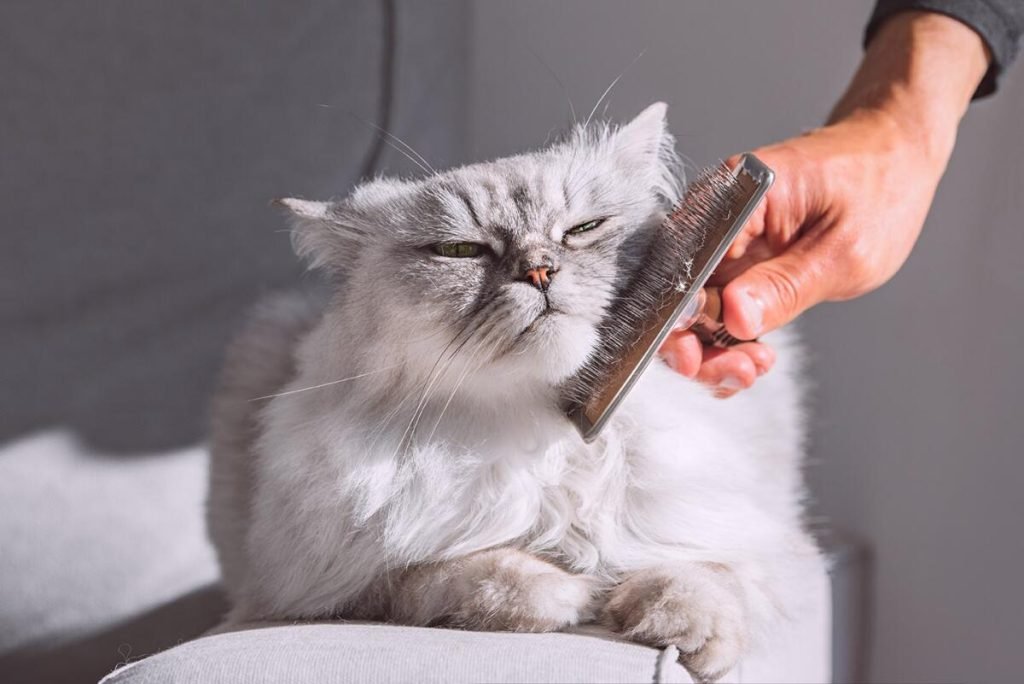
Grooming a cat might seem like a simple task, but it’s more important than you think. If you want your furry friend to stay healthy, happy, and looking their best, knowing how to groom them properly is key.
You might be wondering how often to brush, what tools to use, or how to keep your cat calm during grooming. This guide will walk you through everything you need to know, making the process easy and stress-free for both you and your cat.
Keep reading to discover tips that can transform grooming time into a bonding moment you’ll both enjoy.

Credit: www.angiesmobilepetstyling.com
Choosing The Right Tools
Choosing the right tools for grooming your cat is key to making the experience comfortable for both of you. The right brush, comb, or shampoo can turn grooming from a chore into a bonding moment. Have you noticed how some cats seem to enjoy grooming while others resist? Often, it’s about the tools you use and how well they suit your cat’s unique needs.
Brushes For Different Fur Types
Not all brushes work well for every cat. Short-haired cats benefit from soft-bristle brushes that gently remove loose hair without irritating the skin.
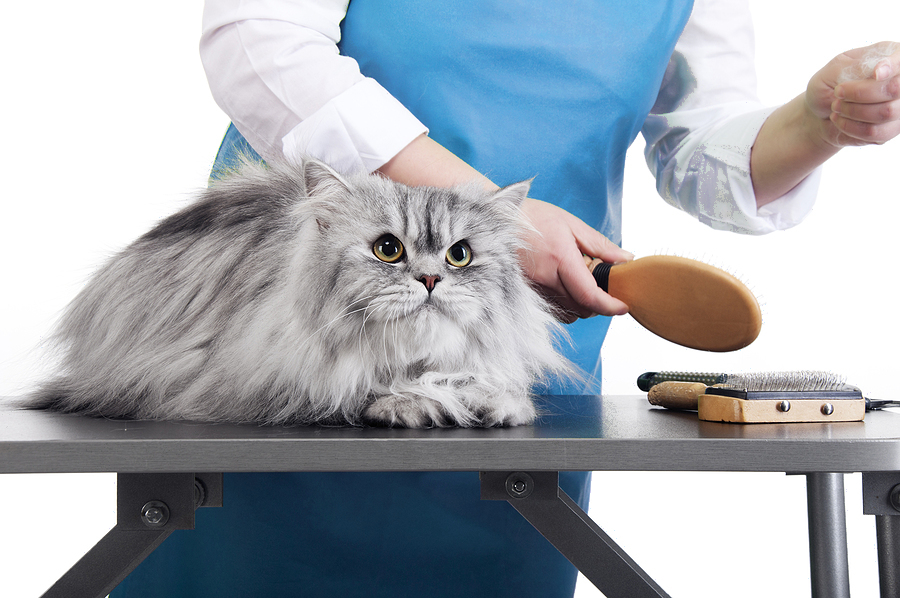
Long-haired cats need brushes with wider, spaced bristles or slicker brushes to detangle knots and prevent mats. If your cat has thick undercoat, a de-shedding tool can help reduce shedding and keep fur healthy.
Pay attention to how your cat reacts; if your cat flinches or hides, try a different brush with softer or narrower bristles. What type of brush does your cat tolerate best?
Combs And Nail Clippers
Combs are great for finishing touches after brushing, especially for cats with medium to long fur. They help catch smaller tangles and remove any leftover loose hairs.
When choosing nail clippers, pick ones designed specifically for cats. Scissors-style clippers give you more control, while guillotine-style are easier for beginners. Avoid using human nail clippers—they can split or crush your cat’s nails.
Trim nails carefully and reward your cat afterward to build positive associations. Have you found a nail trimming technique that calms your cat?
Shampoos And Conditioners
Use shampoos made specifically for cats; human or dog shampoos can irritate their skin. Look for gentle formulas that suit your cat’s skin type—sensitive, dry, or oily.
Conditioners can help keep fur smooth and reduce static, especially in long-haired breeds. If your cat resists baths, try waterless or dry shampoos made for cats as a less stressful option.
Remember, frequent bathing isn’t usually necessary and can dry out your cat’s skin. How often do you think your cat really needs a bath?
Brushing Techniques
Brushing your cat isn’t just about keeping their coat shiny—it’s a chance to bond and check their skin health. Using the right brushing techniques makes this routine enjoyable for both of you. Let’s look into how often to brush, ways to keep your cat calm, and how to handle those pesky mats and tangles.
Frequency Of Brushing
How often you brush your cat depends on their coat type. Short-haired cats usually need brushing once a week to remove loose fur and reduce shedding.
Long-haired cats benefit from daily brushing to prevent mats and tangles. Overbrushing can irritate your cat’s skin, so watch for signs of discomfort.
Does your cat shed heavily during certain seasons? Increase brushing frequency during those times to keep fur under control.
How To Brush Without Stressing Your Cat
Start brushing when your cat is calm or sleepy, like after a meal or during nap time. Use a soft brush and gentle strokes to avoid pulling their fur.
Keep sessions short at first—just a few minutes—and gradually increase time as your cat gets used to it. Talk softly and reward with treats to create positive associations.
If your cat resists, try brushing in a quiet room with minimal distractions. Have you noticed your cat prefers certain spots? Focus on those areas to build trust.
Dealing With Mats And Tangles
Mats can be painful and harmful, so tackle them early. Use your fingers to gently loosen small tangles before using a comb or mat splitter.
For stubborn mats, apply a detangling spray made for cats or a bit of coconut oil to ease the process. Never pull hard—this hurts and scares your cat.
If a mat is too tight or close to the skin, it’s safer to ask a vet or professional groomer for help. Have you ever tried trimming a mat yourself? It’s risky and can lead to cuts or stress.
Bathing Your Cat
Bathing a cat can seem like a daunting task, but it’s sometimes necessary to keep your feline friend clean and healthy. Unlike dogs, cats usually groom themselves, so bathing should be done carefully and only when needed. Knowing the right time to bathe and how to do it gently can make the experience less stressful for both you and your cat.
When To Bathe
You should consider bathing your cat if it gets into something sticky, smelly, or toxic that it can’t clean off itself. Cats with long fur may also need occasional baths to prevent mats and tangles. If your cat has a skin condition or allergies, a vet might recommend special bathing routines.
Ask yourself: Is your cat visibly dirty or uncomfortable? If the answer is no, skipping the bath might be better. Overbathing can dry out their skin and remove natural oils, causing irritation.
Step-by-step Bathing Process
- Prepare everything first: warm water, cat-safe shampoo, a towel, and a non-slip mat.
- Brush your cat to remove loose fur and tangles before getting them wet.
- Fill the sink or tub with a few inches of warm water—test the temperature with your wrist.
- Gently place your cat in the water, speaking softly to keep them calm.
- Use a cup or hand sprayer to wet their fur carefully, avoiding eyes and ears.
- Apply a small amount of shampoo and lather gently, focusing on dirty areas.
- Rinse thoroughly to remove all shampoo residues, as leftover soap can irritate the skin.
Patience is key here. I once had to pause and reassure my cat multiple times, which helped her relax and trust me more. Have you noticed how your tone of voice can calm your cat during stressful moments?
Drying Tips And Tricks
After the bath, wrap your cat in a soft towel and gently rub to soak up excess water. Avoid rubbing too hard, as it can tangle the fur or irritate the skin.
If your cat tolerates it, you can use a hairdryer on the lowest heat and noise settings, keeping it at a safe distance. Many cats dislike the noise, so be ready to stop if they get anxious.
Keep your cat in a warm room until fully dry to prevent chills. Offering treats or playtime afterwards can help create a positive association with bath time.

Credit: www.latimes.com
Nail Care
Nail care is an important part of grooming your cat. It keeps their claws healthy and prevents damage to furniture and skin. Regular trimming helps avoid painful overgrowth and infections.
Many cats do not like having their paws touched. Patience and gentle handling are key to a calm nail trimming session. Understanding your cat’s comfort level makes the process easier for both of you.
Trimming Basics
Use a sharp, small pet nail clipper designed for cats. Gently press the paw to extend the claws. Avoid cutting into the quick, the pink part inside the nail. Cutting the quick causes pain and bleeding.
- Trim only the sharp tips of the nails.
- Work on one paw at a time.
- Reward your cat with treats after trimming.
Handling Squirmy Cats
Stay calm and speak softly during nail care. Wrap your cat in a towel to limit movement if needed. Enlist help from a friend to hold your cat gently. Take breaks if your cat becomes too stressed. Consistent short sessions help your cat get used to nail care.
When To Seek Professional Help
Visit a vet or groomer if your cat’s nails are too long or damaged. Professionals can trim nails safely and painlessly. Seek help if you accidentally cut the quick or if your cat resists strongly. Regular visits can keep your cat’s nails in good shape without stress.
Ear And Eye Care
Taking care of your cat’s ears and eyes is vital for their health. These areas can collect dirt, wax, and discharge. Regular checks prevent discomfort and infections. Gentle cleaning keeps your cat comfortable and happy.
Cleaning Ears Safely
Use a soft cloth or cotton ball dampened with a cat-safe ear cleaner. Avoid using cotton swabs inside the ear canal. Gently wipe the visible parts to remove dirt and wax. Stop if your cat shows signs of pain or irritation. Repeat this cleaning every few weeks or as your vet advises.
Managing Eye Discharge
Wipe away discharge with a clean, damp cloth. Use a separate cloth for each eye to avoid spreading germs. Do this daily if needed, especially in the morning. Check if the discharge is clear or colored, as this shows different health conditions. Keep the fur around the eyes trimmed to reduce irritation.
Signs Of Infection
- Redness or swelling around ears or eyes
- Strong odor from the ears
- Excessive scratching or shaking of the head
- Yellow or green discharge from eyes or ears
- Squinting or frequent pawing at the eyes
Contact a vet immediately if you notice these signs. Early treatment avoids serious problems and pain for your cat.
Credit: tipptotail.com
Maintaining A Healthy Coat
Maintaining your cat’s coat health goes beyond just brushing. A shiny, soft coat reflects overall well-being and requires attention to diet, regular health checks, and sometimes extra nutritional support. If you notice dull fur or excessive shedding, it might be time to look deeper into your cat’s daily care routine.
Diet And Hydration
Your cat’s fur depends heavily on what they eat and drink. A balanced diet rich in proteins and essential fatty acids like omega-3 and omega-6 can dramatically improve coat texture and shine.
Hydration is equally important. Cats often don’t drink enough water, which can lead to dry skin and brittle fur. Try adding wet food to their meals or placing multiple water bowls around your home to encourage drinking.
Regular Vet Checkups
Skin and coat problems can be signs of underlying health issues. Regular vet visits help catch problems like allergies, parasites, or hormonal imbalances early before they affect your cat’s fur.
During checkups, ask your vet about your cat’s coat condition. They can offer tailored advice or treatments to keep your cat’s skin healthy and fur glossy.
Supplements For Skin And Fur
Sometimes diet alone isn’t enough, and supplements can fill the gaps. Adding fish oil or vitamin E supplements can boost skin hydration and reduce inflammation, leading to a healthier coat.
Always consult your vet before introducing supplements. Over-supplementing can cause other health problems, so professional guidance ensures safety and effectiveness.
Creating A Grooming Routine
Creating a grooming routine helps keep your cat healthy and happy. Regular grooming removes dirt, loose hair, and prevents mats. It also strengthens the bond between you and your cat. A good routine fits your cat’s needs and your daily life. Consistency is key for a smooth experience.
Setting A Schedule
Choose specific days and times for grooming sessions. Short sessions work best, especially at first. A few minutes each day or every other day suits most cats. Use reminders to keep the schedule steady. Regular grooming helps your cat get used to the process.
Making Grooming Enjoyable
Turn grooming into a positive time for your cat. Use soft brushes and gentle strokes. Speak in calm, soothing tones. Offer small treats or praise during and after grooming. Stop if your cat shows signs of stress. Keep sessions fun and relaxed to build trust.
Recognizing Your Cat’s Preferences
Pay attention to how your cat reacts to different tools and touches. Some cats prefer short strokes, others like longer brushing. Notice if your cat likes certain areas groomed more than others. Adjust your routine to fit these likes and dislikes. Respect your cat’s signals for a happier grooming time.
Frequently Asked Questions
How Often Should I Groom My Cat?
Groom your cat weekly to reduce shedding and prevent mats. Long-haired cats need more frequent grooming, ideally daily. Regular grooming also helps monitor your cat’s skin and coat health.
What Tools Are Best For Grooming A Cat?
Use a soft-bristle brush for short-haired cats and a wide-toothed comb for long-haired cats. Nail clippers, grooming wipes, and a flea comb are also useful tools to maintain your cat’s hygiene.
Can Grooming Improve My Cat’s Health?
Yes, grooming removes dirt, reduces hairballs, and boosts circulation. It also helps detect skin issues early, improving overall health and comfort for your cat.
How Do I Make Grooming Stress-free For My Cat?
Start grooming gradually and praise your cat often. Use gentle strokes and keep sessions short. Create a calm environment to help your cat relax during grooming.
Conclusion
Grooming your cat helps keep its coat clean and healthy. Regular brushing reduces shedding and stops hairballs. It also lets you check for fleas or skin problems. Make grooming a calm and fun time for your cat. Start slow and use gentle strokes to build trust.
With patience, your cat will enjoy these quiet moments. A well-groomed cat looks happy and feels comfortable every day. Keep grooming simple, and your pet will thank you with purrs.
