

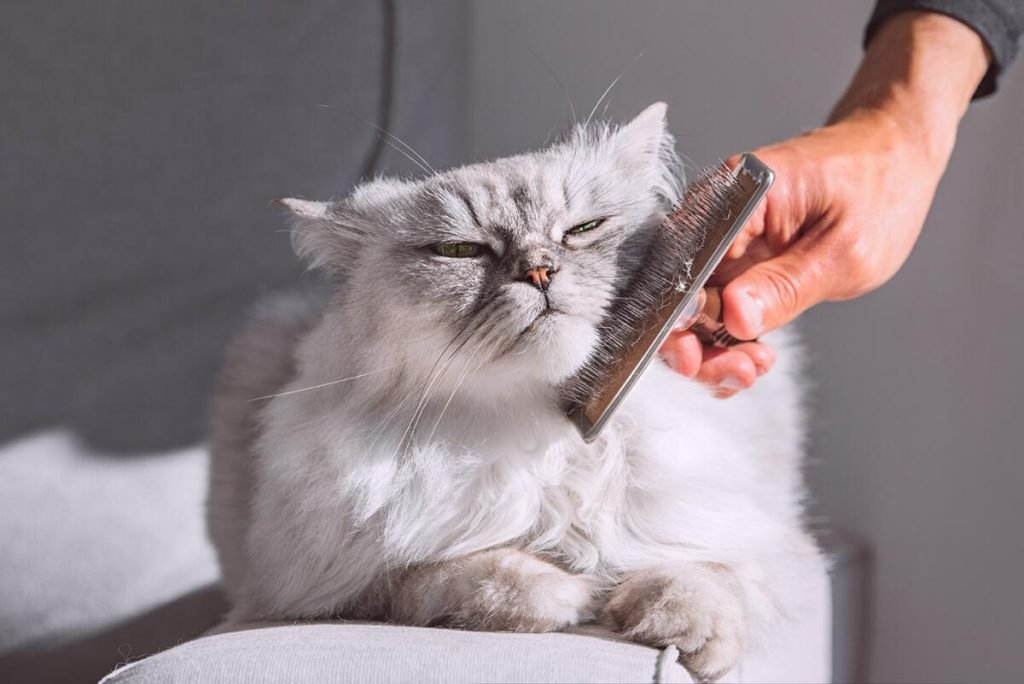
If you love your cat, you want them to look and feel their best every day. Groomed cats are not just about appearances—they’re happier, healthier, and more comfortable.
Imagine your furry friend with a shiny coat, free of tangles and mats, and a fresh, clean scent that makes cuddling even better. You’ll discover simple and effective grooming tips that anyone can follow. Whether you’re a seasoned cat owner or new to the game, these insights will help you keep your cat looking sleek and feeling fantastic.
Ready to unlock the secret to a perfectly groomed cat? Let’s dive in!
Benefits Of Grooming Cats
Grooming cats brings many benefits for both pets and their owners. It keeps cats healthy and happy. Regular grooming supports their natural beauty and well-being. Simple grooming habits can make a big difference.
Improved Coat Health
Brushing removes dirt and dead fur from the coat. It spreads natural oils, making fur shiny and soft. Grooming helps prevent mats and tangles that cause pain. A clean coat lowers the risk of skin infections.
Reduced Shedding
Regular grooming catches loose fur before it falls off. This reduces the amount of hair around the house. Less shedding means fewer hairballs and cleaner furniture. Grooming keeps your home more comfortable.
Prevention Of Hairballs
Cats swallow loose fur when they groom themselves. This fur can form hairballs in their stomachs. Brushing removes loose hair and lowers hairball risks. It supports better digestion and comfort for your cat.
Enhanced Comfort And Hygiene
Grooming helps spot fleas, ticks, or skin problems early. It keeps the cat’s body clean and fresh. Regular grooming reduces odor and discomfort. Cats feel more relaxed and cared for with grooming routines.

Credit: www.downtowntabbycattery.com
Essential Grooming Tools
Keeping your cat well-groomed requires the right set of tools. Having these essentials at hand makes grooming easier and more effective, turning a potentially stressful task into a bonding moment. Let’s look at the grooming tools that every cat owner should consider adding to their kit.
Types Of Brushes And Combs
Different fur types need different brushes. For short-haired cats, a rubber brush or a bristle brush works well to remove loose fur and dirt. Long-haired cats benefit from a slicker brush or a wide-toothed comb to detangle and prevent mats.
Try using a fine-toothed comb after brushing to catch any remaining knots or debris. I once saved my cat’s coat from a painful mat by switching to a softer slicker brush that didn’t irritate her sensitive skin. What brush suits your cat’s fur best?
Nail Clippers And Trimmers
Trimming your cat’s nails keeps them comfortable and protects your furniture. Use small, sharp clippers designed specifically for cats to avoid splitting nails. Guillotine-style clippers or scissors work well, but the choice depends on your comfort and your cat’s behavior.
Remember to trim just the tip to avoid the quick, which can cause pain and bleeding. Having a styptic powder nearby is a smart safety measure. Are you confident handling your cat’s claws, or could you use some practice?
Shampoos And Conditioners
Choose shampoos made specifically for cats, as human products can irritate their skin. Look for gentle, hypoallergenic formulas that suit your cat’s coat type and any skin sensitivities. Conditioners can help maintain softness and reduce tangles, especially for long-haired breeds.
Bathing can be tricky, so use lukewarm water and keep sessions short. My cat dislikes baths, but using a calming shampoo made the experience less stressful for both of us. Have you found a shampoo that works well with your cat’s skin?
Other Helpful Accessories
- Grooming gloves:Great for cats who dislike brushes; they allow you to pet while grooming.
- Deshedding tools:Tools like the FURminator can reduce shedding dramatically.
- Ear cleaners:Regular ear cleaning prevents infections and keeps your cat comfortable.
- Dental wipes:Oral hygiene is part of grooming and prevents bad breath and dental issues.
Each accessory adds value, depending on your cat’s needs and temperament. Have you tried grooming gloves or deshedding tools yet? They might just change the grooming game for you.
Step-by-step Grooming Routine
Grooming your cat regularly not only keeps them looking sharp but also supports their overall health. A clear routine helps you avoid stress for both you and your pet. Let’s break down the key parts of a grooming session that you can easily do at home.
Brushing Techniques
Choose a brush suited to your cat’s fur type—slicker brushes work well for long-haired cats, while rubber brushes suit short-haired ones. Brush gently in the direction of the fur growth to avoid discomfort.
Pay attention to common trouble spots like behind the ears and under the legs. If your cat resists, try short sessions and reward them with a treat. Have you noticed how brushing can become a bonding moment?
Bathing Your Cat
Bathing is not always necessary, but some cats benefit from occasional washes. Use lukewarm water and a cat-specific shampoo to protect their skin.
Keep the experience calm by speaking softly and avoiding water in the ears and eyes. Do you have a favorite trick to keep your cat relaxed during bath time?
Nail Care Tips
Regular nail trimming prevents damage to furniture and reduces the risk of painful scratches. Use a sharp, cat-specific nail clipper and avoid cutting too close to the quick—the pink area inside the nail.
Try clipping one or two nails at a time if your cat gets nervous. Offering a treat after each clipping can make a big difference. How often do you check your cat’s nails?
Cleaning Ears And Eyes
Check your cat’s ears weekly for dirt or wax buildup. Use a soft cloth or cotton ball dampened with a vet-approved ear cleaner to gently wipe the outer ear.
For the eyes, wipe away any discharge with a damp cotton ball, moving from the inner corner outward. Never use harsh chemicals or insert anything into the ear canal. Have you ever caught an ear infection early thanks to regular checks?
Credit: www.squeakycleangrooming.com
Handling Difficult Grooming Sessions
Handling difficult grooming sessions requires patience and care. Cats can become restless or scared during grooming. This makes the process harder for both the cat and the owner. Understanding how to calm and safely manage your cat helps reduce stress. It also makes grooming more effective and safer.
Calming Nervous Cats
Start by creating a quiet space for grooming. Speak softly to your cat to lower anxiety. Use slow, gentle movements to avoid startling them. Offer treats or toys as positive distractions. Short grooming sessions work better for nervous cats. Try grooming after playtime when your cat feels relaxed.
Safe Restraint Methods
Hold your cat gently but firmly to prevent sudden moves. Use a towel wrap to keep claws away safely. Avoid tight grips that can hurt or scare your cat. Keep your face away from claws and teeth. Use grooming tools designed for cats to reduce discomfort. Always stop if your cat shows signs of stress.
When To Seek Professional Help
Some cats may need expert grooming care. Choose a groomer experienced with anxious or aggressive cats. Professionals have tools and skills for tough grooming jobs. Seek help if your cat has mats or skin issues. Regular vet visits can also guide when professional grooming is needed. Never force grooming if it causes harm or fear.
Grooming For Different Cat Breeds
Grooming needs can vary widely depending on your cat’s breed. Understanding these differences helps you keep your feline friend comfortable and healthy. Let’s break down the grooming routines that suit various types of cats.
Long-haired Cats
Long-haired cats like Persians or Maine Coons need daily brushing to prevent mats and tangles. Their thick fur traps dirt and loose hair, which can cause discomfort and skin issues.
Using a wide-toothed comb and a slicker brush works best. Try to make grooming a calm and enjoyable time for your cat; a gentle approach reduces stress.
Short-haired Cats
Short-haired breeds such as the American Shorthair or Siamese have less intensive grooming needs. Brushing once or twice a week removes loose fur and reduces shedding.
Even short coats can benefit from regular combing to distribute natural oils and keep skin healthy. Have you noticed how your short-haired cat’s coat shines after a good brush?
Hairless Breeds
Hairless cats like the Sphynx require very different care. Without fur, their skin can get oily and dirty quickly, so regular baths are necessary.
Use gentle, hypoallergenic shampoos and clean their ears and nails often. These cats also need protection from sun exposure and cold weather, so grooming includes monitoring their environment.
Special Grooming Needs
Some cats have unique grooming needs due to health or age. Older cats may struggle to groom themselves properly, needing extra help with brushing and cleaning.
Additionally, cats with skin conditions or allergies might need specific shampoos or grooming routines recommended by your vet. Are you paying attention to changes in your cat’s grooming habits? They can signal health issues.
Seasonal Grooming Tips
Seasonal changes greatly affect your cat’s grooming needs. Adjusting how you care for your cat’s coat throughout the year helps keep them comfortable and healthy. Let’s look at practical tips for managing grooming during different seasons.
Summer Shedding Management
Summer heat makes many cats shed more than usual. Frequent brushing helps remove loose fur and prevents mats, which can trap heat and cause discomfort.
Try using a grooming glove or a fine-toothed comb to catch shedding fur before it spreads around your home. You might notice your cat enjoys the extra attention as well.
Does your cat seem restless or itchy during warm months? That could be a sign to increase grooming sessions and check their skin for dryness or irritation.
Winter Coat Care
Winter months bring cooler temperatures and thicker coats. Your cat’s fur acts as insulation, so avoid shaving or cutting it too short.
Instead, focus on gentle brushing to prevent tangles and distribute natural oils that keep their coat shiny and healthy. Check for dandruff or dry patches that might need moisturizing treatments.
Indoor heating can dry out your cat’s skin, so consider using a humidifier or special pet-safe conditioners to maintain moisture.
Adjusting Grooming Frequency
Your cat’s grooming needs don’t stay the same all year. Watch for changes in their coat texture, shedding patterns, and skin condition to decide how often to groom them.
Long-haired cats may need daily brushing during heavy shedding seasons, while short-haired cats might do fine with weekly grooming. Pay attention to how your cat reacts—some prefer shorter, more frequent sessions.
Have you noticed your cat’s grooming habits change with the seasons? Matching your efforts to their natural cycle can make a big difference in their comfort and health.
Common Grooming Mistakes To Avoid
Grooming your cat is essential for their health and happiness, but it’s easy to slip up without realizing it. Mistakes in grooming can cause discomfort and even harm your feline friend. Knowing what to avoid helps you keep your cat looking and feeling their best.
Over-bathing
Giving your cat too many baths can strip away natural oils from their fur and skin. Cats generally clean themselves well, so bathing once every few weeks or only when necessary is enough.
Have you noticed your cat’s skin becoming dry or flaky after frequent baths? That’s a sign you need to cut back.
Using The Wrong Tools
Using brushes or combs not designed for your cat’s coat type can cause discomfort or damage. For example, a slicker brush may be perfect for long-haired cats but too harsh for short-haired breeds.
Invest in grooming tools suited to your cat’s fur texture and length. Trying different types can make grooming easier for both of you.
Ignoring Skin Issues
It’s easy to miss early signs of skin problems like redness, bumps, or excessive scratching. Ignoring these signs can lead to infections or other serious issues.
Check your cat’s skin regularly during grooming sessions. If you spot anything unusual, consult your vet promptly to address the problem before it worsens.
Boosting Your Cat’s Appearance
Boosting your cat’s appearance goes beyond just regular brushing. It’s about creating moments that enhance their natural beauty while keeping them comfortable and healthy. When you focus on styling, safe grooming products, and diet, you’ll see a noticeable difference in your cat’s coat and overall look.
Styling Tips
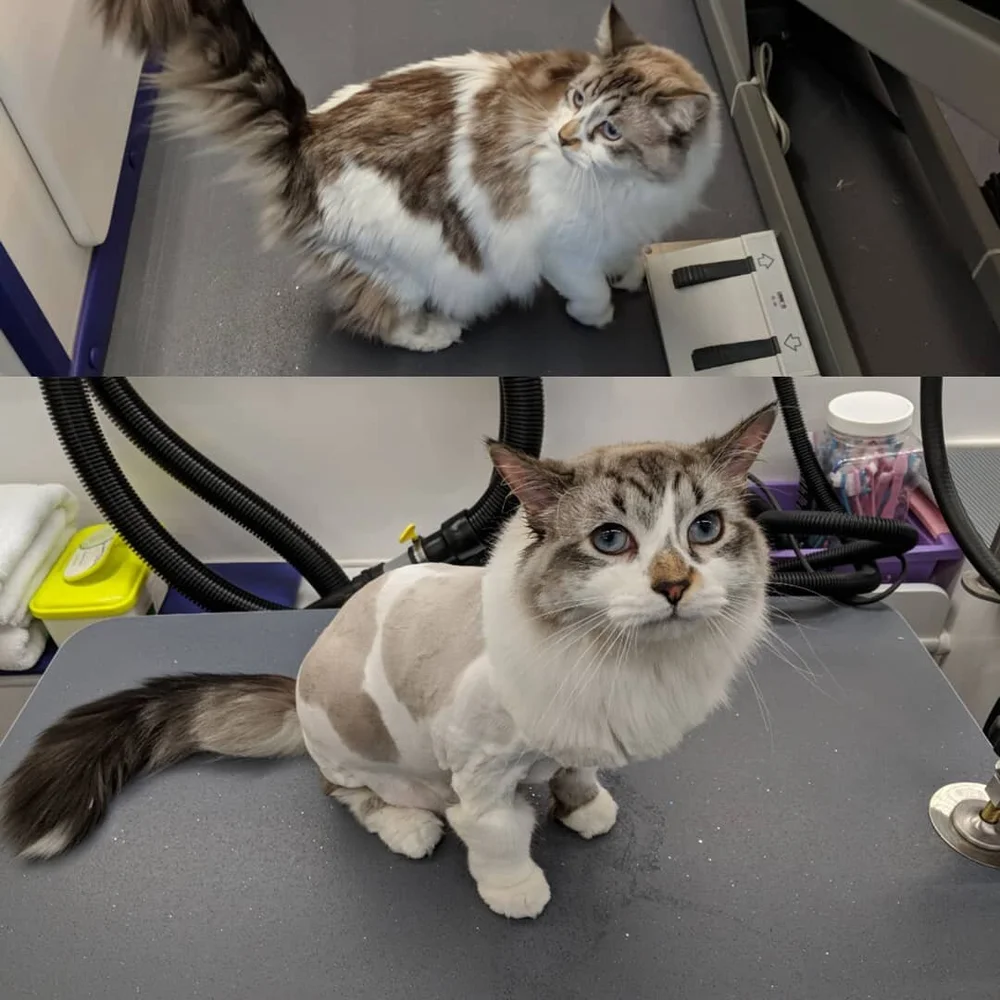
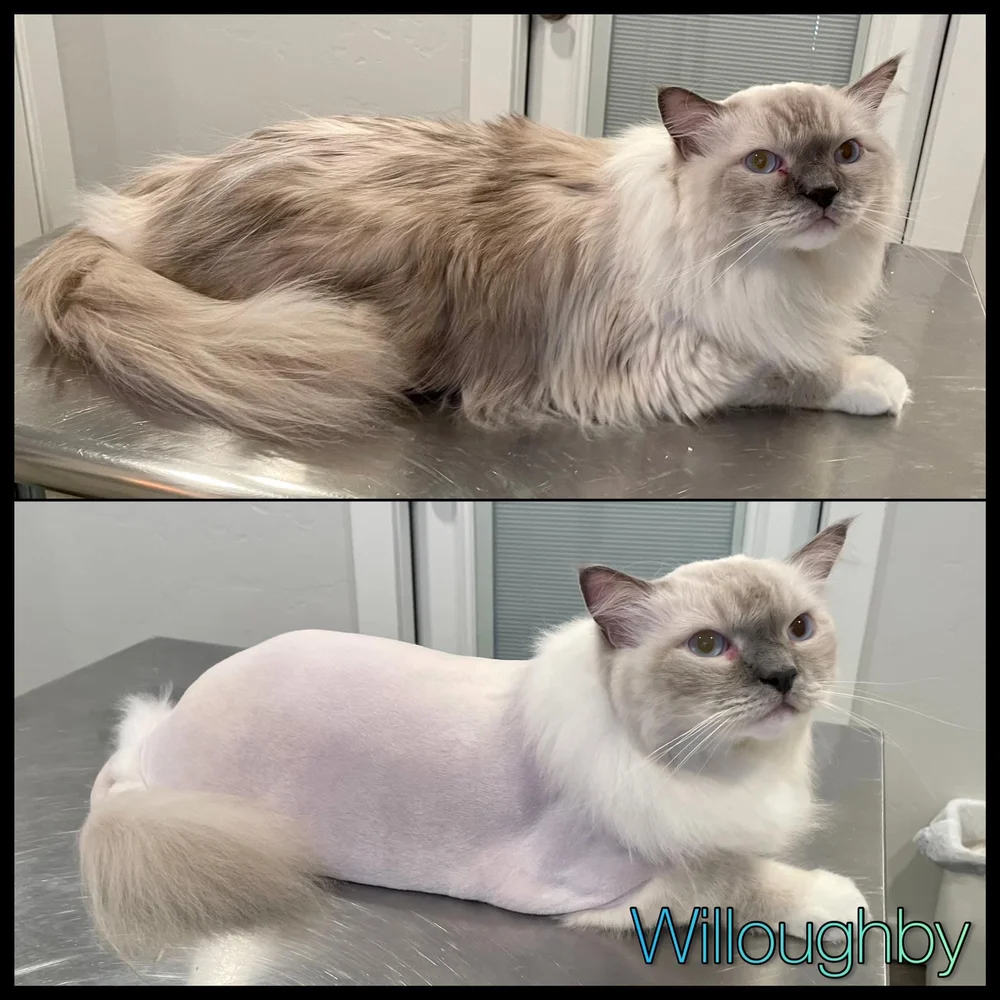
Styling your cat’s fur can be a fun way to show off their personality. Use a gentle brush to create smooth, sleek looks or a fluffy, tousled style depending on their fur type. Try trimming the fur around their face and paws carefully to keep them looking neat and sharp.
Have you noticed how certain combing directions can make your cat’s coat shine brighter? Brushing in the direction of hair growth helps reduce tangles and spreads natural oils evenly. Always keep sessions short and positive to avoid stressing your feline friend.
Safe Use Of Cat-friendly Products
Not all grooming products are safe for cats. Always choose shampoos, conditioners, and sprays made specifically for felines. These products avoid harsh chemicals that can irritate your cat’s skin or cause allergic reactions.
Test any new product on a small patch of fur before full use. If your cat shows signs of discomfort or redness, discontinue immediately. Remember, less is more when it comes to sprays and gels; a light touch is best.
Healthy Diet For A Shiny Coat
Your cat’s coat reflects what’s inside. Feeding a balanced diet rich in omega-3 and omega-6 fatty acids helps promote a glossy, soft coat. Consider adding supplements like fish oil after consulting with your vet.
Hydration also plays a big role in skin and fur health. Make sure your cat has fresh water available at all times. Have you tried mixing wet food with dry kibble to increase moisture intake? Many cats enjoy the texture, and it supports their coat’s shine.
Credit: www.downtowntabbycattery.com
Frequently Asked Questions
What Are The Benefits Of Grooming Cats Regularly?
Regular grooming keeps cats’ coats clean and reduces shedding. It prevents matting and skin issues, and promotes bonding between owner and pet.
How Often Should You Groom A Cat?
Cats should be groomed at least once a week. Long-haired breeds may need daily grooming to avoid tangles and mats.
Can Grooming Reduce Cat Hair Allergies?
Yes, grooming removes loose hair and dander. This helps reduce allergens in your home and minimizes allergic reactions.
What Tools Are Best For Grooming Cats?
Use a soft-bristle brush for short hair and a wide-tooth comb for long hair. Nail clippers and grooming wipes are also useful.
Conclusion
Grooming your cat keeps its fur clean and healthy. It also helps reduce hairballs and shedding. Regular brushing builds trust and comfort between you and your pet. Cats enjoy gentle care and attention. Small daily efforts make a big difference in their happiness.
A well-groomed cat looks beautiful and feels good. Take time to care for your furry friend every day. Simple grooming habits create a strong bond and a happy home.
