

Are you looking to give your cat a fresh, stylish look that stands out? Groomed cat styles are more than just a way to keep your furry friend neat—they can highlight your cat’s personality and keep them comfortable all year round.
Whether your cat has long, flowing fur or a sleek short coat, there’s a grooming style that fits perfectly. You’ll discover the top groomed cat styles, easy tips to maintain them, and how the right look can make your cat the star of any room.
Ready to transform your cat’s appearance and boost their comfort? Let’s dive in!
Credit: nationalcatgroomers.com
Popular Cat Grooming Styles
Popular cat grooming styles offer a fun way to keep your feline friend comfortable and stylish. Choosing the right cut depends on your cat’s coat type, personality, and your grooming goals. Whether you want to reduce shedding, prevent mats, or just give your cat a fresh look, these styles are practical and easy to maintain.
Lion Cut
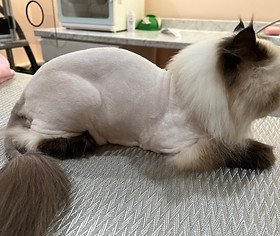
The Lion Cut is bold and practical. It involves shaving most of your cat’s body while leaving a mane of fur around the head, neck, and sometimes the tip of the tail. This style helps reduce heavy shedding and keeps long-haired cats cool during hot months.
Many cat owners find this cut perfect for avoiding mats without shaving the entire coat. Have you noticed how much easier brushing can be with a Lion Cut?
Teddy Bear Cut
The Teddy Bear Cut gives your cat a soft, rounded look, much like a plush toy. The fur is trimmed evenly all over the body, usually to about one inch in length. This style keeps your cat looking adorable while making grooming less time-consuming.
It’s a great option for cats with medium to long fur who need regular maintenance but still want to keep some fluff. Could this be the perfect balance of style and comfort for your cat?
Kitty Mohawk
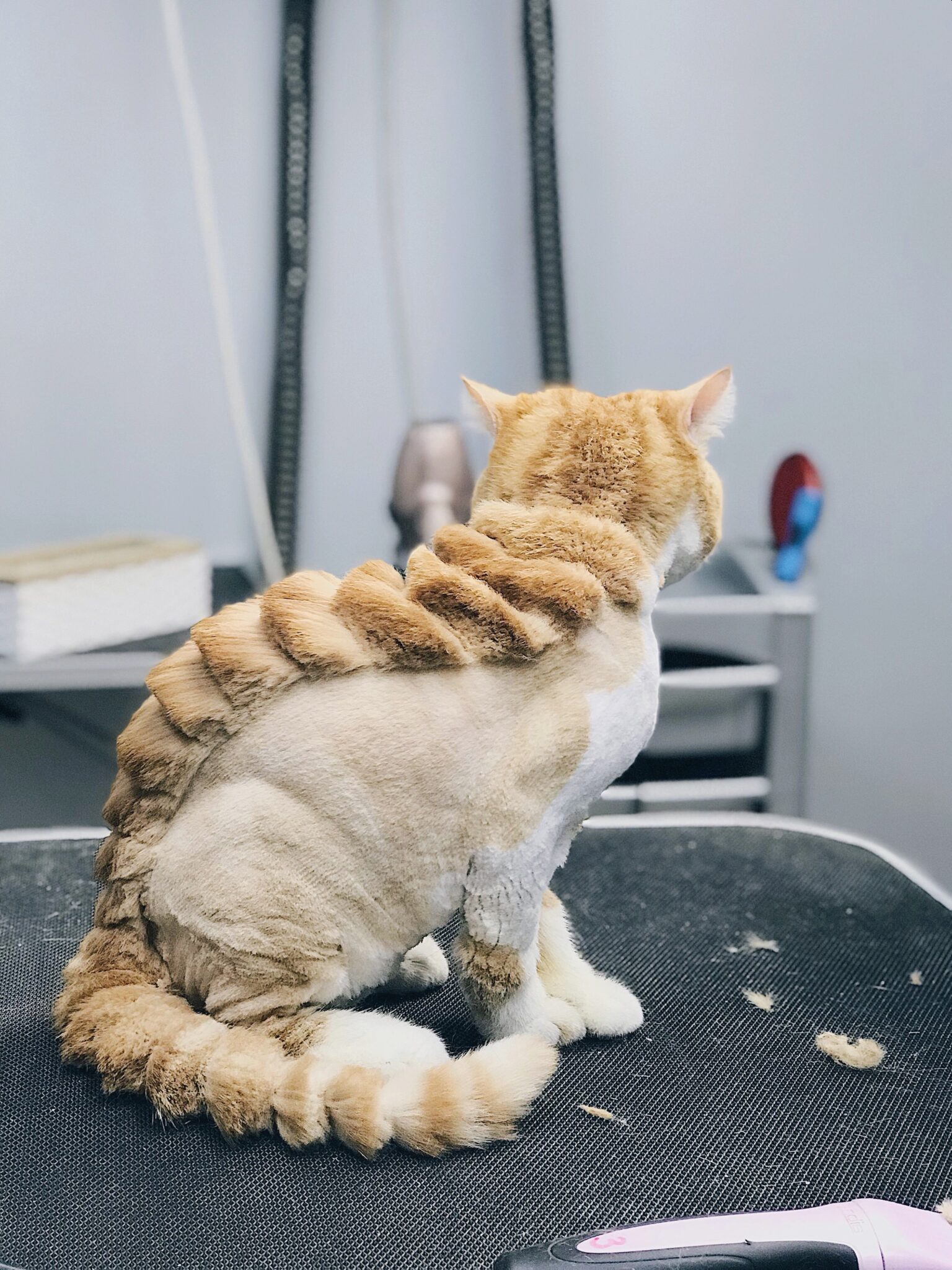
The Kitty Mohawk is for owners who want a little edge in their cat’s grooming style. It features a strip of longer fur running from the head down the spine, with the rest of the fur trimmed short. This look is playful and suits cats with confident personalities.
It’s also a conversation starter! If your cat had a hairstyle, would you pick something classic or daring like the Mohawk?
Short Trim
A Short Trim simply involves cutting the cat’s fur short all over the body. It’s practical for cats that shed heavily or have thick coats prone to matting. This style requires minimal upkeep and keeps your cat feeling light and fresh.
This style can help reduce hairballs and keep your home cleaner. How much time could you save on daily brushing with a Short Trim?
Natural Look
Some cat owners prefer to keep their pets looking natural, just tidying up around the face, paws, and sanitary areas. This style respects the cat’s natural coat texture and length without major changes. It’s ideal for cats with coats that don’t mat easily or for owners who want low-maintenance grooming.
Maintaining a natural look can still prevent discomfort and matting if done regularly. How often do you check your cat’s coat for small tangles or dirt?
Credit: vogdog.com
Choosing The Right Style
Choosing the right grooming style for your cat goes beyond aesthetics. It involves understanding your cat’s unique needs and lifestyle to keep them comfortable and healthy. The ideal style balances beauty with practicality, ensuring your cat feels good and looks great.
Consider Cat’s Breed
Each cat breed has distinct fur characteristics that influence grooming styles. Persian cats, with their long, dense coats, benefit from styles that prevent matting, like the lion cut. Meanwhile, short-haired breeds such as the Siamese require minimal trimming but regular brushing to remove loose hair.
Think about your cat’s natural look. Does a dramatic change suit their personality or would a subtle trim work better? Matching the style to breed traits helps maintain your cat’s natural charm and health.
Assessing Fur Type
Is your cat’s fur fine, thick, curly, or straight? This affects how often you should groom and what styles work best. Thick, dense fur may need more frequent trims to avoid tangles, while fine fur might require gentle brushing to prevent damage.
Observe how your cat’s fur reacts to grooming tools. Does it tangle easily or shed a lot? Choosing the right grooming style means picking one that complements the texture and keeps your cat comfortable.
Age And Health Factors
Older cats or those with health issues might struggle with extensive grooming sessions. They may benefit from shorter, simpler cuts that reduce the need for frequent brushing. Conversely, young and healthy cats often tolerate more elaborate styles.
Have you noticed your cat avoiding grooming or seeming stressed? Adjusting the style to their health can improve their comfort and reduce anxiety. Always consult your vet if you’re unsure about what suits your cat’s condition.
Seasonal Grooming Needs
Seasonal changes impact your cat’s fur and skin condition. In summer, a shorter cut can help keep your cat cool and reduce shedding. During colder months, a longer style may provide extra warmth and protection.
Do you notice your cat shedding more during spring or fall? Planning grooming around seasons helps manage fur health and keeps your home cleaner. Tailor your grooming routine to the climate your cat lives in for the best results.
Tools For Grooming
Grooming your cat requires the right tools. Proper equipment makes grooming easier and more effective. It helps keep your cat comfortable and looking great. Using the right tools also reduces stress for both you and your pet.
Essential Brushes And Combs
Brushes and combs remove loose fur and prevent mats. A slicker brush works well for most cats. It removes tangles and dead hair gently. A metal comb helps check for fleas and smooth out fur. Choose tools based on your cat’s coat type.
Clippers And Scissors
Clippers trim thick or long fur quickly. Use quiet, low-vibration clippers to avoid scaring your cat. Scissors help with detailed trimming around the face and paws. Rounded-tip scissors are safer for sensitive areas. Keep blades sharp for smooth cuts.
Grooming Gloves
Grooming gloves are great for gentle brushing. They remove loose fur while petting your cat. Gloves offer a calming touch, making grooming less stressful. They work well on short-haired cats and sensitive skin. Easy to use and clean.
Bathing Supplies
Bathing needs gentle shampoo made for cats. Use a non-slip mat to keep your cat steady. Soft towels help dry your cat after the bath. A gentle spray nozzle or cup makes rinsing easy. Keep bath time calm and quick for best results.
Step-by-step Grooming Process
Grooming your cat helps keep its coat healthy and shiny. A good grooming routine also strengthens your bond. The process involves careful steps to make your cat comfortable. Each step is important for a neat and safe grooming session.
Preparing Your Cat
Choose a quiet, calm place for grooming. Gently pet your cat to relax it. Have all tools ready: comb, brush, scissors, and shampoo. Talk softly to keep your cat calm. Watch for signs of stress and pause if needed.
Brushing And Detangling
Start with a gentle brush to remove loose hair. Use a wide-tooth comb to find tangles. Hold the fur close to skin to avoid pulling. Work through mats slowly and patiently. Regular brushing prevents hairballs and skin problems.
Bathing Tips
Use warm water, not hot or cold. Wet your cat slowly, avoiding the face. Apply cat-safe shampoo and lather gently. Rinse thoroughly to remove all soap. Dry your cat with a soft towel and keep it warm.
Clipping And Trimming
Use sharp, clean clippers or scissors. Trim fur around paws and sanitary areas carefully. Avoid cutting too close to the skin. Check for ticks or skin issues while trimming. Keep your cat calm with breaks if needed.
Finishing Touches
Brush your cat again for a smooth finish. Clean ears with a damp cloth if dirty. Trim nails carefully to avoid injury. Reward your cat with treats and praise. Regular grooming keeps your cat happy and healthy.
Safety Tips For Grooming
Grooming your cat is important for their health and appearance. Safety is key during grooming to keep your pet calm and injury-free. Knowing how to handle nervous cats, avoid common injuries, and when to get professional help makes grooming easier and safer.
Handling Nervous Cats
Some cats feel scared during grooming. Speak softly to calm them. Use gentle, slow movements. Let your cat sniff the tools before starting. Take breaks if the cat shows stress. A calm environment helps reduce fear. Wrap your cat in a towel if needed. This prevents sudden movements and keeps claws away. Patience is very important.
Avoiding Common Injuries
Sharp tools can hurt your cat. Always use grooming scissors and clippers made for pets. Check blades for sharpness to avoid pulling fur. Keep a first aid kit nearby. Trim nails carefully to avoid cutting the quick. Hold your cat steady but gently. Watch for signs of discomfort or pain. Stop grooming if your cat struggles too much. Clean tools before and after use to prevent infections.
When To Seek Professional Help
Some cats need expert grooming. Choose a professional if your cat is very anxious. Large mats or tangles may require special care. If your cat has skin problems, a groomer can help. Professionals have experience with difficult cats. They use safe techniques and proper tools. Seek help if grooming causes stress or injury. Your vet can also recommend good groomers.
Benefits Of Regular Grooming
Regular grooming offers more than just a polished look for your cat. It plays a crucial role in maintaining their overall health and happiness. By setting aside time to groom your furry friend, you can enjoy several benefits that improve both their physical condition and your relationship.
Improved Coat Health
Grooming helps remove dirt, debris, and loose hair from your cat’s coat. This keeps their fur clean and shiny, which is a clear sign of good health.
Brushing also distributes natural oils throughout the coat, preventing dryness and irritation. Have you noticed how a well-groomed cat’s fur feels softer and looks more vibrant? That’s the direct result of regular grooming sessions.
Reduced Shedding
Shedding can be a hassle, especially if you share your home with your cat. Grooming regularly reduces the amount of loose hair around your house by catching it before it falls off.
This means fewer hairballs for your cat and less cleaning for you. Imagine how much easier it is to keep your living space tidy with a consistent grooming routine.
Early Detection Of Skin Issues
While grooming, you get a chance to closely inspect your cat’s skin for unusual bumps, redness, or parasites. Catching these problems early can make a big difference in treatment success.
Have you ever found a small issue during grooming that saved your cat from discomfort later? This proactive check can prevent minor problems from turning into serious health concerns.
Strengthened Bond With Your Cat
Grooming isn’t just practical; it’s a way to spend quality time with your cat. Many cats enjoy the gentle touch and attention, which builds trust and deepens your connection.
When you groom your cat, you show care and patience, helping them feel safe and loved. Could this be the secret to a calmer, happier pet?
Diy Vs Professional Grooming
Choosing between DIY grooming and professional grooming depends on your cat’s needs and your skills. Both options offer benefits and challenges. Understanding these can help keep your cat healthy and comfortable.
Pros And Cons Of Diy
DIY grooming saves money and builds a bond with your cat. You control the schedule and use familiar tools. It also helps your cat get used to handling.
Challenges include the risk of injury and incomplete grooming. Some cats resist being groomed at home. It takes time and patience to learn proper techniques.
- Pros:Cost-effective, flexible timing, builds trust
- Cons:Risk of cuts or stress, time-consuming, skill needed
When To Choose A Groomer
Professional grooming suits cats with thick or long fur. It helps prevent mats and skin problems. Groomers handle difficult tasks like nail trimming and ear cleaning.
Choose a groomer if your cat is anxious or aggressive during grooming. Professionals provide safe, calm environments and use proper tools. Regular visits maintain your cat’s health and appearance.
Finding A Trusted Groomer
Look for groomers with good reviews and experience with cats. Ask about their training and handling methods. Visit the salon to check cleanliness and equipment.
Trust is key. Your cat’s safety and comfort come first. Choose someone who listens to your concerns and answers questions clearly.

Credit: www.fantasticfelines.com.au
Frequently Asked Questions
What Are The Popular Groomed Cat Styles?
Popular groomed cat styles include the lion cut, teddy bear cut, and kitten cut. Each style suits different cat breeds and coat types. These styles help reduce shedding and matting. Grooming also improves your cat’s comfort and appearance.
How Often Should I Groom My Cat?
Groom your cat every 4 to 6 weeks for best results. Long-haired cats may need more frequent grooming. Regular grooming prevents mats, reduces hairballs, and keeps skin healthy. It also strengthens your bond with your pet.
Can Groomed Cat Styles Affect Cat Health?
Yes, groomed styles can improve cat health by preventing mats and skin infections. Proper grooming helps detect parasites early. It also reduces stress caused by tangled fur. Always use safe grooming techniques to avoid cuts or irritation.
Which Cat Breeds Need Special Grooming Styles?
Long-haired breeds like Persians and Maine Coons need special grooming styles. These breeds benefit from trims that prevent mats and tangles. Short-haired breeds require less frequent grooming but still need regular care. Grooming style depends on coat type and lifestyle.
Conclusion
Groomed cat styles help keep your pet clean and happy. Regular grooming prevents mats and skin problems. Different styles suit various cat breeds and personalities. Choose a style that matches your cat’s needs and comfort. Simple trims work well for most cats.
Always be gentle and patient during grooming. Enjoy the bonding time with your furry friend. A well-groomed cat looks healthy and feels good. Try different styles to find what fits best. Keep grooming a regular part of your cat’s care routine.
