

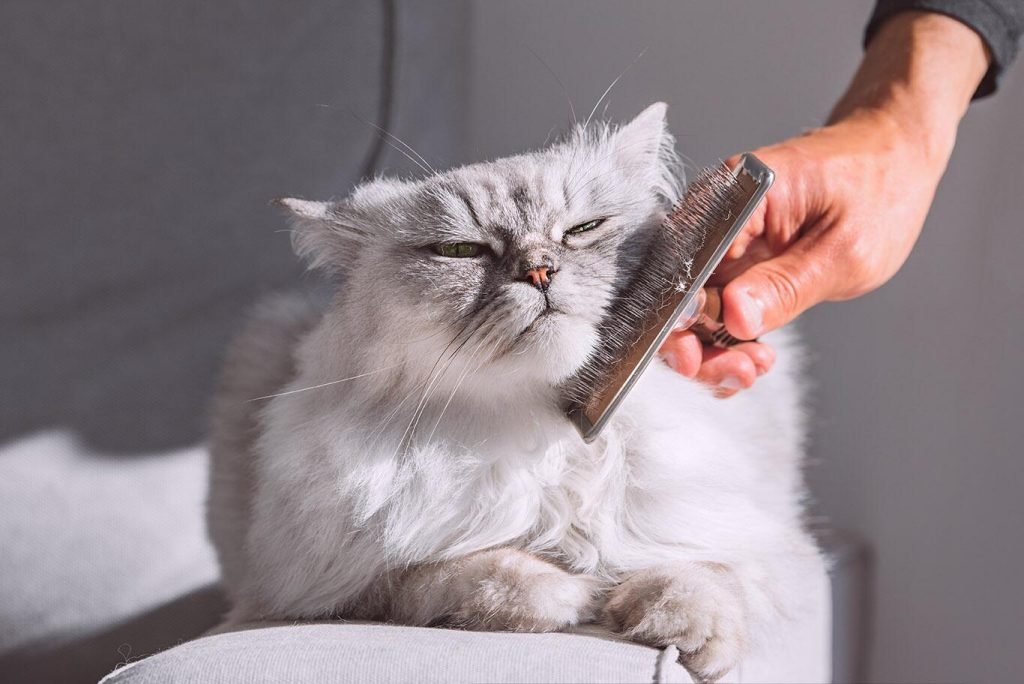
If you want your cat to look and feel its best, grooming is key. A well-groomed cat isn’t just more beautiful—it’s healthier and happier too.
You might wonder how to keep your furry friend’s coat shiny, tangle-free, and comfortable. This guide will show you simple, effective ways to groom your cat at home. By the end, you’ll have the tools to make grooming a stress-free and even enjoyable part of your routine.
Ready to discover the secrets to a perfectly groomed cat? Let’s dive in!
Credit: tipptotail.com
Benefits Of Grooming
Regular grooming offers more than just a polished look for your cat. It plays a crucial role in maintaining their overall health and comfort. Understanding these benefits can motivate you to make grooming a consistent part of your routine.
Improved Coat Health
Grooming helps remove dirt, debris, and loose hair from your cat’s coat, keeping it clean and shiny. It stimulates natural oils in the skin, which nourish the fur and prevent dryness. Have you noticed how your cat’s coat looks brighter and feels softer after a good brushing session?
Reduced Shedding
Brushing your cat regularly cuts down on shedding by catching loose hairs before they fall around your home. This can make a big difference if you share your space with others or have allergies. Plus, it means less vacuuming for you!
Prevention Of Matting
Mats can be uncomfortable and even painful for cats if left untreated. Grooming breaks up knots and tangles early, preventing them from becoming tight mats. This is especially important for long-haired breeds that are prone to matting.
Enhanced Bonding
Taking time to groom your cat creates a special moment between you. It builds trust and lets your cat know you care about their wellbeing. How often do you spend quiet, focused time just connecting with your pet?
Choosing The Right Tools
Choosing the right tools for grooming your cat can make a huge difference in how smooth and enjoyable the process becomes. The right equipment helps keep your cat comfortable while making your job easier. Let’s look at what tools work best for different grooming needs.
Brush Types For Different Coats
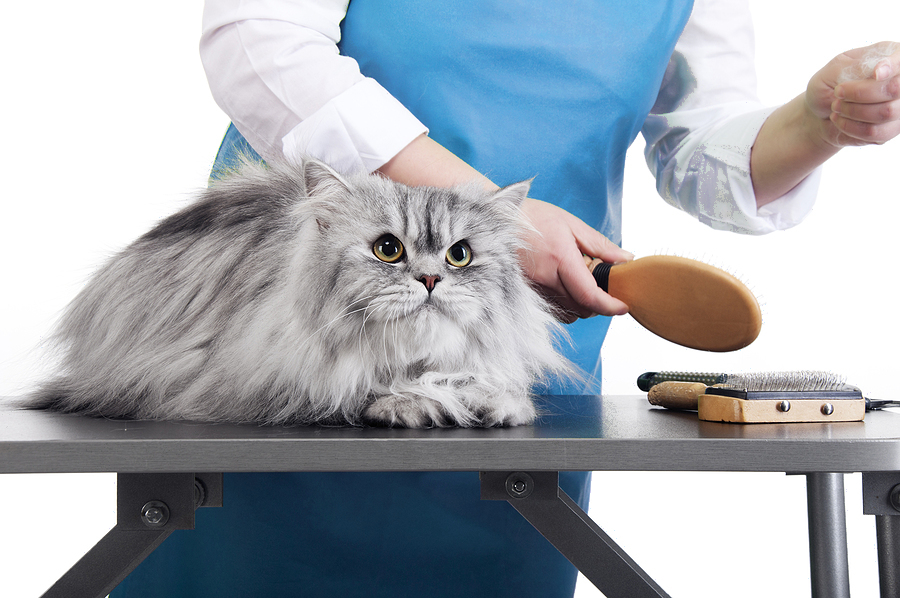
Your cat’s coat type determines the best brush to use. Short-haired cats benefit from a soft bristle brush that removes loose fur without irritating their skin. For long-haired cats, a slicker brush works well to detangle and remove mats gently.
Some cats have sensitive skin, so a rubber brush can provide a gentle massage while cleaning. Have you noticed how your cat reacts to different brushes? Observing their comfort can guide you to pick the perfect one.
Selecting Nail Clippers
Choosing the right nail clippers is crucial to avoid hurting your cat or causing stress. Guillotine-style clippers are great for precision cutting, especially if your cat’s nails are small. Scissor-style clippers offer more control and are often easier for beginners to handle.
Consider clippers with a safety guard to prevent cutting too deep. Have you tried trimming nails with dull clippers before? Sharp, well-maintained clippers make the process quicker and safer.
Using Grooming Wipes
Grooming wipes are handy for quick cleanups between baths. They help remove dirt, dander, and minor odors while being gentle on your cat’s skin. Look for wipes that are hypoallergenic and free from harsh chemicals.
Keep grooming wipes handy to freshen up your cat after outdoor adventures or play sessions. How often do you clean your cat’s fur without a full bath? Wipes can be a simple and effective solution.
Brushing Techniques
Brushing your cat is more than just a grooming task; it’s a way to build trust and keep their coat healthy. Using the right brushing techniques can make the experience pleasant for both you and your feline friend. Let’s break down how often, how long, and how to handle tricky spots during brushing sessions.
Frequency And Duration
How often you brush your cat depends on their fur type. Short-haired cats may only need brushing once or twice a week, while long-haired breeds benefit from daily sessions.
Keep each session short but consistent. Five to ten minutes is often enough to cover your cat’s entire coat without overwhelming them.
Try to watch your cat’s reactions. If they seem restless or annoyed, consider shorter, more frequent sessions instead of one long one.
Handling Sensitive Areas
Some parts of your cat’s body are more sensitive, like the belly, tail, and behind the ears. Approach these areas gently to avoid causing discomfort.
Use a softer brush or your fingers to stroke these spots first, building your cat’s trust before using firmer tools. You might find your cat prefers one technique over the other.
Have you noticed your cat tensing up at certain spots? Pause and try a different angle or a lighter touch. Patience here pays off.
Dealing With Tangles
Tangles can be painful if pulled too hard. Use a detangling spray or a wide-toothed comb to loosen mats carefully before brushing.
Start at the ends of the fur and work your way toward the skin, never pulling from the root. This reduces discomfort and prevents damage to your cat’s coat.
If a tangle is too tight, consider cutting it out or asking a professional groomer for help. Have you ever struggled with a stubborn mat? Sharing tips can help others avoid the same frustration.
Credit: hellopetsinc.com
Bathing Your Cat
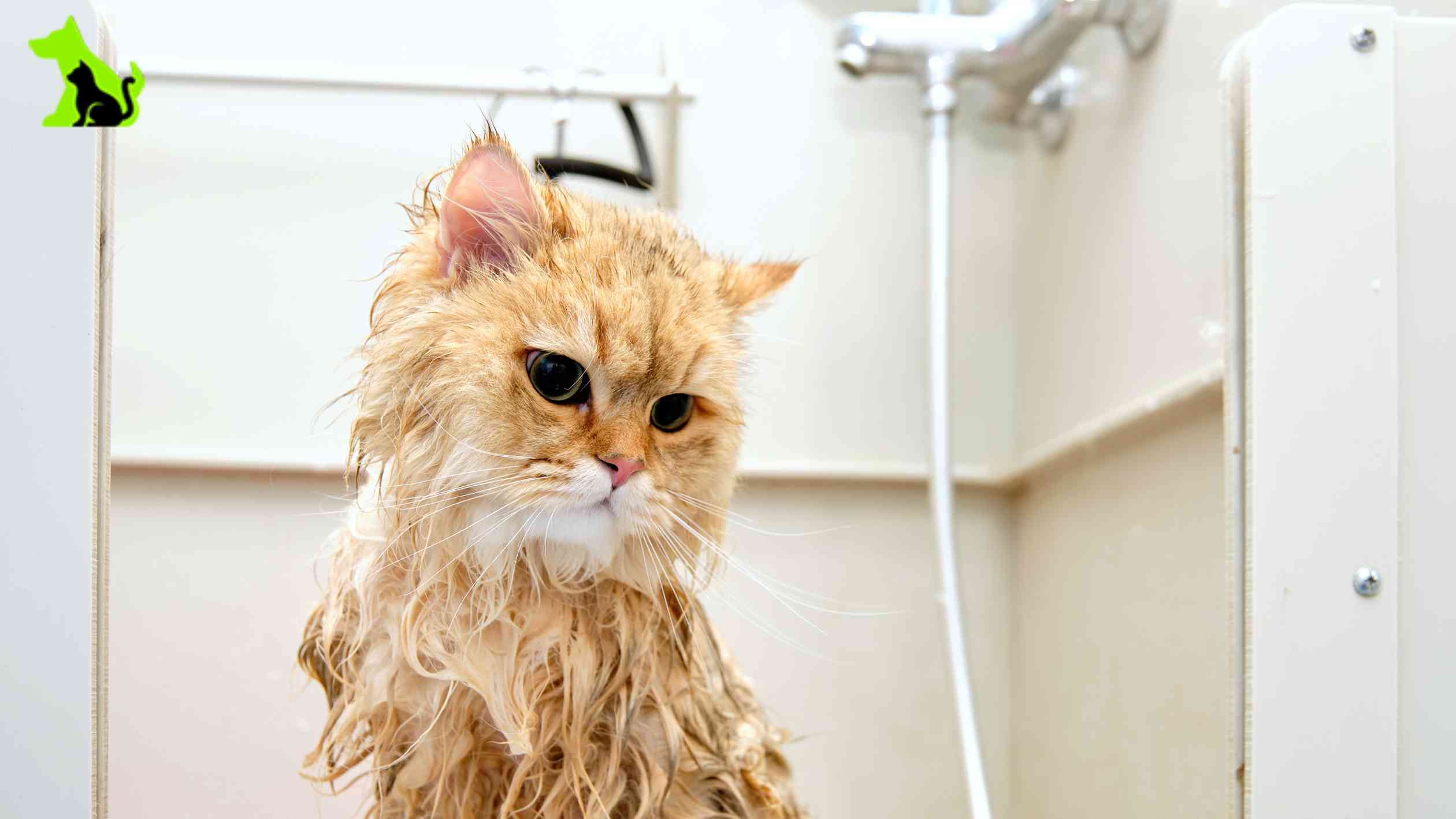
Bathing your cat may seem tricky. Cats naturally groom themselves, but baths can help keep them clean and healthy. Some cats need baths more than others. Knowing how and when to bathe your cat makes the process easier and less stressful for both of you.
When To Bathe
Bathe your cat only when necessary. Cats rarely need baths unless they get very dirty. If your cat has fleas, sticky substances on fur, or skin problems, a bath can help. Long-haired cats may need baths more often. Avoid bathing if your cat is very young, sick, or stressed.
Safe Shampoo Options
Use shampoos made specifically for cats. Human shampoos or dog shampoos can harm your cat’s skin. Choose gentle, fragrance-free products. Look for shampoos that say “for cats” on the label. If your cat has sensitive skin, find hypoallergenic or medicated shampoos recommended by a vet.
Step-by-step Bathing Process
- Brush your cat’s fur before the bath to remove loose hair.
- Fill the sink or tub with a few inches of warm water.
- Place a rubber mat or towel on the bottom to prevent slipping.
- Gently wet your cat’s body using a cup or sprayer, avoiding the head.
- Apply a small amount of cat shampoo and lather carefully.
- Rinse thoroughly with warm water until all shampoo is gone.
- Use a towel to dry your cat as much as possible.
- Keep your cat warm until fully dry.
Nail Care Tips
Taking care of your cat’s nails is a crucial part of grooming that often gets overlooked. Healthy nails keep your cat comfortable and protect your furniture and skin. Nail care doesn’t have to be stressful—knowing the right techniques makes the process smoother for both you and your feline friend.
Trimming Frequency
How often you trim your cat’s nails depends on their lifestyle. Indoor cats usually need nail trims every 10 to 14 days since they don’t wear down their nails naturally. Outdoor cats might require less frequent trims due to natural wear from climbing and scratching.
Pay attention to how quickly your cat’s nails grow. If you notice your cat’s claws clicking on hard floors or snagging on fabric, it’s time for a trim. Regular checks help avoid overgrown nails, which can cause discomfort or injury.
Avoiding Overcuts
Cutting too close to the quick—the pink part inside the nail—causes pain and bleeding. To prevent this, use a good light source and look carefully before cutting. If your cat has dark nails, trim small bits at a time to reduce the risk.
Stop immediately if you see any blood. Keep styptic powder or cornstarch nearby to quickly stop bleeding if you accidentally overcut. Staying calm and gentle during the trim helps your cat stay relaxed and less likely to pull away.
Alternatives To Clipping
If clipping feels too difficult or stressful, consider alternatives like nail caps. These small, soft covers protect your furniture and skin without hurting your cat. They need replacing every 4 to 6 weeks, which matches typical nail growth.
Another option is regular scratching posts. Encourage your cat to use them by placing posts in favorite resting spots and adding catnip. Scratching naturally files nails down and reduces the need for frequent trims.
Credit: www.zoomzoomgroom.com
Ear And Eye Maintenance
Keeping your cat’s ears and eyes clean is essential for their comfort and health. These areas can easily collect dirt, wax, or discharge, which might lead to infections if ignored. Regular maintenance helps catch problems early and keeps your furry friend happy and healthy.
Cleaning Routine
Start by gently wiping your cat’s eyes and ears with a soft, damp cloth. Use a separate cloth for each eye to avoid spreading any potential infection. For ears, avoid inserting anything deep inside; just clean the visible outer part.
Make it part of your weekly grooming routine. Notice how your cat reacts—some may tolerate it well, while others need a calmer approach or breaks in between. Your patience here can make a big difference.
Signs Of Infection
Watch for redness, swelling, or unusual discharge in your cat’s ears and eyes. Excessive scratching or shaking of the head can also signal discomfort. If you see a foul smell or your cat seems in pain, it’s time to consult a vet.
Ignoring these signs can lead to more serious issues. Have you ever noticed your cat suddenly scratching more than usual? That might be your cue to check their ears and eyes closely.
Safe Cleaning Products
Choose products designed specifically for cats to avoid irritation. Look for gentle, non-toxic solutions like saline wipes or vet-approved ear cleaners. Avoid using alcohol, hydrogen peroxide, or any human products, as these can harm your pet.
Test any new product on a small area first to see if your cat has a reaction. If you’re unsure, ask your vet for recommendations tailored to your cat’s needs and sensitivities.
Managing Shedding And Hairballs
Shedding and hairballs can be frustrating for both you and your cat. Managing these issues effectively improves your cat’s comfort and keeps your home cleaner. Understanding how diet, grooming, and remedies affect shedding and hairballs can make a real difference.
Dietary Adjustments
Your cat’s diet plays a huge role in the quality of its coat and how much it sheds. Foods rich in omega-3 and omega-6 fatty acids help strengthen hair follicles and reduce shedding. Adding supplements like fish oil can sometimes lead to noticeable improvements.
Have you ever noticed your cat’s fur becoming dull or patchy? That could be a sign of nutritional gaps. Switching to a high-quality, balanced diet designed for skin and coat health might reduce hair loss and make grooming easier.
Regular Grooming Impact
Brushing your cat regularly prevents loose fur from ending up all over your furniture. Even a few minutes daily can dramatically cut down shedding and hairball formation. It also gives you a chance to check for skin issues early.
I once started brushing my cat every evening, and the amount of hair on the floor dropped by half within a week. Plus, it became a bonding time that my cat actually looked forward to. Don’t underestimate how much regular grooming controls shedding.
Using Hairball Remedies
If hairballs are a persistent problem, there are several remedies to try. Lubricating gels and pastes help the hair pass through the digestive system more easily. These products are easy to use and often well-tolerated by cats.
Some cat owners find that adding a small amount of pumpkin or fiber to their cat’s diet helps move hair along naturally. Have you tried any hairball remedies with your cat? Observing how your pet responds can guide you to the best solution.
Handling Grooming Challenges
Grooming your cat can sometimes feel more challenging than rewarding. Cats have unique personalities, and some resist grooming more than others. Understanding how to handle these challenges can make the process smoother for both you and your feline friend.
Calming Anxious Cats
Many cats become anxious when faced with grooming tools or unfamiliar handling. You can help by creating a calm environment—soft lighting, gentle voices, and slow movements work wonders.
Try using a familiar blanket or towel to wrap your cat gently. This gives them a sense of security and limits sudden movements.
Have you noticed how your cat reacts to different grooming tools? Sometimes switching to a softer brush or using treats during grooming can ease their anxiety.
Dealing With Aggression
Aggression during grooming is often a sign of fear or discomfort. Recognize the warning signs early, like tail flicking, hissing, or growling, and pause before it escalates.
Break grooming sessions into shorter intervals to prevent your cat from becoming overwhelmed. Reward calm behavior with treats or affection to build positive associations.
Remember, forcing grooming on an aggressive cat can backfire. Patience and respect for their limits often lead to better cooperation over time.
When To Seek Professional Help
If grooming turns into a daily battle or your cat’s aggression escalates, it might be time to consult a professional groomer or veterinarian.
Professionals have experience handling difficult cats and access to tools and techniques that may be safer for your pet.
Have you considered professional grooming as part of your cat’s care routine? Sometimes, expert help can save both your nerves and your cat’s well-being.
Frequently Asked Questions
What Are The Benefits Of Having A Well-groomed Cat?
A well-groomed cat stays healthy, reduces shedding, and prevents matting. Grooming also helps detect skin issues early and promotes bonding.
How Often Should You Groom A Cat?
Most cats need grooming once or twice a week. Long-haired cats require daily brushing to avoid tangles and mats.
Can Grooming Reduce Cat Hair Allergies?
Yes, regular grooming removes loose fur and dander, which can reduce allergens. Bathing may also help, but consult your vet first.
What Tools Are Best For Grooming A Cat?
Use a soft-bristle brush, comb, and nail clippers. For long-haired cats, a de-shedding tool works well to manage fur.
Conclusion
A well-groomed cat feels happy and looks healthy. Regular brushing keeps their fur smooth and clean. It also helps prevent hairballs and skin problems. Grooming builds a strong bond between you and your pet. Spend a little time each day to care for your cat.
You will enjoy a loving and beautiful companion. Keep grooming simple and consistent for the best results. Your cat will thank you with purrs and affection.
