

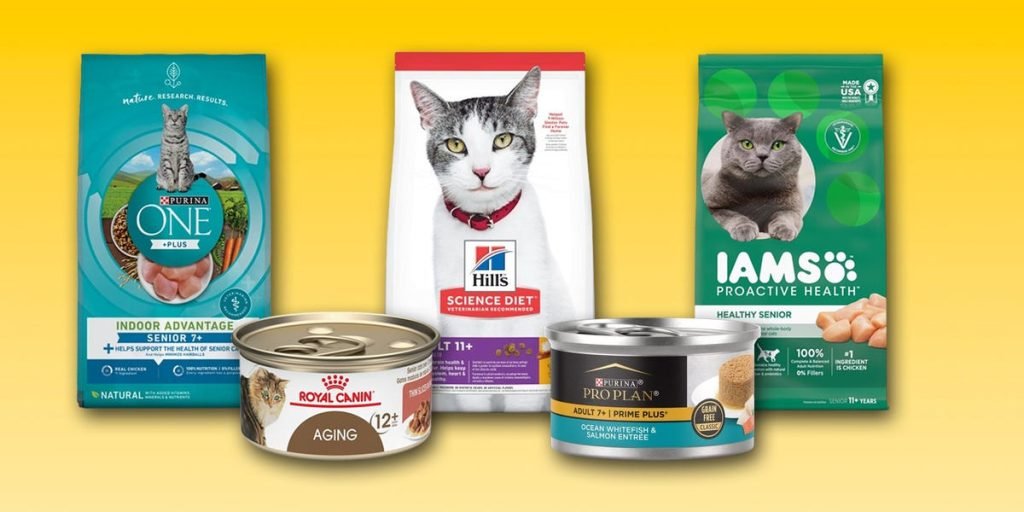
As your cat grows older, their needs change—and so does the food they need to stay healthy and happy. Choosing the right cat food for senior cats can feel confusing, but it’s one of the most important things you can do for your furry friend.
You want to make sure your cat gets all the nutrients they need to maintain energy, support joint health, and keep their coat shiny. You’ll discover exactly what to look for in good cat food for senior cats and how to pick the best option for your companion’s golden years.
Keep reading to give your cat the care they deserve!
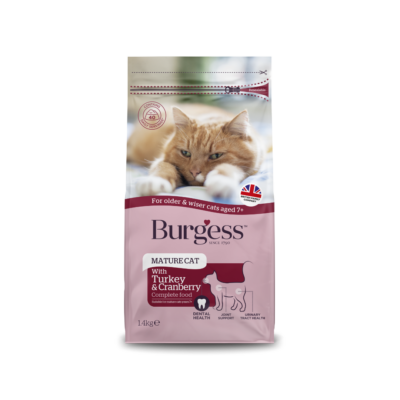
Credit: www.burgesspetcare.com
Nutritional Needs Of Senior Cats
As your cat ages, its nutritional needs change significantly. Senior cats require a diet that supports their declining metabolism, joint health, and organ function. Paying close attention to these needs can make a big difference in your cat’s quality of life and happiness.
Key Nutrients For Aging Cats
Senior cats need specific nutrients to stay healthy and active. Protein remains essential, but it should be high-quality and easily digestible to maintain muscle mass without overloading the kidneys.
Fat content should be balanced—not too high to avoid weight gain, but enough to provide energy. Omega-3 fatty acids help reduce inflammation and support brain health.
Fiber supports digestion and can help prevent constipation, which is common in older cats. Vitamins and minerals like vitamin E, B vitamins, and antioxidants protect against cell damage and boost immunity.
Common Health Issues In Senior Cats
Many senior cats face health problems such as kidney disease, arthritis, and dental issues. These conditions require dietary adjustments to ease symptoms and prevent worsening.
For example, cats with kidney problems benefit from diets lower in phosphorus and protein. Joint health can be supported by adding supplements like glucosamine and chondroitin.
Dental health also affects eating habits; softer foods may be necessary if your cat struggles with chewing. Have you noticed your cat’s eating habits change with age? That’s a key signal to reassess their diet.
How Diet Impacts Longevity
A well-planned diet can extend your cat’s lifespan and improve their day-to-day comfort. Balanced nutrition slows down age-related decline and supports vital organs.
Feeding your senior cat the right food reduces the risk of obesity, diabetes, and other chronic illnesses. Small changes in diet can lead to big improvements in energy levels and mood.
Are you ready to adjust your cat’s meals to help them live longer and feel better? Paying attention to their nutritional needs is the most effective way to show your care.
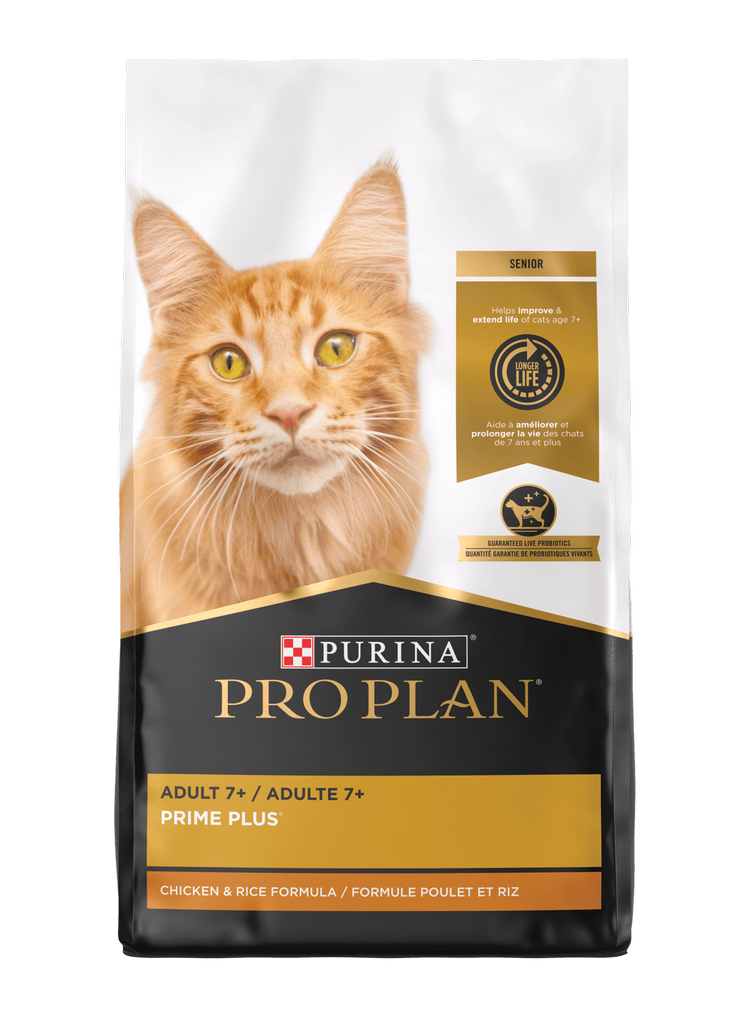
Credit: www.purina.com
Types Of Cat Food For Seniors
Choosing the right type of food for your senior cat can make a significant difference in their quality of life. As cats age, their nutritional needs evolve, and the food you select should support their changing metabolism, health, and activity levels. Understanding the various types of cat food available will help you make the best decision for your furry friend’s unique needs.
Wet Vs. Dry Food Benefits
Wet food contains more moisture, which is excellent for keeping senior cats hydrated, especially if they don’t drink much water. It’s also easier to chew, which can be helpful if your cat has dental issues.
Dry food is convenient, cost-effective, and can help reduce tartar buildup on teeth. However, it typically has lower moisture content, so you may need to encourage your cat to drink more water.
Have you noticed if your cat prefers one texture over the other? Sometimes mixing wet and dry food can balance benefits and keep mealtime interesting.
Specialty Diets For Health Conditions
Senior cats often face health challenges like kidney disease, diabetes, or arthritis. Specialty diets formulated for these conditions can support their specific needs.
For example, low-protein diets help cats with kidney issues, while high-fiber options can assist cats with digestive troubles. Always consult your vet before switching to a specialty diet.
Are you aware of your cat’s health risks? Identifying them early can guide you toward the most suitable diet to improve their comfort and longevity.
Homemade Vs. Commercial Options
Some cat owners choose homemade meals to control exactly what their pets eat. Homemade food can be tailored to your cat’s preferences and allergies but requires careful planning to meet all nutritional needs.
Commercial cat foods, on the other hand, are formulated to be nutritionally complete and balanced. They offer convenience and consistent quality, which can be important for busy pet parents.
Would you consider preparing homemade meals, or does your schedule favor commercial options? Whichever you choose, ensuring balanced nutrition is key to your senior cat’s health.
Top Ingredients To Look For
Choosing the right ingredients in cat food is crucial, especially for senior cats who have different nutritional needs than younger felines. You want to ensure your furry friend stays healthy, active, and comfortable in their golden years. Let’s look at the key ingredients that make a big difference in senior cat food quality.
High-quality Proteins
Your senior cat’s muscles need support to stay strong. Look for real meat sources like chicken, turkey, or fish listed as the first ingredient. These provide essential amino acids that help maintain muscle mass and support overall health.
Avoid foods with vague terms like “meat by-products” or “animal digest.” These may not offer the nutrition your senior cat requires. Have you noticed your cat’s energy dip? Sometimes, a protein boost can make a visible difference.
Essential Fatty Acids
Omega-3 and Omega-6 fatty acids play a vital role in keeping your cat’s skin and coat shiny and healthy. They also support brain function and reduce inflammation, which is common in older cats.
Ingredients like fish oil and flaxseed are excellent sources. If your cat struggles with arthritis or dry skin, foods rich in these fatty acids might ease their discomfort. How often do you check the ingredient list for these healthy fats?
Vitamins And Minerals
Senior cats need a balanced mix of vitamins and minerals to support their immune system and organ function. Look for added antioxidants like vitamin E and C, which help fight free radicals and promote longevity.
Calcium and phosphorus levels should be balanced to protect your cat’s kidneys and bones. Foods fortified with B vitamins can also boost energy and metabolism. Do you pay attention to these nutrients when selecting cat food, or is it something new to consider?
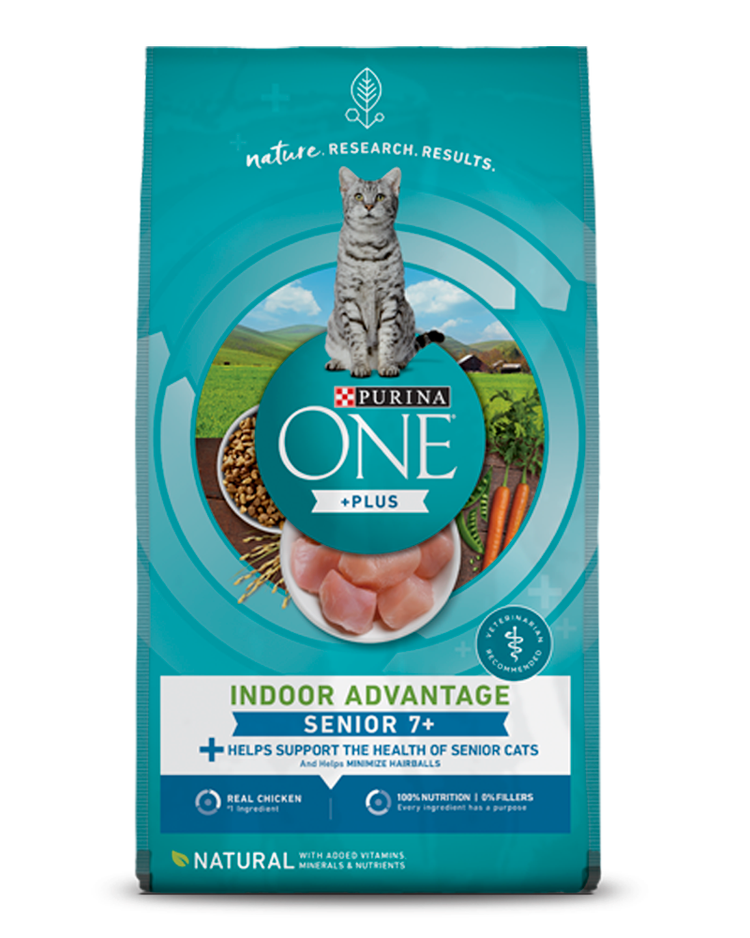
Credit: www.purina.com
Best Cat Food Brands For Seniors
Choosing the right food for senior cats is vital for their health. Older cats need special nutrition to support their aging bodies. Many brands offer formulas designed for senior cats. These foods help maintain weight, support joints, and improve digestion. Quality ingredients and balanced nutrients matter most. Below are top cat food brands that cater to senior cats’ needs.
Premium Brands With Senior Formulas
Premium brands create recipes tailored for senior cats. These formulas often include added vitamins and minerals. Ingredients like high-quality protein and antioxidants support aging immune systems. Brands such as Hill’s Science Diet, Royal Canin, and Blue Buffalo offer well-researched senior options. These foods focus on easy digestion and joint health. Feeding premium senior formulas can boost your cat’s quality of life.
Affordable And Nutritious Choices
Affordable brands also provide good nutrition for older cats. These options balance cost and health benefits. Brands like Purina ONE and Iams offer senior cat foods with essential nutrients. They contain adequate protein and fiber for digestion. Choosing affordable options helps maintain nutrition without overspending. Many cats thrive on these well-made, budget-friendly diets.
Grain-free And Limited Ingredient Options
Some senior cats need simple diets with fewer ingredients. Grain-free foods reduce allergens and improve digestion. Limited ingredient diets focus on fewer protein sources and no fillers. Brands such as Natural Balance and Merrick provide these options. These foods suit cats with sensitivities or food allergies. Grain-free and limited ingredient formulas help keep sensitive seniors healthy.
Tips For Transitioning To Senior Cat Food
Switching your cat to senior food is an important step that requires care and attention. Senior cats have different nutritional needs, and a sudden change can upset their stomach or cause them to reject the food. Taking a thoughtful approach will help your cat adjust smoothly and enjoy the benefits of their new diet.
Gradual Diet Changes
Start by mixing a small amount of the senior food with your cat’s current food. Over the next 7 to 10 days, slowly increase the senior food portion while decreasing the old food. This gradual change helps your cat’s digestive system adapt without discomfort.
If your cat refuses the new food at first, try warming it slightly or adding a bit of water to enhance the aroma. Have you noticed how your cat reacts to different textures? Paying attention to their preferences can make this transition easier.
Monitoring For Allergies Or Sensitivities
Watch closely for signs like itching, vomiting, or diarrhea after introducing the new food. These symptoms may indicate an allergy or sensitivity to an ingredient in the senior formula. If you observe any of these signs, consult your vet promptly to avoid long-term health issues.
Keep a food diary logging what your cat eats and any reactions. This record can help identify problem ingredients and guide future food choices. How well do you know your cat’s tolerance to different protein sources or additives?
Adjusting Portion Sizes
Senior cats often require fewer calories due to lower activity levels, so adjusting portion sizes is crucial. Begin with the recommended serving on the senior food packaging, but be ready to tweak based on your cat’s weight and energy.
If your cat gains weight or becomes lethargic, reduce the amount slightly. Conversely, if they lose weight or seem hungry, increase portions carefully. Regular weigh-ins can help you stay on track with your cat’s health goals.
Homemade Recipes For Senior Cats
Preparing homemade food for your senior cat can be a rewarding way to ensure they get the nutrients they need while avoiding fillers and additives found in some commercial brands. You know your cat’s preferences and sensitivities better than anyone, so tailoring meals at home lets you control every ingredient. But crafting meals that are both tasty and balanced requires some planning and care.
Balanced Meal Ideas
Start with lean protein like boiled chicken, turkey, or fish as the main ingredient. Senior cats need high-quality protein to maintain muscle mass but less fat to avoid weight gain. Add cooked vegetables such as pumpkin or carrots in small amounts to provide fiber and aid digestion.
Include a small portion of cooked rice or sweet potato for energy, but keep carbs low since cats are natural carnivores. Mixing in bone meal powder or finely ground eggshells can supply essential calcium. Remember, each meal should have a good balance of protein, fat, and minimal carbs to keep your senior cat healthy.
Safety Tips For Cooking At Home
- Always avoid onions, garlic, and any seasoning, as these can be toxic to cats.
- Cook all meats thoroughly to eliminate harmful bacteria but avoid using oils or butter.
- Introduce new foods gradually to watch for allergies or digestive upset.
- Keep portions small and store leftovers in airtight containers to maintain freshness.
Have you ever noticed your cat’s reaction to new homemade meals? Watching them enjoy food you prepared can be a strong motivator to keep experimenting safely.
Supplements To Consider
Even with careful meal preparation, supplements may be necessary to cover all nutritional bases. Omega-3 fatty acids from fish oil support joint health and reduce inflammation, which is crucial for older cats.
Taurine is another vital supplement since it’s essential for heart and eye health and may be lacking in homemade diets. Consult your vet about adding a multivitamin designed for cats to fill any nutritional gaps.
Have you checked if your homemade recipe includes all the vitamins and minerals your senior cat needs? It might be worth a quick chat with your vet to tailor supplements perfectly.
Feeding Schedule And Portion Control
Managing the feeding schedule and controlling portions are crucial for keeping senior cats healthy and active. As cats age, their metabolism slows down, and their nutritional needs change. Adjusting meal times and amounts can prevent weight gain and digestive issues while ensuring they get the right nutrients.
Meal Frequency For Older Cats
Older cats often do better with smaller, more frequent meals. Instead of one or two large meals, try splitting their daily food into three or four portions. This helps with digestion and keeps their energy steady throughout the day.
Some cats may benefit from free-feeding, where dry food is available all day, but this can lead to overeating. Pay attention to your cat’s behavior and appetite to find the best schedule. Have you noticed your cat’s energy dropping after a big meal? Smaller, more frequent feeding might be the answer.
Avoiding Overfeeding
Overfeeding is a common problem in senior cats that can lead to obesity and health complications. Measuring portions with a kitchen scale or a standard measuring cup can help you stay on track. Avoid guessing how much to feed; even a little extra each day adds up quickly.
Use your cat’s ideal weight and activity level as a guide, and adjust portions if you see weight changes. Remember, treats count too—limit them to avoid excess calories. How often do you find yourself sneaking extra bites to your cat? Those little extras can make a big difference.
Hydration Importance
Hydration is often overlooked but is vital for senior cats, especially if they mainly eat dry food. Older cats tend to drink less water, increasing the risk of kidney problems and urinary issues. Adding wet food to their diet can boost water intake naturally.
Make fresh water available at all times and consider multiple water bowls in different spots. Some cats prefer running water, so a pet water fountain might encourage more drinking. Have you checked if your cat’s water bowl is clean and inviting today?
Signs Of Good Nutrition In Senior Cats
Knowing the signs of good nutrition in senior cats helps you ensure they stay healthy and happy as they age. Senior cats need specific nutrients to support their changing bodies, and these signs give you clear clues about how well their diet is working. Paying attention to these indicators can help you adjust their food before health issues arise.
Healthy Coat And Skin
A shiny, soft coat is one of the first signs your senior cat is getting the right nutrients. Look for fur that feels smooth, not dry or brittle, and skin that isn’t flaky or irritated. If your cat’s coat looks dull or they are scratching a lot, their diet might be missing essential fatty acids or vitamins.
Energy Levels And Activity
Your senior cat’s energy tells a lot about their nutrition. Healthy cats remain curious and playful, even if their activity slows down with age. If your cat suddenly seems lethargic or uninterested in favorite toys, it could mean their food isn’t meeting their energy needs.
Weight Management
Maintaining a steady, healthy weight is crucial for senior cats. Too much weight can stress joints, while too little can signal poor nutrient absorption. Regularly check your cat’s body condition—are their ribs easily felt but not seen? If weight fluctuates, reconsider the balance of calories and nutrients in their diet.
Frequently Asked Questions
What Nutrients Are Essential In Cat Food For Senior Cats?
Senior cats need high protein, moderate fat, and low carbs. Added fiber aids digestion. Omega-3 fatty acids support joint health. Antioxidants boost immunity. Ensure the food meets AAFCO standards for balanced senior cat nutrition.
How To Choose The Best Cat Food For Aging Cats?
Look for foods labeled for senior cats. Choose high-quality protein sources. Avoid fillers like corn or wheat. Check for added vitamins and minerals. Consider wet food for hydration. Consult your vet for specific health needs.
Can Senior Cats Eat Dry Or Wet Food?
Both dry and wet foods can suit senior cats. Wet food helps hydration and is easier to chew. Dry food supports dental health. A mix of both often provides balanced nutrition and variety for aging cats.
Why Is Protein Important In Senior Cat Food?
Protein maintains muscle mass and supports aging organs. Senior cats need easily digestible, high-quality protein. It helps keep energy levels stable. Low-quality protein can stress kidneys, so choose wisely for your cat’s health.
Conclusion
Choosing good cat food helps senior cats stay healthy and happy. Nutrients like protein and vitamins support their aging bodies. Feeding them right can ease joint pain and improve energy. Always check labels for quality ingredients and avoid fillers. Regular vet visits help adjust diets as cats grow older.
Keep meals balanced and tasty to encourage eating. Healthy food leads to longer, better lives for your pet. Simple steps make a big difference in senior cat care.
