

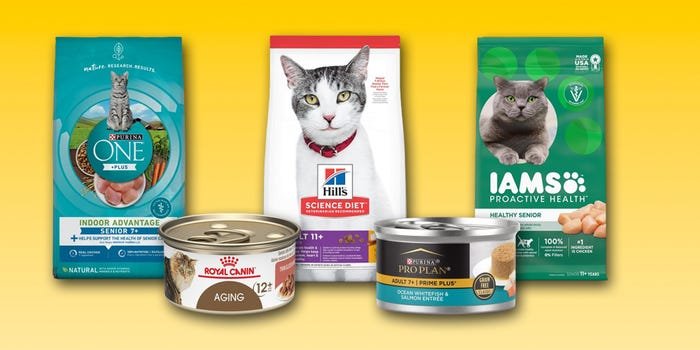
As your cat grows older, their needs change—and that includes what you feed them. You want to give your furry friend the best food to keep them healthy, happy, and full of energy.
But with so many options out there, how do you know what’s right for your older cat? This guide will help you understand exactly what your senior cat’s diet should include and how to choose the perfect food to support their golden years.
Keep reading to discover simple, effective ways to improve your cat’s health through the food you provide.

Credit: www.mondou.com
Nutritional Needs Of Senior Cats
As cats age, their bodies demand different nutrients and energy levels. Understanding these changes helps you provide the right food that supports their health and vitality. Paying attention to your senior cat’s nutritional needs can make a real difference in their quality of life.
Key Nutrients For Aging Cats
Your older cat needs specific nutrients to maintain muscle, support joints, and boost immune health. Protein remains essential but should come from high-quality sources to help preserve muscle mass without straining their kidneys.
Omega-3 fatty acids, especially EPA and DHA, reduce inflammation and support brain function. Adding foods rich in these fats can ease arthritis symptoms and keep your cat mentally sharp.
Antioxidants like vitamins E and C protect cells from damage caused by aging. These nutrients strengthen the immune system and promote healthy skin and coat.
- Protein:Choose easily digestible animal proteins.
- Fatty acids:Look for fish oil or flaxseed supplements.
- Antioxidants:Include natural sources such as blueberries or specially formulated senior cat food.
- Fiber:Helps digestion and prevents constipation, common in older cats.
- Vitamins and minerals:Ensure balanced amounts to support overall health.
Caloric Intake And Metabolism Changes
As cats get older, their metabolism slows down, meaning they burn fewer calories at rest. This shift requires you to adjust their daily calorie intake to prevent unwanted weight gain.
However, some senior cats lose weight due to health issues or loss of appetite. You need to monitor your cat’s weight regularly and adjust food portions accordingly.
Feeding smaller, more frequent meals can help with digestion and encourage eating. Also, offering wet food can increase hydration, which is often overlooked but critical for aging cats.
Have you noticed your cat’s energy levels changing? Observing these signs helps you tailor their diet to match their current needs.
Choosing The Right Cat Food
Choosing the right food for your older cat is crucial to keep them healthy and active. As cats age, their dietary needs change, requiring a balance of nutrients tailored to support their aging bodies. Understanding what to look for in cat food will help you make the best choice for your furry friend’s golden years.
Wet Vs. Dry Food Options
Wet food offers higher moisture content, which helps older cats stay hydrated, especially if they don’t drink enough water. It’s often easier to chew and digest, making it ideal for cats with dental issues or sensitive stomachs.
Dry food, on the other hand, is convenient and can help keep teeth cleaner by reducing tartar buildup. However, it usually contains less moisture, so you may need to encourage your cat to drink more water or add wet food to their diet.
Have you noticed if your cat prefers one type over the other? Sometimes mixing both can provide a good balance of hydration and dental health benefits.
Reading And Understanding Labels
Labels can be confusing, but focusing on a few key points can simplify your choice. Check for high-quality protein sources like chicken, turkey, or fish listed as the first ingredient. Older cats need protein to maintain muscle mass.
Look for added vitamins and minerals that support joint health and immunity, such as taurine, omega-3 fatty acids, and antioxidants. Avoid foods with excessive fillers like corn, soy, or artificial additives that offer little nutritional value.
- Confirm the food is labeled for “senior” or “mature” cats to ensure it meets their specific needs.
- Watch out for calorie content to prevent obesity, which is common in less active older cats.
- Check if the food is approved by reputable organizations, such as AAFCO, for balanced nutrition.
Next time you shop, take a moment to read the label carefully and ask yourself: does this food provide the nutrients my older cat needs to thrive?
Special Dietary Considerations
Older cats need special diets to keep them healthy and active. Their bodies change with age, so their food must meet new needs. Proper nutrition can help manage common health issues and support their overall well-being.
Addressing Weight Management
Weight control is key for senior cats. Less activity means fewer calories burned. Overweight cats risk diabetes, arthritis, and heart problems. Choose foods with lower calories but high nutrients. Feeding smaller, frequent meals helps prevent overeating. Regular weigh-ins track progress and adjust food portions.
Handling Food Sensitivities And Allergies
Older cats may develop food allergies or sensitivities. Symptoms include itching, vomiting, or diarrhea. Use limited ingredient diets to identify triggers. Novel protein sources like duck or rabbit often work well. Avoid artificial colors, flavors, and preservatives. Always consult a vet before changing diets for sensitivities.
Hydration And Its Importance
Hydration plays a vital role in the health of older cats. Their bodies lose water more quickly than younger cats. This loss affects kidney function, digestion, and overall energy. Proper hydration helps maintain healthy organs and supports the immune system. It can also prevent urinary tract issues, which are common in senior cats.
Encouraging Water Consumption
Older cats often drink less water. This can cause dehydration and health problems. Offer fresh water daily in clean bowls. Use shallow dishes to make drinking easier. Try adding water to their wet food for extra moisture. Place multiple water bowls around the house. Some cats prefer running water from a pet fountain. Experiment with temperature by offering cool or room temperature water.
Signs Of Dehydration To Watch For
Dehydration can be hard to spot early. Watch for these signs:
- Dry or sticky gums
- Sunken eyes
- Loss of skin elasticity (skin stays up when gently pinched)
- Weakness or lethargy
- Loss of appetite
- Constipation
Immediate veterinary care is necessary if dehydration is suspected. Early detection protects your cat’s health and comfort.
Supplements For Senior Cats
Supplements can play a key role in keeping your senior cat healthy and comfortable. As cats age, their bodies need extra support to maintain mobility, energy, and overall wellness. Adding the right supplements to their diet might make a noticeable difference in how they feel and move every day.
Common Supplements For Joint Health
Joint pain is a common issue for older cats, and supplements can help ease discomfort and improve flexibility. Ingredients like glucosamine and chondroitin are popular because they support cartilage repair and reduce inflammation.
Omega-3 fatty acids, found in fish oil, can also reduce joint stiffness and improve mobility. Have you noticed your cat struggling to jump or climb? These supplements might help them regain some agility.
- Glucosamine:Helps rebuild cartilage and reduce joint pain.
- Chondroitin:Supports joint lubrication and slows cartilage breakdown.
- Omega-3 Fatty Acids:Reduces inflammation and improves joint function.
Vitamins And Minerals For Vitality
Your senior cat’s energy levels and immune system can benefit from targeted vitamins and minerals. Vitamin E acts as an antioxidant, protecting cells from damage, while B vitamins support metabolism and brain health.
Calcium and phosphorus are essential for strong bones, especially if your cat is less active. Have you checked if your cat’s diet covers these nutrients? If not, supplements could fill the gap and boost their vitality.
- Vitamin E:Protects cells and supports the immune system.
- B Vitamins:Aid energy production and brain function.
- Calcium & Phosphorus:Maintain bone strength and density.
Feeding Tips And Strategies
Feeding older cats needs special care and attention. Their dietary needs change as they age. Adjusting feeding habits helps keep them healthy and happy. Small changes can make a big difference in their eating experience and nutrition.
Creating A Comfortable Eating Environment
Older cats may face challenges like poor vision or arthritis. A quiet, calm space helps them feel safe. Place food bowls in an easy-to-reach spot. Avoid noisy areas or places with heavy foot traffic. Use shallow dishes to make eating easier. Keep water bowls nearby to encourage hydration. Clean bowls often to avoid smells that may deter eating.
Meal Frequency And Portion Control
Older cats digest food slower than young cats. Offer smaller, more frequent meals throughout the day. This reduces stress on their digestive system. Monitor portion sizes to prevent obesity. Use a measuring cup to serve consistent amounts. Watch their weight and adjust portions as needed. Avoid free-feeding to control calorie intake and maintain a healthy weight.
Monitoring Health And Diet
Monitoring the health and diet of older cats is vital for their well-being. Aging cats often face unique health challenges that require close attention. Their dietary needs change, and keeping track helps catch problems early. A balanced diet supports their energy, weight, and organ health.
Regular checks and observation can prevent many age-related issues. Careful monitoring also ensures that your cat enjoys meals and maintains a healthy appetite. This section covers key signs to watch and the importance of veterinary visits.
Recognizing Changes In Appetite
Older cats may eat less or more than usual. Sudden appetite loss can signal illness or dental problems. Increased hunger might indicate diabetes or hyperthyroidism. Watch for:
- Refusal to eat favorite foods
- Eating much less or more than normal
- Drooling or pawing at the mouth
- Weight loss or gain
Note any changes in eating habits and share them with your vet. Early detection helps manage health problems better.
Regular Veterinary Consultations
Frequent vet visits are crucial for aging cats. Vets check weight, teeth, and overall health. Blood tests reveal hidden issues like kidney disease or thyroid problems. Schedule exams at least twice a year.
Discuss diet adjustments based on your cat’s current health. Vets can recommend special foods to support joints, digestion, and immunity. Regular check-ups catch problems before they worsen.
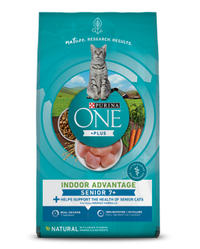
Credit: www.purina.com
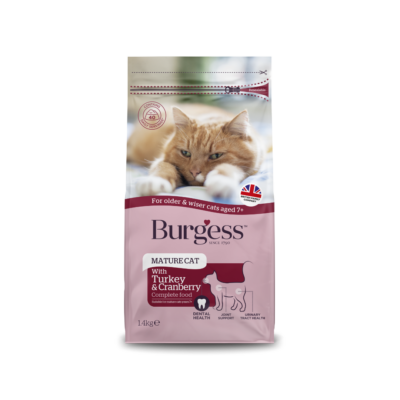
Credit: www.burgesspetcare.com
Frequently Asked Questions
What Is The Best Food For Older Cats?
Older cats need diets rich in protein and easy-to-digest nutrients. Choose foods with balanced vitamins, minerals, and low phosphorus. Wet food is often better for hydration. Consult your vet for personalized recommendations.
How Does Diet Affect Senior Cat Health?
A proper diet supports joint health, kidney function, and weight management. It helps maintain energy and immune strength. Nutrient-rich food prevents age-related diseases and improves overall quality of life.
Can Older Cats Eat The Same Food As Kittens?
No, older cats have different nutritional needs than kittens. Senior cats require fewer calories but more protein and fiber. Special formulas support aging organs and joint health, unlike kitten food designed for growth.
How Often Should I Feed An Older Cat?
Feed older cats smaller, frequent meals to aid digestion. Two to three meals daily is ideal. Monitor their appetite and adjust portions to prevent obesity or malnutrition.
Conclusion
Feeding older cats the right food helps keep them healthy and happy. Choose meals with balanced nutrients to support their aging bodies. Soft textures may make eating easier for them. Monitor their weight and adjust portions as needed. Regular check-ups with the vet ensure the diet fits their needs.
Good nutrition can improve energy and comfort in senior cats. Caring for their diet shows love and attention. Small changes can make a big difference in their quality of life. Keep your older cat’s meals simple and nutritious every day.
