

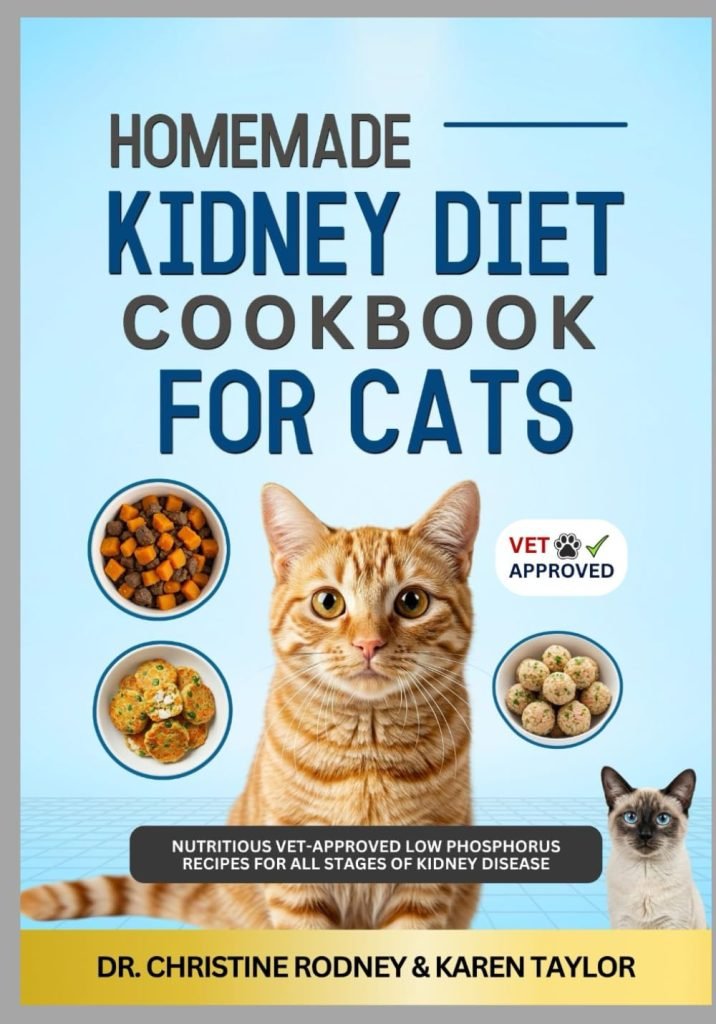
If your cat has kidney problems, you want to give them the best care possible. One of the most important things you can do is choose the right food.
The right diet can help slow down kidney damage and keep your furry friend comfortable. But with so many options out there, how do you know what’s best for your cat? You’ll discover simple, effective ways to feed your cat to support their kidneys and improve their quality of life.
Keep reading to learn how small changes in their diet can make a big difference.
Kidney Disease In Cats
Kidney disease in cats is a common health problem, especially in older cats. It affects the kidneys’ ability to filter waste from the blood. This condition can develop slowly and may not show clear signs early on. Understanding the causes and symptoms helps cat owners spot the problem sooner. Proper care and diet can improve a cat’s quality of life.
Causes And Symptoms
Kidney disease in cats can have many causes. Some cats develop it due to aging. Others get it from infections or toxins. Certain breeds may have a higher risk.
- Frequent urination
- Increased thirst
- Weight loss
- Loss of appetite
- Vomiting or diarrhea
- Weakness or lethargy
These symptoms may appear slowly. Regular vet checkups help catch the disease early.
Impact On Cat Health
Kidney disease can cause many health issues in cats. Waste builds up in the blood, causing toxins to rise. This leads to discomfort and poor health.
The cat may become weak and less active. Appetite loss can cause further weight loss. Dehydration is common due to frequent urination.
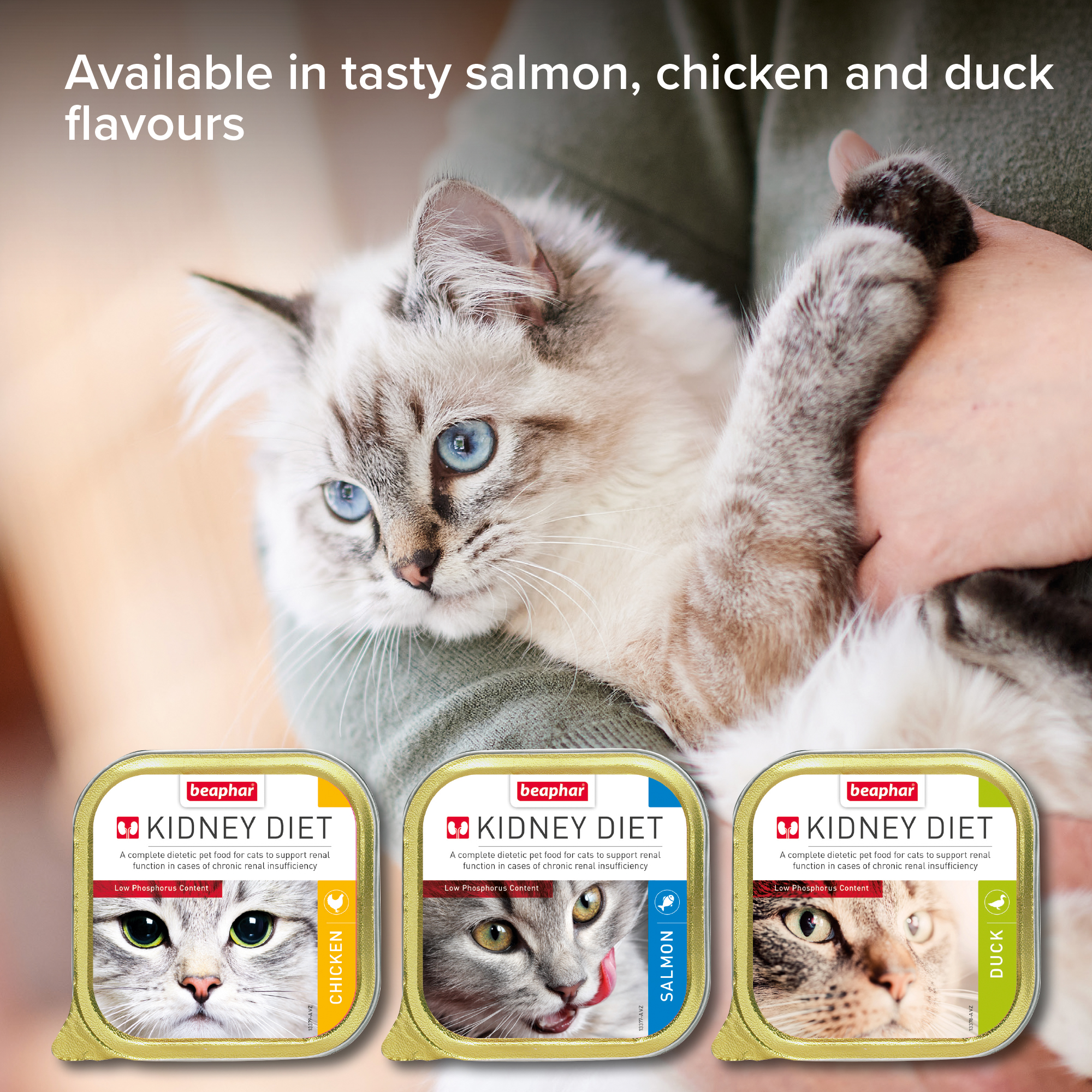
Without treatment, the disease worsens. Early diagnosis and proper care can slow progression. Special diets help support kidney function and improve health.
Credit: www.beaphar.co.uk
Dietary Needs For Kidney Health
Keeping your cat’s kidneys healthy means paying close attention to what they eat every day. Kidney problems can worsen if the diet isn’t right, so adjusting their food is crucial. You might wonder how to balance nutrition while supporting kidney function—let’s break it down.
Protein Management
Too much protein can strain your cat’s kidneys, but they still need enough to stay strong. Aim for high-quality proteins that are easy to digest. Foods made with chicken, turkey, or fish often work well.
Have you noticed how some kidney-friendly cat foods list protein sources clearly? That’s because controlling the amount and type matters. Avoid low-quality proteins that can add extra waste for the kidneys to filter.
Controlling Phosphorus Levels
Phosphorus builds up when kidneys aren’t working properly, which can cause more damage. Lowering phosphorus in your cat’s diet helps slow kidney decline. Look for foods labeled “low phosphorus” or check the ingredients for additives like dicalcium phosphate.
Many commercial renal diets reduce phosphorus by adding binders that prevent absorption. You can also reduce treats high in phosphorus, such as certain dairy or organ meats. Keeping phosphorus in check is a simple but powerful step you can take at home.
Importance Of Hydration
Water helps flush toxins and eases the kidneys’ workload. Cats with kidney problems often drink less, so encourage more fluids. Wet cat food is a great way to boost hydration without forcing your cat to drink more water.
You might try mixing water or low-sodium broth into their meals. Some cats prefer water fountains because running water feels fresher. How can you make drinking more appealing to your furry friend?
Best Foods For Cats With Kidney Issues
Choosing the right food for cats with kidney issues can make a significant difference in their quality of life. Kidney problems require a diet that supports kidney function without putting extra strain on these vital organs. The best foods balance low protein and phosphorus levels while still providing essential nutrients your cat needs to stay healthy.
Commercial Kidney Diets
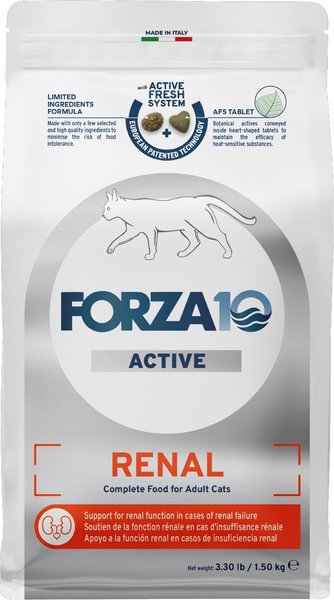
Commercial kidney diets are specially formulated to meet the nutritional needs of cats with kidney problems. These diets usually have reduced protein, phosphorus, and sodium to help ease the workload on the kidneys.
Many pet food brands offer prescription kidney diets approved by veterinarians. These options are convenient and provide consistent nutrient levels tailored for kidney support.
Have you checked if your vet recommends any specific brands? Your cat’s individual health condition can help determine the best commercial option.
Homemade Meal Ideas
Making homemade meals for your cat allows you to control every ingredient. You can prepare meals with high-quality proteins that are easier on the kidneys, like boiled chicken or turkey.
Adding small amounts of cooked vegetables such as pumpkin or carrots provides fiber and vitamins without excessive phosphorus. Avoid foods with high phosphorus like fish or organ meats.
Remember, it’s crucial to consult your vet before switching to homemade meals to ensure the diet meets all your cat’s nutritional needs. Have you tried simple recipes that your cat loves?
Safe Treat Options
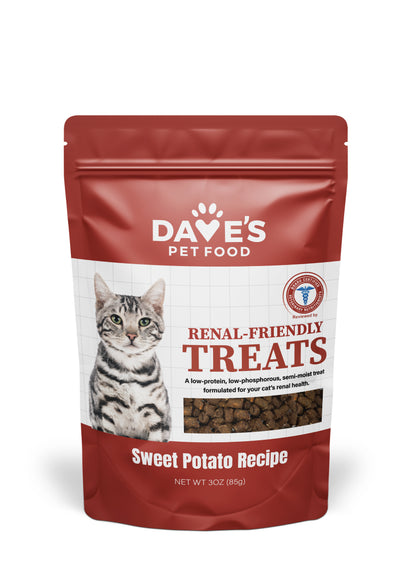
Treats can still be part of your cat’s diet, but choose options low in protein and phosphorus. Freeze-dried chicken or turkey bites without additives make good treats.
You can also offer small pieces of cooked egg white, which are gentle on the kidneys and usually enjoyed by cats. Avoid dairy or salty snacks, as these can worsen kidney issues.
What treats does your cat respond to, and have you found any that support their health? Small changes in treats can help maintain kidney health while keeping your cat happy.
Credit: davespetfood.com
Foods To Avoid
Choosing the right food for cats with kidney problems is crucial. Some ingredients can worsen their condition. Avoiding certain foods helps protect their kidneys and keeps them healthier longer.
High Phosphorus Ingredients
Phosphorus is hard on damaged kidneys. Foods with high phosphorus make kidneys work too hard. Avoid ingredients like:
- Organ meats (liver, kidney)
- Fish with bones
- Whole grains and bran
- Egg yolks
Lower phosphorus levels help reduce kidney stress and slow disease progress.
Excessive Protein Sources
Too much protein strains kidneys. Cats with kidney issues need controlled protein amounts. Avoid foods rich in:
- Red meat (beef, pork)
- High-fat dairy products
- Processed meat items
Balanced protein supports health without overloading kidneys.
Harmful Additives
Artificial additives harm kidney health. Avoid foods with:
- Excess salt
- Preservatives like BHA and BHT
- Artificial colors and flavors
Natural, simple ingredients reduce kidney irritation and improve wellbeing.
Feeding Tips And Techniques
Feeding cats with kidney problems requires care and attention. Proper feeding helps manage symptoms and supports kidney health. Small changes in diet and feeding habits can make a big difference.
Meal Frequency And Portions
Feed smaller meals more often throughout the day. This helps reduce stress on the kidneys. Smaller portions improve digestion and nutrient absorption. Aim for 3 to 4 meals daily instead of one or two large ones. Consistent meal times keep your cat comfortable and less anxious.
Encouraging Appetite
Kidney issues can reduce a cat’s hunger. Warm the food slightly to enhance aroma and taste. Offer a variety of textures like pate or chunks in gravy. Hand feeding may motivate shy eaters. Keep fresh water nearby to encourage hydration and eating. Avoid strong-smelling foods that might repel your cat.
Monitoring Weight And Condition
Regularly check your cat’s weight at home. Use a scale or a measuring tape around the ribs. Look for signs of weight loss or muscle wasting. Record changes and share them with your vet. Adjust food portions based on your cat’s condition and appetite. Healthy weight helps maintain strength and energy.
Supplements And Hydration Aids
Supplements and hydration aids play a vital role in managing kidney problems in cats. These additions support kidney function and help maintain overall health. Choosing the right supplements and ensuring proper hydration can improve comfort and quality of life for cats with kidney issues.
Omega-3 Fatty Acids
Omega-3 fatty acids reduce inflammation in the kidneys. They come from fish oil and certain plant oils. These supplements can slow kidney damage and improve blood flow. Many kidney-friendly cat foods include omega-3s for this reason. Always check with a vet before adding fish oil supplements.
Electrolyte Balance
Kidney problems often disrupt the balance of electrolytes like potassium and sodium. Proper electrolyte levels help nerves and muscles work well. Supplements may be needed to restore balance. Your vet can recommend safe products tailored to your cat’s needs. Avoid giving human electrolyte solutions without advice.
Water Intake Strategies
Hydration is critical for cats with kidney disease. Increasing water intake helps flush toxins from the body. Use wet cat food to boost moisture consumption. Place multiple water bowls around the house. Some cats prefer running water, so try pet fountains. Encouraging drinking supports kidney health and overall well-being.
When To Consult A Veterinarian
Knowing when to consult a veterinarian is crucial if your cat has kidney problems. Kidney disease can worsen silently, and timely veterinary advice can make a real difference in your pet’s quality of life. Don’t wait for a crisis; understanding the signs and necessary care steps helps you act promptly.
Signs Of Worsening Condition
Watch for changes in your cat’s behavior and physical health. Increased thirst and urination, loss of appetite, vomiting, or lethargy may signal that the kidney condition is getting worse.
If your cat suddenly seems weak or has trouble breathing, seek veterinary help immediately. These symptoms require urgent attention and could indicate advanced kidney failure or other complications.
Dietary Adjustments
Your veterinarian can guide you on the best food choices tailored to your cat’s kidney health. Protein intake, phosphorus levels, and hydration all need careful balance to ease the kidneys’ workload.
Have you noticed your cat refusing certain kidney-friendly foods? A vet can suggest alternatives or supplements that improve acceptance and nutrition without harming kidney function.
Regular Health Checks
Scheduling routine vet visits is essential to monitor your cat’s kidney disease progression. Blood tests, urine analysis, and blood pressure checks provide crucial information that you can’t see at home.
Ask your vet how often these tests should be done. Regular check-ups help catch issues early and adjust treatment plans before serious problems develop.
Credit: www.chewy.com
Frequently Asked Questions
What Foods Are Best For Cats With Kidney Problems?
Cats with kidney problems benefit from diets low in protein, phosphorus, and sodium. Wet food is preferred to increase hydration. Special veterinary diets formulated for kidney health support kidney function and reduce toxin buildup effectively.
Can Homemade Diets Help Cats With Kidney Disease?
Yes, homemade diets can help if balanced properly. Consult a vet or pet nutritionist to ensure low protein and phosphorus levels. Avoid high-sodium ingredients and include omega-3 fatty acids for anti-inflammatory benefits.
How Does Hydration Affect Cats With Kidney Issues?
Proper hydration is crucial for cats with kidney problems. Wet foods and fresh water help flush toxins and reduce kidney strain. Encouraging water intake supports kidney function and overall health in affected cats.
Are There Specific Nutrients Cats With Kidney Disease Need?
Cats with kidney disease need lower protein and phosphorus but higher omega-3 fatty acids. Antioxidants and vitamins also support kidney health. Balanced nutrients help slow disease progression and improve quality of life.
Conclusion
Feeding cats with kidney problems needs care and attention. Choose foods low in protein and phosphorus. Fresh water helps keep kidneys healthy. Watch for signs of discomfort or changes in appetite. Regular vet visits support your cat’s health. Small changes can make a big difference.
Your cat deserves the best care possible. Keep learning and stay patient with their needs. Healthier kidneys mean a happier cat.
