

If your cat has IBD, you know how tough it can be to find the right food that helps without causing more problems. You want your furry friend to feel better, have more energy, and enjoy mealtime again.
But with so many options out there, where do you start? This guide will help you understand the best foods for cats with IBD and how to make choices that support your cat’s health every day. Keep reading to discover simple, effective ways to improve your cat’s diet and well-being.
Causes And Symptoms Of Ibd In Cats
Understanding the causes and symptoms of Inflammatory Bowel Disease (IBD) in cats is crucial if you want to support your feline friend’s health effectively. IBD is a chronic condition that affects your cat’s digestive tract, leading to discomfort and various health challenges. Knowing what triggers IBD and how to spot the signs early can make a significant difference in managing your cat’s diet and overall wellbeing.
Common Triggers
IBD in cats can be caused by several factors that irritate or inflame the intestines. Food allergies or sensitivities are often a major trigger—certain proteins or additives in cat food can provoke an immune response. Parasites and bacterial infections can also contribute by disrupting the natural balance of the gut.
Environmental stress and genetic predisposition may increase the likelihood of developing IBD. Have you noticed your cat’s symptoms flare after switching foods or during stressful events? These observations can help you identify possible triggers to avoid.
Recognizing Symptoms
Symptoms of IBD can vary, but there are common signs you should watch for in your cat. Frequent vomiting, diarrhea, and weight loss often point to digestive issues linked to IBD. Your cat may also show decreased appetite and lethargy, which can be easy to miss if you’re not paying close attention.
Consistency is key—if these symptoms persist for more than a few days, it’s time to consult your vet. How often do you check your cat’s litter box or notice changes in their eating habits? These small details can offer early clues that your cat might be dealing with IBD.
Credit: kohapet.com
Dietary Challenges For Cats With Ibd
Feeding a cat with Inflammatory Bowel Disease (IBD) presents unique dietary challenges. You must carefully select foods that soothe rather than irritate your cat’s sensitive digestive system. Understanding these challenges can help you make better food choices and improve your cat’s quality of life.
Digestive Sensitivities
Cats with IBD often have fragile stomachs that react strongly to certain ingredients. Even small changes in diet can cause flare-ups, leading to vomiting, diarrhea, or loss of appetite. You need to identify foods that are gentle and easy to digest to avoid triggering symptoms.
Many cats do better with limited ingredient diets or novel protein sources like duck or rabbit. Have you noticed how some commercial cat foods cause your cat discomfort while others don’t? That’s a clue to what their digestive system can handle.
Food Intolerances
Food intolerances differ from allergies but can be just as disruptive for cats with IBD. Ingredients like grains, dairy, or certain additives might cause inflammation or digestive upset. You might want to keep a food diary to track what your cat eats and how they respond.
Switching to hypoallergenic or prescription diets can sometimes reduce symptoms significantly. Have you tried rotating your cat’s protein source to see if symptoms improve? This trial-and-error approach is often necessary to find the right balance.
Key Nutrients For Ibd Management
Managing inflammatory bowel disease (IBD) in cats requires careful attention to their diet. The right nutrients can soothe the digestive tract and reduce symptoms. Choosing foods with specific nutrients helps support your cat’s gut health. Understanding key nutrients guides you in picking the best foods.
Protein Choices
High-quality, easily digestible proteins are essential. Limited ingredient diets help identify and avoid allergens. Common protein sources include:
- Chicken
- Turkey
- Fish
- Rabbit
Novel proteins like duck or venison may reduce immune reactions. Protein should be moderate in amount to avoid overloading the gut.
Fat Sources
Fat provides energy and supports cell health. Omega-3 fatty acids have anti-inflammatory effects. Good fat sources include:
- Fish oil
- Flaxseed oil
- Chicken fat
A balanced fat level helps maintain nutrient absorption and reduces gut irritation.
Fiber Importance
Fiber aids digestion and supports gut bacteria. Soluble fiber can help firm stools and reduce inflammation. Sources of fiber include:
- Pumpkin
- Beet pulp
- Oat bran
Fiber should be added gradually to avoid gas or discomfort. It promotes healthy bowel movements and gut balance.
Credit: www.purina.com
Best Food Types For Cats With Ibd
Caring for a cat with Inflammatory Bowel Disease (IBD) involves careful food choices. The right diet helps reduce symptoms and improves gut health. Cats with IBD often need special foods that are easy to digest and gentle on their intestines. Selecting the best food type supports their recovery and daily comfort.
Wet Vs Dry Food
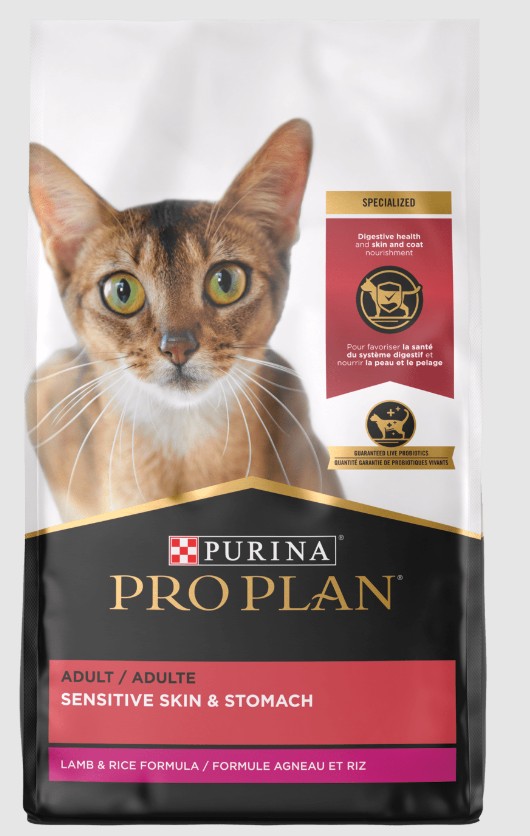
Wet food contains more moisture, which helps keep cats hydrated. It is often easier to digest than dry food. Cats with IBD may benefit from wet food because it reduces the risk of dehydration and irritation. Dry food has less moisture and more carbohydrates, which might upset sensitive stomachs. Wet food also tends to have fewer fillers and additives, making it a better choice for sensitive cats.
Novel Protein Diets
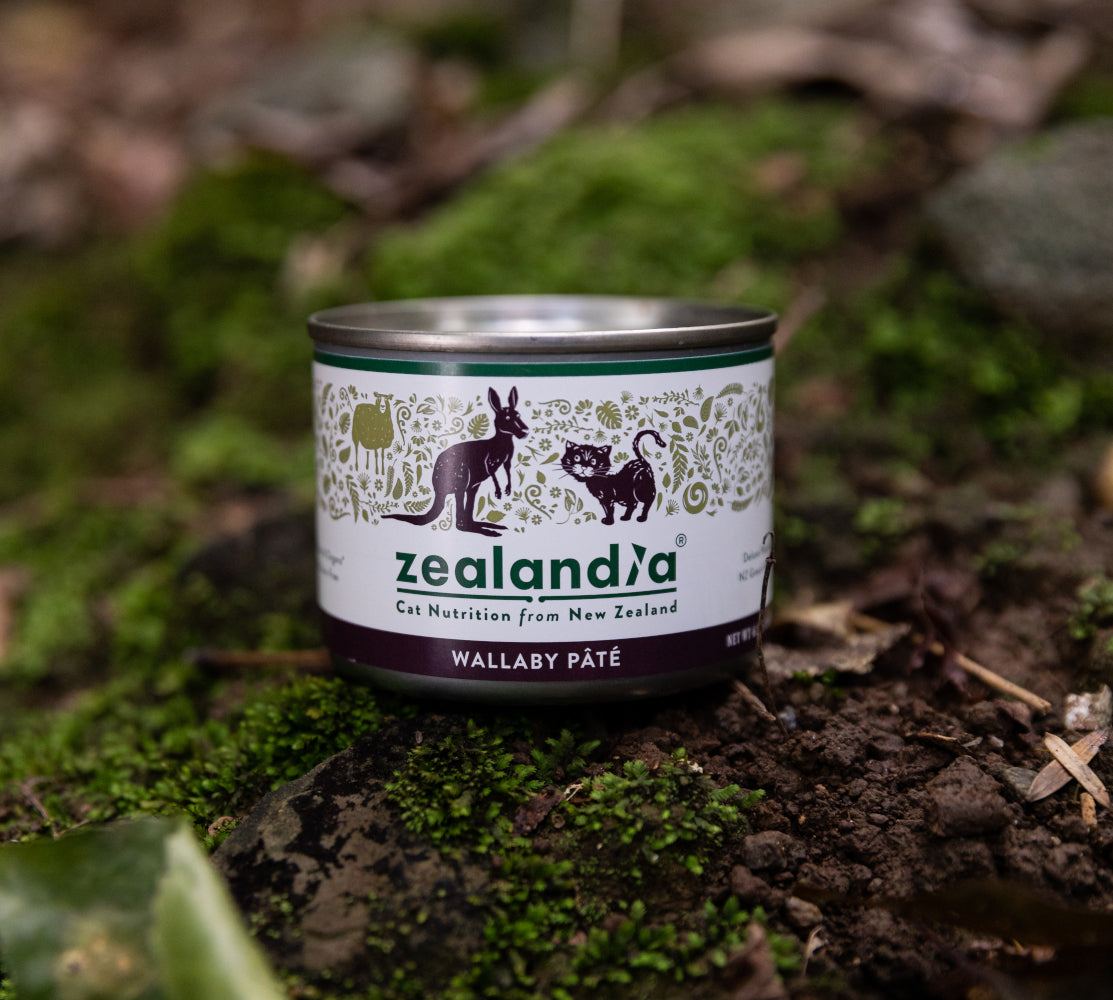
Novel protein diets use uncommon meats like duck, venison, or rabbit. These proteins are less likely to cause allergic reactions or flare-ups. Cats with IBD often react to common proteins such as chicken or beef. Novel proteins give the immune system a break and help reduce gut inflammation. These diets can improve digestion and overall health in sensitive cats.
Limited Ingredient Diets
Limited ingredient diets contain fewer components, making them easier to digest. They usually include one protein and one carbohydrate source. This simplicity helps identify and avoid food triggers. Cats with IBD often respond well to limited ingredient diets because these foods reduce exposure to allergens. Feeding a limited ingredient diet can improve stool quality and reduce vomiting.
Homemade Diets And Recipes
Homemade diets offer a great option for cats with inflammatory bowel disease (IBD). Preparing meals at home allows control over ingredients and helps avoid foods that trigger symptoms. Carefully chosen recipes support digestive health and boost overall wellbeing.
Safe Ingredients
Choosing the right ingredients is key for cats with IBD. Use simple, easy-to-digest foods. Avoid artificial additives and common allergens. Focus on:
- Lean proteins like chicken, turkey, or rabbit
- Cooked pumpkin or sweet potato for fiber
- Rice or oatmeal as gentle carbohydrates
- Fish oil for omega-3 fatty acids
- Probiotics to support gut health
Always cook proteins thoroughly and avoid spices or seasonings. Fresh water should be available at all times.
Sample Meal Ideas
| Meal | Ingredients | Preparation |
|---|---|---|
| Chicken and Pumpkin | Boiled chicken breast, cooked pumpkin, rice | Mix all ingredients in equal parts. Serve warm. |
| Turkey and Sweet Potato | Ground turkey, steamed sweet potato, fish oil | Cook turkey fully. Mash sweet potato. Combine and add fish oil. |
| Rabbit and Oatmeal | Boiled rabbit meat, cooked oatmeal, probiotics | Mix meat with oatmeal. Stir in probiotics before serving. |
These meals are gentle on the stomach and provide essential nutrients.
Credit: www.zealandiapets.com
Supplements And Additives
Supplements and additives can support cats with IBD by improving digestion and reducing inflammation. They help balance gut bacteria and soothe the digestive tract. Including the right supplements can ease symptoms and enhance nutrient absorption.
Probiotics Benefits
Probiotics introduce good bacteria to the cat’s gut. This helps restore balance in the digestive system. They reduce diarrhea and improve stool quality. Probiotics also boost the immune system. They support recovery from flare-ups. Many vets recommend probiotics for IBD management.
Omega-3 Fatty Acids
Omega-3 fatty acids reduce inflammation in the intestines. These healthy fats help calm irritated tissues. They improve skin and coat health too. Omega-3s may lessen the need for medication. Sources include fish oil and flaxseed oil. Always check with a vet before adding oils.
Feeding Tips And Tricks
Feeding cats with IBD requires special care to keep their digestion calm. Small changes in feeding can ease symptoms and improve their health. Understanding proper feeding helps avoid flare-ups and supports their well-being.
Meal Frequency
Feed your cat small meals several times a day. Frequent feeding prevents stomach overload and reduces inflammation. Aim for 3 to 4 meals daily instead of one big meal. Consistent timing helps your cat’s digestive system adjust and function better.
Avoiding Common Mistakes
- Don’t switch foods suddenly. Change diets slowly over 7 to 10 days.
- Avoid foods with many fillers or artificial additives that irritate the gut.
- Don’t overfeed. Extra weight can worsen IBD symptoms.
- Keep water available to prevent dehydration.
- Skip table scraps or treats that upset digestion.
Monitoring And Adjusting The Diet
Adjusting your cat’s diet for IBD is a careful process. It needs close watching to see how your cat reacts. Changes in food can affect symptoms fast. You must know what to watch for and how to act. This helps keep your cat comfortable and healthy.
Tracking Symptoms
Keep a daily log of your cat’s behavior and health. Note any vomiting, diarrhea, or weight changes. Record energy levels and appetite as well. This information shows how food affects your cat’s IBD.
Use simple charts or a notebook to track:
- Type of food given
- Amount eaten
- Any vomiting or diarrhea
- Changes in stool consistency
- Overall mood and activity
Regular tracking helps spot patterns. It shows which foods worsen or improve symptoms. This data is valuable for making diet changes.
Working With Your Vet
Your vet is a key partner in managing IBD diet. Share your symptom log during visits. They can suggest tests or changes based on the data. Vets may recommend special diets or supplements.
Follow your vet’s advice closely. They understand how IBD affects cats differently. Adjustments may include:
- Switching protein sources
- Adding fiber or probiotics
- Changing feeding frequency
- Introducing prescription diets
Frequent vet check-ups ensure diet changes are safe. This teamwork improves your cat’s quality of life.
Frequently Asked Questions
What Foods Are Best For Cats With Ibd?
Cats with IBD benefit from easily digestible, high-protein, low-fat foods. Limited ingredient diets reduce allergens. Novel proteins like duck or rabbit often help. Wet food is preferred to maintain hydration and ease digestion. Avoid grains and fillers to minimize inflammation.
Can Homemade Diets Help Cats With Ibd?
Yes, homemade diets can help if balanced correctly. Use vet-approved recipes focusing on novel proteins and limited ingredients. Avoid common allergens and additives. Always consult a veterinarian to ensure nutritional completeness and to prevent flare-ups of IBD symptoms.
How Often Should I Feed A Cat With Ibd?
Feed small, frequent meals throughout the day. This reduces digestive stress and helps nutrient absorption. Typically, four to six small meals are ideal. Consistency in feeding times also supports digestive health and minimizes IBD flare-ups in cats.
Are Probiotics Beneficial For Cats With Ibd?
Probiotics can help restore gut flora balance in cats with IBD. They improve digestion and reduce inflammation. Consult your vet before adding probiotics to ensure proper strains and doses tailored to your cat’s needs.
Conclusion
Feeding cats with IBD needs care and attention. Choose foods that soothe their stomachs. Avoid ingredients that cause irritation or allergies. Consistency helps manage symptoms better. Watch your cat’s reaction to new diets. Consult your vet to tailor the best plan.
Patience matters; results take time. Healthy food supports your cat’s comfort and strength. Small changes can make a big difference. Keep learning and stay observant for their needs.
