

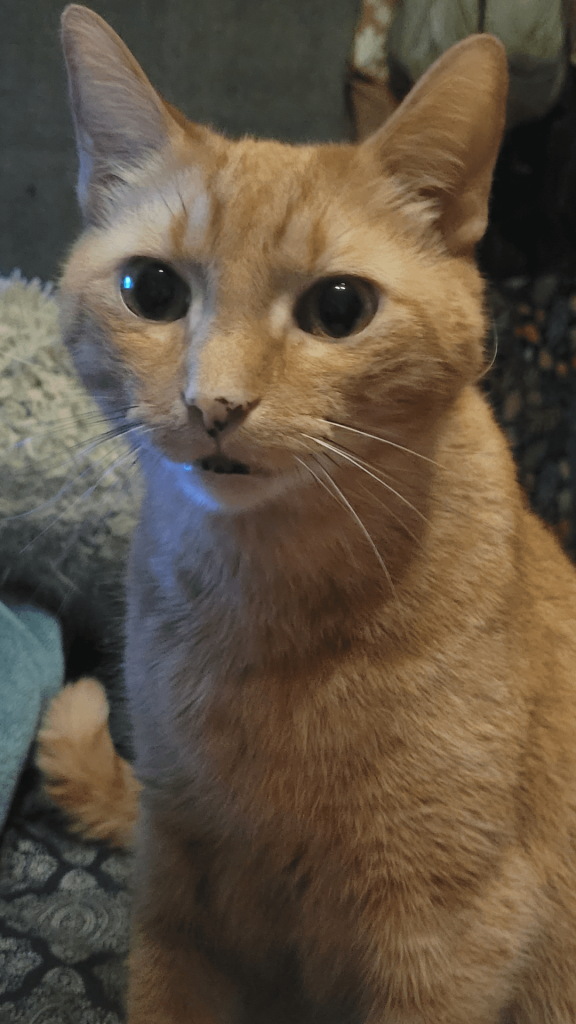
Have you ever noticed your cat growling or hissing when you try to take their food away? Food aggression in cats can be alarming and confusing, especially when you love your furry friend and want to keep them happy.
Understanding why your cat acts this way is the first step to creating a calmer, safer home for both of you. You’ll discover what food aggression really means, why it happens, and simple steps you can take to help your cat feel more secure around mealtime.
Keep reading to turn stressful moments into peaceful ones—your cat’s well-being depends on it.
Causes Of Food Aggression
Understanding the causes of food aggression in cats can help you manage and prevent this challenging behavior. Food aggression doesn’t appear out of nowhere—it often has deep roots tied to your cat’s nature and experiences. Let’s look at the main reasons behind this behavior so you can better address it.
Genetic Factors
Some cats are born with a stronger tendency toward guarding their food. Genetics can influence a cat’s temperament, making certain breeds or family lines more prone to aggressive behavior around meals. If you notice your cat’s parents or siblings acting similarly, genetics might play a role.
Think about your own cat’s personality—are they naturally more territorial or anxious? These traits often have a genetic basis and can increase food aggression. Knowing this helps you tailor your approach to their unique needs.
Past Experiences
Cats that have faced food scarcity or competition in the past are more likely to become food aggressive. A cat rescued from a shelter or a difficult environment might hoard or guard food as a survival strategy. This behavior is their way of ensuring they get enough to eat.
Have you ever seen a cat bolt to their bowl and eat quickly, then growl if someone approaches? That urgency often comes from past hunger or stress. Recognizing this can help you be patient and create a calm feeding routine.
Resource Guarding Instinct
Food aggression is often a natural instinct called resource guarding. Cats protect what they see as valuable, especially food, from others. This instinct helps them survive in the wild, but in your home, it can cause tension.
You might notice your cat stiffening, staring, or growling when you get close during mealtime. These signs show their protective behavior kicking in. Understanding this instinct allows you to respect their space and gradually build trust.

Credit: www.reddit.com
Signs Of Food Aggression
Food aggression in cats can be a serious issue. Recognizing the signs early helps keep your cat safe and calm. Cats often show clear signals before they act aggressively around food. These signals come in three main forms: body language, vocal sounds, and physical behaviors.
Body Language Cues
- Stiff posture with raised fur on the back
- Flattened ears pressed close to the head
- Intense, fixed stare at anyone near the food
- Tail twitching or lashing rapidly
- Hunched body ready to pounce or defend
Vocalizations
- Low growling or hissing sounds
- Sharp, warning yowls when approached
- Repeated loud meows demanding space
- Snarls mixed with purring in some cases
Physical Actions
- Swatting or batting at hands or other pets
- Snapping teeth when someone comes close
- Quick lunges or attempts to bite
- Blocking access to the food bowl
- Dragging or hiding food to guard it
Impact On Cat And Owner
Food aggression in cats affects both the feline and their owner deeply. It changes daily routines and causes emotional challenges. Understanding these impacts helps manage the situation better.
Stress And Anxiety
Cats with food aggression feel constant tension around mealtime. They may growl or swipe to protect their food. This behavior shows fear and insecurity. The cat’s stress can lead to health problems. Owners also feel anxious, unsure how to safely feed their pet. This tension can make feeding times difficult and unpleasant for both.
Safety Concerns
Food aggression poses real risks to owners and other pets. A cat may bite or scratch to guard its food. This can cause injury and fear in the household. Owners might avoid approaching the cat during meals. Other pets may be kept away, causing isolation. Managing safety becomes a top priority to prevent accidents.
Relationship Strain
Food aggression can weaken the bond between cat and owner. Fear of aggression reduces positive interactions. Owners may feel frustrated or guilty. The cat might become more distant or defensive. Trust breaks down, making training and care harder. Restoring a peaceful relationship requires patience and understanding.

Credit: petreleaf.com
Preventing Food Aggression
Preventing food aggression in cats helps create a calm and safe home. It reduces stress for both cats and owners. Early actions can stop aggressive behavior from developing. Setting clear routines and safe spaces supports peaceful mealtimes. These steps build trust and comfort around food.
Early Socialization
Introduce kittens to gentle handling while eating. Let them see humans and other pets nearby during meals. Praise calm behavior around food. This helps kittens feel safe sharing space. Early socialization lowers fear and protectiveness over food later.
Consistent Feeding Routine
Feed cats at the same times each day. Use regular locations for their meals. Predictable schedules reduce anxiety about food. Cats learn to trust food will come. Consistency stops them from guarding food aggressively.
Safe Feeding Environment
Provide quiet, separate feeding spots for each cat. Avoid crowded or noisy areas during meals. Use bowls that are easy to access without competition. A peaceful environment helps cats eat calmly. It lowers chances of food guarding and fights.
Behavioral Training Techniques
Dealing with food aggression in cats requires patience and a thoughtful approach. Behavioral training techniques help transform your cat’s reaction around food from defensive to calm. You can create a safer and happier feeding environment by applying simple, consistent strategies.
Positive Reinforcement
Reward your cat with treats or gentle praise when they display calm behavior during feeding times. This encourages them to repeat good habits without feeling threatened. For instance, if your cat allows you near their bowl without growling, immediately offer a small treat or soft petting.
Positive reinforcement builds trust. It shows your cat that staying relaxed brings rewards, not punishment. Have you noticed how your cat responds better to kindness than to force?
Desensitization Exercises
Gradually expose your cat to situations that trigger food aggression, but at a low intensity they can tolerate. Start by sitting near their food bowl without trying to touch it. Over several sessions, slowly move your hand closer while keeping your cat calm.
This step-by-step exposure helps your cat get used to your presence during feeding. It lowers their anxiety and reduces aggressive reactions. What small steps can you take today to make your cat feel safer around food?
Avoiding Punishment
Never punish your cat for food aggression. Harsh reactions can increase fear and worsen the behavior. Instead, focus on calming techniques and positive interactions to rebuild your cat’s sense of security.
Punishment may seem like a quick fix, but it often backfires. Your cat needs to feel safe, not scared, to change their behavior. How might your approach change if you prioritized patience over punishment?
When To Seek Professional Help
Food aggression in cats can quickly turn from a minor annoyance into a serious safety concern. Knowing when to seek professional help is crucial for both your cat’s well-being and your peace of mind. If you notice your cat’s behavior escalating or if you’re unsure how to handle the situation, it’s time to bring in experts who can guide you effectively.
Veterinary Consultation
Your first step should always be a visit to the veterinarian. Aggression around food may sometimes be linked to underlying health issues such as pain or neurological problems. A vet can rule out these causes and suggest appropriate medical treatments if needed.
During the consultation, be ready to discuss your cat’s eating habits, environment, and any changes in behavior. This information helps the vet understand the full picture. Have you noticed if your cat acts aggressive only at certain times or with specific people?
Animal Behaviorists
Animal behaviorists specialize in understanding why your cat acts aggressively during feeding times. They use science-based methods to identify triggers and develop behavior modification plans tailored to your cat’s unique personality.
Working with a behaviorist can reveal surprising causes behind aggression, like anxiety or competition for resources. They can teach you ways to create a calm feeding environment and improve your cat’s comfort during mealtime. Would you be willing to adjust your routine based on expert advice?
Training Specialists
Training specialists focus on practical techniques to manage and reduce food aggression. They often provide hands-on guidance, showing you how to reward calm behavior and discourage aggression safely.
These specialists can introduce structured feeding schedules and teach you how to use positive reinforcement effectively. Training isn’t about punishment—it’s about building trust and clear communication with your cat. How confident do you feel about implementing training strategies on your own?
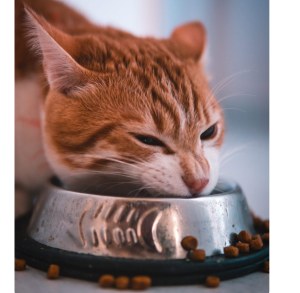
Credit: www.alanastevenson.com
Frequently Asked Questions
What Causes Food Aggression In Cats?
Food aggression in cats often stems from fear of food scarcity. Past neglect or competition can trigger this behavior. It may also arise from anxiety or territorial instincts related to feeding areas.
How Can I Safely Feed An Aggressive Cat?
Feed aggressive cats in separate, quiet spaces to reduce stress. Use consistent feeding routines and avoid sudden changes. Offering smaller, frequent meals can help minimize aggression during feeding times.
Can Food Aggression Be Trained Out Of Cats?
Yes, with patience and positive reinforcement, food aggression can be reduced. Gradual desensitization around feeding areas and rewarding calm behavior help retrain cats. Professional guidance may be needed for severe cases.
Is Food Aggression Dangerous For Cat Owners?
Food aggression can lead to bites or scratches if not managed properly. It’s important to approach feeding calmly and avoid sudden movements. Understanding triggers reduces risk and ensures safety for both cats and owners.
Conclusion
Food aggression in cats can cause stress for pets and owners. Understanding the reasons helps manage this behavior. Consistent feeding routines and calm environments work well. Patience and gentle training improve your cat’s comfort. Always watch for warning signs to keep everyone safe.
Small changes can make a big difference in behavior. Healthy, happy cats create a peaceful home. Keep learning and adapting to your cat’s needs. This effort builds trust and reduces food aggression over time.
