

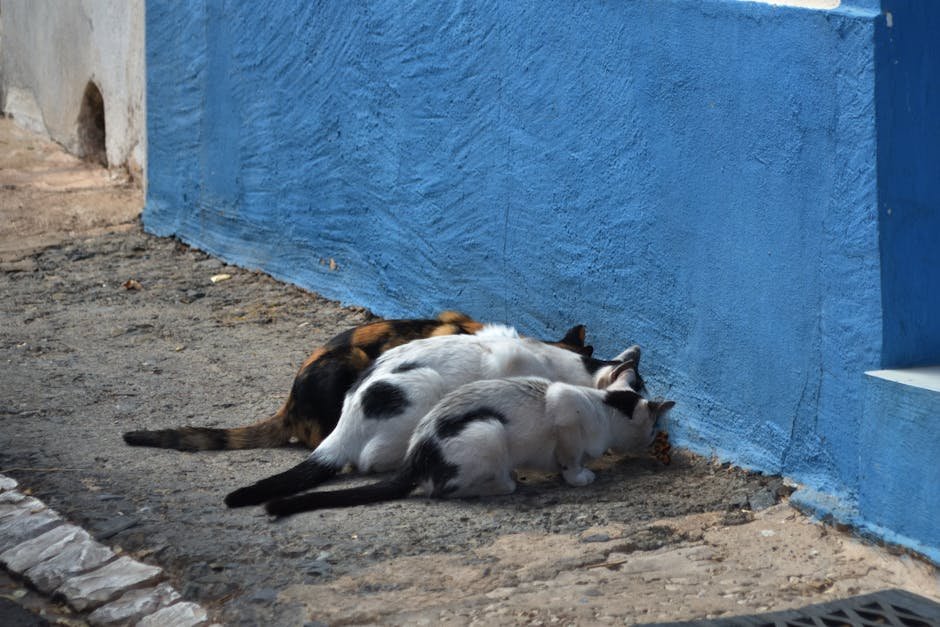
You’ve probably seen feral cats roaming your neighborhood or hiding in the corners of your yard. They look wild, wary, and often seem untouchable.
But what can you really do to help them—and should you? If you’ve ever wondered how to handle feral cats safely and humanely, this article is for you. You’ll learn simple, practical steps to make a difference without feeling overwhelmed.
Keep reading to discover what actions you can take right now to protect these animals and your community.
Identifying Feral Cats
Feral cats are usually shy and avoid people. They have rough coats and look thin or dirty. Watching their behavior helps tell if a cat is feral or just stray.
Identifying feral cats can be a challenging task, yet it’s crucial for effective management and care. Feral cats are typically born and raised in the wild, or have been abandoned and reverted to a wild state. Understanding the nuances of their behavior and appearance can help you determine how best to support them.Signs Of Feral Behavior
Feral cats often exhibit behaviors that differentiate them from domesticated cats. They tend to avoid human contact and may hiss or growl when approached. Their body language is usually tense, with arched backs and flattened ears. You might notice that feral cats are more active at night, as they are naturally nocturnal. If you see a cat that avoids human interaction and seems more comfortable in a natural environment, it’s likely feral. They often live in colonies and have a defined territory.Differences Between Stray And Feral Cats
Recognizing the difference between stray and feral cats is key. Stray cats are typically more socialized and may approach humans or houses looking for food. They might seem disoriented or lost, showing signs of having been a pet at some point. In contrast, feral cats are wary and will not approach humans. They are usually well-groomed, as they are adept at self-care in the wild, unlike strays who might appear unkempt due to lack of resources. Strays may vocalize more and act friendly, seeking attention and help. Understanding these differences can guide your approach. Would you be able to spot a feral cat in your neighborhood? Observing these signs can make a difference in how we coexist with these intriguing creatures.Approaching Feral Cats Safely
Approaching feral cats requires patience and care. These cats are wild and often scared of humans. Sudden moves or loud noises can make them run away. Building trust slowly helps create a safe bond. Understanding their behavior is key to gaining their confidence.
Gaining Trust Gradually
Start by observing the cat from a distance. Let the cat see you without feeling threatened. Avoid direct eye contact, which can seem aggressive. Sit quietly and move slowly to avoid startling the cat. Speak softly to create a calm environment. Over time, the cat may come closer on its own. Respect their space and never force interaction.
Using Food As A Tool
Food is a strong way to gain trust. Offer small amounts of food at regular times. Use dry or wet cat food that has a strong smell. Place the food in a safe spot near you. Step back and allow the cat to eat peacefully. Gradually, move the food closer to yourself. This shows the cat you mean no harm. Avoid sudden movements while feeding. Consistency in feeding helps build a positive association.
Feeding And Shelter Tips
Providing food and shelter is vital for the care of feral cats. It helps keep them healthy and safe from harm. Simple actions can make a big difference in their daily lives. This section shares practical tips for feeding and sheltering feral cats effectively.
Creating Safe Feeding Stations
Choose a quiet, low-traffic area to set up feeding spots. This reduces stress for the cats and keeps them away from dangers. Use shallow dishes for food and water to make eating easier. Place food away from busy roads or places with loud noises. Keep feeding times consistent to build trust and routine. Clean the feeding area regularly to prevent pests and disease.
- Pick a calm, sheltered spot
- Use shallow, easy-to-clean bowls
- Feed at the same time daily
- Keep the area clean and dry
- Provide fresh water along with food
Building Weatherproof Shelters
Feral cats need protection from rain, wind, and cold. Building simple shelters can save lives during bad weather. Use durable materials like plastic bins or wooden crates. Insulate the inside with straw or blankets for warmth. Make entrances small to keep heat inside and block larger animals out. Place shelters in hidden spots near feeding stations. Check shelters regularly to ensure they stay dry and intact.
- Use sturdy, waterproof materials
- Insulate with straw, not blankets that hold moisture
- Keep entrance small and facing away from wind
- Position shelters near feeding areas
- Inspect shelters often for damage or wetness
Trap-neuter-return (tnr) Programs
Trap-Neuter-Return (TNR) programs offer a humane and effective way to manage feral cat populations. Instead of removing cats permanently, TNR focuses on stabilizing colonies by preventing new litters. This approach helps communities coexist peacefully with feral cats while addressing public health and safety concerns.
How Tnr Works
TNR involves safely trapping feral cats and taking them to a veterinarian for spaying or neutering. During the same visit, cats receive vaccinations and any necessary medical treatment. Once they recover, cats are returned to their original location.
You might wonder why the cats are returned instead of adopted. Feral cats are not socialized to humans, making adoption stressful and unlikely. Returning them prevents new, unsterilized cats from moving into the territory, which naturally controls the population.
Benefits Of Tnr For Communities
TNR programs reduce the number of kittens born, which lowers the overall feral cat population over time. This decrease means fewer nuisance behaviors like yowling and fighting. It also reduces the spread of diseases that feral cats can carry.
Communities benefit from fewer cats roaming and fewer complaints about noise and property damage. TNR also saves public resources by cutting down on the need for animal control to trap and euthanize feral cats. Plus, it fosters a more compassionate approach that many community members support.
Have you seen a local feral cat colony change after a TNR program started? Your observation could be the key to encouraging others to support humane population control.
Health Care For Feral Cats
Providing health care for feral cats is a challenge that requires patience and dedication. These cats are often wary of humans, making routine care difficult. However, their well-being depends on consistent medical attention and preventive measures.
Vaccination And Medical Checkups
Vaccinating feral cats protects them from deadly diseases like rabies and feline leukemia. Try to arrange trap-neuter-return (TNR) programs where vaccinations are part of the process. This approach reduces their risk of illness and helps control population growth.
Regular medical checkups may seem impossible, but even occasional health assessments can catch problems early. Work with local shelters or vets who understand feral cat care to schedule these checks. Have you considered how a simple vaccine could save a feral cat’s life?
Dealing With Common Health Issues
Feral cats often face parasites, wounds from fights, and respiratory infections. You can help by providing flea treatments and antibiotics when needed, though this requires careful handling. Observing their behavior gives clues: limping or sneezing means it’s time for intervention.
In my experience, patience and gentle trapping methods made treating a limping feral cat possible. Small steps can make a big difference, like offering safe shelter and food alongside medical care. What health signs do you think are easiest to miss in feral cats?
When To Consider Adoption
Deciding when to adopt a feral cat requires careful thought and observation. Adoption is a step toward giving a cat a safer, more stable life. Not all feral cats are ready for adoption immediately. Understanding their behavior helps in making the right choice.
Socializing Young Feral Cats
Young feral cats adapt more easily to home life. Early contact with humans helps them trust people. Gentle handling and quiet surroundings improve their social skills.
Here are ways to socialize young feral cats:
- Provide food in a calm area daily.
- Spend short, consistent time near them.
- Use toys to encourage play and interaction.
- Offer safe spaces to reduce fear.
Patience is key. Some cats need weeks or months to feel comfortable. Socialized young cats have a better chance to thrive in homes.
Finding Homes For Friendly Cats
Friendly feral cats show signs of trust and curiosity. They may approach humans or accept petting. These cats often do well in adoption programs.
Steps to find homes for friendly cats include:
- Work with local shelters or rescue groups.
- Share photos and stories on social media.
- Host meet-and-greet events to connect cats with adopters.
- Screen potential adopters for a safe, loving environment.
Creating a good match ensures the cat’s long-term happiness. Friendly feral cats can become loving pets with proper care.
Legal And Ethical Considerations
Handling feral cats involves more than just compassion; it requires understanding the legal and ethical boundaries that protect communities, wildlife, and the cats themselves. Before taking any action, you need to be aware of the rules and the potential impact on local ecosystems. This awareness helps you make informed choices that respect both animal welfare and the environment.
Local Laws And Regulations
Every area has different laws about feral cats. Some places allow trap-neuter-return (TNR) programs, while others may classify feral cats as pests. Ignoring these laws can lead to fines or legal trouble.
Check with your city or county animal control office. They can provide guidelines on what’s allowed, such as feeding restrictions or requirements for TNR permits. Knowing the rules upfront saves you from unintended consequences.
Have you ever wondered if your efforts to help feral cats could actually break the law? Taking a few minutes to research local regulations can make all the difference.
Respecting Wildlife And Ecosystems
Feral cats can pose a serious threat to native wildlife, especially birds and small mammals. Their hunting instincts don’t disappear just because they live near humans. If you feed or shelter feral cats, you might unintentionally encourage hunting that harms local species.
Balancing care for feral cats with protecting wildlife means considering the environment around you. Support programs that focus on humane population control, like TNR, rather than just feeding cats without managing their numbers.
Ask yourself: How can you help feral cats without disrupting the natural balance? Sometimes, the best help involves collaboration with wildlife experts or local conservation groups to find solutions that work for everyone.
Community Involvement And Support
Getting involved with your community can change the way feral cats are cared for and perceived. Support from neighbors and local organizations makes a real difference. You don’t have to handle this challenge alone—working together creates a stronger impact.
Working With Local Animal Groups
Local animal groups often have experience and resources that you can’t find on your own. They may offer trap-neuter-return (TNR) programs, veterinary care, and foster networks. Partnering with them can help you manage feral cat populations more effectively and humanely.
Think about reaching out to animal shelters, rescue groups, or feral cat coalitions in your area. They can provide training on how to safely trap and care for cats. Sometimes they even supply traps and medical support, which reduces the burden on you.
Educating Neighbors And Volunteers
Awareness is key to creating a supportive environment for feral cats. When neighbors understand why TNR is important, they are more likely to cooperate and even help. You can organize simple workshops or distribute flyers explaining how feral cats benefit the community by controlling pests.
Encourage your volunteers to learn about cat behavior and health issues. This knowledge helps them handle cats safely and recognize when a cat needs medical attention. Have you noticed how a few informed people can change the whole neighborhood’s attitude?
Frequently Asked Questions
What Is The Best Way To Help Feral Cats?
Provide food, water, and shelter in safe locations. Avoid direct contact to gain their trust slowly. Consider TNR (Trap-Neuter-Return) programs to control population humanely. This approach ensures feral cats stay healthy and reduces community impact.
How Can I Safely Trap Feral Cats?
Use humane traps with bait like canned tuna or cat food. Place traps in quiet, familiar areas to reduce stress. Check traps frequently to avoid prolonged confinement. Always follow local guidelines for trapping and handling feral cats safely.
Should I Attempt To Socialize A Feral Cat?
Socializing feral cats is possible but requires patience and time. Start with consistent feeding and gentle presence. Some feral cats may never fully adapt to indoor life. Assess their behavior to decide if socialization or TNR is best.
Why Is Tnr Important For Feral Cats?
TNR controls feral cat populations humanely by preventing reproduction. It reduces nuisance behaviors like yowling and fighting. Vaccinated and neutered cats live healthier lives. This method benefits both cats and communities by promoting balance.
Conclusion
Feral cats need care and attention for a better life. Trap, neuter, and return helps control their numbers safely. Feeding them regularly builds trust but avoid overfeeding. Providing shelter protects cats from harsh weather. Community efforts make a big difference in their well-being.
Understanding feral cats leads to kinder choices. Every small action helps these animals survive. Caring for feral cats shows respect for nature. Think about how you can help today. Together, we can create safer spaces for feral cats.
