

Are you noticing some unusual behaviors in your female cat? If she seems more affectionate, vocal, or restless, you might be witnessing her in season.
Understanding the behavior of a female cat in season can be both fascinating and crucial for any cat owner. By grasping these behavioral changes, you can better care for your feline friend and ensure her comfort during this natural phase.
This knowledge not only strengthens your bond with your pet but also helps prevent any unexpected surprises. Dive into this article to discover what exactly happens when your female cat is in season and how you can make this period smoother for both of you.
Signs Of A Female Cat In Heat
Recognizing the signs of a female cat in heat can help you respond appropriately and manage her behavior better. These signs are clear signals that your cat is ready to mate. Paying attention to these changes can reduce stress for both you and your furry friend.
Vocalization Changes
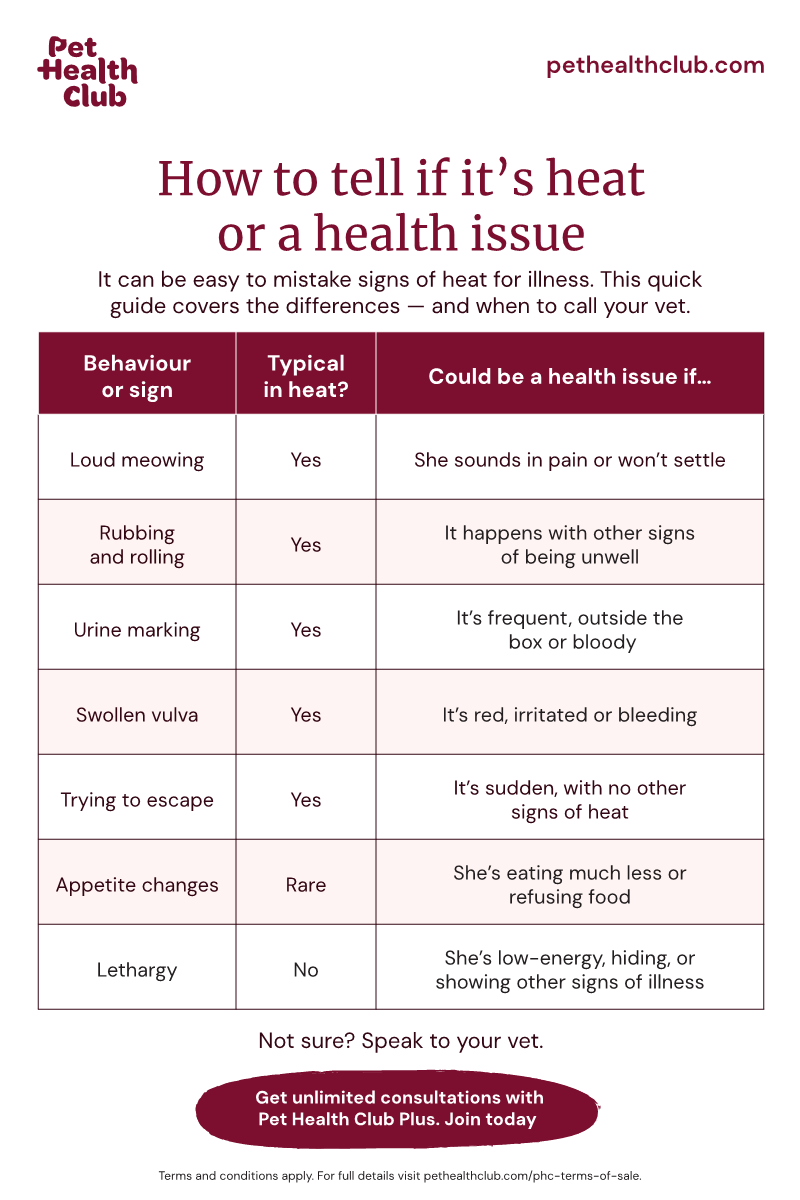
One of the most noticeable signs is a sudden increase in vocalization. Your cat may start yowling or meowing loudly and persistently, especially at night. This loud calling is her way of attracting a mate, and it can be surprising if you aren’t prepared for it.
Have you noticed your usually quiet cat turning into a noisy chatterbox? This vocal shift is a strong clue that she’s in heat.
Increased Affection
During heat, female cats often become unusually affectionate. You might find her rubbing against you, furniture, or even walls more frequently. This behavior signals her desire for attention and comfort.
She may also seek more petting and cuddling than usual. Does your cat suddenly want to sit on your lap constantly? That’s her way of showing she needs reassurance during this time.
Restlessness And Pacing
Restlessness is common in cats in heat. Your cat might pace back and forth or roam around the house more than usual. This behavior shows her anxiety and eagerness to find a mate.
Notice if she seems unable to settle down or appears agitated. This can be challenging to manage, but understanding her restlessness is the first step in helping her feel secure.
Body Posture And Movements
Female cats in heat often display specific body postures and movements. She may crouch with her rear end raised and tail to the side. This position makes it easier for mating and is a clear sign of her readiness.
You might also see her rolling on the floor or rubbing her body against objects more frequently. These actions are part of her natural behavior during heat and indicate her reproductive status.

Credit: www.four-paws.org
Behavioral Changes During Heat
Female cats experience noticeable behavioral changes when they are in heat. These shifts can catch you off guard if you’re not prepared. Understanding these behaviors helps you manage your cat’s comfort and safety during this time.
Marking Territory
One common behavior during heat is marking territory. Your cat may spray urine on furniture, walls, or doorways to signal her availability to male cats. This can be frustrating, but it’s a natural instinct driven by hormones.
Try providing more litter boxes and cleaning marked spots with enzyme-based cleaners to reduce repeat marking. Have you noticed your cat’s favorite spots for marking? Those areas might need extra attention.
Escape Attempts
Many female cats try to escape the house when in heat. Their strong urge to find a mate pushes them to sneak out through open doors or windows. This behavior puts your cat at risk of injury or getting lost.
Make sure all exits are secure and consider supervised outdoor time or a cat-proof enclosure. Can you identify weak points in your home where your cat might slip out?
Changes In Appetite
Appetite changes are typical during heat cycles. Some cats eat less due to discomfort, while others may seem more restless and eat erratically. Observing your cat’s eating habits can give clues about her well-being.
Offer small, frequent meals and keep fresh water available at all times. If your cat suddenly refuses food for more than a day, it might be time to consult your vet.
Interaction With Other Pets
Your female cat’s interactions with other pets can shift during heat. She may become more vocal and seek attention, or alternatively, more irritable and defensive. This can affect the harmony in a multi-pet household.
Monitor their behavior closely and provide separate spaces if needed to avoid conflicts. Have you seen your cat’s personality change around other pets during this time?
Managing Heat Cycles
Managing a female cat’s heat cycles requires patience and care. These cycles can cause restlessness and loud vocalizing. Understanding how to ease her discomfort helps both the cat and owner stay calm. Creating a peaceful setting and offering distractions can reduce stress during this time.
Creating A Calm Environment
Keep your home quiet and free from loud noises. Dim the lights to make the space soothing. Limit visitors and avoid sudden movements around your cat. A calm environment helps reduce anxiety and excessive vocalizing.
Using Toys And Distractions
Provide interactive toys to keep her busy. Toys that encourage chasing or pouncing work well. Rotate toys regularly to maintain her interest. Engaging her mind can reduce restless behavior and help her relax.
Providing Comfort And Security
Offer soft bedding in a warm, quiet corner. Use blankets or cushions to create a cozy spot. Spend time gently petting and soothing your cat. Feeling safe and loved helps her cope with the heat cycle.

Credit: pethelpful.com
Health Considerations
Understanding health considerations during your female cat’s season is crucial for her well-being. The behavioral changes you notice are just the tip of the iceberg. Beneath those meows and restlessness, there could be health risks that demand your attention.
When To Consult A Veterinarian
If your cat shows signs of distress beyond normal heat behaviors, it’s time to call the vet. Persistent yowling, lethargy, or loss of appetite can signal underlying issues. Also, if you notice any unusual discharge or swelling, don’t wait—early intervention can prevent serious problems.
Remember, each cat reacts differently during her season. Trust your instincts and seek professional advice if something feels off.
Risks Of Unspayed Cats
Leaving your cat unspayed exposes her to several health risks. Pyometra, a potentially life-threatening infection of the uterus, is common in unspayed females. Additionally, the chance of developing mammary tumors increases significantly after multiple heat cycles.
Behavioral risks include attracting unwanted male cats, which can lead to fights and injuries. Is the temporary inconvenience of managing heat cycles worth these long-term risks? Many cat owners find spaying a safer choice for their pet’s health.
Possible Medical Treatments
Spaying remains the most effective medical treatment to eliminate heat cycles and related health risks. In some cases, veterinarians might suggest hormone therapy, but this carries side effects and is less common today.
Always discuss options with your vet to choose the safest and most effective treatment for your cat’s unique situation. Have you considered how spaying could improve your cat’s quality of life and reduce your worries?
Spaying As A Long-term Solution
Spaying offers a reliable long-term solution to the challenges female cats face during their heat cycles. Beyond simply stopping the behaviors linked to being in season, spaying impacts your cat’s overall health and your household’s harmony. Understanding the benefits, timing, and care involved can help you make an informed decision that benefits both you and your feline companion.
Benefits Of Spaying
Spaying eliminates the heat cycle, so your cat won’t display behaviors like loud yowling or restlessness. This means fewer sleepless nights for you and less stress for your pet.
It also significantly reduces the risk of uterine infections and breast tumors, which are serious health concerns for intact females. You protect your cat’s long-term well-being by opting for this procedure.
Moreover, spaying helps control the stray cat population. Have you ever considered how many unwanted litters can be prevented with one simple surgery?
Timing And Procedure
Most veterinarians recommend spaying your cat before her first heat cycle, usually around five to six months old. Early spaying can lead to quicker recovery and better health outcomes.
The procedure involves the removal of the ovaries and uterus under general anesthesia. It’s a routine surgery, but it’s important to choose a skilled vet to ensure safety.
Ask your vet about pre-surgery checks and what to expect on the day of the operation. Being prepared can ease anxiety for both you and your cat.
Post-surgery Care
After surgery, your cat will need a calm environment to rest and recover. Limit her activity to prevent strain on the incision site.
Keep an eye on the surgical area for signs of redness, swelling, or discharge. These could indicate infection and need immediate veterinary attention.
Providing gentle food and plenty of water supports healing. Have you set up a cozy recovery space where your cat can feel safe and comfortable?
Credit: www.pethealthclub.com
Frequently Asked Questions
What Behaviors Indicate A Female Cat Is In Season?
A female cat in season may vocalize loudly, become restless, and rub against objects. She might also assume a mating posture and show increased affection. These behaviors signal her readiness to mate and attract male cats.
How Long Does A Female Cat’s Heat Cycle Last?
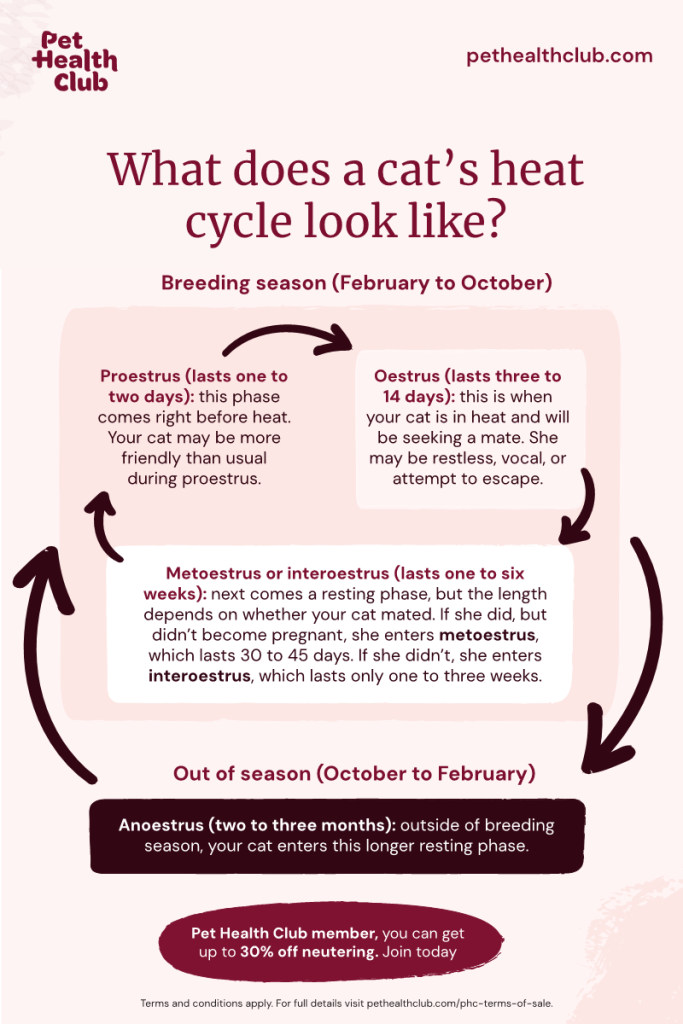
A female cat’s heat cycle typically lasts 5 to 10 days. If she does not mate, the cycle may repeat every two to three weeks. This cycle continues until she becomes pregnant or the season changes.
Can Female Cats In Season Become Aggressive?
Yes, some female cats may show aggression during their heat. This behavior can include hissing, scratching, or biting. Hormonal changes and discomfort often trigger these reactions, so patience and care are essential.
How Can I Comfort A Female Cat In Heat?
Provide a calm environment, gentle petting, and warmth to comfort her. Playing soft music or using pheromone diffusers may reduce stress. Avoid letting her outside to prevent unwanted mating.
Conclusion
Female cats in season show clear signs you can notice. Their behavior changes to attract mates and express needs. Understanding these actions helps you care for them better. Patience and gentle handling make this time easier for your cat. Keeping them safe and comfortable is important.
You can also speak to a vet about options. Knowing what to expect reduces stress for both you and your cat. Every cat is different, so watch closely and respond kindly. This knowledge helps build a stronger bond with your pet.
