

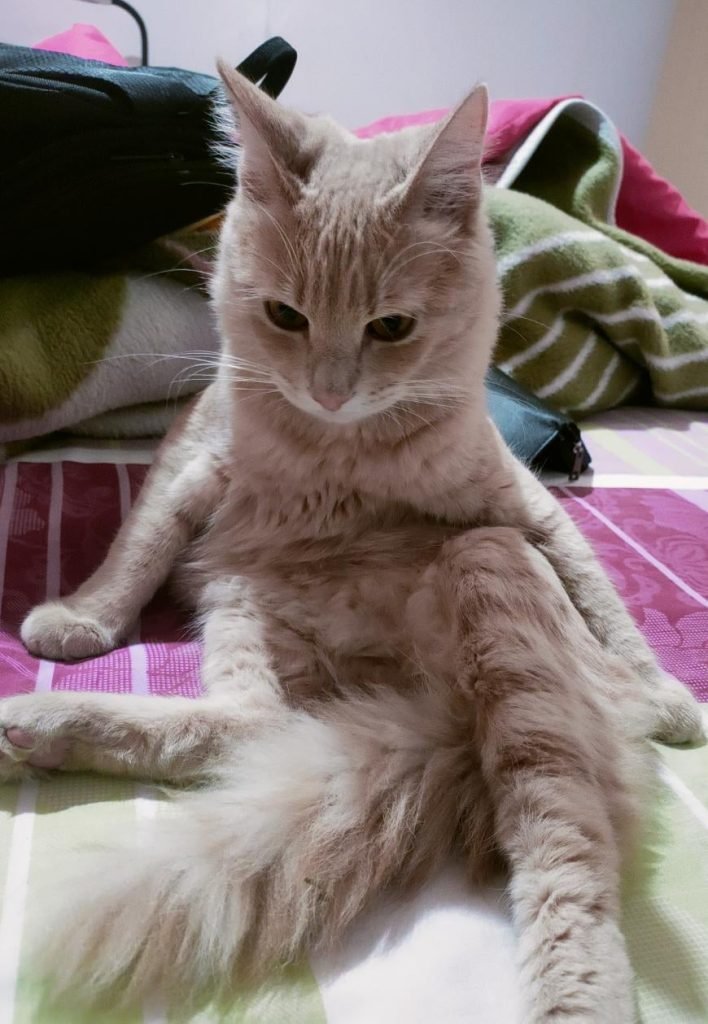
Have you ever wondered how your female cat’s behavior might change after she’s been neutered? You’re not alone.
Many pet owners notice shifts in their cat’s demeanor and actions post-surgery, and it’s perfectly natural to have questions. Understanding these changes can help you better care for your furry friend and ensure she’s happy and healthy. We’ll delve into the common behaviors you might observe and what they mean for your cat’s well-being.
Stick with us to discover how neutering can influence your cat’s life and your relationship with her.
Hormonal Shifts
Neutering triggers significant hormonal shifts in female cats that affect their behavior and health. These changes stem mainly from the alteration in hormone production caused by removing the ovaries. Understanding these shifts helps you anticipate and manage your cat’s post-surgery behavior more effectively.
Impact On Estrogen Levels
After neutering, your cat’s estrogen levels drop sharply. Estrogen controls many behaviors like heat cycles and territorial marking. You might notice your cat becoming calmer or less interested in seeking mates.
Lower estrogen can also affect her skin and coat condition, sometimes making it less glossy. Watch for any changes in appetite or activity, as these can be linked to hormonal adjustments. Have you seen your cat become more relaxed or less vocal after neutering? That’s often the hormone at work.
Changes In Reproductive Cycle
Neutering stops your cat’s reproductive cycle entirely. This means no more heat periods or the behaviors that come with them, such as yowling or restlessness. Your cat won’t experience the hormonal fluctuations tied to fertility anymore.
This change can reduce stress for both you and your pet, but it also means you need to monitor her health differently. Without the cycle, watch for weight gain or changes in energy since her metabolism may slow down. How do you plan to adjust her care routine now that her reproductive cycle has ended?
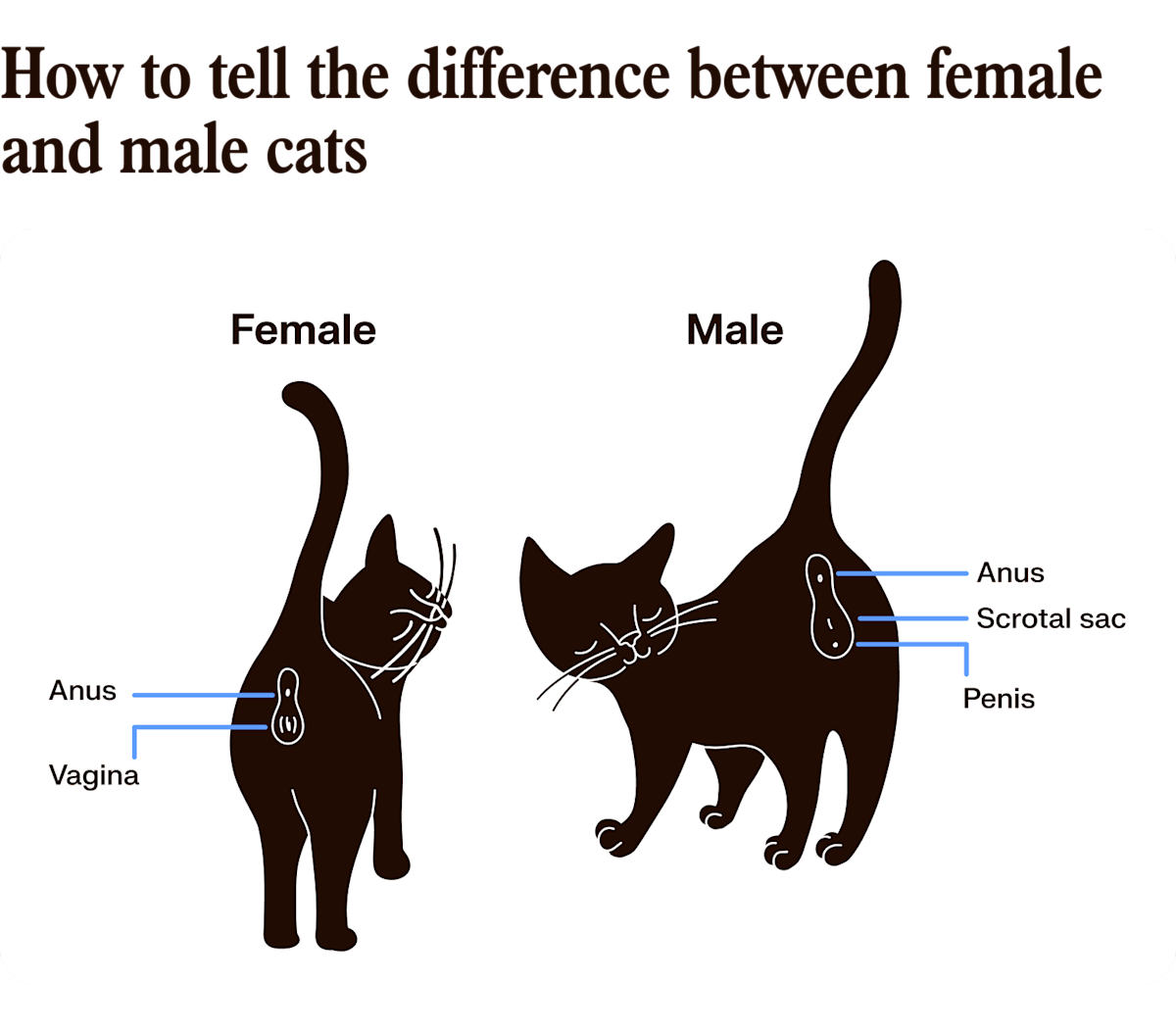
Credit: www.kinship.com
Activity And Energy
After neutering, your female cat’s activity and energy levels often change, but these shifts can vary widely. Understanding these changes helps you adjust her environment and care to keep her happy and healthy. Let’s look at how playfulness and sleep patterns might evolve.
Variations In Playfulness
Some female cats become less playful after neutering, showing less interest in chasing toys or running around. However, others might maintain their usual energy or even get more curious and interactive. It depends on her personality and age at the time of surgery.
If you notice a drop in playfulness, try introducing new toys or interactive games to spark her interest. Puzzle feeders or laser pointers can be great ways to encourage movement without overwhelming her. Have you observed any surprising changes in your cat’s play habits post-surgery?
Sleep Patterns Adjustments
Neutering often leads to longer and deeper sleep periods in female cats. They might nap more during the day and rest soundly at night. This increased rest supports healing and hormone balance after surgery.
Watch for drastic shifts though—excessive sleep combined with lethargy could signal discomfort or health issues. Creating a quiet, comfortable space for your cat to relax can aid her recovery. How does your cat’s sleep routine compare before and after her neutering?
Appetite And Weight
Neutering affects female cats in many ways, especially their appetite and weight. You might notice your cat becoming hungrier or gaining weight faster after the surgery. Understanding these changes can help you keep your cat healthy and happy.
Metabolic Rate Changes
After neutering, a female cat’s metabolism slows down. This means she burns fewer calories even if her activity level stays the same. You may see her needing less food to maintain a healthy weight.
It’s easy to think your cat is just extra hungry, but her body is adjusting to a new energy balance. If you keep feeding the same amount, weight gain is almost certain. Have you ever noticed your cat begging more often after surgery?
Managing Weight Gain
Controlling your cat’s weight after neutering requires a few simple steps. Start by measuring her food portions carefully instead of free-feeding. Choose high-quality, balanced cat food that supports a lower calorie intake without sacrificing nutrition.
- Offer smaller, more frequent meals to help control hunger.
- Encourage playtime and physical activity daily to boost calorie burn.
- Monitor her weight weekly to catch any increases early.
Weight gain isn’t just about food quantity; it’s about quality and lifestyle too. Are you ready to adjust your cat’s routine to keep her fit and energetic?
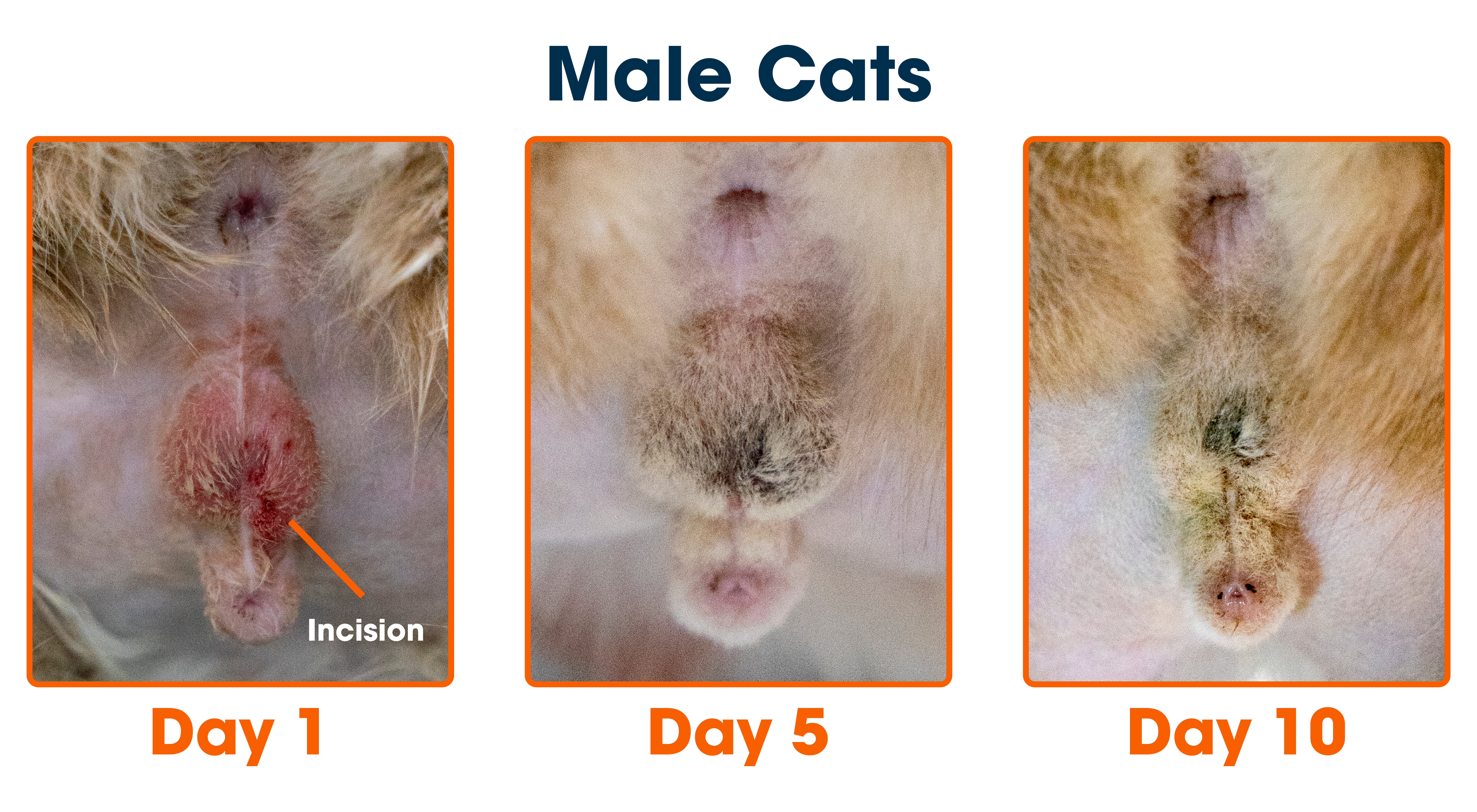
Credit: www.aspca.org
Social Behaviour
Neutering causes noticeable shifts in a female cat’s social behaviour. These changes often affect how she shows affection and how she interacts with other pets in the home. Understanding these shifts helps pet owners provide better care and support.
Altered Affection Levels
Neutered female cats often show different levels of affection. Some become more cuddly and seek attention more frequently. They may purr louder and rub against their owners more often.
Other cats might become a bit more independent. They may enjoy solitude or play alone. This change is normal and depends on the cat’s personality.
Overall, neutering can reduce stress and mood swings. This often leads to a calmer and more stable pet.
Interactions With Other Pets
After neutering, a female cat’s behaviour around other animals usually becomes less aggressive. This helps reduce fights and tension in multi-pet homes.
She may be more willing to share space and toys. Friendly greetings and gentle play can increase. This makes the home environment more peaceful.
In some cases, neutering helps a cat feel less territorial. This reduces marking and chasing behaviours. Pets often learn to coexist better after neutering.
Vocalisation Changes
Neutering can bring noticeable changes in a female cat’s vocal behaviour. These changes often reflect shifts in hormones and instincts. Cat owners may observe quieter or different sounds from their pets after surgery. Understanding these vocal changes helps in caring for your cat better.
Reduction In Calling
Female cats often call loudly to attract mates before neutering. This calling is usually frequent and intense during heat cycles. After neutering, the need to call reduces significantly. Hormone levels drop, so the cat feels less urge to attract a mate. Many owners notice their cats become much quieter after the surgery. This reduction in calling can make the home environment calmer.
New Communication Patterns
Neutering may lead to new ways your cat communicates. Instead of loud calls, she might use softer meows or purrs. These sounds often show contentment or a need for attention. Some cats may also use body language more, like rubbing or tail movements. These new communication styles help them connect better with their owners. Understanding these changes improves your bond with your cat.
Litter Box Habits
After neutering, you might notice some changes in your female cat’s litter box habits. These changes can be subtle or more obvious, depending on your cat’s personality and environment. Understanding what to expect can help you maintain a clean home and keep your cat comfortable.
Consistency In Use
Most female cats continue to use their litter box consistently after neutering. This is because the procedure doesn’t usually affect their natural bathroom habits. However, some cats may take a little time to adjust due to changes in their hormone levels.
Keep the litter box clean and in a quiet, accessible spot to encourage regular use. If you notice your cat avoiding the box, check for any physical discomfort or stress triggers. Sometimes, simple changes like switching to unscented litter can make a big difference.
Possible Behavioural Issues
Neutering can reduce certain behaviors, but it might also cause unexpected litter box problems in some cats. For example, a few cats might start urinating outside the box as a sign of stress or a medical issue.
If your cat suddenly stops using the litter box, don’t ignore it. It might be a sign of urinary tract infection or anxiety. Consulting your vet quickly can prevent the problem from becoming worse.
Have you noticed any new patterns in your cat’s bathroom routine after neutering? Paying close attention can help you catch problems early and keep both you and your cat happy.
Health Considerations
Neutering affects a female cat’s health in many ways. Understanding these health considerations helps pet owners provide better care. Some changes in her body and behavior need attention after surgery. This section highlights key health issues to watch for.
Risk Of Urinary Problems
Neutering can raise the risk of urinary tract issues. Female cats may develop infections or blockages more easily. Hormonal changes affect the urinary system and bladder function. Keep an eye on signs like:
- Frequent urination
- Straining to urinate
- Blood in urine
- Accidents outside the litter box
Early treatment prevents serious problems. Regular vet check-ups help catch urinary issues early. Maintaining a balanced diet and fresh water intake supports urinary health.
Long-term Wellbeing
Neutering contributes to a female cat’s long-term health. It lowers the chance of certain cancers and infections. This surgery prevents unwanted pregnancies, reducing stress on her body.
Weight management is important after neutering. Cats often become less active and may gain weight. Overweight cats face risks like diabetes and joint problems. Monitor her diet and encourage play to keep her fit.
Regular health exams support her wellbeing. Vaccinations and parasite control remain essential. A healthy lifestyle helps your cat live a longer, happier life.
Tips For Owners
After your female cat is neutered, you might notice some changes in her behavior. These changes can sometimes be confusing or concerning, but with the right support, your cat can adjust smoothly. Here are practical tips to help you understand and support your cat during this transition.
Supporting Behavioural Adjustments
Your cat may become calmer or less vocal after neutering. This shift is normal but can be surprising if you’re used to her previous energy levels.
Provide extra affection and attention to reassure her. Cats often respond well to gentle petting or quiet playtime, which can ease any stress she feels.
Watch for signs of withdrawal or aggression, which might mean she needs more time or a vet check. Have you noticed any sudden mood swings in your cat lately?
Diet And Exercise Recommendations
Neutering can slow your cat’s metabolism, so adjusting her diet is crucial to prevent weight gain. Choose a high-quality, balanced cat food with appropriate calories for her new needs.
Encourage regular play sessions to keep her active. Simple toys like feather wands or laser pointers can motivate her to move more and stay fit.
Consider small changes, like feeding smaller meals more frequently, to help maintain a healthy weight. How often do you engage your cat in playtime each day?

Credit: www.reddit.com
Frequently Asked Questions
How Does Neutering Affect Female Cat Behavior?
Neutering reduces hormone-driven behaviors like yowling and restlessness. It calms female cats and decreases their desire to roam and mark territory.
Will My Female Cat Become Less Aggressive After Neutering?
Yes, neutering often reduces aggression in female cats by lowering hormone levels. Cats become more relaxed and social after the procedure.
How Long Does Behavioral Change Take After Neutering?
Behavioral changes usually appear within a few weeks post-surgery. Full adjustment may take up to a month as hormones stabilize.
Does Neutering Impact A Female Cat’s Activity Level?
Neutered female cats tend to be less hyperactive. They might become calmer but still need regular play and exercise for health.
Conclusion
Neutering changes female cat behavior in many ways. Most cats become calmer and less aggressive. They may stop roaming and marking territory. These changes help them live happier and healthier lives. Owners should watch for any unusual signs after surgery.
Patience is key as cats adjust to new habits. Understanding these changes helps care for your pet better. Every cat reacts differently, so give them time. Neutering benefits both cats and their owners in the long run.
