

Have you ever wondered why your female cat acts the way she does? Understanding female cat behaviour can help you build a stronger bond with your furry friend.
From her playful moods to her mysterious habits, there’s a lot going on beneath that soft fur. If you want to discover what your cat is really trying to tell you, keep reading. This guide will unlock the secrets behind her actions and help you care for her better than ever before.
Common Female Cat Behaviors
Understanding the common behaviors of female cats can help you build a stronger bond with your feline friend. Female cats often display unique traits that differ from their male counterparts. Observing these behaviors closely allows you to respond better to their needs and moods.
Social Interactions
Female cats tend to be more selective with their social interactions. They might approach you for affection but on their own terms, often showing a mix of independence and warmth.
Many female cats form close bonds with other cats or pets in the household, but they can also be wary of strangers. Have you noticed how your female cat sometimes prefers quiet company over a room full of people?
Territorial Habits
Female cats are known to be quite territorial, especially if they haven’t been spayed. They mark their space with scent glands around their face and paws.
This behavior can include rubbing against furniture, doors, or even you to establish their territory. Understanding this can help you manage multi-cat households and reduce conflicts.
Grooming Patterns
Female cats usually spend a significant amount of time grooming themselves to stay clean and calm. This routine is not just about hygiene but also comfort and stress relief.
If you notice excessive grooming or bald spots, it could indicate anxiety or health issues. Paying attention to these grooming patterns can alert you to when your cat might need extra care or a vet visit.
Credit: www.pethealthclub.com
Signs Of Heat And Mating
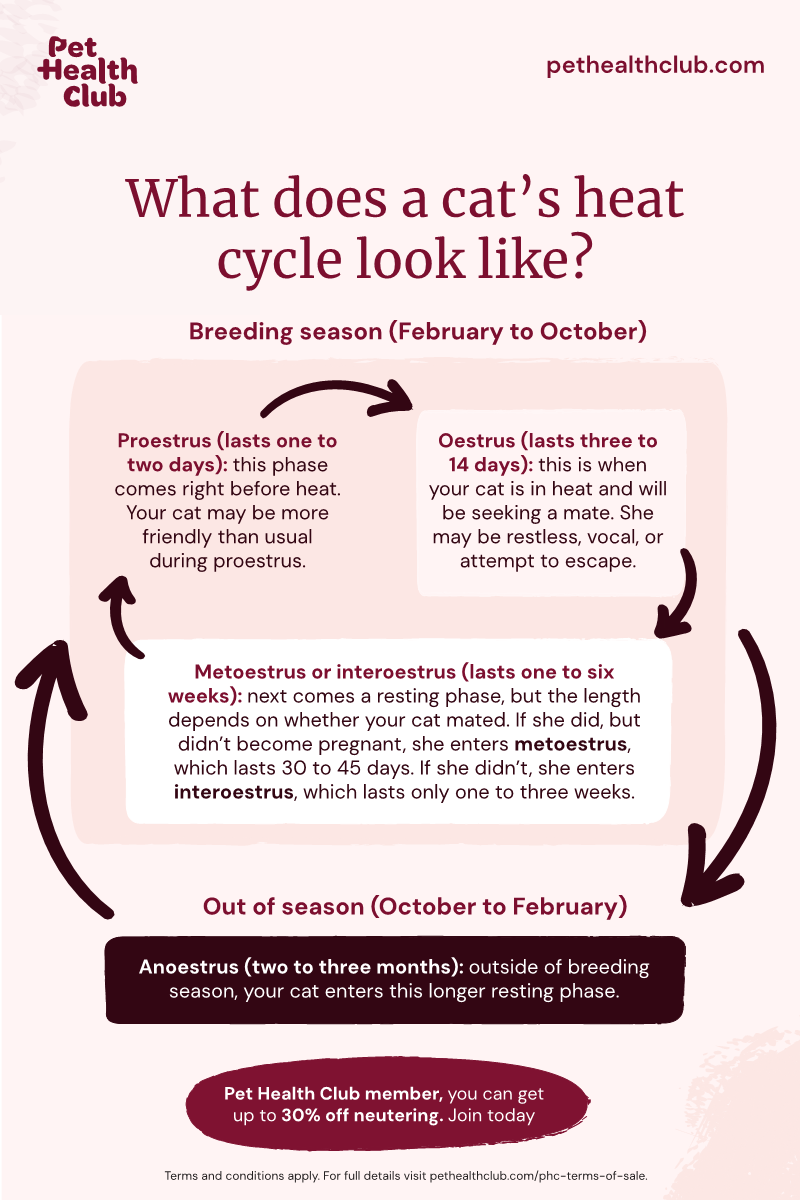
Female cats show clear signs when they are in heat. These signals help male cats know she is ready to mate. Recognizing these signs can help pet owners understand their cat’s behavior better. Heat cycles usually happen every few weeks during certain seasons.
Vocalizations During Heat
Female cats become very vocal during heat. They often make loud, persistent meows or yowls. These sounds can be unusual and much louder than normal. The vocalizations serve to attract male cats nearby. This noise can last for several days.
Restlessness And Affection
Cats in heat often seem restless and uneasy. They may pace around and have trouble settling down. Many become more affectionate than usual. They might rub against people, furniture, or objects often. This behavior signals their readiness to mate.
Marking Territory
Female cats in heat may mark their territory with urine. This urine has a strong, distinct smell. Marking helps send chemical signals to male cats. It shows that the female is fertile and ready to breed. This behavior can increase during heat cycles.
Maternal Instincts
Female cats show strong maternal instincts that guide their behavior during pregnancy and after birth. These instincts help ensure the safety and growth of their kittens. Watching a female cat care for her young reveals a natural, loving side that is both protective and nurturing.
Nesting Behavior
Before giving birth, female cats search for quiet, safe places to create a nest. They prefer warm, hidden spots away from noise and disturbance. This nesting helps keep the kittens safe and warm during their first weeks. The mother cat may gather soft materials like blankets or towels to make the nest cozy.
Protectiveness
Mother cats become very protective of their kittens. They stay close to the nest and watch for any threats. They may hiss or growl to warn others to stay away. This protectiveness is strongest during the first few weeks after birth. The mother wants to keep her kittens safe from danger.
Caring For Kittens
Female cats groom their kittens to keep them clean and healthy. They also stimulate the kittens to help them urinate and defecate. The mother feeds her kittens frequently, making sure they get enough milk. She teaches them important skills like hunting and socializing as they grow. This care helps the kittens develop into strong, independent cats.
Credit: www.rd.com
Mood And Emotional Signals
Female cats communicate their moods and feelings through various signals. Understanding these signals helps build a strong bond. Their emotions show clearly in their behavior and body language.
Body Language
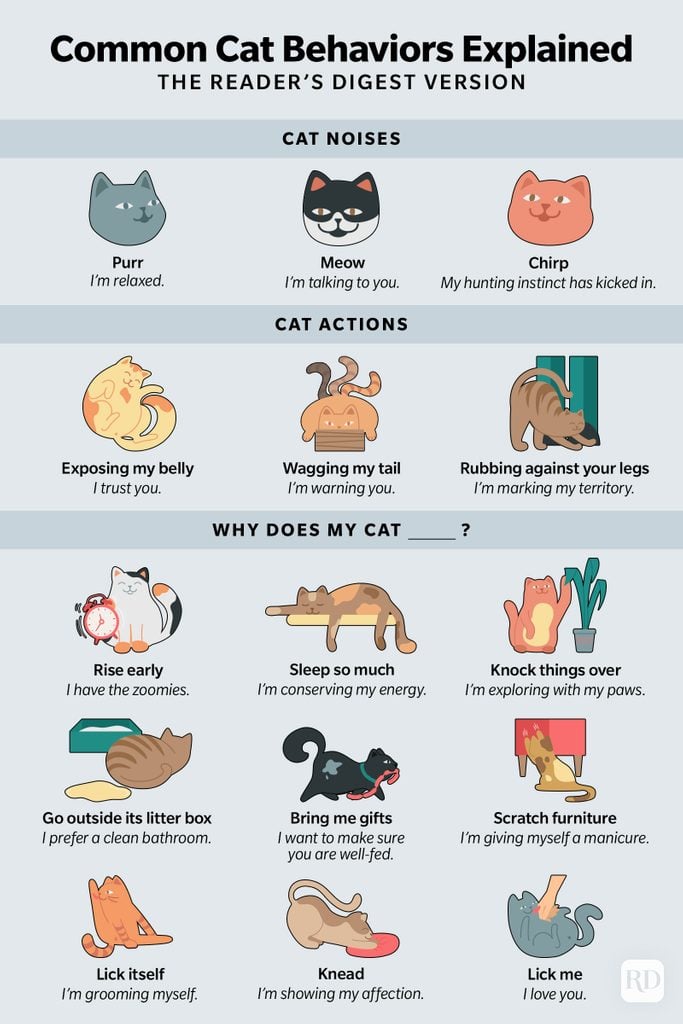
Body posture says a lot about a female cat’s mood. A relaxed cat lies down with soft eyes. A tense cat stands with stiff legs and wide eyes. Arched backs and puffed fur show fear or aggression. Slow blinking shows trust and calmness.
Purring And Hissing
Purring usually means contentment, but it can also signal pain or stress. Hissing is a clear sign of fear or anger. A cat hisses to warn others to stay away. Listen carefully to these sounds to know how your cat feels.
Tail Movements
The tail is a strong mood indicator. A high tail shows happiness and confidence. A low or tucked tail means fear or submission. Quick flicks often signal annoyance. Gentle swaying can mean curiosity or playfulness.
Health-related Behavior Changes
Female cats may show changes in their behavior when their health is not good. These changes often give clues about illness or discomfort. Owners should watch closely for any signs that seem different from normal habits. Understanding these behaviors helps in spotting health problems early.
Lethargy And Withdrawal
A female cat that suddenly sleeps more than usual might feel unwell. She may avoid playing or interacting with people. This withdrawal can indicate pain or illness. Cats often hide sickness to protect themselves. Notice if she stays hidden or moves slowly.
Changes In Appetite
Eating less or more than usual can signal health issues. A drop in appetite may show stomach problems or dental pain. Sometimes, a cat may eat more due to stress or thyroid issues. Keep track of her food intake and any sudden shifts.
Unusual Vocalizations
More meowing or strange sounds might mean discomfort. Cats may cry out if they have pain or anxiety. Listen for changes in tone, pitch, or frequency. Unusual vocalizations often point to health concerns needing attention.
Effects Of Spaying On Behavior
Spaying has a strong impact on female cat behavior. It changes many natural instincts and habits. Understanding these effects helps cat owners care better for their pets. Behavior shifts after spaying are usually positive and make cats calmer and healthier.
Reduction In Heat Cycles
Spaying stops the heat cycles completely. Female cats no longer show signs of being in heat. This means no yowling, restlessness, or attempts to escape. The absence of heat cycles reduces stress for both cats and owners. It also lowers the chance of unwanted litters.
Changes In Activity Levels
Activity levels often change after spaying. Many cats become less restless and more relaxed. Some cats may gain weight due to lower energy needs. Exercise and play remain important to keep them healthy. Watch for changes and adjust their routine as needed.
Behavioral Adjustments
Spaying can reduce aggressive or territorial behaviors. Female cats tend to be less likely to roam or fight. They may become more affectionate and enjoy calm time with owners. Some cats sleep more and seek less attention. These changes help create a peaceful home environment.
Tips For Interpreting Female Cat Actions
Understanding female cat behavior helps build a stronger bond. Their actions reveal emotions and needs. Learning to interpret these signs keeps your cat happy and healthy. Pay close attention to their body language and sounds. This section offers practical tips to read your female cat’s behavior better.
Observing Patterns
Watch your cat’s daily habits carefully. Note times she eats, sleeps, and plays. Changes in these patterns often signal something important. Look for repeated gestures like tail flicks or ear movements. These actions express moods such as curiosity or irritation. Tracking patterns helps predict her needs and feelings.
Responding To Needs
Meet your cat’s needs promptly. If she meows loudly, she may want attention or food. Grooming herself often means comfort, but excessive licking can show stress. Provide cozy resting spots and fresh water. Play with her using toys to reduce boredom. Respect her space when she hides or avoids contact.
When To Consult A Vet
Seek veterinary help if behavior changes suddenly. Signs like loss of appetite or constant hiding can indicate illness. Aggression or excessive vocalizing also requires attention. Keep track of symptoms and share them with your vet. Early care prevents health problems and keeps your cat safe.

Credit: www.lemonade.com
Frequently Asked Questions
Why Do Female Cats Meow So Much?
Female cats often meow to communicate their needs, like hunger or attention. They may also be in heat, seeking a mate. Each cat’s vocalization is unique, reflecting their personality. Understanding the context of their meows can help address their needs effectively.
How Do Female Cats Show Affection?
Female cats show affection through purring, head-butting, and slow blinking. They may also rub against you or sit on your lap. Each cat has its own way of expressing love. Recognizing these behaviors strengthens your bond with your feline friend.
Why Is My Female Cat Spraying?
Female cats may spray to mark their territory, especially if they feel threatened. It can also occur if they are stressed or anxious. Spaying often reduces this behavior. Understanding the cause can help address the spraying issue effectively.
Do Female Cats Get Along With Other Cats?
Female cats can get along with other cats, but it depends on their temperament. Proper introduction and socialization are crucial. Some females are more territorial and may need time to adjust. Observing their interactions helps ensure a harmonious relationship.
Conclusion
Female cats have unique behaviors that show their personality clearly. They often act gentle but can be very playful. Understanding their moods helps build a strong bond. Watch their body language to know what they need. Each female cat has her own way to show love.
Caring for them with patience brings happiness to both. Enjoy the special moments with your female cat every day.
