

Are you tired of your cats dragging their paws when it’s feeding time? Imagine if you could speed up their eating habits without stress or mess.
Feed the Cats Speed Training is the secret to turning your slow eaters into quick, eager mealtime champions. You’ll discover simple, effective tips that make feeding time faster and more enjoyable for both you and your furry friends. Ready to transform your cat’s mealtime routine?
Keep reading—you won’t want to miss these game-changing strategies.
Credit: medium.com
Cat Speed Basics
Understanding the basics of cat speed is essential if you want to train your feline friend effectively. Cats naturally possess incredible speed and agility, but knowing what drives these traits helps you focus your training. Let’s dive into the core elements that make cats fast and how you can support these in your speed training sessions.
Natural Agility Traits
Cats are built for quick, precise movements. Their flexible spine allows them to stretch and contract while running, giving them a powerful stride. Have you noticed how your cat can twist mid-air when jumping? This natural agility is a key reason they can change direction instantly.
Training should respect and enhance this flexibility. Encouraging activities that stimulate balance and quick reflexes will tap into these innate traits. Simple games with toys that move unpredictably can sharpen your cat’s natural agility.
Key Muscles For Speed
Speed in cats comes from more than just legs—it’s a full-body effort. Strong muscles in the hind legs provide explosive power, while the core muscles stabilize the body during fast runs. The shoulder muscles help with swift front-end movement and balance.
Focus your training on exercises that build these muscle groups. Short bursts of running or climbing encourage muscle growth without overexertion. You can try using climbing trees or encouraging your cat to chase laser pointers in short sprints.
Movement Patterns
Cats don’t run like dogs—they use a unique gait called the “lateral sequence walk” when moving slowly, but switch to a double suspension gallop at top speeds. This means both front and back legs leave the ground at the same time, maximizing stride length.
Understanding these patterns helps you design better training routines. For example, encouraging your cat to sprint in short bursts mimics their natural hunting behavior and helps improve their top speed. Have you observed your cat’s running style closely? This insight can guide your approach to speed training.
Training Techniques
Training techniques are the backbone of improving speed for Feed the Cats. They help you sharpen your quickness, boost power, and extend your stamina. Paying attention to different types of exercises allows you to target specific muscles and energy systems, making your speed training more effective and balanced.
Sprint Drills
Sprint drills focus on short bursts of maximum effort. These drills improve your acceleration and top-end speed by training fast-twitch muscle fibers. Try running 20-30 meter sprints with full recovery between each to maximize output.
Using a resistance parachute or weighted sled during sprints can add a challenge that forces your muscles to work harder. Have you ever noticed how your form changes when you sprint tired? Sprint drills help lock in good mechanics even when fatigued.
Plyometric Exercises
Plyometric exercises train your muscles to generate explosive power quickly. Movements like box jumps, squat jumps, and bounding teach your body to push off the ground faster. This helps improve your stride length and frequency during sprints.
You can start with low-impact jumps and progress to higher or more complex variations as you get stronger. Remember, quality counts more than quantity here — focus on soft, controlled landings to protect your joints.
Endurance Building
Endurance building trains your body to maintain a fast pace for longer periods. Incorporate interval runs where you alternate between sprinting and jogging. This pushes your aerobic and anaerobic systems to work together efficiently.
Adding tempo runs at a steady, challenging pace can also boost your stamina. Ask yourself: how long can you keep your speed without slowing down? Building endurance lets you feed the cats with speed that lasts, not just quick bursts.
Nutrition For Speed
Nutrition plays a key role in improving speed for Feed the Cats Speed Training. Proper food fuels muscles and sharpens focus. Choosing the right nutrients helps the body perform at its best. Balanced meals support quick recovery and sustained energy during training sessions.
Protein Needs
Protein builds and repairs muscles after intense speed workouts. Cats need high-quality protein sources to maintain muscle strength. Lean meats, fish, and eggs provide essential amino acids. Including protein in every meal supports faster muscle recovery and growth.
Energy Sources
Carbohydrates act as the main fuel for speed activities. Simple carbs offer quick bursts of energy, while complex carbs provide long-lasting power. Whole grains, fruits, and vegetables supply steady energy. Proper hydration also enhances energy levels and focus.
Supplements
- Omega-3 fatty acids reduce inflammation and support joint health.
- Electrolytes help maintain hydration and prevent cramps during training.
- Vitamins like B-complex aid in energy production and metabolism.
Supplements can fill nutritional gaps but should complement a balanced diet. Always choose safe and natural options to boost speed performance.
Monitoring Progress
Monitoring progress is essential in Feed the Cats Speed Training because it helps you understand how well your training is working. Without tracking, you might miss subtle improvements or areas that need more focus. Keeping an eye on progress motivates you and ensures your efforts lead to real results.
Speed Testing Methods
Testing your speed regularly gives you clear feedback on your performance. Simple methods like timing sprints over a fixed distance or using apps to measure reaction times work well. You can also try drills that mimic feeding scenarios, measuring how quickly you respond and move.
Using a stopwatch or smartphone timer is easy and effective. Record each test to compare results over time. How fast can you get from start to finish? Tracking this helps you identify if your training is making you faster or if adjustments are needed.
Tracking Improvements
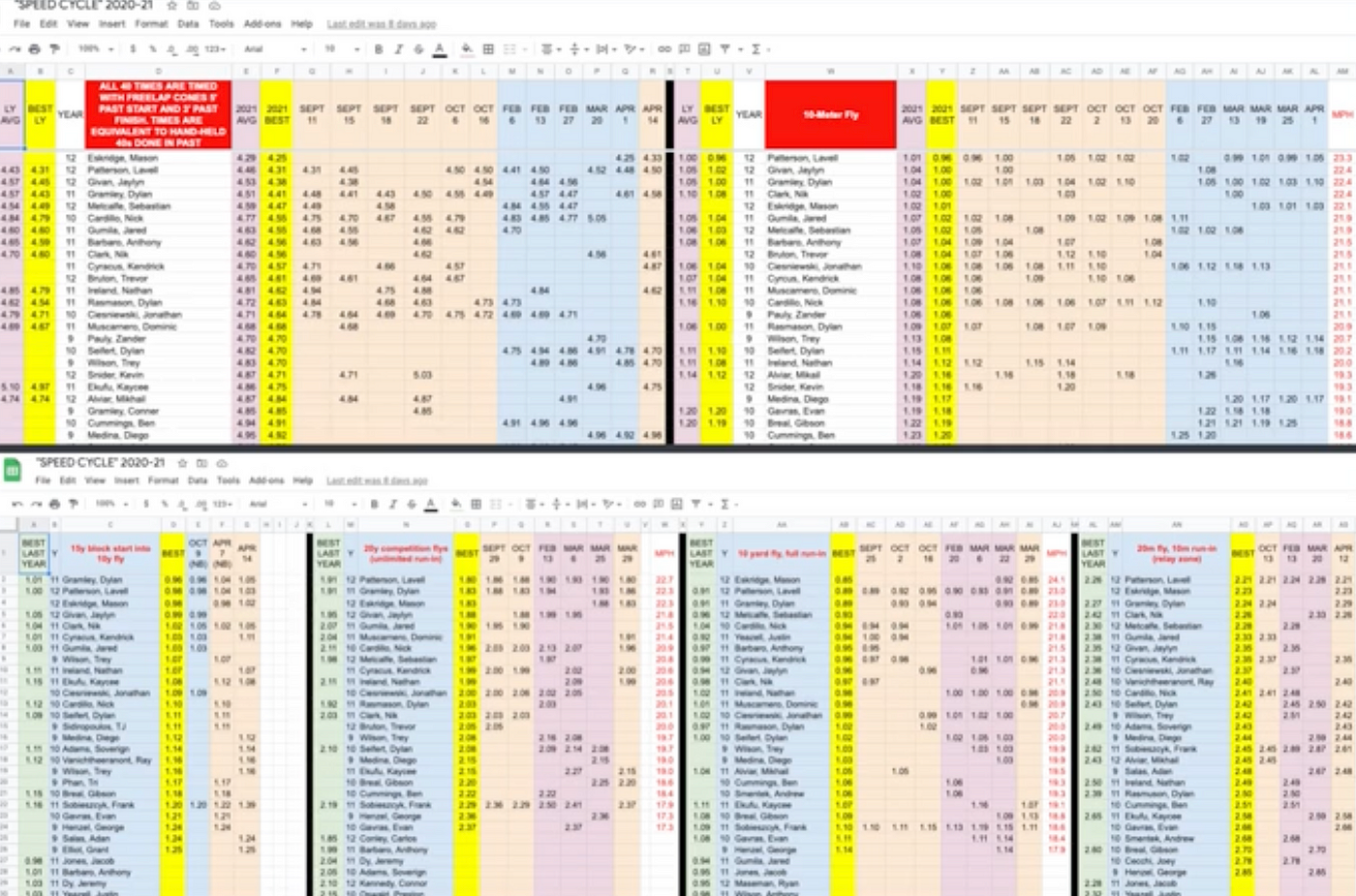
Keep a training journal or digital log to note your test results and daily practice details. This habit reveals patterns you might miss otherwise. Maybe your speed spikes after rest days or drops when you skip warm-ups—knowing this helps you optimize your routine.
Visual tools like graphs or charts can make progress more obvious. Seeing your times improve week by week keeps motivation high. What small change in your training has made the biggest difference so far?
Adjusting Training Plans
Use the data from your tests to tweak your training plan. If your speed plateaus, try switching up exercises or increasing intensity. Maybe focus more on reaction drills if your start is slow, or add endurance work if you tire quickly.
Be flexible and honest with yourself. Not every plan fits perfectly from the start. Regularly ask: Is this training pushing me forward or holding me back? Adjustments based on real progress make your path more efficient and rewarding.
Injury Prevention
Injury prevention is essential if you want to keep improving your speed training with Feed the Cats. Avoiding setbacks means you can train consistently and reach your goals faster. Paying attention to how your body responds before, during, and after workouts makes a huge difference.
Warm-up Routines
A proper warm-up prepares your muscles and joints for the intense work ahead. Start with 5 to 10 minutes of light jogging or cycling to raise your heart rate gradually. Add dynamic stretches like leg swings, high knees, and butt kicks to activate key muscles.
Don’t skip the warm-up even on busy days; it reduces muscle stiffness and lowers injury risk. Have you noticed how skipping warm-ups makes your first few sprints feel tougher or even painful?
Recovery Strategies
Recovery is where your body rebuilds and gets stronger. After speed training, use foam rolling to release tight muscles and improve blood flow. Incorporate gentle stretching and deep breathing to help your nervous system relax.
Hydrate well and get quality sleep—these are non-negotiable for injury prevention. Sometimes, less intense days or active recovery sessions can keep you moving without overloading your body. How often do you listen to your body’s signals to rest?
Common Injuries
Speed training can lead to specific injuries if you’re not careful. Hamstring strains, shin splints, and Achilles tendonitis are common complaints. These often arise from poor technique, sudden increases in training intensity, or insufficient recovery.
Tracking your pain and soreness carefully helps catch issues early. If you feel sharp pain or persistent discomfort, adjust your training and seek professional advice. Have you ever ignored mild pain only to face a longer break later?
Credit: medium.com
Mental Conditioning
Mental conditioning is a vital part of Feed the Cats Speed Training. It helps improve focus, stay motivated, and manage stress. Training your mind sharpens your reaction time and decision-making. This leads to better performance during practice and competition.
Focus Techniques
Clear focus improves speed and accuracy. Try these techniques:
- Break tasks into small parts to avoid feeling overwhelmed.
- Use deep breathing to calm your mind before training.
- Practice visualization by imagining success in your tasks.
- Limit distractions by finding a quiet place to train.
- Set short, clear goals to keep attention sharp.
Motivation Tips
Strong motivation keeps you going during tough moments. Use these tips:
- Remind yourself why you started training.
- Celebrate small wins to build confidence.
- Use positive self-talk to boost your mood.
- Find a training buddy to share progress and challenges.
- Visualize reaching your goals to stay inspired.
Stress Management
Stress can slow down your progress. Manage it by:
- Taking short breaks during intense training sessions.
- Practicing mindfulness or meditation daily.
- Getting enough sleep for better focus and recovery.
- Eating healthy foods to fuel your brain and body.
- Talking to someone you trust about your feelings.
Equipment And Environment
Choosing the right equipment and environment is key to effective Feed the Cats speed training. The right setup improves agility and safety. It also makes training more enjoyable and consistent. Focus on surfaces, gear, and space to create the best conditions.
Optimal Training Surfaces
Soft but firm surfaces support quick movements and reduce injury risk. Grass fields, rubber mats, or indoor turf work well. Avoid slippery or hard surfaces like wet concrete or smooth tiles. These can cause falls or strain. Change surfaces occasionally to build strength and adaptability.
Gear Recommendations
- Lightweight running shoes with good grip
- Comfortable, breathable clothing
- Protective knee and elbow pads for beginners
- Stopwatch or timer for tracking progress
- Cones or markers to set drills
Wear gear that fits well and does not restrict movement. Replace worn-out shoes to maintain support and traction.
Safe Training Spaces
Choose open areas free from obstacles and traffic. Avoid crowded places to prevent accidents. Ensure good lighting for clear visibility. Indoor gyms or quiet parks are ideal. Keep the space clean and dry to prevent slips. Always check the area before starting drills.

Credit: atletaexplosivo.com
Frequently Asked Questions
What Is Feed The Cats Speed Training?
Feed the Cats Speed Training is a technique to improve code execution speed. It focuses on efficient algorithms and clean code.
How Does Feed The Cats Improve Training Speed?
It uses targeted exercises and focused practice to enhance coding efficiency. This leads to faster problem-solving skills.
Can Beginners Use Feed The Cats Speed Training?
Yes, beginners can benefit by following simple, guided steps. It helps build foundational skills quickly and effectively.
What Tools Support Feed The Cats Speed Training?
Popular code editors and online coding platforms support this training. They provide instant feedback and practice opportunities.
Conclusion
Training cats to eat faster can save you time and stress. Consistent practice helps cats learn new habits quickly. Use small portions and reward good behavior to encourage speed. Patience is key; every cat learns at its own pace. Keep training sessions short and fun to maintain interest.
You can make mealtime easier for both you and your cat. Try these tips and watch your cat improve day by day. Simple steps lead to better feeding habits and happier pets.
