

Are you curious about which cat breeds tend to carry a little extra fluff? Whether you’re thinking about adding a new feline friend to your home or just love learning fun facts about cats, knowing which breeds are naturally bigger can surprise you.
These “fattest” cat breeds aren’t just about size—they often come with unique personalities and charm that make them unforgettable. Keep reading to discover if your favorite cat made the list and why their size might be part of what makes them so special.

Credit: www.aol.com
Top Chubby Cat Breeds
Some cat breeds naturally have a rounder, fuller body shape. These chubby cats often look cuddly and soft. Their plush fur and stocky build add to their charming appearance. Here are some of the top chubby cat breeds known for their lovable roundness.
British Shorthair
The British Shorthair is famous for its thick, dense coat. It has a wide chest and strong legs. This breed often appears quite round and solid. Their calm and easygoing nature makes them great pets.
Scottish Fold
Scottish Folds have unique folded ears and a round face. Their bodies are compact with a thick coat. These cats have a soft, plush look. They are friendly and enjoy being close to people.
Exotic Shorthair
Exotic Shorthairs have a short, dense coat with a round head. Their eyes are large and expressive. This breed has a stocky body with thick legs. They are playful but also love to relax.
Persian
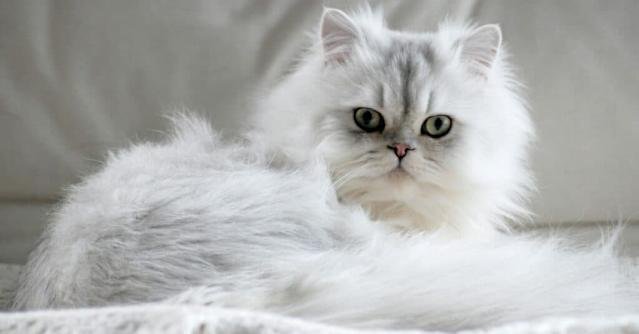
Persians are known for their long, fluffy fur and flat faces. Their bodies are solid and often appear quite plump. These cats move slowly and enjoy a calm environment. Their luxurious coat needs regular care.
Ragdoll
Ragdolls are large with a soft, silky coat. They have a muscular, heavy body and blue eyes. This breed is very gentle and loves to be held. Ragdolls often go limp when picked up, adding to their charm.
Traits Of Heavier Cats
Heavier cat breeds have unique traits that set them apart from their lighter counterparts. Understanding these traits helps you care for them better and appreciate their distinct charm. Let’s dive into what makes these cats heavier, from their body structure to their personality.
Body Structure
Heavier cats usually have a solid, muscular build. Their bones are thicker, and their bodies tend to be broader, giving them a sturdy appearance. This structure supports their weight and makes them look larger without being overweight.
Take the Maine Coon, for example. This breed has a long, rectangular body with strong legs and a wide chest. Their frame is naturally big, so their weight reflects their build rather than excess fat.
Common Weight Range
Most heavier cat breeds weigh between 12 to 20 pounds, but some can tip the scales even higher. For instance, male Maine Coons often weigh 15 to 18 pounds, while females are slightly lighter.
It’s important to compare your cat’s weight with their breed’s typical range. Are they within a healthy range, or is it time to adjust their diet and activity? Monitoring this helps prevent obesity and related health problems.
Temperament And Activity
Heavier cats often have calm and relaxed temperaments. They may not be as hyperactive as smaller breeds but still enjoy playful moments. Their lower activity levels can contribute to their heavier size.
Consider how your cat interacts daily. Do they prefer lounging over chasing toys? Encouraging regular play can keep their weight in check and boost their overall happiness.
Health Concerns For Overweight Cats
Overweight cats face serious health challenges that can affect their quality of life and lifespan. Recognizing these concerns helps you take steps to keep your feline friend healthy and active. Understanding the risks linked to excess weight can motivate you to act early and prevent complications.
Risks Of Obesity
Obesity puts extra strain on your cat’s heart and joints. This can lead to conditions like arthritis and heart disease, making simple movements painful and tiring. Overweight cats are also more prone to diabetes, which requires ongoing treatment and monitoring.
Have you noticed your cat struggling to jump or play? These could be signs of weight-related stress on their body. Addressing obesity early can avoid these painful conditions.
Preventing Weight-related Issues
Start by controlling your cat’s food portions and choosing a balanced diet designed for weight management. Regular play sessions not only burn calories but also keep your cat mentally sharp. Small changes like switching to interactive toys or puzzle feeders can make a big difference.
Think about your daily routine—how often do you engage your cat in active play? Increasing this can prevent weight gain before it becomes a problem.
Regular Vet Checkups
Your vet is your best ally in managing your cat’s weight. Regular checkups help catch health issues early and allow for tailored advice on diet and exercise. Blood tests and physical exams during these visits provide insight into your cat’s overall health and weight status.
Don’t wait for obvious signs of obesity—schedule consistent appointments to monitor your cat’s progress. This proactive approach can save your cat discomfort and costly treatments down the line.

Credit: www.aol.com
Feeding Tips For Chubby Cats
Feeding chubby cats needs care and attention. Overfeeding can cause health issues. Proper feeding helps maintain a healthy weight and energy level. Use smart feeding habits to keep your cat happy and fit.
Balanced Diet Choices
Choose foods with the right nutrients. Protein is important for muscle health. Avoid foods high in fats and sugars. Wet food can help control calorie intake. Fresh water should always be available. Variety keeps cats interested in their meals.
Portion Control
Measure food portions carefully. Follow the feeding guide on the package. Divide daily food into smaller meals. Avoid free-feeding to prevent overeating. Use a kitchen scale for accuracy. Monitor your cat’s weight regularly for adjustments.
Recommended Treats
Choose low-calorie treats for rewards. Offer small portions to avoid extra calories. Use healthy snacks like small pieces of cooked chicken. Limit treats to no more than 10% of daily calories. Avoid giving human food that may harm cats.
Encouraging Activity In Heavy Cats
Helping your heavy cat stay active is key to improving their health and happiness. Overweight cats often face challenges moving around, but gentle encouragement can make a big difference. You don’t need to push them too hard; small, fun activities can spark their interest and get them moving.
Interactive Toys
Interactive toys grab your cat’s attention and invite them to play. Wand toys with feathers or strings mimic prey and encourage your cat to chase and pounce. Laser pointers can get your cat running short distances, but be sure to end sessions with a tangible toy to catch, so they feel rewarded.
Consider puzzle feeders that require your cat to work for their food. This not only stimulates their mind but also adds gentle physical activity. Have you noticed how your cat’s eyes light up when they figure out a puzzle? That excitement can lead to more frequent play.
Playtime Ideas
Short, frequent play sessions work better than long, exhausting ones. Try setting aside 5 to 10 minutes a few times a day to engage your cat. Use different toys to keep things interesting—balls, crinkly tunnels, or even homemade toys like rolled-up paper.
Try playing near windows where your cat can watch birds or squirrels between bursts of activity. This mix of observation and movement can motivate even the laziest cats. Have you ever seen your cat suddenly sprint after a bird outside? That natural instinct can be a powerful tool to encourage activity.
Safe Exercise Routines
Exercise routines for heavy cats should be gentle and tailored to their ability. Start with slow walks around your home using a harness if your cat tolerates it. Gradually increase the duration as your cat builds strength and confidence.
Use ramps or low steps to encourage climbing without strain. Avoid forcing your cat into activities that cause stress or discomfort. How often do you check your cat’s comfort level during play? Paying close attention to their signals helps prevent injury and keeps exercise enjoyable.

Credit: www.aol.com
Frequently Asked Questions
What Are The Fattest Cat Breeds To Consider?
The fattest cat breeds include British Shorthair, Maine Coon, and Ragdoll. These cats naturally carry more weight due to their larger bone structure and muscle mass.
Why Do Some Cat Breeds Tend To Be Overweight?
Certain breeds have slower metabolisms and lower activity levels. Genetics and diet also play a major role in weight gain among these cats.
How Can I Manage My Fat Cat’s Weight?
Feed portion-controlled meals, provide regular exercise, and avoid high-calorie treats. Regular vet checkups help monitor and maintain a healthy weight.
Are Fattest Cat Breeds Prone To Health Issues?
Yes, overweight cats risk diabetes, arthritis, and heart problems. Proper care and weight management reduce these health risks significantly.
Conclusion
Fat cat breeds can be charming and full of personality. They often need special care to stay healthy. Feeding them the right food helps avoid weight problems. Regular play keeps these cats active and happy. Each breed has unique traits that make them special.
Knowing their needs helps you give the best care. Loving a fat cat means understanding their body and habits. Choose a breed that fits your lifestyle and home. Enjoy the company of these cuddly, bigger felines every day.
