

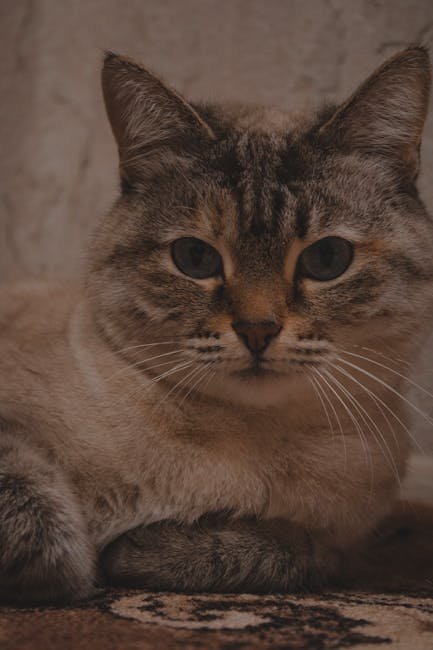
Are you ready to welcome a special friend into your home? A fat cat for adoption might be just what you need.
These chubby, charming cats are full of personality and love, waiting for someone like you to give them a second chance. Imagine the joy of watching a big, fluffy cat curl up beside you, purring softly after a long day.
If you’re curious about how adopting a fat cat can brighten your life and want to know where to find one, keep reading. This guide will help you discover the heartwarming world of fat cats looking for their forever homes.
Why Choose A Fat Cat
Choosing to adopt a fat cat can bring unique joy and rewards to your home. These cats often have stories that reflect resilience and the chance for a fresh start. If you’ve been wondering whether a chubby cat is the right fit for you, consider what makes them special beyond their size.
Benefits Of Adopting A Chubby Cat
Fat cats often have calm and gentle energy that can create a soothing presence in your home. Their laid-back nature means they usually enjoy cuddling and relaxing beside you, making them perfect companions for quiet evenings.
Many overweight cats are overlooked in shelters, so adopting one means you’re giving a deserving animal a second chance. You’ll also find they tend to be less demanding, which can be great if you have a busy lifestyle.
Personality Traits Of Overweight Cats
Overweight cats often display affectionate and easygoing personalities. They tend to be patient, making them good with children and other pets. You might find that your fat cat loves to lounge but still enjoys bursts of playful activity.
Because they are used to slower movement, these cats often show a sweet and trusting demeanor. Have you noticed how some cats follow you around quietly? Fat cats often have this gentle loyalty that many pet owners cherish.
Common Misconceptions
Many people assume fat cats are lazy or unhealthy, but this isn’t always true. Some overweight cats may need special diets or vet care, but many live happy, healthy lives with proper attention.
Another myth is that fat cats are less active or less intelligent. In reality, they can be just as playful and smart as any other cat. Don’t let size fool you—fat cats often have big hearts and sharp minds.
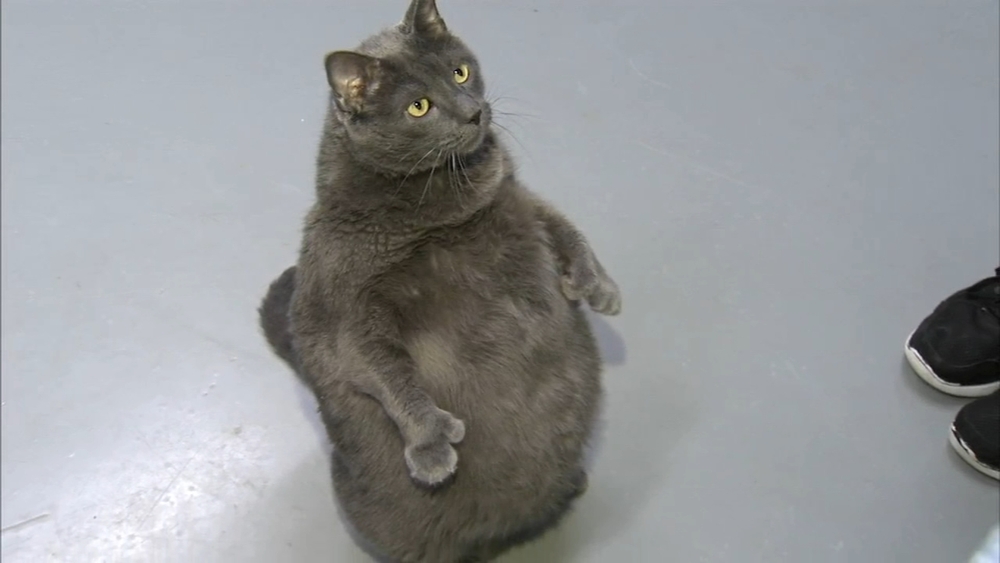
Credit: abc7chicago.com
Where To Find Fat Cats For Adoption
Finding a fat cat for adoption is easier than you might think. These lovable, chubby felines often wait patiently in various places, hoping for a new home. Knowing where to look helps you connect with the perfect furry friend faster.
Animal Shelters And Rescue Centers
Animal shelters are great places to find fat cats looking for a second chance. Many shelters have cats of all sizes and personalities, including those adorably plump ones. Visiting your local shelter gives you the chance to meet cats in person and see their unique charm up close.
Rescue centers often specialize in cats that need special care or extra love, like overweight cats who might have been overlooked. Staff can provide valuable insights about the cat’s personality and health, helping you find a match that fits your lifestyle.
Online Adoption Platforms
If you prefer browsing from home, online adoption websites are a convenient option. Platforms like Petfinder, Adopt-a-Pet, and Rescue Me allow you to filter your search specifically for chubby or overweight cats. You can view photos, read descriptions, and even submit adoption applications online.
One unexpected benefit is discovering cats from far beyond your local area. Some cats might be a short drive away, while others may require a bit of travel—are you ready to meet your new fat feline friend?
Local Pet Adoption Events
Adoption events bring together many animals in one place, often hosted by shelters or pet stores. These events give you the chance to interact with several fat cats and chat with volunteers about each cat’s personality. You might spot a shy but sweet cat or a playful one who’s ready to pounce on your heart.
Attending these events also lets you connect with other pet lovers and gain advice on caring for overweight cats. Have you checked if any upcoming adoption fairs are happening near you?
Preparing For Your Chubby Cat
Adopting a chubby cat brings joy and responsibility. Preparing your home creates a safe, happy place for your new friend. Fat cats need special care to stay healthy and active. Planning ahead makes the transition smooth and stress-free.
Home Setup Tips
Clear clutter to give your cat space to move freely. Choose quiet areas for feeding and resting. Use non-slip mats to prevent accidents. Keep cords and small objects out of reach. Create paths for easy access to favorite spots.
Essential Supplies
- Wide, shallow food and water bowls for comfort
- Sturdy scratching posts to protect furniture
- Soft beds that support extra weight
- Interactive toys to encourage gentle exercise
- Litter boxes with low sides for easy entry
Creating A Comfortable Space
Choose cozy corners away from noise and drafts. Provide soft blankets or cushions to rest on. Keep the area tidy and calm to reduce stress. Add a window perch for natural light and views. Rotate toys regularly to keep your cat interested.
Health Considerations
When adopting a fat cat, understanding the health considerations is crucial for giving your new friend a happy and long life. Overweight cats face unique challenges that require special attention. Knowing what health issues to watch for, how to manage their diet, and ways to encourage movement can make all the difference.
Common Health Issues In Overweight Cats
Excess weight puts extra strain on a cat’s joints, often leading to arthritis and reduced mobility. Fat cats are also more prone to diabetes, which can be serious if left untreated. Additionally, heart disease and respiratory problems are more common in overweight felines.
Have you noticed your cat struggling to jump or play? That could be a sign of joint pain or discomfort caused by extra pounds. Early detection of these issues helps you work with a vet to create a better care plan.
Diet And Nutrition Guidance
Feeding a fat cat requires a careful balance between reducing calories and keeping them satisfied. Choose high-protein, low-carb cat foods to support muscle maintenance and weight loss. Avoid free-feeding; instead, offer measured portions twice a day.
Try mixing wet food with dry kibble to increase moisture intake and make meals more enjoyable. You can also use puzzle feeders to slow down eating and add a bit of mental stimulation. Have you ever thought about how feeding time can be a chance for bonding?
Exercise Ideas For Fat Cats
Getting a fat cat moving doesn’t mean long runs or intense play sessions. Start with gentle activities like rolling a ball or dangling a feather wand to grab their attention. Short, frequent playtimes can gradually improve their stamina and mood.
- Use laser pointers for quick bursts of chasing.
- Set up climbing shelves or cat trees to encourage jumping.
- Introduce interactive toys that react to your cat’s movements.
What small change can you make today to get your cat more active? Sometimes the simplest toys spark the biggest interest.
Building A Bond With Your Fat Cat
Building a strong bond with your fat cat takes patience and understanding. These cats often have unique personalities and needs that can deepen your connection when you pay attention to them. By learning how to communicate and engage with your cat, you create a relationship full of trust and affection.
Training And Socialization
Training a fat cat might seem challenging, but it’s very rewarding. Use gentle commands and plenty of treats to encourage good behavior. Simple activities like teaching your cat to come when called or sit can boost their confidence and your bond.
Socialization is equally important. Spend quiet time near your cat without forcing interaction. Let them approach you on their own terms to build trust gradually.
Playtime Activities
Playtime is essential for fat cats to stay active and healthy. Choose toys that encourage movement but don’t stress their joints, such as feather wands or slow-moving laser pointers. Short, frequent play sessions work better than long ones.
Notice what types of play your cat enjoys most. Some prefer chasing toys, while others like puzzle feeders that challenge their mind. Mixing these activities keeps your cat interested and strengthens your bond.
Handling Special Needs
Fat cats may have specific health needs like joint pain or diabetes. Be patient and adapt your care to fit these conditions. For example, use soft bedding and gentle petting if they have arthritis.
Regular vet visits are crucial, but so is watching your cat’s behavior at home. If your cat seems uncomfortable or stressed, try adjusting their environment or routine. You know your cat best—listen to what they’re telling you through their actions.

Credit: globalnews.ca
Success Stories From Adopters
Adopting a fat cat often leads to inspiring stories of change and happiness. Many adopters share how their cats improved in health and joy. These success stories show the positive impact of love and care. Below are some real-life experiences and advice from those who adopted overweight cats.
Transformations And Weight Loss
Many fat cats lose weight after adoption. A steady diet and regular play help them become healthier. One adopter shared that their cat dropped 10 pounds in six months. Another saw their cat become more active and playful. These transformations improve the cat’s quality of life and happiness.
Heartwarming Adoption Experiences
Adopters often tell touching stories about their new pets. Some cats were shy at first but grew confident over time. Others quickly bonded with their humans and showed affection. Many adopters feel joy watching their fat cats thrive. These stories remind us how love changes lives.
Tips From Fellow Owners
- Feed measured portions to control calorie intake.
- Use interactive toys to encourage exercise.
- Be patient; weight loss takes time and care.
- Visit the vet regularly for health check-ups.
- Create a calm environment to reduce stress.
These tips come from people who understand the challenges and rewards. They help new adopters give the best care to their fat cats.
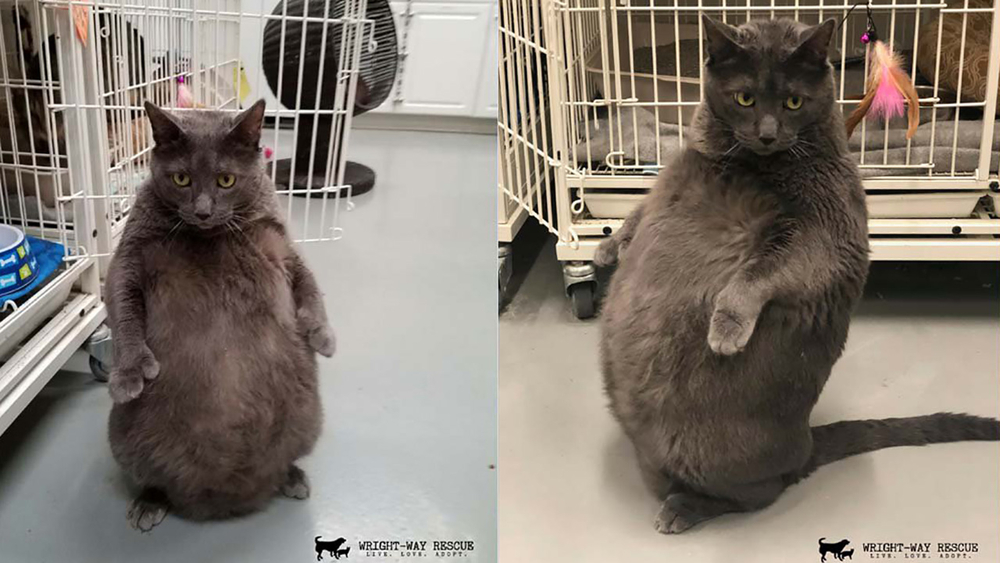
Credit: abc7ny.com
Frequently Asked Questions
What Makes Fat Cats Ideal For Adoption?
Fat cats often have calm, loving personalities. They enjoy lounging and gentle play, making them great companions. Their laid-back nature suits various home environments, including families and singles. Adopting a fat cat helps save a pet needing a caring home.
How To Care For A Fat Cat Properly?
Provide a balanced diet to maintain healthy weight. Encourage gentle exercise through toys and playtime. Regular vet check-ups monitor health and prevent obesity-related issues. Ensure fresh water and comfortable resting spots for your fat cat’s well-being.
Are Fat Cats Prone To Health Problems?
Yes, fat cats are more vulnerable to diabetes, arthritis, and heart disease. Maintaining a healthy weight reduces these risks. Regular vet visits and a controlled diet help manage their health effectively and prolong their life.
Can Fat Cats Adapt To Active Households?
Absolutely, fat cats can adapt with gradual introductions. They may prefer less intense play but enjoy companionship. Patience and understanding help them adjust to children or other pets in busy homes.
Conclusion
Adopting a fat cat brings joy and companionship. These furry friends offer love and comfort. They can brighten your home with their playful nature. Fat cats need a caring environment and a bit of exercise. You’ll find their purrs and cuddles truly rewarding.
Adoption saves lives and creates strong bonds. Consider giving a fat cat a forever home. It’s a choice that benefits both you and the cat. Plus, you’ll gain a loyal companion. Make your home complete with a lovable, chubby friend.
Enjoy the happiness a fat cat brings every day.
