

Are you curious about which cat breeds are known for their extra fluffy charm? If you’re a cat lover, you might find yourself enchanted by those plump, adorable felines that seem to have just a little more to love.
Fat cat breeds are not just about size; they bring a unique personality and warmth to any home. Whether you’re considering adopting one or just want to learn more, this article will guide you through the world of the most popular fat cat breeds.
Discover what makes them so special and why they might just be the perfect fit for your family. Ready to dive into the world of these lovable giants? Keep reading to uncover everything you need to know!

Credit: www.aol.com
Why Some Cats Get Chubby
Have you ever wondered why some cats seem to carry a little extra fluff? It’s not just about overfeeding or laziness. Several factors, including genetics, lifestyle, and health, play a role in why some cats get chubby. Understanding these reasons can help you care better for your feline friend and keep them healthy.
Genetics And Breed Traits
Some cat breeds naturally tend to be bigger or stockier. For example, the British Shorthair and Maine Coon are known for their broad, muscular bodies. Their genes give them a tendency to gain weight more easily compared to leaner breeds like the Siamese.
Have you noticed how your cat’s parents looked? Their body type often influences your cat’s size and shape. This means that a chubby cat might just be following its genetic blueprint rather than overeating.
Diet And Lifestyle Factors
Your cat’s eating habits and activity levels make a huge difference. Cats that eat high-calorie food or get lots of treats without enough exercise can quickly gain weight. Indoor cats, especially, often don’t get the same chance to burn calories as outdoor cats.
Think about your cat’s daily routine. Are they playing enough? Do they have toys or climbing spaces? Small changes like adding playtime or switching to a balanced diet can prevent unwanted weight gain.
Health Implications Of Extra Weight
Carrying extra weight isn’t just about appearance—it can seriously affect your cat’s health. Overweight cats face risks like diabetes, arthritis, and heart problems. These conditions can reduce their quality of life and shorten their lifespan.
If your cat is chubby, consider a vet checkup to rule out underlying health issues. Managing their weight isn’t just about looks—it’s about giving your cat the best chance to live a long, happy life.

Credit: thelittlecarnivore.com
Maine Coon: The Gentle Giant
The Maine Coon is known as the gentle giant of the cat world. This breed is one of the largest domestic cats. Its impressive size and friendly nature make it a favorite among cat lovers.
Maine Coons have a unique look and a calm personality. They adapt well to families and other pets. Their thick fur and big paws hint at their rugged origins.
Physical Characteristics
- Large, muscular body with a broad chest
- Long, bushy tail that resembles a raccoon’s tail
- Thick, water-resistant fur with a silky texture
- Wide, expressive eyes in green, gold, or copper
- Tufted ears and large paws with fur between toes
- Weight ranges from 10 to 25 pounds
Personality And Temperament
- Gentle and friendly with a calm demeanor
- Very social and enjoys human company
- Playful but not overly demanding
- Intelligent and quick to learn new tricks
- Loves to communicate with soft chirps and trills
- Great with children and other pets
Care Tips For Maine Coons
- Brush their thick fur 2-3 times weekly to prevent mats
- Regular nail trimming to avoid overgrowth
- Provide a balanced diet to support their large size
- Check ears and teeth regularly for signs of infection
- Give plenty of playtime to keep them active
- Schedule annual vet visits for health check-ups
British Shorthair: Round And Plush
The British Shorthair is a breed that immediately catches your eye with its round face and plush, dense coat. Its solid, chunky body gives it a charmingly cuddly appearance, making it one of the most beloved fat cat breeds. If you want a pet that combines a calm demeanor with a regal look, the British Shorthair might be the perfect fit for your home.
Distinctive Features
This breed stands out because of its broad, round head and large, expressive eyes that seem to glow with curiosity. The coat is thick and plush, feeling almost like velvet when you stroke it. British Shorthairs have a sturdy, muscular build, often described as “cobby,” which contributes to their robust appearance.
Their most iconic color is the “British Blue,” a solid blue-gray shade, but they come in many other colors and patterns. Their short, dense fur requires minimal grooming, which makes caring for them easier than you might expect.
Behavioral Traits
British Shorthairs are known for their calm and easygoing nature. They are affectionate but not overly demanding of attention, which suits owners who appreciate a pet with a balanced personality. These cats enjoy quiet companionship rather than constant play, often following you around without being a nuisance.
Despite their plush looks, they are surprisingly agile and enjoy short bursts of play. Have you noticed how some cats prefer lounging, while others actively seek interaction? British Shorthairs tend to lean towards the relaxed side but still appreciate mental stimulation through puzzle toys or gentle play.
Feeding And Exercise Guidelines
Due to their stocky build, British Shorthairs can gain weight easily if their diet isn’t monitored carefully. You should provide measured portions of high-quality cat food that supports healthy muscle maintenance without excess calories. Avoid free-feeding to prevent overeating.
Regular play sessions are important to keep your British Shorthair fit. Short, engaging activities like feather wands or laser pointers work well. Can you commit to a few minutes of active play daily? It will help your cat stay healthy and happy without compromising their laid-back nature.
Scottish Fold: The Folded-ear Charmer
The Scottish Fold captivates cat lovers with its charming folded ears and soft, round face. This breed stands out with a look that is truly unique. Scottish Folds have a calm nature that makes them great companions. Their gentle personality and striking appearance draw attention in any room.
Unique Appearance
Scottish Folds are known for their ears that fold forward and down. This creates a smooth, rounded head shape. Their large, round eyes give them an expressive, almost owl-like look. The coat can be short or long, with many colors and patterns available. Their body is medium-sized and sturdy, often looking plush and soft.
Temperament Highlights
Scottish Folds are sweet and affectionate. They enjoy being near their humans but are not overly demanding. This breed is usually quiet and laid-back. They get along well with children and other pets. Playful but gentle, they love interactive toys and soft cuddles. Their calm nature makes them great for families and singles alike.
Health Considerations
Scottish Folds can have joint issues due to their unique ear cartilage. Regular vet check-ups are important to catch problems early. Watch for signs of pain or stiffness in movement. Some may have heart conditions, so heart health screening helps. Proper diet and exercise keep them fit and happy. Careful breeding reduces health risks in kittens.
Ragdoll: The Laid-back Lover
The Ragdoll cat stands out as a true symbol of calm and comfort among fat cat breeds. Known for their gentle nature and relaxed attitude, these cats often melt into your arms, living up to their name. If you want a laid-back companion that’s as easygoing as they are fluffy, the Ragdoll might be your perfect match.
Coat And Build
The Ragdoll boasts a semi-long, silky coat that feels soft to the touch and requires regular grooming to keep it looking its best. Their large, muscular build supports their slow, deliberate movements, which can sometimes make them appear even more relaxed. Unlike other cats, Ragdolls don’t have a thick undercoat, which means their fur is less prone to matting but still needs care.
Personality Insights
Ragdolls are famously affectionate, often following you from room to room, eager to be near. They aren’t demanding but show love through quiet companionship and gentle purring. Have you noticed how some cats prefer to hide when visitors arrive? Ragdolls usually stay calm and welcoming, making them great for families or anyone craving a low-stress pet.
Maintaining A Healthy Weight
Because of their laid-back nature, Ragdolls can easily gain extra pounds if their diet isn’t monitored. To keep your cat fit, focus on controlled feeding times rather than free-feeding. Adding interactive toys or gentle play sessions can help your Ragdoll burn calories without stressing them out.
- Choose high-quality, portioned cat food.
- Limit treats and avoid table scraps.
- Encourage short bursts of play daily.
Have you tried using puzzle feeders? They make mealtime more engaging and slow down eating, which benefits weight management. Watching your Ragdoll stay healthy and active is rewarding—and it ensures they’ll be your laid-back buddy for years to come.
Exotic Shorthair: The Plush Persian Cousin
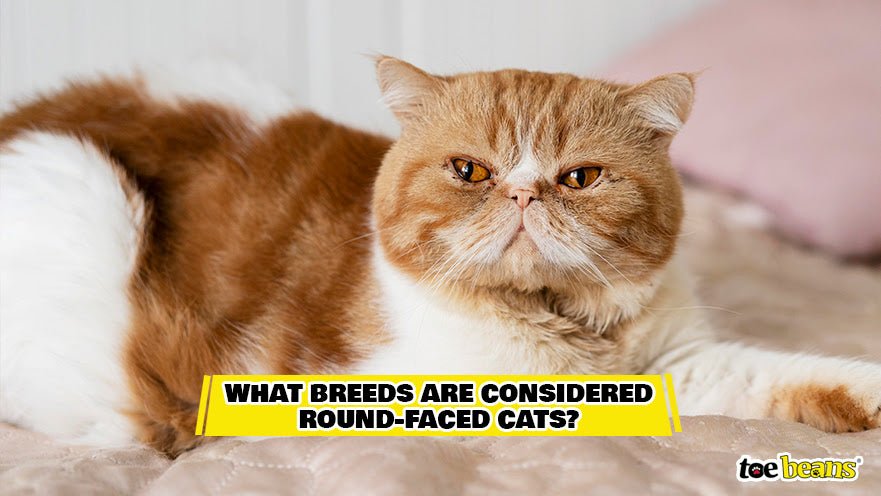
The Exotic Shorthair cat is often called the plush cousin of the Persian. It shares many traits with Persians but has a short, dense coat. This breed combines a cuddly appearance with an easygoing nature. Exotic Shorthairs are perfect for those who want a Persian look without the heavy grooming. Their soft, round faces and big eyes melt hearts instantly.
Looks And Features
- Round face with a flat nose and large eyes
- Short, thick, plush coat that feels soft to touch
- Sturdy, medium-sized body with strong legs
- Wide-set ears with rounded tips
- Colors range from solid to tabby, calico, and more
Temperament Overview
Exotic Shorthairs are calm and affectionate cats. They enjoy quiet play and lots of cuddles. These cats adapt well to indoor life and are good with children. They stay friendly with other pets in the home. Their gentle nature makes them great companions for families and singles alike.
Care And Diet Recommendations
- Brush their coat twice a week to prevent mats
- Feed high-quality cat food rich in protein
- Provide fresh water daily to keep them hydrated
- Regular vet visits to monitor weight and health
- Keep litter box clean to encourage good habits
Persian Cats: The Classic Fluffball
Persian cats have earned their reputation as the classic fluffball in the feline world. Their luxurious coats and calm demeanor make them stand out in any room. If you’re considering a Persian for your home, understanding their unique traits is key to keeping your fluffy friend happy and healthy.
Appearance And Size
Persians boast a thick, long coat that feels like a soft cloud under your fingers. Their round faces and large, expressive eyes add to their signature look. Typically, adult Persians weigh between 7 to 12 pounds, which places them on the heavier side compared to many other breeds.
Their compact, sturdy bodies can sometimes hide their actual size, making them seem smaller than they are. You might be surprised how their thick fur adds extra volume, giving them that unmistakable “fluffball” appearance.
Behavioral Aspects
Persians are known for their calm and gentle nature. They prefer quiet environments and enjoy lounging in cozy spots rather than chasing after toys constantly.
If you want a cat that’s affectionate but not overly demanding, a Persian could be your perfect companion. They often form strong bonds with their owners and appreciate gentle petting and quiet company.
Grooming And Weight Management
Their beautiful coat requires daily grooming to prevent mats and tangles. Skipping brushing sessions can lead to discomfort and skin problems for your cat.
Weight management is just as important as grooming. Because Persians tend to be less active, they can easily gain weight. Feeding measured portions and encouraging light play can keep them fit and agile.
Have you noticed how a little daily brushing not only keeps the coat shiny but also strengthens your bond with your cat? Try making grooming a special, calming time for both of you.
Siberian Cat: The Robust Beauty
The Siberian cat stands out as a robust beauty among fat cat breeds. This breed combines strength and grace, making it a favorite for many cat lovers. Its thick coat and muscular build help it thrive in colder climates. The Siberian cat’s charm lies not only in its looks but also in its lively and loving nature.
Physical Traits
- Strong, muscular body with a broad chest
- Thick, triple-layered fur that repels water and cold
- Large, round eyes that shine with curiosity
- Medium to large size, often weighing between 10-17 pounds
- Plush tail, bushy and long, adding to its majestic look
- Wide variety of coat colors and patterns
Personality Traits
- Friendly and social, enjoys human company
- Playful but calm, perfect for families
- Intelligent and curious, loves exploring
- Adaptable to different living environments
- Gentle with children and other pets
- Strong bond with owners, often follows them around
Health And Diet Tips
- Maintain a balanced diet rich in protein
- Control portions to avoid obesity
- Regular vet check-ups for heart and joint health
- Encourage daily play to keep active
- Provide fresh water and monitor hydration
- Use supplements only under vet guidance
Tips For Keeping Chubby Cats Healthy
Keeping a chubby cat healthy requires attention and care tailored to their unique needs. Overweight cats can face health risks, but with the right approach, you can help your feline friend stay fit and happy. Let’s look at some practical tips that make a real difference.
Balanced Diet Plans
Your cat’s diet plays a huge role in managing their weight. Focus on high-quality, protein-rich foods that keep them full longer without extra calories.
Measure portions carefully instead of free-feeding. This helps prevent overeating and controls calorie intake.
Consider wet food options; they usually have fewer calories and higher moisture, supporting weight loss and hydration simultaneously.
Encouraging Play And Exercise
Active cats burn more calories, so creating a fun environment is key. Use toys like feather wands or laser pointers to spark their interest and get them moving.
Try short, frequent play sessions throughout the day. Cats often respond better to bursts of activity rather than long exercise periods.
Have you noticed your cat’s favorite games or toys? Use that to your advantage and keep switching things up to prevent boredom.
Regular Vet Checkups
Regular visits to the vet ensure your cat’s weight stays on track and any health issues are caught early. Your vet can recommend diet adjustments or medical tests if needed.
Discuss your cat’s progress and ask for advice tailored to their breed and lifestyle. Some fat cat breeds may have specific health concerns.
Don’t wait for problems to show—routine checkups can prevent serious complications and keep your cat feeling great.

Credit: www.aol.com
Frequently Asked Questions
What Are The Most Common Fat Cat Breeds?
Common fat cat breeds include British Shorthair, Persian, and Maine Coon. These cats naturally have larger, stockier builds. Their genetics and body structure contribute to their robust appearance, making them appear “fat” but healthy.
Why Do Some Cat Breeds Tend To Gain Weight Easily?
Certain breeds have slower metabolisms and lower activity levels. This causes them to gain weight faster. Genetics and diet also play key roles in their weight management.
How Can I Keep My Fat Cat Breed Healthy?
Feed a balanced diet with proper portion control. Encourage regular exercise through play and activities. Regular vet check-ups help monitor weight and overall health effectively.
Are Fat Cats Prone To Specific Health Issues?
Yes, overweight cats risk diabetes, arthritis, and heart disease. Maintaining a healthy weight reduces these risks. Regular vet visits can catch problems early for better treatment.
Conclusion
Fat cat breeds have a special charm and personality. They often grow big, but stay gentle and loving. Knowing their needs helps them live happy, healthy lives. These cats make great pets for many families. Choosing the right breed means enjoying their unique traits every day.
Fat cats bring joy and comfort to any home. Remember to care for their health with good food and exercise. A happy fat cat means a happy owner too.
