

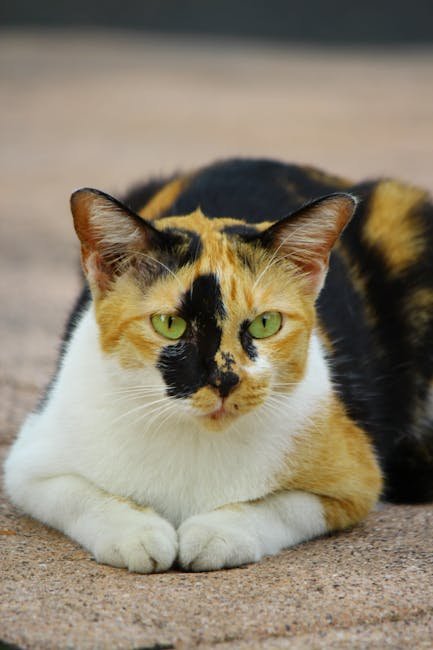
Have you noticed your cat spending too much time licking or biting its fur? Excessive grooming in cats might seem harmless at first, but it can signal deeper problems that affect your pet’s health and happiness.
If you’ve been wondering why your furry friend won’t stop grooming, this article will help you understand the causes, signs, and solutions. By the end, you’ll know exactly what to look for and how to help your cat feel comfortable again.
Keep reading to protect your cat from discomfort and keep their coat healthy.
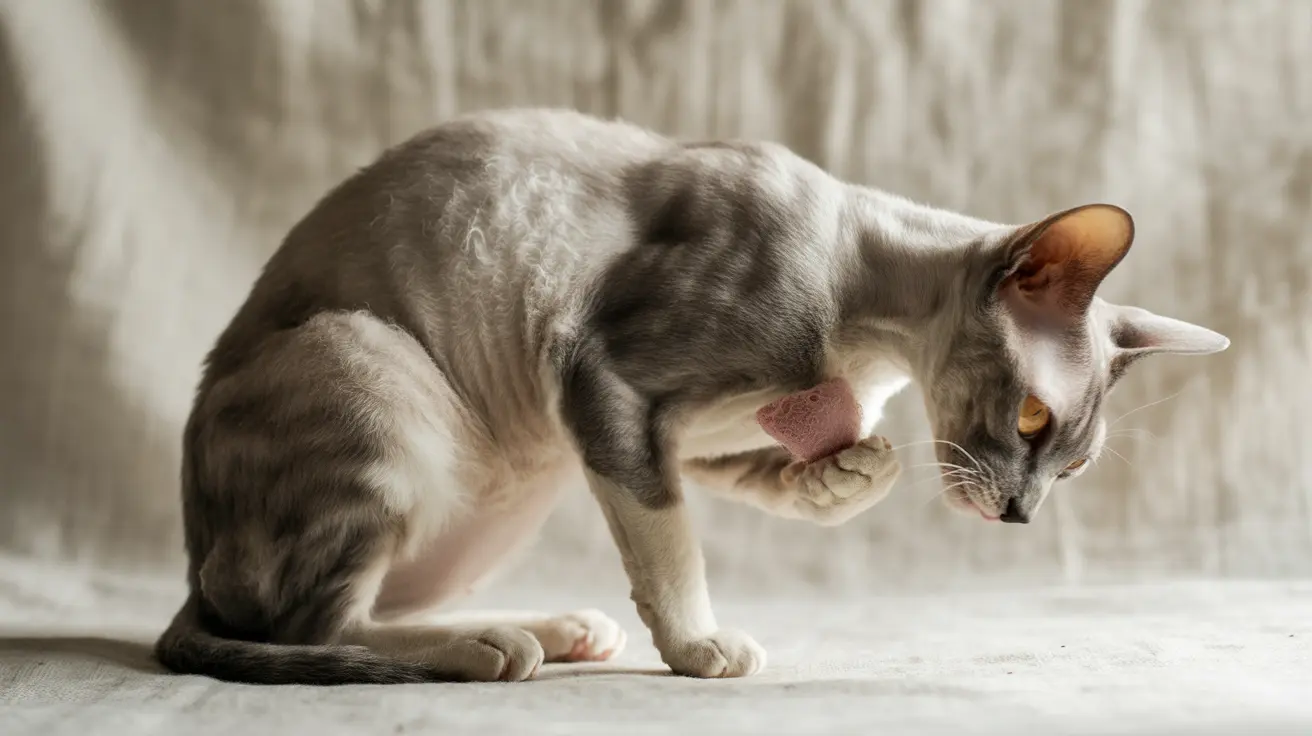
Credit: www.petscare.com
Reasons For Excessive Grooming
Excessive grooming in cats can be puzzling and concerning. Understanding why your cat licks or bites itself more than usual helps you take the right steps. The reasons often fall into three main categories: medical, psychological, and environmental.
Medical Causes
Health problems often trigger excessive grooming. Skin allergies, parasites like fleas, or infections can make your cat feel itchy or uncomfortable. If you notice bald spots or sores, it’s a strong sign that medical issues might be behind the behavior.
Sometimes pain from arthritis or injuries leads cats to lick certain areas repeatedly. Even internal problems, like urinary tract infections, can cause grooming changes. Have you checked with your vet to rule out these possibilities?
Psychological Triggers
Your cat’s mind can play a big role in grooming habits. Stress and anxiety are common psychological triggers. Changes in routine, new pets, or loud noises might push your cat into over-grooming as a way to self-soothe.
Obsessive-compulsive behaviors can also develop, causing your cat to groom excessively without a physical cause. Think about your cat’s daily environment—are there any recent disruptions that could be affecting their mental state?
Environmental Factors
Sometimes the surroundings influence your cat’s grooming. Dry air or harsh cleaning chemicals on their bedding can irritate the skin. Even the type of litter or food can lead to allergies that cause itching.
Other environmental stresses include lack of stimulation or boredom. Cats need mental and physical activity; without it, they might groom themselves out of frustration. Could adding new toys or playtime reduce your cat’s grooming habit?

Credit: www.reddit.com
Signs To Watch For
Excessive grooming in cats can be tricky to spot at first. You might think your cat is just being neat, but certain signs reveal when grooming crosses into a problem. Watching closely for physical symptoms and behavioral changes helps you catch issues early before they worsen.
Physical Symptoms
Look for bald patches or thinning fur, especially around the belly, legs, or tail. These areas often show wear first because your cat licks there most.
Redness, sores, or scabs can also appear where the skin is irritated. These signs mean your cat’s grooming has become harmful rather than helpful.
Sometimes you’ll notice your cat’s fur looks greasy or matted. This can happen if grooming is too frequent but not thorough, which might surprise you.
Behavioral Changes
Is your cat spending much more time licking or biting itself than usual? That’s a key warning sign. You might catch your cat scratching or rubbing against furniture to relieve discomfort.
Notice if your cat seems anxious or restless. Excessive grooming often links to stress, so changes in mood or energy levels could point to trouble.
Does your cat avoid social interaction or hide more often? These behaviors might indicate discomfort or pain caused by over-grooming.
Have you observed any of these signs in your cat? Paying attention helps you decide when it’s time to consult your vet and protect your furry friend’s health.
Diagnosing The Problem
Excessive grooming in cats can signal underlying issues that aren’t always easy to spot. Diagnosing the problem requires a careful look at both physical and behavioral factors. Understanding the root cause helps you provide the best care and relief for your feline friend.
Veterinary Examination
A thorough veterinary exam is the first step to uncover any medical reasons behind your cat’s overgrooming. Your vet will check for skin infections, parasites, or injuries that might cause discomfort. Sometimes, even subtle signs like hair thinning or redness reveal bigger health problems.
Have you noticed your cat licking one spot more than others? Sharing these details with your vet can make a big difference. Early detection often leads to faster treatment and less stress for your cat.
Allergy Testing
Allergies are a common cause of excessive grooming in cats. Your vet might suggest allergy testing to find out if your cat is reacting to food, pollen, or household chemicals. Pinpointing allergens lets you adjust your cat’s environment or diet to reduce irritation.
Testing can include skin tests or blood work, depending on your cat’s symptoms. Don’t hesitate to ask your vet about the pros and cons of each option. Knowing what triggers your cat’s discomfort is key to stopping the cycle of overgrooming.
Behavioral Assessment
Sometimes, grooming becomes a coping mechanism for stress or boredom. A behavioral assessment helps identify if anxiety or environmental changes are behind the excessive licking. Your vet or a pet behaviorist may observe your cat’s habits and surroundings.
Consider factors like new pets, changes in routine, or lack of stimulation. Could your cat be seeking attention or relief from anxiety? Addressing emotional needs often improves both behavior and overall well-being.
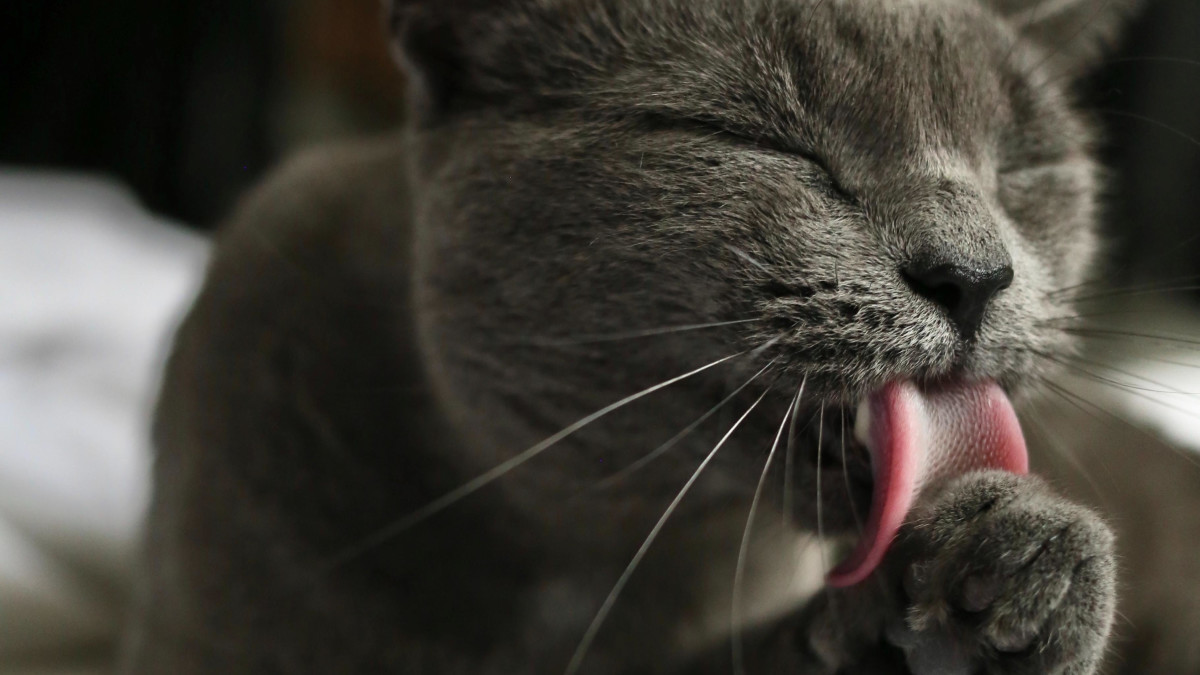
Credit: pethelpful.com
Treatment Options
Excessive grooming in cats can signal underlying health or behavioral issues. Treating this behavior often requires a mix of approaches. Addressing both the physical and emotional needs of your cat helps reduce over-grooming. Here are some common treatment options to consider.
Medical Interventions
Veterinarians first check for skin infections or allergies. Medicines may include:
- Antibiotics to fight infections
- Anti-inflammatory drugs to reduce irritation
- Flea treatments to eliminate parasites
- Medication for underlying conditions like anxiety
Regular check-ups ensure the treatment is effective and safe.
Behavioral Therapy
Behavioral therapy focuses on reducing stress and anxiety. Techniques involve:
- Positive reinforcement for calm behavior
- Distraction using toys or playtime
- Training to redirect grooming habits
- Consulting animal behaviorists for complex cases
Consistency is key to changing behavior patterns.
Environmental Modifications
Changing the cat’s surroundings can lower stress levels. Helpful changes include:
- Providing quiet, safe spaces
- Using pheromone diffusers to calm the cat
- Ensuring regular feeding and play schedules
- Minimizing loud noises and sudden changes
A comfortable environment promotes mental and physical health.
Preventing Excessive Grooming
Preventing excessive grooming in cats requires a careful approach that supports their well-being. Understanding the causes and providing the right care helps reduce this behavior. Cats often groom too much due to stress, health issues, or boredom. Addressing these areas can keep your cat calm and healthy.
Stress Reduction Techniques
Stress is a major trigger for excessive grooming. Create a calm environment for your cat. Use soothing sounds and soft lighting. Provide safe hiding spots where your cat can relax. Keep a consistent daily routine to reduce anxiety. Avoid loud noises and sudden changes around your cat.
Regular Health Checks
Health problems often cause over-grooming. Schedule regular vet visits to catch issues early. Check for skin allergies, parasites, or infections. Your vet can suggest treatments to ease discomfort. Keep your cat’s vaccinations and flea control up to date. A healthy cat is less likely to groom excessively.
Enrichment Activities
Boredom can lead to obsessive grooming. Offer toys and puzzles to keep your cat busy. Rotate toys to maintain interest. Spend time playing each day to engage your cat’s mind and body. Provide scratching posts and climbing areas for exercise. Enrichment helps your cat stay happy and less stressed.
When To Seek Professional Help
Knowing when to seek professional help for your cat’s excessive grooming is crucial. It can be tough to decide if your feline friend’s behavior is just a phase or a sign of something more serious. Watching closely and acting at the right time can prevent bigger health problems and improve your cat’s quality of life.
Signs That Indicate A Visit To The Vet Is Needed
If your cat is grooming so much that it causes bald spots, raw skin, or bleeding, it’s time to call your vet. Constant licking or biting can lead to infections and painful sores. Also, if you notice changes in your cat’s mood or appetite, these could be linked to stress or medical issues behind the grooming.
How Stress And Anxiety Affect Grooming Habits
Excessive grooming often points to stress or anxiety in cats. If your cat started grooming more after a change in the environment—like moving to a new home or the arrival of a new pet—this could be a red flag. Professional help can guide you on managing your cat’s anxiety and stopping the harmful behavior.
When Medical Conditions Might Be The Cause
Sometimes, excessive grooming signals allergies, parasites, or skin problems. If flea treatments and diet changes don’t help, a vet can run tests to find the root cause. Ignoring these signs might make your cat suffer longer and delay proper treatment.
What To Expect From A Professional Consultation
During a vet visit, expect a thorough physical exam and questions about your cat’s grooming habits and environment. Your vet may suggest allergy tests, skin scrapings, or even blood work. They can also recommend behaviorists or medication if the issue is psychological.
How Early Intervention Can Save Your Cat’s Health
Addressing excessive grooming early prevents skin infections and chronic pain. It also helps reduce your cat’s stress, improving overall well-being. Have you noticed subtle signs in your cat’s grooming routine? Don’t wait until it worsens—reach out to a professional for advice.
Frequently Asked Questions
What Causes Excessive Grooming In Cats?
Excessive grooming in cats is often caused by stress, allergies, parasites, or skin infections. It can also indicate pain or boredom. Identifying the cause is crucial for effective treatment. Consulting a vet helps diagnose and manage the underlying issue properly.
How Can I Stop My Cat’s Excessive Grooming?
To stop excessive grooming, address the root cause like allergies or stress. Provide environmental enrichment and reduce anxiety triggers. Use vet-recommended treatments such as medications or topical therapies. Monitoring your cat’s behavior helps track improvement and prevent recurrence.
Is Excessive Grooming Harmful To Cats?
Yes, excessive grooming can harm cats by causing hair loss, skin irritation, and infections. It may also lead to sores and discomfort. Early intervention prevents worsening symptoms and ensures your cat stays healthy and comfortable.
When Should I See A Vet For Excessive Grooming?
Visit a vet if grooming causes bald patches, wounds, or behavioral changes. Persistent or severe grooming needs professional diagnosis. Early vet care helps identify medical or psychological causes and starts appropriate treatment.
Conclusion
Excessive grooming in cats can signal health or stress issues. Pay close attention to changes in your cat’s behavior. Early action helps prevent serious problems. Provide a calm, safe space for your pet. Regular vet visits support your cat’s well-being.
Understanding grooming habits leads to a happier cat. Stay patient and watch for signs carefully. Your care makes a big difference in their life.
