

Have you noticed your cat licking or biting itself more than usual? Excessive cat grooming can be a sign that something is wrong.
It’s not just a quirky habit—it could mean your furry friend is stressed, uncomfortable, or even in pain. Understanding why your cat grooms too much can help you protect their health and happiness. Keep reading to discover the hidden reasons behind this behavior and what you can do to help your cat feel better.
Why Cats Groom Excessively
Cats groom themselves to stay clean and comfortable. Grooming is a natural habit. But sometimes, cats groom too much. Excessive grooming can harm their skin and fur. It often signals an underlying issue. Understanding why cats groom excessively helps in caring for them properly.
Stress And Anxiety
Stress makes cats lick and chew their fur more. Changes in their environment may cause anxiety. New people, loud noises, or moving homes can upset them. Grooming acts like a calming tool. It helps them feel safer and less stressed.
Skin Irritations
Skin problems often cause excessive grooming. Cuts, wounds, or dry skin can be itchy. Cats try to soothe the discomfort by licking. This can lead to redness and hair loss. Checking their skin regularly helps catch issues early.
Allergies And Parasites
Allergies to food or environment trigger itching. Fleas and mites cause intense irritation too. Cats scratch and groom to remove pests or allergens. Flea bites especially lead to over-grooming. Treatment is needed to stop the cycle.
Pain And Discomfort
Pain in joints or muscles makes cats groom oddly. They may lick a sore spot repeatedly. This behavior tries to ease the pain. Arthritis or injuries are common causes. A vet visit can identify and treat pain.
Boredom And Behavioral Issues
Bored cats groom more to pass time. Lack of stimulation leads to repetitive licking. Grooming becomes a habit rather than hygiene. Providing toys and attention reduces boredom. Behavioral problems may need professional advice.
Credit: najupets.com
Signs Of Excessive Grooming
Recognizing the signs of excessive grooming in your cat is essential to address potential health or emotional issues early. Cats are naturally clean animals, but when grooming becomes obsessive, it can lead to serious problems. Here are some clear indicators to watch for that suggest your cat might be grooming too much.
Bald Patches And Hair Loss
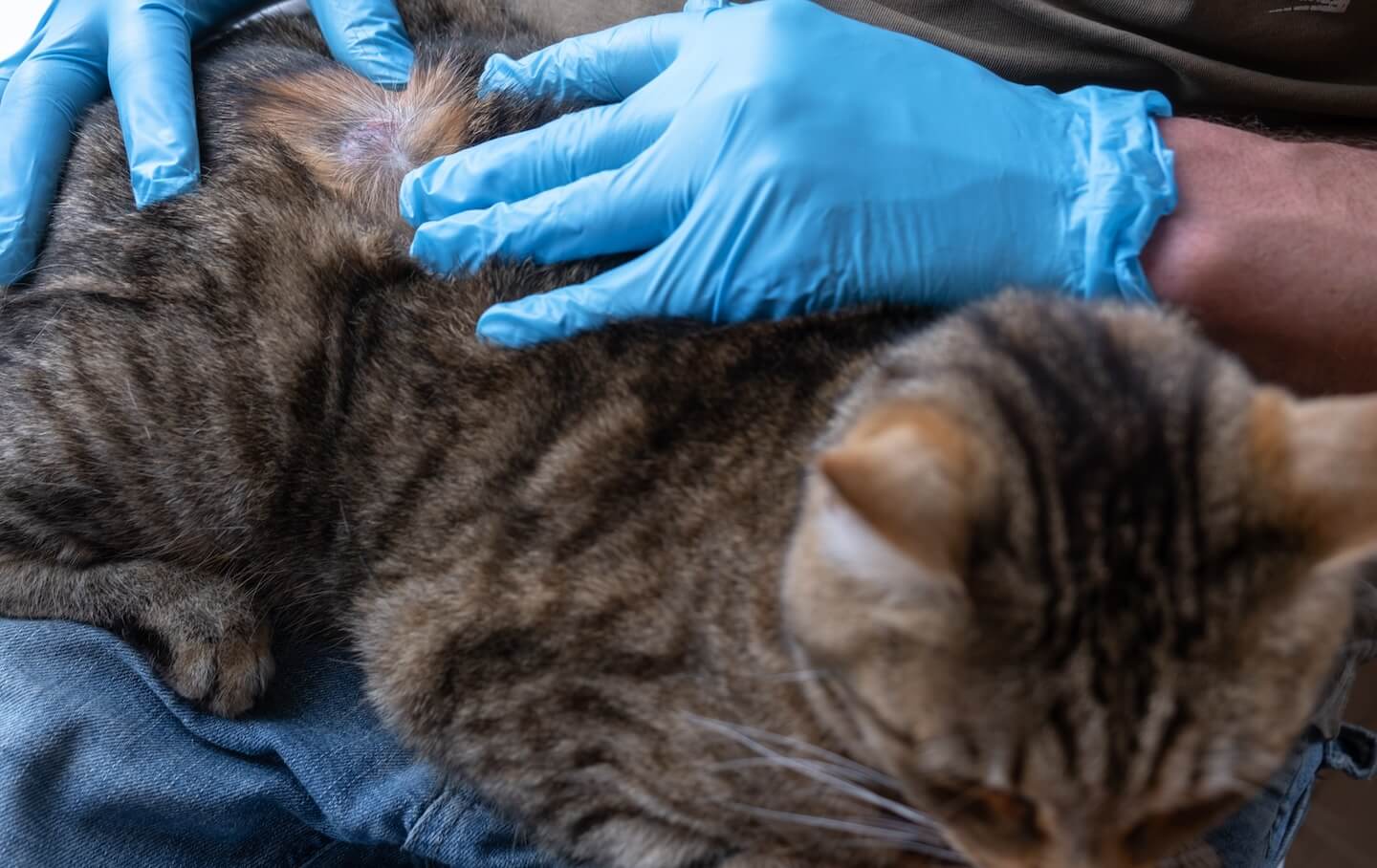
One of the most obvious signs of excessive grooming is bald patches or noticeable hair loss. You might see small areas where the fur is thin or completely missing. This can happen because your cat is repeatedly licking or biting the same spot, causing the hair to fall out.
Have you ever noticed your cat’s fur thinning in a particular area? It’s a red flag that shouldn’t be ignored. Checking these patches regularly can help you catch problems before they worsen.
Redness And Sores
Excessive grooming often leads to irritated skin. Look closely for redness, inflammation, or open sores where your cat licks frequently. These skin issues can become painful and may even get infected if left untreated.
If you spot raw spots or scabs, it’s a sign your cat’s grooming has gone beyond healthy. Prompt action can prevent discomfort and more serious skin problems.
Changes In Behavior
When grooming becomes excessive, it often coincides with shifts in your cat’s behavior. You might notice your cat seems more anxious, restless, or withdrawn. Sometimes, they groom to cope with stress or boredom.
Have you seen your cat grooming itself right after loud noises or changes in the household? This behavior can reveal underlying emotional triggers that need attention.
Frequency And Duration Of Grooming
Pay attention to how often and how long your cat grooms. Normal grooming is brief and spaced out throughout the day. Excessive grooming involves long, repetitive sessions that interrupt other activities like eating or playing.
Observing your cat’s grooming patterns can help you determine if the behavior is normal or excessive. Are they spending hours licking one spot? If yes, it’s time to investigate why.
Diagnosing The Root Cause
Excessive grooming in cats often signals an underlying problem. Finding the root cause is key to stopping this behavior. Careful diagnosis helps target the right treatment and improves your cat’s well-being. Various tests and observations reveal why your cat grooms too much.
Veterinary Examination
A full veterinary checkup is the first step. The vet examines your cat’s skin, coat, and overall health. They look for wounds, parasites, or infections that cause discomfort. The vet also checks for pain or arthritis, which might lead to over-grooming. Blood tests may be done to rule out systemic issues.
Skin Tests And Allergy Screening
Skin problems often cause excessive grooming. Allergy tests identify reactions to food, pollen, or dust mites. The vet may perform skin scrapings or biopsies. These tests detect mites, fungi, or bacterial infections. Identifying allergies helps create a safe environment for your cat.
Behavioral Assessment
Stress and anxiety can drive cats to groom too much. A behavioral evaluation observes your cat’s habits and triggers. Changes in routine, loud noises, or new pets may cause stress. The vet might suggest environmental enrichment or calming aids. Understanding behavior helps reduce compulsive grooming.
Treating Skin Conditions
Excessive grooming in cats often signals underlying skin problems that need careful attention. Treating these skin conditions effectively can stop your cat from harming itself and bring relief quickly. Understanding the treatment options helps you make the best choices for your furry friend’s health and happiness.
Medications And Topical Treatments
Medications often play a key role in calming irritated skin and reducing itching. Your vet may prescribe antihistamines, corticosteroids, or antibiotics depending on the cause. Topical treatments like medicated shampoos or creams can soothe inflamed areas and speed healing.
Applying these treatments regularly can feel like a challenge, but consistency is crucial. Have you noticed how your cat reacts to certain ointments or sprays? Adjusting the method of application, like using a gentle brush or a calm voice, can make a big difference.
Parasite Control
Parasites such as fleas and mites frequently cause skin irritation leading to overgrooming. Using appropriate parasite control products is essential to stop the cycle of itching and scratching. Options include spot-on treatments, oral medications, and special collars designed to repel pests.
Check your cat’s environment too—clean bedding and vacuumed spaces reduce the chance of reinfestation. How often do you inspect your cat for signs of fleas or ticks? Making this a routine can prevent problems before they start.
Dietary Changes
Your cat’s diet directly impacts its skin health and coat condition. Foods rich in omega-3 and omega-6 fatty acids can improve skin moisture and reduce inflammation. Sometimes, food allergies or sensitivities trigger excessive grooming, so switching to a hypoallergenic diet may help.
Have you tried introducing new foods slowly while watching for changes in your cat’s behavior or skin? Small adjustments in diet might bring surprising improvements in comfort and reduce the urge to overgroom.
Managing Stress And Anxiety
Excessive grooming in cats often signals stress or anxiety. Managing these feelings helps reduce this behavior. Creating a calm environment supports your cat’s well-being. Small changes can make a big difference in how your cat feels daily.
Environmental Enrichment
Provide toys and climbing areas to keep your cat busy. Scratching posts help release tension. Hide treats around the house to encourage natural hunting instincts. Bright windows with bird feeders outside offer visual stimulation. A varied environment keeps your cat mentally active and less focused on grooming.
Calming Aids And Pheromones
Use calming products like sprays or diffusers with synthetic cat pheromones. These mimic natural scents that comfort cats. Herbal supplements or calming collars may also help. Always check with a vet before starting any new product. These aids create a peaceful atmosphere and ease anxiety.
Routine And Interaction
Keep feeding and playtime on a regular schedule. Cats feel safer with predictable routines. Spend time petting and talking softly to your cat. Interactive play with toys strengthens your bond and reduces stress. Consistent care helps your cat feel secure and loved.
Behavioral Solutions
Excessive grooming in cats often signals stress, boredom, or anxiety. Behavioral solutions can help you redirect your cat’s focus and reduce the urge to over-groom. These approaches target your cat’s mind and habits, offering practical ways to improve their well-being and restore a healthy balance.
Redirecting Attention
If your cat is grooming too much, try shifting their focus to other activities. When you notice your cat starting to over-groom, gently distract them with a toy or call their name. This simple action can interrupt the cycle and create a new habit over time.
Consider creating a routine where you engage your cat with short, frequent distractions throughout the day. This keeps their mind active and less likely to fixate on grooming. Have you noticed how a quick change in activity can calm your cat’s restlessness?
Interactive Toys And Playtime
Interactive toys can provide the mental and physical stimulation your cat needs. Toys that mimic prey, like feather wands or laser pointers, tap into your cat’s natural hunting instincts and keep them engaged.
Set aside dedicated playtime daily—just 10 to 15 minutes can make a big difference. This not only reduces boredom but also helps release built-up energy that might otherwise turn into excessive grooming. What types of play does your cat respond to best?
Professional Training And Therapy
Sometimes, behavioral issues require expert help. A veterinarian or animal behaviorist can assess your cat’s environment and stress levels to create a tailored plan.
Professional therapy might include behavior modification techniques or calming treatments such as pheromone diffusers. Don’t hesitate to seek advice if your efforts aren’t enough—your cat’s mental health deserves attention just like their physical health.
Preventing Excessive Grooming
Preventing excessive grooming in cats is essential for their health and comfort. It’s not just about keeping your cat’s fur neat but also about addressing underlying issues early. You can take simple yet effective steps to help your cat maintain a healthy grooming routine without overdoing it.
Regular Vet Checkups
Regular visits to the vet help catch skin problems or allergies before they become severe. Your vet can identify parasites like fleas that often trigger excessive grooming. Don’t wait for visible signs; even a slight change in your cat’s coat or skin texture should prompt a checkup.
I once noticed my cat licking one paw nonstop. A quick vet visit revealed a mild allergy that was easily treated. This stopped the behavior quickly, saving her from painful sores.
Balanced Diet And Hydration
Your cat’s diet plays a big role in skin and coat health. Feeding high-quality food rich in omega fatty acids supports a shiny coat and reduces itchiness. Also, make sure fresh water is always available — dehydration can lead to dry, irritated skin.
- Choose cat food with essential fatty acids
- Consider supplements only after vet approval
- Change water regularly to keep it fresh
Have you checked if your cat’s food might be causing discomfort? Sometimes, food sensitivities lead to grooming problems that you can fix by switching diets.
Monitoring Changes In Behavior
Keep an eye on your cat’s daily habits and grooming patterns. Sudden increases in licking or biting can signal stress, pain, or boredom. Noticing these changes early allows you to act before the problem worsens.
Ask yourself: Has your cat started grooming more after a new pet or move? Behavioral shifts often affect grooming. Providing extra attention, toys, or calming aids can help reduce stress-related grooming.
Credit: hellopetsinc.com

Credit: pennypaws.com
Frequently Asked Questions
What Causes Excessive Cat Grooming Behavior?
Excessive cat grooming often results from stress, allergies, or skin infections. It can also indicate pain or parasites. Identifying the cause is crucial for proper treatment and reducing over-grooming.
How Can I Stop My Cat From Over Grooming?
To stop over grooming, address stressors and provide environmental enrichment. Consult a vet for medical issues. Use calming products or behavior modification to reduce anxiety-related grooming.
Is Excessive Grooming Harmful To Cats?
Yes, excessive grooming can cause hair loss, skin sores, and infections. It weakens the skin barrier and causes discomfort. Prompt care is essential to prevent serious health problems.
When Should I See A Vet For Cat Grooming Issues?
Visit a vet if your cat grooms excessively for more than a week. Also seek help if you notice bald spots, wounds, or behavioral changes. Early diagnosis improves treatment success.
Conclusion
Excessive cat grooming can signal health or stress problems. Watch your cat’s behavior closely and note any changes. Early action helps prevent serious issues and keeps your cat happy. Provide a calm, safe space to reduce stress. Regular vet visits support your cat’s well-being.
Understanding grooming habits helps you care for your pet better. Stay patient and gentle when addressing this issue. Your cat relies on you for comfort and care.
