

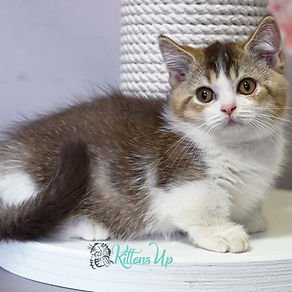
Have you ever seen a cat that looks like it stepped right out of a fairy tale? Dwarf cat breeds, with their petite frames and enchanting features, are capturing hearts everywhere.
These cats are not just about their adorable appearance; they come with a personality that’s larger than life. Imagine having a playful, affectionate companion that fits snugly in your lap, bringing joy to every corner of your home. Curious about what makes these miniature felines so special?
Keep reading, and you’ll discover everything you need to know about dwarf cat breeds—what makes them unique, which ones might be perfect for you, and how they can transform your everyday life into something truly magical.
Credit: thelittlecarnivore.com
Dwarf Cats At A Glance
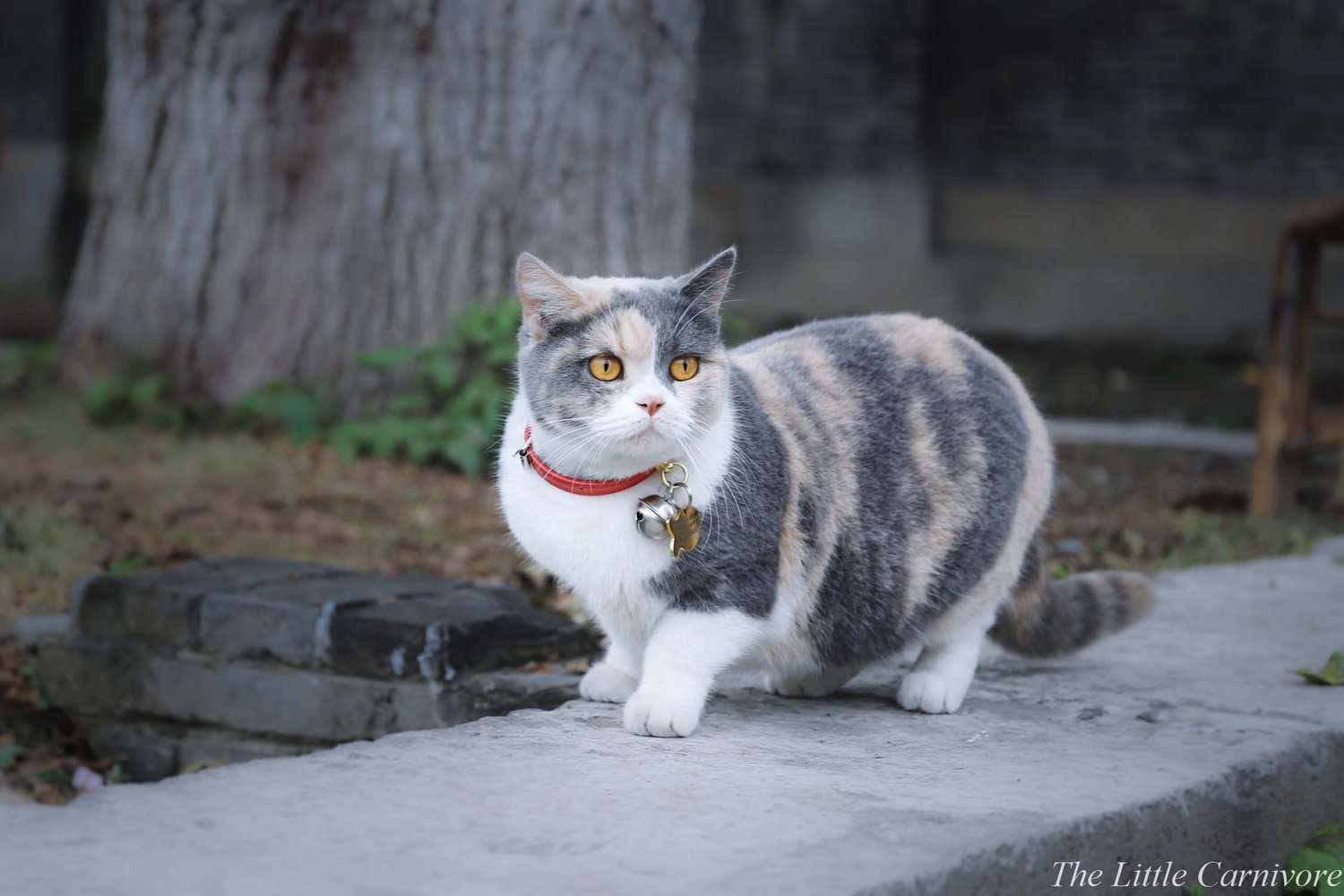
Dwarf cats capture attention with their unique, compact bodies and playful personalities. These small felines often have shorter legs, giving them a distinctive look that sets them apart from typical cats. Understanding their key traits helps you decide if a dwarf cat fits your lifestyle and home.
Physical Characteristics
Dwarf cats are known for their short legs, which result from a genetic trait called achondroplasia. This gives them a stocky, low-to-the-ground appearance without affecting their overall health significantly.
Besides their legs, dwarf cats usually have round faces, large eyes, and plush fur, making them irresistibly cute. Their size varies, but they are generally smaller than average cats, often weighing less than 7 pounds.
- Munchkin:The most well-known dwarf breed, famous for its playful nature and short legs.
- Napoleon:A mix of Munchkin and Persian traits, combining short legs with a fluffy coat and sweet temperament.
- Scottish Fold Munchkin:Combines the folded ears of the Scottish Fold with the short legs of the Munchkin.
Each breed brings something unique, but all share that charming dwarf stature. Have you noticed how their movements differ from regular cats? Their shorter legs can make them clumsier but also more endearing.
Temperament And Behavior
Dwarf cats are often lively and affectionate, making them great companions. Their smaller size does not mean they lack energy; in fact, many dwarf cats love to play and explore actively.
You may find their curiosity and friendliness surprising. If you want a cat that’s both playful and cuddly, a dwarf breed could be a great match.
Care And Health Considerations
Because of their unique body structure, dwarf cats may face specific health issues, especially related to their spine and joints. Regular vet check-ups are essential to catch any problems early.
Maintaining a healthy weight is crucial to reduce strain on their legs. You should also watch for signs of discomfort or mobility issues to keep your dwarf cat happy and active.
Distinctive Features Of Dwarf Cats
Dwarf cats have a charm that’s hard to resist, largely due to their unique features that set them apart from regular feline breeds. These cats aren’t just smaller; they possess distinct physical traits, personalities, and specific health needs that every potential owner should understand. Knowing these details can help you decide if a dwarf cat fits well into your home and lifestyle.
Physical Characteristics
Dwarf cats often have noticeably shorter legs compared to typical cats, giving them a compact and stout appearance. Their bodies remain proportionate, but the leg length is the key difference, which sometimes makes their movements look a bit different—think of a playful waddle rather than a smooth stride.
They usually have a rounder face with large, expressive eyes that enhance their adorable look. Breeds like the Munchkin cat are famous for these traits. Have you noticed how their smaller stature often makes them seem kitten-like even as adults?
Personality Traits
Dwarf cats tend to be lively and curious, packed with energy despite their small size. They often enjoy interactive play and can be quite social, easily bonding with family members and other pets.
Many owners report their dwarf cats have a bold personality, sometimes acting fearless despite their stature. Could this confident behavior be nature’s way of balancing their tiny frame? Observing how they approach new environments might surprise you.
Health Considerations
One crucial aspect to keep in mind is that dwarf cats can have unique health challenges, especially related to their skeletal structure. Conditions such as lordosis or pectus excavatum may arise due to their shorter legs and altered spine shape.
Regular veterinary check-ups are essential to catch any potential issues early. Are you prepared to manage the special care these cats might need? Understanding their health needs will help you provide the best care and enjoy many happy years together.
Popular Dwarf Cat Breeds
Dwarf cat breeds have captured the hearts of cat lovers with their unique appearance and charming personalities. These cats are known for their short legs and compact bodies, which give them a distinct look without compromising their agility or playfulness. If you’re curious about which dwarf breeds might fit your home, here’s a closer look at some of the most popular ones.
Munchkin Cats
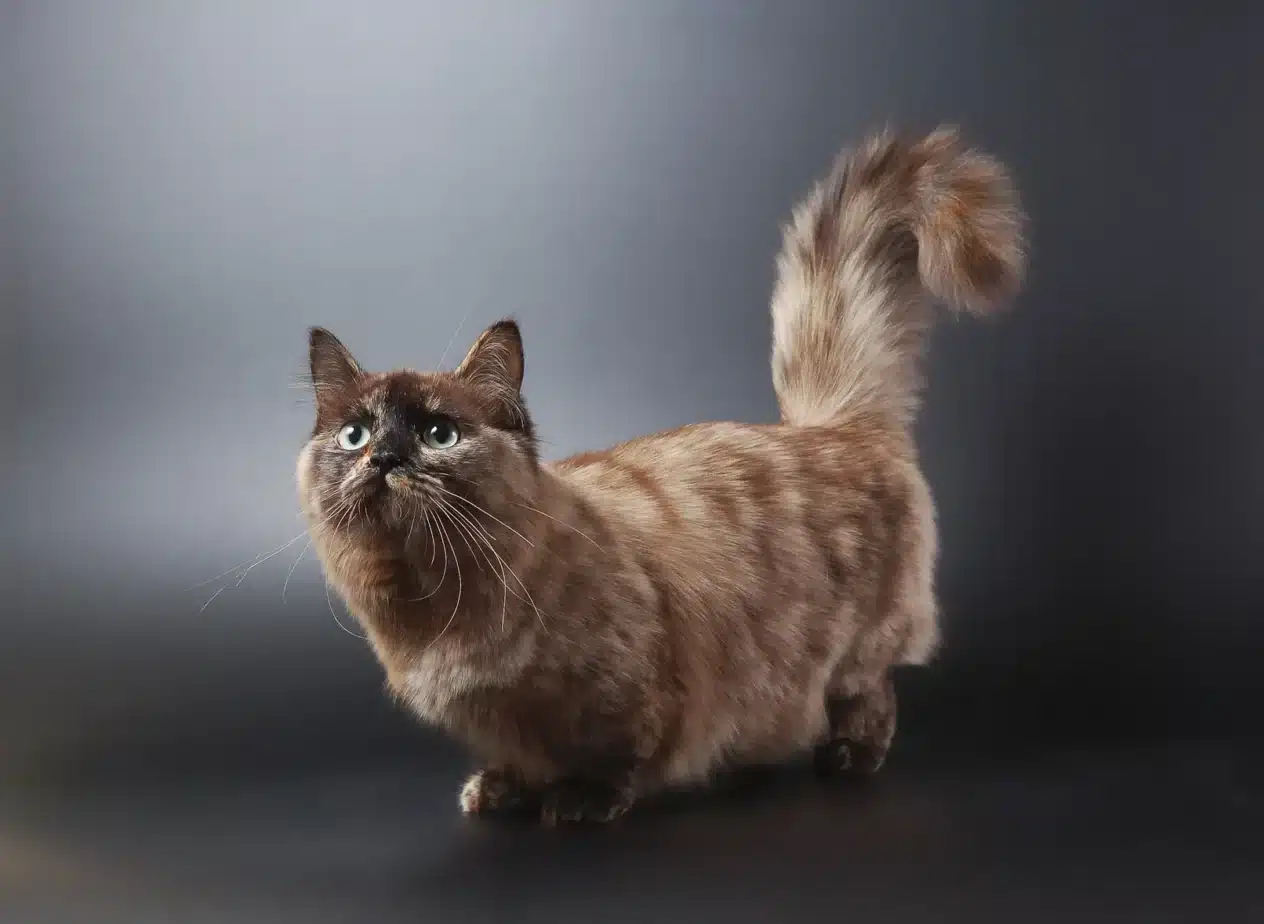
Munchkin cats are the most recognized dwarf breed. Their short legs are the result of a natural genetic mutation. Despite their small stature, they are energetic and love to jump and play.
What’s fascinating is how they adapt so well to their short legs, often surprising owners with their agility. If you enjoy an active feline companion, a Munchkin might be perfect for you.
Dwelf Cats
Dwelf cats combine the short legs of the Munchkin with the curled ears of the American Curl and the hairlessness of the Sphynx. This mix creates an exotic and eye-catching appearance.
They are known for being affectionate and social, often following their owners around the house. Would you enjoy a cat that’s as much a conversation starter as a loving pet?
Napoleon Cats
Napoleon cats, also called Minuet cats, have the short legs of the Munchkin and the rounded face of the Persian. This gives them a sweet and gentle look.
They are calm and patient, making them great companions for families with kids. If you want a cat that’s both playful and relaxed, the Napoleon might fit your lifestyle well.
Kinkalow Cats
Kinkalow cats blend the short legs of the Munchkin with the curled ears of the American Curl. Their unique ears and compact size make them stand out in a crowd.
These cats are curious and intelligent, often engaging in playful antics that keep you entertained. Do you prefer a cat that’s a bit quirky but full of personality?
Credit: vogdog.com
Choosing The Right Dwarf Cat
Choosing the right dwarf cat goes beyond just their adorable looks. It means matching their unique traits with your daily habits and living space. This careful choice makes sure both you and your feline friend enjoy a happy life together.
Lifestyle Compatibility
Think about your daily routine before picking a dwarf cat. Some breeds are more playful and active, needing lots of interaction. Others prefer quiet time and gentle handling.
If you work long hours, a low-maintenance dwarf cat like the Munchkin might suit you better. On the other hand, if you love spending time playing and cuddling, a Bambino with its affectionate nature could be a great match.
Space And Environment Needs
How much room do you have at home? Dwarf cats generally adapt well to smaller spaces, but some still need areas to climb and explore.
Providing vertical space with cat trees or shelves can keep your dwarf cat entertained. Avoid cluttered spaces that might limit their movement or cause stress.
Care And Maintenance
Dwarf cats may require special care depending on their breed. For instance, breeds with short legs like the Munchkin might need help staying active without overstraining their joints.
Regular grooming keeps their coat healthy, especially for breeds with longer fur like the Dwelf. Don’t forget to schedule vet visits to monitor any breed-specific health issues.
Common Health Issues
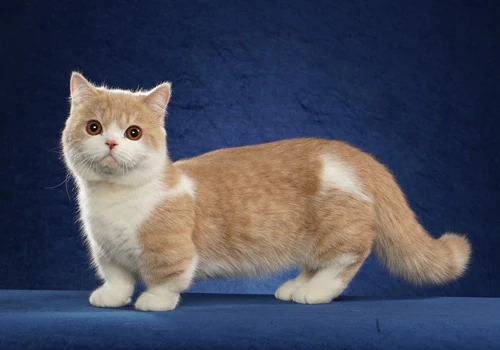
Dwarf cat breeds are adorable companions with unique physical traits. However, these traits can sometimes come with health challenges that you should be aware of. Understanding common health issues helps you provide better care and ensure your furry friend lives a happy life.
Genetic Concerns
Dwarf cats often inherit specific genetic conditions due to their shortened limbs and distinctive body shapes. One common concern is skeletal problems, such as malformed bones or arthritis, which can affect their mobility. Some breeds may also be prone to heart diseases or respiratory issues because of their unique anatomy.
Have you noticed any unusual stiffness or difficulty in movement in your dwarf cat? Early signs can indicate underlying genetic concerns. Regular vet check-ups can catch these problems before they become severe.
Preventive Care Tips
Preventing health issues in dwarf cats starts with proper daily care and attention. Keep your cat’s weight in check to reduce stress on their joints, and provide soft bedding to ease pressure on their bones. Exercise is important but avoid overly strenuous activities that might cause injury.
- Schedule regular veterinary visits focused on orthopedic and cardiac health.
- Watch for signs like limping, reluctance to jump, or breathing difficulties.
- Feed a balanced diet rich in nutrients that support bone and joint health.
- Maintain a clean, low-stress environment to prevent respiratory infections.
Have you adapted your home to meet your dwarf cat’s special needs? Small changes can make a big difference in their comfort and longevity.
Credit: cats.fandom.com
Training And Socializing Dwarf Cats
Training and socializing dwarf cats requires patience and understanding of their unique personalities. These cats often have playful yet cautious natures, so your approach needs to be gentle but consistent. Building trust early helps create a strong bond and encourages positive behavior.
Behavioral Tips
Dwarf cats respond best to short, frequent training sessions. Keep commands simple and use treats as rewards to reinforce good behavior. Avoid loud noises or sudden movements, as these can startle your cat and hinder progress.
Observe your cat’s natural habits. If your dwarf cat loves to climb, use that to teach commands like “come” or “stay” by rewarding them when they follow instructions on a favorite perch. This makes training feel like play rather than a chore.
Enhancing Interaction
Interaction with your dwarf cat should be engaging and varied. Use interactive toys like feather wands or laser pointers to stimulate their hunting instincts and keep them mentally sharp.
Spend time daily petting and talking to your cat to strengthen your relationship. Have you noticed how some cats respond differently to voice tones? Try using a calm, friendly voice to encourage closeness.
- Introduce new people slowly to avoid stress
- Offer hiding spots so your cat feels safe during social interactions
- Use gentle touch to build comfort and trust
Where To Find Dwarf Cats
Finding a dwarf cat to welcome into your home requires careful consideration. These unique felines have special needs and characteristics that deserve attention. Knowing where to look can save you time and help ensure you find a healthy, happy companion.
Reputable Breeders
Reputable breeders focus on the health and temperament of dwarf cats. They provide detailed information about the cat’s lineage and health history. This transparency helps you avoid common genetic issues linked to dwarfism.
When contacting breeders, ask about the care they provide for their cats and kittens. A responsible breeder welcomes your questions and may even invite you to visit. This face-to-face meeting lets you see the living conditions and meet the parents, which gives insight into the kitten’s future behavior.
Keep in mind that reputable breeders often have waiting lists due to the demand for dwarf cats. Are you prepared to wait and invest in a pet that will bring long-term joy?
Adoption Options
Adoption is a rewarding way to find a dwarf cat in need of a loving home. Shelters and rescue groups sometimes have dwarf cats or cats with similar traits. These animals often come with some veterinary care already completed.
Look for breed-specific rescue organizations that focus on dwarf cats or cats with similar genetic traits. They can provide valuable information about the cat’s personality and health. Plus, adopting supports animal welfare and reduces the demand for unethical breeding.
Consider the joy of giving a home to a cat that might otherwise be overlooked. Could your next furry friend be waiting in a shelter nearby?
Frequently Asked Questions
What Are The Most Popular Dwarf Cat Breeds?
Popular dwarf cat breeds include the Munchkin, Napoleon, and Dwelf. These cats have short legs due to genetic traits. They are known for their playful and affectionate nature. Each breed has unique features but shares the dwarf characteristic.
Are Dwarf Cats Healthy Pets?
Dwarf cats can be healthy with proper care. Some breeds may face joint or bone issues due to their short legs. Regular vet check-ups and a balanced diet help maintain their health. Early detection of problems ensures a happy life for dwarf cats.
How Do Dwarf Cat Breeds Differ From Regular Cats?
Dwarf cats have shorter legs caused by a genetic mutation. Their body proportions make them appear unique and cute. Behaviorally, they are similar to regular cats but may have playful and outgoing personalities. Their size and movement style set them apart.
Can Dwarf Cats Live With Other Pets?
Yes, dwarf cats usually adapt well to other pets. Early socialization helps them coexist peacefully. Their friendly and playful nature makes them good companions. Supervision is advised initially to ensure smooth interaction with other animals.
Conclusion
Dwarf cat breeds offer unique charm and playful spirits. Their small size fits well in many homes. These cats need gentle care and love. Understanding their traits helps keep them happy and healthy. Choosing a dwarf cat means bringing joy and fun.
Each breed has its own special features. Enjoy the company of these tiny, lively friends. They make great pets for those who want something different. Consider their needs before bringing one home. A dwarf cat can brighten your life every day.
