

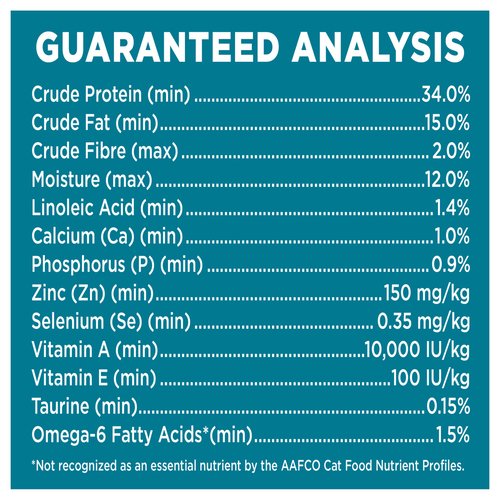
When it comes to feeding your cat, you want to make sure you’re giving them the best nutrition possible. But with so many dry cat food options out there, it can be hard to know what’s really good for your furry friend.
Understanding dry cat food nutrition is key to keeping your cat healthy, happy, and full of energy. You’ll discover what ingredients matter most, how to read labels like a pro, and what nutrients your cat truly needs. Keep reading to unlock the secrets that will help you choose the perfect dry food for your cat’s wellbeing.
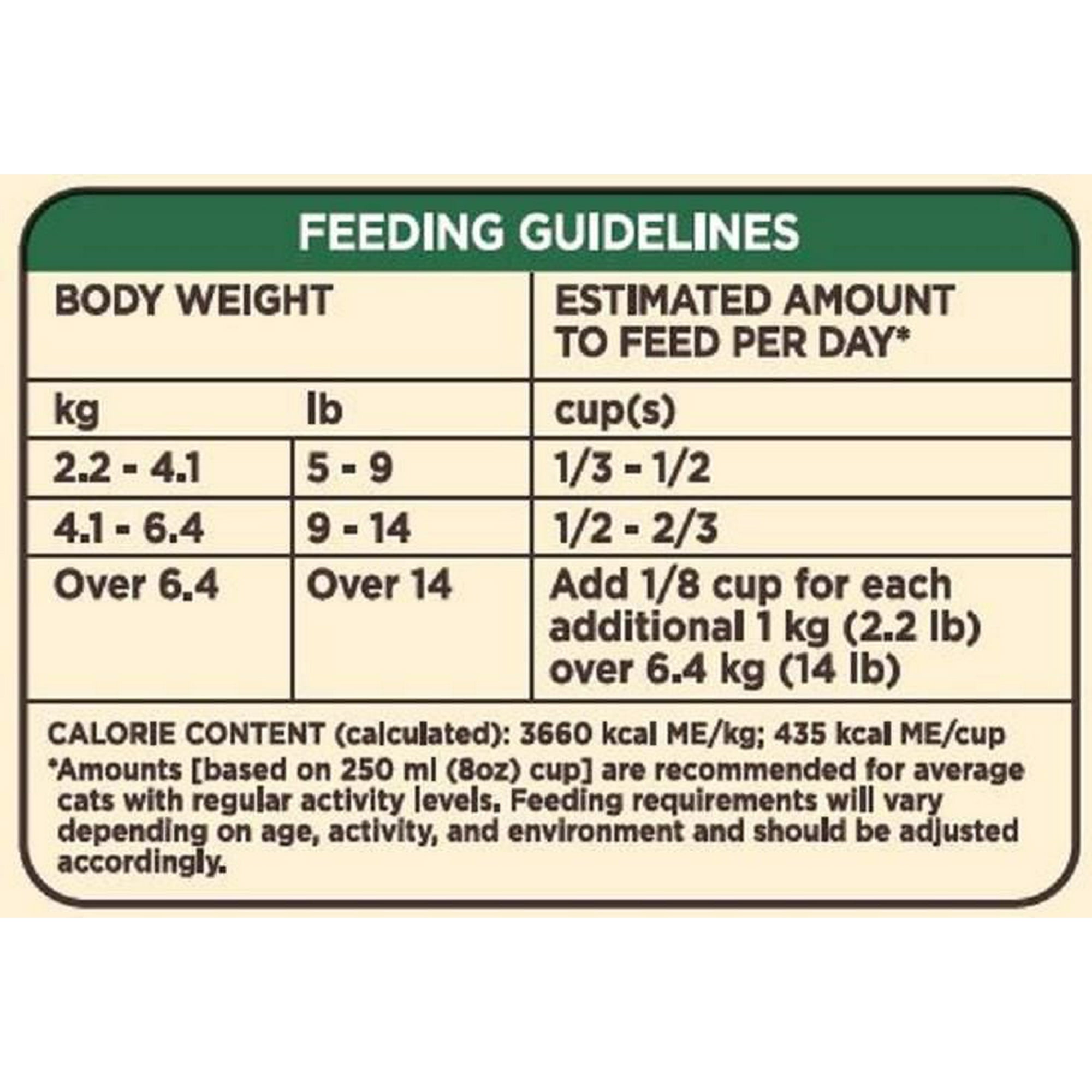
Credit: www.walmart.ca
Key Nutrients In Dry Cat Food
Understanding the key nutrients in dry cat food is essential for keeping your feline friend healthy and energetic. Each nutrient plays a specific role in maintaining your cat’s overall well-being, from supporting muscles to boosting their immune system. Let’s break down what you should look for on the label and why these nutrients matter.
Proteins And Amino Acids
Proteins are the building blocks of your cat’s body. Cats need high-quality animal proteins to maintain strong muscles, healthy skin, and sharp eyesight.
Essential amino acids like taurine cannot be produced by cats and must come from their diet. Without enough taurine, your cat could face serious health problems such as heart disease or vision loss.
When checking dry food, look for named meat sources like chicken or fish near the top of the ingredient list. This ensures your cat gets the proteins and amino acids they truly need.
Fats And Fatty Acids
Fats are not just energy sources; they keep your cat’s coat shiny and skin healthy. Omega-3 and Omega-6 fatty acids are crucial for reducing inflammation and supporting brain function.
Many dry foods add fish oil or flaxseed oil to provide these fatty acids. If your cat’s coat looks dull or their skin is dry, their diet might be lacking in these essential fats.
Don’t overlook the fat content—too little or too much can affect your cat’s weight and health. Aim for balanced fat levels suitable for your cat’s age and activity.
Carbohydrates And Fiber
Cats don’t have a high carbohydrate requirement, but some carbs in dry food help provide energy and improve digestion. Fiber is especially important for preventing hairballs and promoting regular bowel movements.
Look for sources like beet pulp or pumpkin, which are gentle on your cat’s stomach. Too many carbs, especially from grains, can lead to weight gain or digestive issues.
Ask yourself: does your cat seem sluggish or have digestive troubles? Adjusting fiber and carbohydrate intake might make a noticeable difference.
Vitamins And Minerals
Vitamins and minerals support everything from your cat’s immune system to bone health. For instance, vitamin A aids vision, while calcium and phosphorus strengthen bones and teeth.
Quality dry cat food includes a balanced mix of these nutrients, often added as supplements. Without them, your cat’s health can decline gradually, sometimes without obvious signs until it’s serious.
Check the label for completeness, especially if your cat has special needs or health issues. You might need to talk to your vet about tailored vitamin and mineral support.
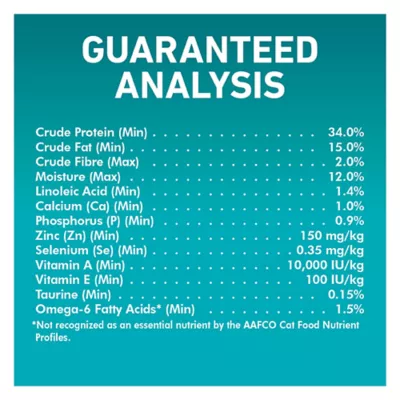
Credit: www.petsmart.ca
Benefits Of Dry Cat Food
Choosing the right food for your cat plays a crucial role in their overall health. Dry cat food offers several benefits that might make your feeding routine easier and more effective. Understanding these benefits can help you decide if dry food fits your cat’s needs and your lifestyle.
Convenience And Storage
Dry cat food is incredibly easy to store. It doesn’t require refrigeration, so you can keep it in your pantry without worrying about spoilage. This makes it a practical choice if you buy in bulk or want to avoid frequent trips to the store.
Feeding your cat also becomes quicker. You can simply scoop out the right amount and serve it immediately. Have you noticed how some cats prefer to nibble throughout the day? Dry food stays fresh longer, allowing your cat to snack whenever they want without it going bad.
Dental Health Support
One advantage often overlooked is dry food’s role in dental health. The crunchy texture helps reduce plaque and tartar buildup on your cat’s teeth. While it’s not a substitute for regular dental care, it can support healthier gums and teeth over time.
Think about your own experience with crunchy foods helping keep your teeth clean. Your cat benefits in a similar way. Could this be a simple addition to your cat’s dental care routine?
Cost-effectiveness
Dry cat food is generally more affordable than wet food. It offers more servings per package, which can save you money in the long run. This is especially important if you have multiple cats or a tight budget.
Besides the price, dry food often lasts longer once opened. You won’t waste as much as you might with perishable options. How much could you save by switching to dry food without compromising your cat’s nutrition?
Choosing Quality Dry Cat Food
Choosing quality dry cat food is essential for your feline’s health and happiness. The right nutrition supports their energy, immune system, and overall well-being. But how do you spot a truly good dry cat food among the countless options on the shelf?
Reading Ingredient Labels
Look beyond the brand name and focus on the ingredient list. Ingredients are listed in order of weight, so the first few are the most important.
High-quality dry cat food usually starts with a named animal protein, like “chicken” or “salmon,” not vague terms like “meat by-products.”
Also, check for added vitamins and minerals, which ensure balanced nutrition for your cat.
Avoiding Fillers And Additives
Fillers like corn, wheat, and soy offer little nutritional value and can cause allergies or digestive issues in some cats.
Artificial colors, flavors, and preservatives do not benefit your cat and may even harm them over time.
Choosing foods free from unnecessary fillers and additives helps keep your cat’s diet clean and healthy.
Recognizing Quality Brands
Not all brands invest equally in research and quality control. Look for companies that provide transparency about their sourcing and production processes.
Brands with veterinary endorsements or those that conduct feeding trials typically offer more reliable nutrition.
Have you ever noticed how some brands offer detailed feeding guidelines and nutritional info right on their packaging? That’s a good sign they care about your cat’s health.
Tailoring Nutrition To Your Cat’s Needs
Each cat has unique dietary needs that change over time. Tailoring dry cat food nutrition to these needs helps keep your feline friend healthy and active. Understanding what to look for in their food can make a big difference in their well-being.
Age-specific Formulas
Kittens need more protein and calories to support rapid growth. Adult cats require balanced nutrients to maintain energy and muscle mass. Senior cats benefit from formulas that support joint health and kidney function.
Choosing the right formula for your cat’s age ensures they get the vitamins and minerals suited to their stage of life. Have you checked the label for age recommendations on your cat’s food lately?
Weight Management Options
Overweight cats face health risks like diabetes and arthritis. Dry food designed for weight control usually has fewer calories and added fiber to help them feel full. Underweight cats might need more calorie-dense options to gain healthy weight.
Observe your cat’s body shape regularly and adjust their diet if you notice any changes. What feeding habits could you adjust to support your cat’s ideal weight?
Special Dietary Requirements
Cats with allergies, sensitivities, or medical conditions need special diets. Grain-free, hypoallergenic, or prescription dry foods can address these issues. Some cats need foods with limited ingredients to avoid digestive upset.
Consult your vet if your cat shows signs of discomfort or unusual reactions to food. Are you aware of any special needs your cat might have that require a tailored diet?
Common Myths About Dry Cat Food
Dry cat food is a popular choice among cat owners, but it’s often surrounded by myths that can confuse your decisions about your pet’s diet. Understanding what’s true and what’s not helps you provide the best nutrition for your feline friend. Let’s clear up some common misconceptions about dry cat food so you can feel confident in your feeding choices.
Hydration Concerns
Many people worry that dry cat food doesn’t provide enough moisture, leading to dehydration. While it’s true that dry food contains less water than wet food, cats usually get additional hydration from their drinking water. If your cat doesn’t drink enough water, consider placing multiple water bowls around your home or using a cat water fountain to encourage drinking.
Could your cat’s water intake be the real issue rather than the food itself? Monitoring your pet’s water habits can reveal if you need to make changes beyond just switching food types.
Nutritional Completeness
Some believe dry cat food lacks essential nutrients, but many brands are formulated to meet the complete dietary needs of cats. Look for products labeled as “complete and balanced” by regulatory authorities, which ensures they contain all necessary vitamins, minerals, and proteins.
Always check the ingredient list and nutritional analysis on the packaging. Have you ever checked if your current dry cat food meets these standards? It’s a quick step that can make a big difference in your cat’s health.
Impact On Cat Behavior
There’s a myth that dry food can cause negative behaviors, like aggression or hyperactivity. However, cat behavior is influenced by many factors, including environment, genetics, and interaction, not just diet.
Feeding your cat appropriately sized meals and maintaining a consistent feeding schedule can help keep behavior stable. Have you noticed any behavior changes linked to feeding times or food types in your cat’s routine?
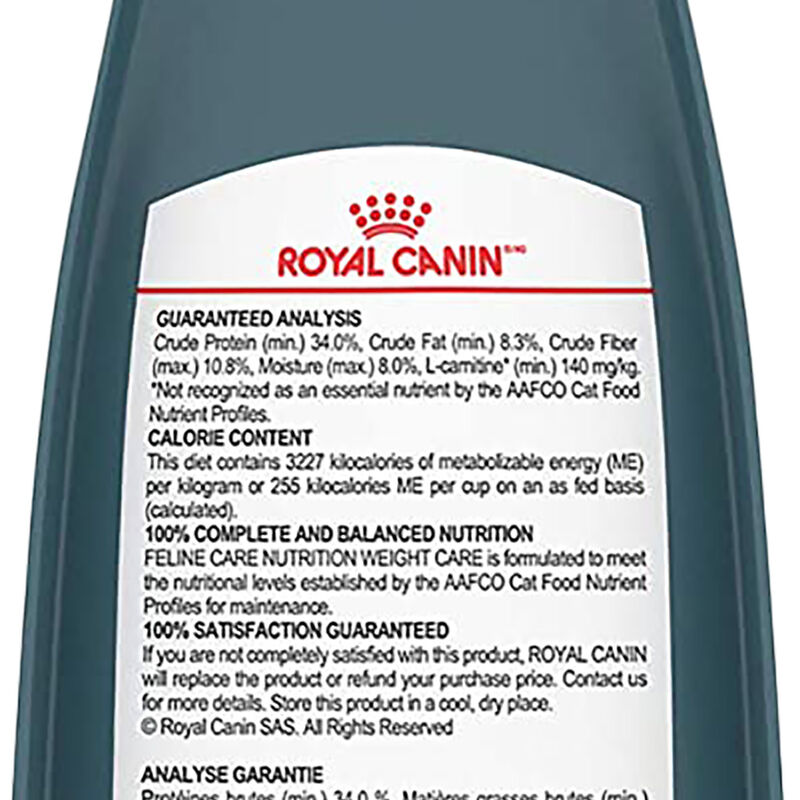
Credit: www.renspets.com
Tips To Boost Your Cat’s Health With Dry Food
Boosting your cat’s health with dry food goes beyond just filling their bowl. It’s about making smart choices that improve nutrition and keep your feline friend happy and energetic. Understanding how to manage diet changes and add variety can make a big difference in your cat’s overall well-being.
Gradual Diet Changes
Switching your cat’s food abruptly can upset their stomach and cause digestive issues. Instead, introduce new dry food slowly over 7 to 10 days by mixing it with the old food. This helps your cat’s system adjust without stress.
Pay attention to how your cat reacts during this period. Are they eating well? Any signs of discomfort? Adjust the pace accordingly to keep the transition smooth.
Supplementing With Wet Food
Dry food is convenient, but adding wet food boosts hydration and adds variety. Cats often don’t drink enough water, and wet food helps fill that gap. You can mix wet food with dry or serve it separately as a treat.
Try different flavors and textures to find what your cat enjoys most. This not only improves nutrition but also keeps mealtime interesting for your pet.
Regular Vet Checkups
Regular vet visits help monitor your cat’s health and catch any nutritional gaps early. Discuss your cat’s diet with the vet to ensure it meets their specific needs. Sometimes, a simple tweak in food can prevent future health issues.
Have you noticed any changes in your cat’s weight or activity? Bring these observations to your vet—they can guide you to the best diet strategy tailored for your cat.
Frequently Asked Questions
What Nutrients Are Essential In Dry Cat Food?
Dry cat food must contain protein, fats, vitamins, and minerals. These nutrients support your cat’s health, energy, and immune system. High-quality protein is crucial for muscle maintenance. Taurine is an essential amino acid cats need for heart and eye health.
Always check labels for balanced nutrition.
How Does Dry Cat Food Benefit My Cat’s Health?
Dry cat food helps maintain dental health by reducing plaque buildup. It is convenient, affordable, and has a longer shelf life. The balanced nutrients support weight management and energy levels. Proper hydration is important, so always provide fresh water alongside dry food.
Can Dry Cat Food Meet All Dietary Needs?
Yes, many dry cat foods are formulated to meet complete nutritional requirements. Look for products labeled “complete and balanced” to ensure they provide all essential nutrients. However, supplementing with wet food can help increase hydration. Consult your vet for tailored dietary advice.
Is Dry Cat Food Suitable For Kittens And Senior Cats?
Special dry cat foods are available for different life stages, like kittens and seniors. Kitten formulas support growth with higher protein and calorie content. Senior cat foods focus on joint health and lower calories. Always choose age-appropriate dry food to meet specific nutritional needs.
Conclusion
Dry cat food provides essential nutrients for your cat’s health. It offers convenience and helps maintain dental hygiene. Choose brands with quality ingredients and balanced vitamins. Always check the label for protein, fat, and fiber content. Feeding your cat the right dry food supports energy and growth.
Remember, fresh water should be available at all times. A good diet keeps your cat happy and active every day.
