

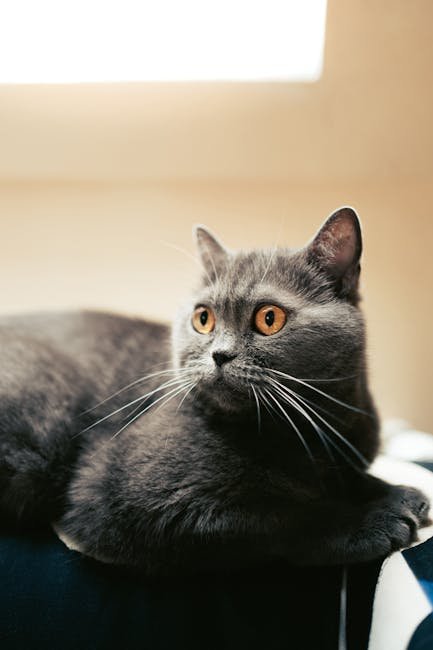
If you have a dominant cat, you know that grooming can sometimes feel like a challenge. Your cat’s strong personality means they might not always cooperate, making it tricky to keep their coat healthy and clean.
But what if you could turn grooming time into a calm and enjoyable experience for both of you? You’ll discover practical tips and simple strategies to handle dominant cat grooming with confidence. By understanding your cat’s behavior and using the right approach, you’ll make grooming easier, reduce stress, and strengthen your bond.
Keep reading to learn how to make grooming a smooth routine, no matter how strong-willed your cat is.
Choosing The Right Grooming Tools
Choosing the right grooming tools makes cat care easier and safer. Each cat has unique fur and skin needs. Using proper tools reduces stress for both cat and owner. Good tools help keep your cat clean and healthy. Understanding which tools work best improves grooming results.
Essential Brushes And Combs
Brushes and combs remove loose fur and prevent mats. Soft-bristle brushes work well for short-haired cats. Slicker brushes help with tangles and mats in long-haired cats. Wide-tooth combs gently detangle fur without pulling. Use a fine-tooth comb to check for fleas or debris.
Clippers And Trimmers
Clippers trim thick or matted fur safely. Choose quiet, low-vibration clippers to avoid startling cats. Use different blade sizes for various fur lengths. Trimmers help clean delicate areas like paws and face. Always test clippers on a small patch first.
Nail Care Tools
Proper nail care prevents scratches and damage. Use sharp, small nail clippers made for cats. Nail grinders smooth sharp edges after clipping. Keep styptic powder handy for minor bleeding. Regular trimming keeps nails healthy and comfortable.
Establishing A Grooming Routine
Establishing a grooming routine for your dominant cat is essential for maintaining their health and comfort. Cats with strong personalities often prefer a consistent schedule that respects their boundaries. Building this routine with patience and understanding can turn grooming from a struggle into a bonding experience.
Daily Vs Weekly Grooming
Deciding how often to groom your cat depends on their coat type and activity level. Long-haired cats usually need daily brushing to prevent mats, while short-haired cats often do well with weekly grooming. Pay attention to your cat’s behavior—if you notice shedding or tangles, it might be time to increase grooming frequency.
Think about your own schedule too. Can you commit a few minutes every day, or is a longer session once a week more realistic? Tailor the routine to fit both your needs and your cat’s comfort.
Timing And Environment
Choose a quiet time when your cat is relaxed, such as after a meal or a nap. Avoid grooming sessions when they are energetic or hungry, as this can lead to resistance. The environment should be calm, with minimal distractions and soft lighting to keep your cat at ease.
Creating a dedicated grooming space can make a difference. Use a comfortable surface and keep your grooming tools within reach. Have you noticed how your cat reacts differently in various rooms? This insight can help you pick the perfect spot for grooming.
Handling A Resistant Cat
Dominant cats often resist grooming because they want control. Instead of forcing the process, try to gain their trust gradually. Use treats, gentle praise, and slow movements to create a positive association with grooming.
If your cat becomes aggressive or overly stressed, pause and try again later. Patience is key—sometimes short, frequent sessions work better than long ones. Could breaking grooming into smaller steps reduce your cat’s anxiety?
Bathing Your Cat
Bathing your cat can seem like a daunting task, especially if your feline friend isn’t fond of water. However, regular baths can keep your cat’s coat shiny and free from dirt, allergens, and parasites. Understanding the right timing, products, and drying methods can make the experience smoother for both you and your cat.
When And How To Bathe
Not all cats need frequent baths. You should bathe your cat only when necessary, such as if they get into something sticky or smelly, or if they have a skin condition that requires it.
Choose a calm moment when your cat is relaxed. Use lukewarm water and keep the bath short to reduce stress.
Gently wet your cat’s coat, avoiding the head, and apply shampoo carefully. Rinse thoroughly to remove all soap, which can irritate the skin if left behind.
Selecting Cat-friendly Shampoos
Your cat’s skin is sensitive, so avoid using human shampoos. Look for shampoos specifically formulated for cats with gentle ingredients.
- Opt for hypoallergenic or oatmeal-based shampoos if your cat has sensitive skin.
- Avoid products with strong fragrances or harsh chemicals.
- Some shampoos include flea treatments, but check with your vet before use.
Have you checked your shampoo’s label lately? Even products labeled “pet-safe” can sometimes irritate cats, so always patch test first.
Drying Techniques
After the bath, towel drying is essential. Use a soft, absorbent towel and gently pat your cat dry to avoid tangling the fur.
If your cat tolerates it, use a blow dryer on the lowest heat setting, keeping it far enough to prevent burns.
Many cats dislike noise, so speak softly and offer treats to keep them calm during drying.
Have you noticed how a scared cat can make drying a challenge? Patience and slow movements help more than force.
Maintaining Coat Health
Maintaining your dominant cat’s coat health is essential for their comfort and overall well-being. A shiny, clean coat not only looks beautiful but also reflects your cat’s internal health. Regular grooming can prevent common issues like matting, skin irritation, and hairballs.
Brushing Techniques For Different Fur Types
Long-haired cats need gentle, frequent brushing to avoid painful mats. Use a wide-tooth comb first to detangle, then switch to a fine brush for a smooth finish.
Short-haired cats benefit from a rubber brush or grooming glove to remove loose hairs. This also stimulates natural oils that keep the coat shiny.
Pay attention to sensitive areas like behind the ears and under the legs. Your cat might enjoy brushing time more if you are gentle and patient.
Dealing With Shedding And Hairballs
Shedding can be overwhelming, but regular brushing reduces loose fur around your home and inside your cat’s stomach. This lowers the chance of hairballs forming.
Try brushing your cat daily during shedding seasons. It helps catch fur before it falls out naturally.
If hairballs persist, ask your vet about safe hairball remedies or special diets. Have you noticed if your cat’s shedding changes with the seasons or stress?
Nutrition’s Role In Coat Shine
What your cat eats directly affects their coat’s texture and shine. Foods rich in omega-3 and omega-6 fatty acids promote healthy skin and fur.
High-quality protein supports hair growth and repair. Avoid fillers and artificial additives that can dull the coat.
Consider supplements like fish oil, but always check with your vet first. Have you ever changed your cat’s diet and seen an improvement in their coat?
Nail And Paw Care
Proper nail and paw care is essential for your dominant cat’s comfort and health. Keeping nails trimmed and paws healthy helps prevent injuries and infections that can cause pain or limit your cat’s mobility. Paying close attention to these details also strengthens the bond between you and your furry companion, showing them you care about their well-being.
Trimming Tips And Safety
Trim your cat’s nails regularly to avoid overgrowth and scratching accidents. Use a sharp, cat-specific nail clipper and ensure good lighting. If your cat is nervous, try wrapping them gently in a towel to keep them calm and still.
Focus on cutting just the sharp tip of the nail, avoiding the quick—the pink part inside the nail that contains nerves and blood vessels. Cutting the quick causes pain and bleeding. If you accidentally trim too much, apply styptic powder or cornstarch to stop the bleeding quickly.
Checking For Injuries Or Infections
Take a moment to inspect your cat’s paws during grooming sessions. Look for redness, swelling, cuts, or foreign objects like splinters lodged between the toes. Early detection of injuries helps prevent infections and serious complications.
Keep an eye out for limping or excessive licking, as these signs often indicate discomfort or pain. If you spot pus, foul odor, or persistent swelling, consult your vet promptly to avoid worsening conditions.
Paw Pad Moisturizing
Dry or cracked paw pads can be uncomfortable and may lead to infections. Use a pet-safe moisturizer designed specifically for cats to keep their paw pads soft and healthy. Avoid human lotions, which can contain harmful ingredients.
Apply the moisturizer after cleaning their paws or after outdoor walks to soothe and protect the skin. Have you noticed your cat avoiding walking on certain surfaces? It might be time to check their paw pads for dryness or irritation.
Eye And Ear Maintenance
Maintaining your dominant cat’s eyes and ears is vital for their health. These sensitive areas need gentle care to prevent infections and discomfort. Regular checks and cleaning keep your cat comfortable and alert.
Cleaning Methods
Use a soft, damp cloth or cotton ball to wipe around the eyes. Avoid touching the eyeball directly. For ears, use a vet-approved ear cleaner and a cotton ball. Do not insert anything deep into the ear canal. Clean only visible parts gently to remove dirt and wax.
Identifying Signs Of Infection
- Redness or swelling around eyes or ears
- Discharge that is yellow, green, or foul-smelling
- Excessive scratching or rubbing of eyes and ears
- Frequent shaking of the head
- Squinting or sensitivity to light
These signs may indicate infection. Consult a vet promptly for proper care.
Preventive Care
- Check eyes and ears weekly for cleanliness and signs of issues
- Keep your cat’s environment clean and free from dust
- Trim hair around the eyes and ears to improve airflow
- Schedule regular vet visits for thorough health checks
- Use flea and tick prevention to avoid ear mites
Creating A Stress-free Grooming Experience
Grooming a dominant cat can be challenging. Stress can make the process harder for both you and your cat. Creating a calm and safe environment helps your cat stay relaxed. This approach makes grooming easier and faster. Patience is key to building trust and cooperation.
Using Positive Reinforcement
Reward your cat for calm behavior during grooming. Use treats, gentle praise, or soft petting. This teaches your cat that grooming is a good experience. Avoid punishment as it increases fear and resistance.
Calming Techniques
Speak softly and move slowly around your cat. Use a quiet room free of distractions. A warm towel or blanket can provide comfort. Try gentle massage before grooming to relax muscles. Play calming music at low volume to soothe your cat.
Recognizing Your Cat’s Limits
Watch your cat’s body language closely. Signs like tail flicking, ears back, or growling mean stress. Stop grooming before your cat becomes upset. Short, frequent sessions work better than long ones. Respecting limits builds trust over time.
Professional Grooming Services
Professional grooming services offer more than just a clean look for your dominant cat—they provide essential care that supports your cat’s health and comfort. These experts understand the unique needs of cats with strong personalities and can handle them with patience and skill. By trusting professionals, you ensure your cat’s grooming experience is safe, stress-free, and effective.
When To Seek Experts
Knowing when to call a professional can save you and your cat a lot of frustration. If your cat resists grooming or has matted fur that’s difficult to remove, it’s time to seek expert help. Health issues like skin infections or excessive shedding are also signs that professional grooming is necessary.
Think about the last time your cat scratched or hissed during brushing. Could that have been avoided with professional handling? Groomers have tools and techniques that reduce discomfort and keep even the most dominant cats calm.
Choosing A Groomer
Not every groomer is experienced with dominant cats. Look for someone who specializes in feline grooming and understands cat behavior well. Ask about their approach to handling cats that don’t easily cooperate.
Read reviews and request references to get a sense of their reputation. Visiting the salon beforehand can help you see how they treat cats and maintain cleanliness. Trust your instincts—your cat’s comfort should be the top priority.
What To Expect During A Session
A professional grooming session is more than a quick bath and trim. Expect a thorough examination of your cat’s skin, coat, ears, and nails. Groomers will gently detangle fur and remove mats with specialized tools.
Sessions often include calming techniques tailored to your cat’s temperament. You might notice the groomer speaking softly or using slow movements to build trust. After grooming, your cat should feel lighter, cleaner, and less irritated.
Have you considered how a professional session might improve your cat’s behavior at home? Many owners find their cats are more relaxed and easier to handle after expert grooming.
Frequently Asked Questions
What Is Dominant Cat Grooming Behavior?
Dominant cat grooming is when one cat grooms another to show control. It establishes social hierarchy and strengthens bonds. This behavior is common in multi-cat households and helps reduce tension among cats.
How Does Dominant Cat Grooming Affect Relationships?
Dominant grooming builds trust and reinforces dominance between cats. It signals acceptance and reduces conflicts. Cats involved usually have a strong social bond and respect each other’s status.
Can Dominant Grooming Cause Stress In Cats?
Usually, dominant grooming is positive, but it may stress submissive cats if excessive. Watch for signs like hiding or aggression. Balance and mutual grooming indicate healthy interactions.
How To Encourage Healthy Grooming In Cats?
Provide a calm environment and regular playtime. Groom cats gently to mimic natural behavior. Encourage socialization to reduce stress and promote bonding.
Conclusion
Caring for a dominant cat requires patience and understanding. Regular grooming helps. It strengthens your bond and keeps your cat healthy. Use gentle strokes to build trust. Pay attention to their reactions. Cats communicate with body language. Notice their signals during grooming.
Keep sessions short and stress-free. Create a routine that suits both of you. Using the right tools matters too. Choose a brush that fits your cat’s fur type. Consistency is key. Over time, grooming becomes easier and more enjoyable. Remember, your cat relies on you.
Make grooming a positive experience for a happy, healthy companion.
