

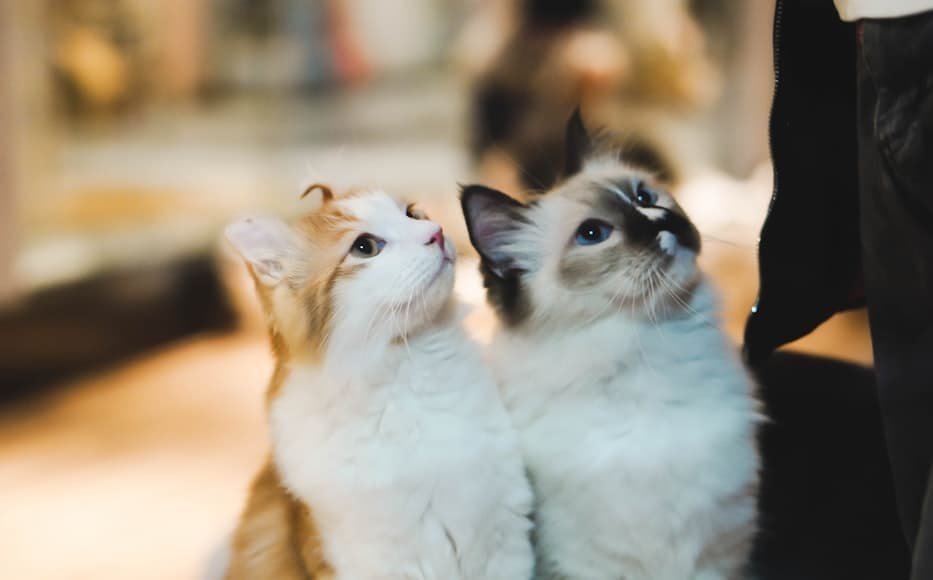
Have you ever noticed your cat grooming itself with such focus and confidence that it seems to be in complete control? That behavior is more than just cleanliness—it’s a sign of dominance in the feline world.
Understanding dominance grooming can change the way you see your cat’s daily habits and help you build a stronger bond with your furry friend. You’ll discover what dominance grooming really means, why your cat does it, and how it affects their behavior.
Keep reading to unlock the secrets behind your cat’s grooming routine and learn how to respond in ways that make both of you happier.
Cat Social Structures
Cats live in social groups with clear structures. These structures help them avoid fights and share resources. Understanding cat social structures explains their grooming and behavior. Grooming is more than cleanliness; it is a social tool. Cats use it to build trust and show rank. This section explores how cats organize themselves and the roles they play.
Feline Hierarchies Explained
Cat groups have leaders and followers. The leader is often the strongest or smartest cat. This cat controls food, resting spots, and social order. Lower-ranking cats respect the leader to keep peace. Hierarchies form through body language and grooming. Dominant cats groom others to show power. Submissive cats accept grooming to stay in the group. This balance helps the group survive and thrive.
Roles Within A Cat Group
Each cat has a role in the group’s life. Roles include:
- Leader:Guides and protects the group.
- Caretaker:Often grooms and watches over others.
- Scout:Explores the area for danger or food.
- Follower:Supports the leader and stays alert.
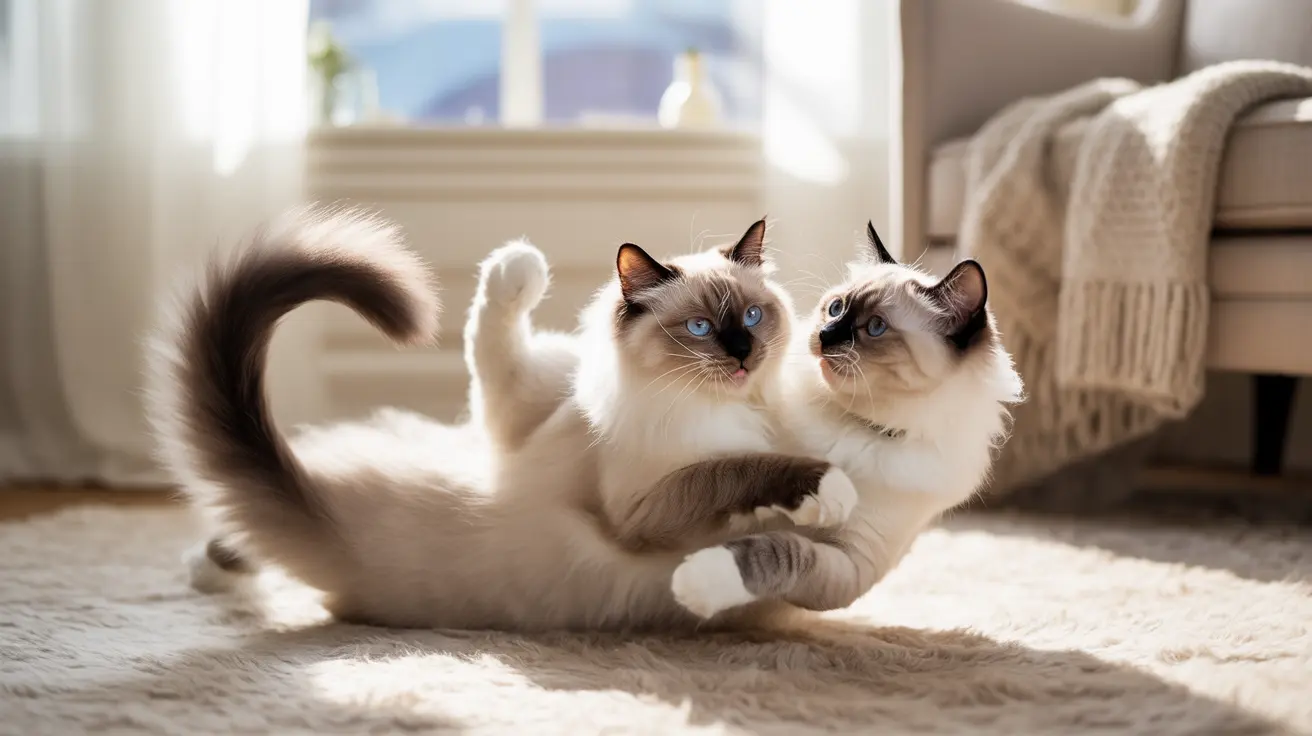
Grooming often marks these roles. Caretakers groom more, showing kindness and control. Followers groom less but accept attention to belong. These roles keep the group stable and safe. Recognizing these roles helps us understand cat behavior better.
Credit: www.petscare.com
What Is Dominance Grooming
Dominance grooming is a fascinating behavior observed in cats where one cat grooms another to establish or reinforce social hierarchy. This behavior goes beyond simple cleaning; it carries messages about power and relationships within a group. Understanding dominance grooming can help you interpret your cat’s social cues and interactions more clearly.
Behavioral Traits
Dominance grooming often involves one cat licking or nibbling another, especially around the head and neck. The dominant cat usually initiates and controls the grooming session, while the other cat remains passive or submissive. You might notice the dominant cat positioning itself over or beside the other to assert control.
Sometimes, the submissive cat will purr or relax, signaling acceptance of the dominant role. Watch for subtle signs like tail flicks or ear positions to understand the mood during grooming. Have you ever seen your cat insistently groom another and wondered why? That’s dominance grooming at work.
Purpose And Benefits
Dominance grooming serves several important purposes. It helps establish and maintain social order, reducing conflicts between cats by clarifying who leads. This reduces tension and creates a more peaceful environment for your feline friends.
Beyond hierarchy, this grooming also strengthens social bonds and builds trust. It can calm anxious cats and promote group cohesion. If your cats are grooming each other this way, it means they have a stable relationship, which benefits their overall wellbeing.
Have you noticed how your cats behave after a grooming session? Often, they seem more relaxed and content. This shows dominance grooming isn’t just about power—it’s also about care and connection.
Identifying Dominant Groomers
Recognizing a dominant groomer among cats can change how you understand their social dynamics. These cats often take charge during grooming sessions, influencing who gets attention and when. Spotting the signs helps you appreciate their role and manage group harmony better.
Common Signs
Dominant groomers usually initiate grooming more frequently than others. They often choose specific partners to groom repeatedly, showing clear preferences.
You might notice they control the grooming session’s pace and duration. If a cat interrupts others or insists on grooming a particular cat, it’s a strong hint of dominance.
- Starts grooming first and stops last
- Grooms multiple cats, not just one
- Sometimes refuses grooming from others
- Displays mild assertiveness, like gentle paw taps or nudges
Body Language Cues
Watch their posture during grooming. A dominant groomer often stands tall or positions itself above others. Their tail might be held high, signaling confidence.
Facial expressions matter too. Relaxed eyes and slow blinking can show comfort and control. In contrast, a submissive cat might lower its head or avoid eye contact.
| Body Language | Dominant Groomer | Submissive Groomer |
|---|---|---|
| Posture | Upright, often standing over others | Lowered body, crouching or turning away |
| Tail Position | High or straight up | Low or tucked |
| Eye Contact | Direct or slow blinking | Avoids eye contact or blinks quickly |
Have you noticed your cat’s grooming style affecting the group? Paying attention to these signs can help you better support your cats’ social needs.

Credit: tryfurgo.com
Grooming Techniques In Hierarchy
Grooming among cats is more than cleanliness. It helps set and maintain social order. Through specific grooming techniques, cats express dominance or submission. These behaviors form a complex hierarchy within groups. Understanding these patterns reveals how cats communicate respect and control.
Mutual Grooming Patterns
Mutual grooming occurs when cats lick each other’s fur. It builds bonds and reduces tension. Dominant cats often initiate grooming. They choose where to groom, usually the head or neck. Subordinate cats groom lower body parts. This pattern shows respect and acceptance of rank.
Grooming sessions can last several minutes. Cats take turns licking each other. This mutual care strengthens their relationship. It also keeps the peace within the group.
Subordinate Responses
Subordinate cats show submission by staying still during grooming. They often expose vulnerable areas like the belly or neck. This trust signals their lower status. Subordinates rarely start grooming dominant cats. Instead, they wait for the dominant cat’s gesture.
Sometimes, subordinates use gentle vocal sounds. This calms the dominant cat and avoids conflict. If a subordinate resists grooming, it may cause tension. Respectful grooming keeps hierarchy stable and reduces fights.
Impact On Cat Relationships
Dominance grooming plays a key role in shaping cat relationships. This behavior affects how cats interact and live together. It can either bring cats closer or create tension. Understanding this impact helps owners support better cat social lives.
Bond Strengthening
Dominance grooming often strengthens bonds between cats. It shows trust and acceptance within the group. Cats groom each other to share scents and create a sense of family.
This grooming helps cats feel safe and secure. It reduces stress and promotes calm behavior. Strong bonds mean cats are more likely to play and rest together peacefully.
Conflict Resolution
Dominance grooming can also help resolve conflicts. It acts as a peace offering after disagreements. One cat may groom another to show submission or apology.
This action lowers aggression and stops fights from escalating. It helps cats maintain harmony in their group. Grooming signals that no threat is present, calming tense situations.
Managing Multi-cat Households
Managing a household with multiple cats can be challenging, especially when it comes to grooming behaviors that reflect dominance. Cats use grooming not just to clean themselves but also to establish social hierarchies. Understanding how to manage these dynamics can help you maintain peace and promote healthy interactions among your feline companions.
Encouraging Healthy Grooming
Healthy grooming between cats often signals trust and bonding. You can encourage this behavior by providing plenty of grooming tools and comfortable spaces where cats feel safe. Pay attention to the way cats groom each other—mutual grooming usually means a good relationship.
If you notice one cat grooming another excessively or aggressively, gently redirect their attention with toys or treats. Ensure each cat has access to separate resources like food bowls and litter boxes to reduce competition. Have you noticed your cats grooming more after playtime or quiet moments? These times can be ideal for encouraging positive grooming habits.
Addressing Aggressive Behavior
Aggression during grooming can indicate stress or dominance struggles. Look for signs like growling, hissing, or swatting during grooming sessions. When you spot these behaviors, separate the cats briefly to let them calm down.
Introduce calming techniques such as pheromone diffusers or soft background music to reduce tension. Make sure each cat has its own private space to retreat to when feeling overwhelmed. What changes can you make in your home environment to reduce stress triggers for your cats?
Observing Changes In Grooming Behavior
Observing changes in your cat’s grooming behavior can reveal a lot about their well-being and mood. Grooming is not just about keeping clean; it reflects how your cat feels physically and emotionally. Paying close attention to shifts in grooming habits helps you spot issues before they escalate.
Stress Indicators
When a cat suddenly grooms less or more than usual, stress is often the cause. You might notice your cat obsessively licking certain areas, leading to bald patches or skin irritation. On the other hand, a stressed cat may stop grooming altogether, resulting in a messy or greasy coat.
Ask yourself: has anything changed in your cat’s environment recently? New pets, visitors, or loud noises can trigger stress. Observing these grooming changes can be your first clue to easing your cat’s anxiety.
Health Implications
Changes in grooming can also point to health problems. Excessive grooming might signal allergies, parasites, or skin infections. Conversely, poor grooming can indicate pain, arthritis, or dental issues that make self-care difficult.
Watch for additional signs like changes in appetite or behavior. If your cat suddenly stops grooming, it’s worth a vet visit to rule out underlying health concerns. Your cat’s grooming habits are a window into their health—you can’t afford to ignore them.

Credit: basepaws.com
Frequently Asked Questions
What Is Dominance Grooming In Cats?
Dominance grooming is when one cat licks another to assert control. It shows social hierarchy and strengthens bonds. The dominant cat often grooms submissive cats more frequently.
Why Do Cats Groom Each Other Aggressively?
Aggressive grooming may signal dominance or stress. It can involve excessive licking or biting. This behavior helps establish rank and maintain social order among cats.
How Can I Stop Dominance Grooming Problems?
Provide separate resources like food and litter boxes. Increase playtime and reduce stress. Observe interactions and intervene if grooming becomes harmful or obsessive.
Does Dominance Grooming Affect Cat Relationships?
Yes, it reinforces social hierarchy and bonding. Grooming helps cats feel secure but can cause tension if one cat feels overwhelmed.
Conclusion
Dominance grooming in cats shows their social bonds and hierarchy. Cats use grooming to build trust and calm each other. Watching these behaviors helps us understand their feelings better. Respecting their space and signals keeps peace at home. Every cat has a unique way to show care.
Observing grooming helps create a happier environment for your pet. Pay attention to these small actions—they speak volumes. Caring for cats means knowing their social world well.
