

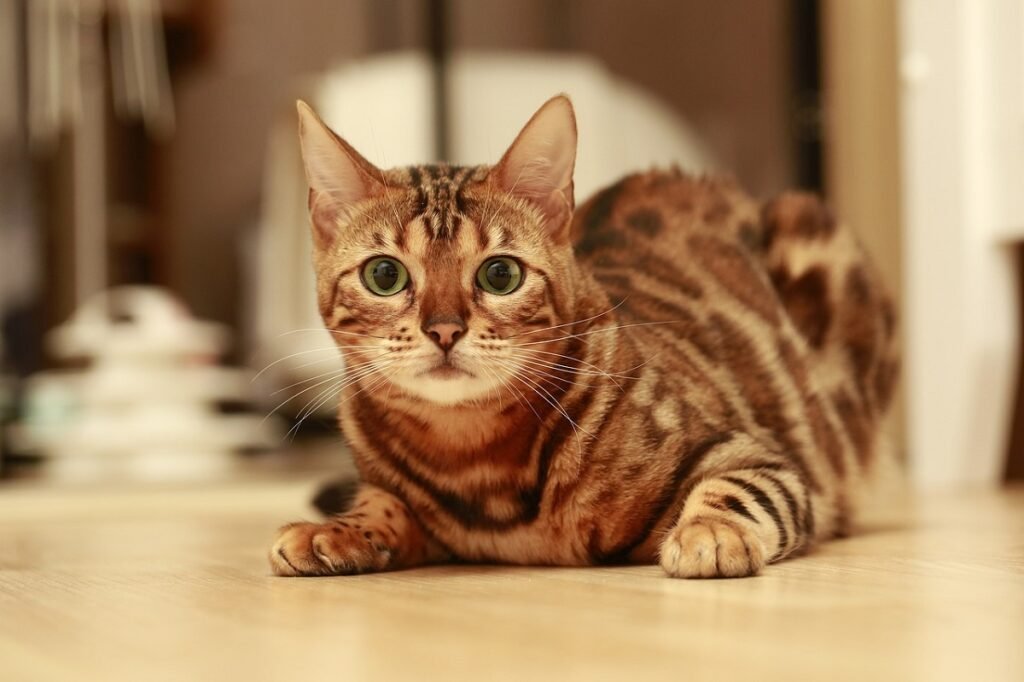
Are you curious about Domestic Shorthair cat breeds and what makes them so special? These cats are more than just pets—they’re companions full of personality and charm.
Whether you’re thinking about adding a furry friend to your home or just want to learn what sets these cats apart, this guide will give you clear, simple insights. You’ll discover why Domestic Shorthairs are loved by so many and how to recognize their unique traits.
Keep reading to find out everything you need to know about these amazing cats!
Origins Of Domestic Shorthair Cats
Domestic Shorthair cats have a rich and varied origin. They are not a single breed but a group of mixed-breed cats with short fur. Their history spans centuries, making them one of the most common and beloved pets worldwide.
Historical Background
Domestic Shorthair cats descend from ancient feline ancestors. These cats lived alongside humans for thousands of years. Early farmers valued them for their ability to control pests. They thrived in villages and towns across Europe and Asia.
Unlike purebred cats, Domestic Shorthairs were not selectively bred. They evolved naturally with diverse traits. This diversity helped them adapt to many environments. Over time, their coats became short, which suited indoor and outdoor living.
Evolution And Adaptation
Domestic Shorthairs adapted to different climates and lifestyles. Their short fur offers protection without overheating. These cats developed strong hunting skills and a friendly nature. Their varied colors and patterns reflect their mixed heritage.
Their adaptability makes them healthy and resilient pets. They can live happily in apartments or homes with yards. Domestic Shorthair cats continue to thrive because of their flexible nature and close bond with people.

Credit: www.adoptapet.com
Physical Traits And Appearance
Domestic Shorthair cats show a wide range of physical traits. Their appearance varies greatly because they are not a single breed but a mix. This variety makes them unique and charming. Their physical traits can tell you a lot about their personality and health.
Coat Colors And Patterns
Their coats come in many colors and patterns. Common colors include black, white, gray, orange, and brown. Patterns can be solid, striped, spotted, or patched. Some have classic tabby stripes, while others show a mix of colors.
- Solid colors like black or white
- Tabby stripes in brown or gray
- Calico or tortoiseshell patches
- Spotted or ticked patterns
Their short fur is easy to care for. It feels smooth and soft to touch. This variety in coat makes each Domestic Shorthair cat special.
Body Structure And Size
Domestic Shorthair cats have a medium to large build. They have strong, muscular bodies. Their legs are sturdy and well-proportioned. These cats are agile and active.
- Medium to large size
- Muscular and well-built
- Short, strong legs
- Round heads with alert eyes
They usually weigh between 8 and 15 pounds. Their body shape supports their playful nature. This structure helps them jump, climb, and explore easily.
Personality And Temperament
The Domestic Shorthair cat is often admired for its balanced and adaptable personality. Understanding their temperament helps you create a harmonious home environment where both you and your feline friend thrive. These cats bring a blend of independence and affection that can surprise many new cat owners.
Behavioral Characteristics
Domestic Shorthairs are known for their playful and curious nature. They enjoy interactive toys and exploring new spaces, which keeps them mentally stimulated.
Despite their adventurous side, they also have a calm and easygoing demeanor. Many owners notice how these cats can switch from energetic playtime to peaceful lap naps within minutes.
Have you observed how your cat responds to new people or changes at home? Domestic Shorthairs usually adjust quickly, showing a resilience that makes them less prone to stress.
Suitability As Family Pets
These cats are often excellent companions for families with children or other pets. Their tolerant attitude means they handle noise and activity well without becoming overwhelmed.
If you want a cat that can engage with kids but also enjoy quiet moments, the Domestic Shorthair fits the bill. Their social nature encourages bonding, but they also respect boundaries when needed.
Think about your household’s energy level: does it match a pet that thrives on both interaction and relaxation? Domestic Shorthairs can adapt to various lifestyles, making them a versatile choice for many homes.
Health And Lifespan
Domestic Shorthair cats are known for their robust health and long lifespan. These cats often live between 12 to 16 years, sometimes even longer. Their mixed ancestry gives them a strong genetic makeup, reducing the risk of many inherited diseases. Still, understanding common health issues helps owners keep their pets happy and healthy.
Common Health Issues
- Obesity due to overeating and inactivity
- Dental problems like gingivitis and tartar buildup
- Urinary tract infections and bladder stones
- Kidney disease, especially in older cats
- Respiratory infections from viruses or bacteria
Regular vet check-ups catch these issues early. Early treatment improves recovery and quality of life.
Care Tips For Longevity
- Feed a balanced diet with proper nutrients
- Provide fresh water daily to prevent dehydration
- Keep the cat active with toys and playtime
- Brush teeth regularly to avoid dental diseases
- Schedule annual vet visits for health screenings
- Maintain a clean litter box to prevent infections
Good care helps Domestic Shorthairs live longer and stay energetic. A healthy cat is a happy cat.
Popular Domestic Shorthair Varieties
Domestic Shorthair cats come in many beautiful and unique varieties. Each type has its own colors and patterns. These cats are popular for their friendly nature and easy care. Their short fur makes grooming simple. Many people love these cats for their striking looks and playful personalities.
Tuxedo Cats
Tuxedo cats have a striking black and white coat. Their fur pattern looks like a formal suit. They often have white paws, chest, and face markings. These cats are playful and smart. Many people find their sharp contrast very charming.
Tabby Cats
Tabby cats show a striped or spotted pattern on their fur. Their colors range from brown to gray and orange. Tabby cats often have a distinct “M” shape on their forehead. They are known for being affectionate and curious. This pattern is one of the most common in Domestic Shorthairs.
Calico And Tortoiseshell Cats
Calico cats have three colors: white, black, and orange. Their patches of color are bright and bold. Tortoiseshell cats mix black and orange with no white. Both types are mostly female. They are loved for their lively personalities and colorful coats.

Credit: worldanimalfoundation.org
Grooming And Maintenance
Grooming and maintenance play a key role in keeping your Domestic Shorthair cat healthy and happy. Although their short fur requires less effort than long-haired breeds, regular care still prevents hairballs and skin issues. Understanding the right techniques makes the experience pleasant for both you and your feline friend.
Brushing Techniques
Brushing your Domestic Shorthair regularly helps remove loose fur and reduces shedding around your home. Use a soft-bristle brush or a grooming glove to gently stroke your cat’s coat in the direction of hair growth. This not only keeps the fur smooth but also strengthens your bond.
Try brushing for a few minutes each day or at least twice a week to keep mats and tangles away. If your cat enjoys it, extend the time; if not, keep sessions short and sweet. Notice how your cat reacts and adjust your technique to make grooming a calming routine.
Bathing And Nail Care
Bathing a Domestic Shorthair isn’t usually necessary unless they get into something messy. When you do bathe them, use warm water and a mild cat shampoo to avoid irritating their skin. Be sure to rinse thoroughly and dry your cat quickly to prevent chills.
Nail care is just as important as fur maintenance. Trim your cat’s nails every couple of weeks to prevent overgrowth and scratching damage. If your cat resists, try trimming a few nails at a time and reward them with treats, turning nail care into a positive experience.
Feeding And Nutrition
Feeding and nutrition are vital for the health of Domestic Shorthair cats. Good nutrition supports their energy, growth, and overall well-being. A balanced diet helps maintain a shiny coat and strong muscles. Understanding what to feed ensures your cat stays happy and active.
Dietary Requirements
Domestic Shorthair cats need protein as their main energy source. Meat and fish are excellent protein providers. Cats also require fats for energy and healthy skin. Essential vitamins and minerals keep their body functions in check. Water is crucial to avoid dehydration. Avoid feeding cats large amounts of carbohydrates. Cats are obligate carnivores, so their diet must focus on animal-based nutrients.
Recommended Foods
- High-quality commercial cat food with balanced nutrients
- Cooked chicken or turkey without seasoning
- Small amounts of cooked fish like salmon
- Wet food to help with hydration
- Fresh water available at all times
Avoid giving cats onions, garlic, chocolate, or dairy products. These can harm their health. Feeding small, frequent meals suits Domestic Shorthairs well. Watch for any signs of food allergies or intolerance. Adjust their diet based on age, weight, and activity level.

Credit: goofytails.com
Training And Socialization
Training and socialization play a crucial role in shaping your Domestic Shorthair cat’s behavior and happiness. These cats are smart and adaptable, but they need clear guidance and early social experiences to thrive. Helping your cat adjust to your home and family will create a stronger bond and reduce stress for both of you.
Litter Training
Domestic Shorthair cats usually catch on to litter training quickly, especially if you start young. Set up a clean, quiet litter box in an accessible spot and keep it consistent. Cats dislike dirty litter boxes, so scoop daily and change the litter regularly to encourage use.
If accidents happen, avoid punishment. Instead, gently place your cat in the litter box after meals or naps to reinforce the habit. You might notice your cat prefers certain types of litter or box styles—pay attention and adjust accordingly to make them comfortable.
Introducing To Other Pets
Introducing your Domestic Shorthair to other pets needs patience and slow steps. Start by letting them sniff each other’s bedding before any face-to-face meeting. This helps them get familiar with new scents without feeling threatened.
When they finally meet, keep interactions short and calm. Use treats to reward gentle behavior and watch for signs of stress or aggression. Gradually increase their time together as they grow more comfortable, but always give your cat a safe space to retreat if needed.
Adopting A Domestic Shorthair
Adopting a Domestic Shorthair cat brings joy and companionship to any home. These cats are known for their friendly nature and adaptability. They come in many colors and patterns, making each one unique. Many people choose Domestic Shorthairs because they are low-maintenance and healthy. Bringing one into your family means opening your heart to a loving pet.
Finding A Reputable Source
Start by searching local animal shelters and rescue groups. Many Domestic Shorthairs are waiting for homes there. Visit the shelter to meet the cats and ask questions. Reputable sources will provide health records and details about the cat’s personality. Avoid buying from pet stores or unknown breeders. Focus on places that care about the cats’ well-being. Adoption fees usually cover vaccinations and spaying or neutering. This helps ensure the cat is ready for a new home.
What To Expect
Domestic Shorthairs are often easy to care for. They enjoy playtime and short naps throughout the day. These cats usually get along well with children and other pets. Some may be shy at first but warm up quickly. Expect regular feeding, litter box cleaning, and vet visits. Each cat has its own personality, so patience is key. Over time, you will build a strong bond and enjoy many happy moments together.
Frequently Asked Questions
What Are Domestic Shorthair Cat Breeds?
Domestic Shorthair cats are mixed-breed cats with short coats. They are not a specific breed but a group of cats with diverse appearances and personalities. They are popular pets due to their friendly nature and low grooming needs.
How To Identify A Domestic Shorthair Cat?
Domestic Shorthairs have short, dense fur and come in many colors and patterns. They have a sturdy body, round eyes, and a medium-sized frame. Their mixed heritage means their looks can vary widely.
Are Domestic Shorthair Cats Good Pets?
Yes, Domestic Shorthairs are affectionate, playful, and adaptable. They adjust well to different homes and lifestyles. Their low grooming needs and robust health make them great companions for families.
What Health Issues Affect Domestic Shorthair Cats?
Domestic Shorthairs are generally healthy due to genetic diversity. However, they can face common cat issues like obesity and dental problems. Regular vet checkups help maintain their wellbeing.
Conclusion
Domestic Shorthair cats bring joy with their friendly, calm nature. They adapt well to many homes and families. Their short coats need little grooming, making care easy. These cats come in many colors and patterns, each unique. They offer great companionship without needing special care.
Choosing a Domestic Shorthair means adding a loving pet to your life. Their playful spirit and gentle heart make them special friends. A perfect choice for first-time cat owners or anyone. Simple, loving, and low maintenance—Domestic Shorthairs fit well in any home.
