

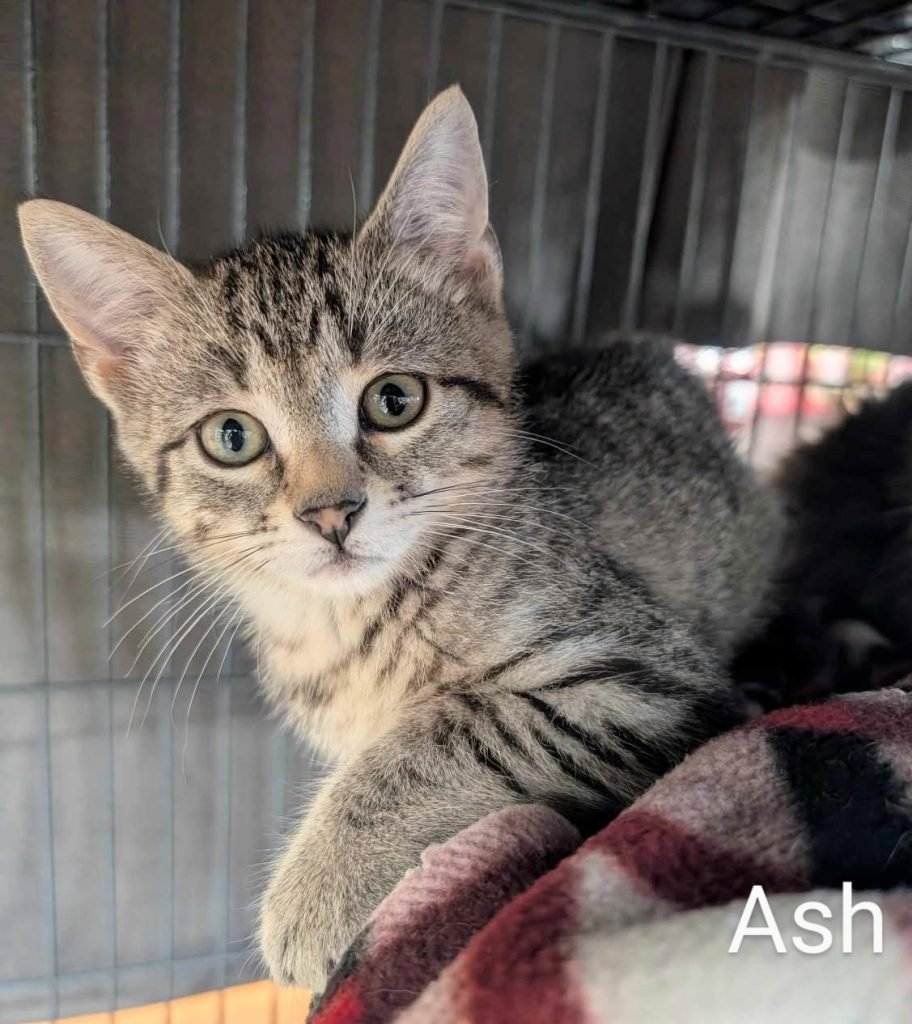
Are you thinking about welcoming a furry friend into your home? A domestic shorthair cat might just be the perfect addition to your family.
These charming cats are known for their friendly nature, low maintenance, and delightful personalities. By adopting a domestic shorthair cat, you not only gain a loving companion but also contribute to giving a deserving animal a second chance at happiness.
Imagine the joy and warmth this little feline can bring into your life. Keep reading to discover why adopting a domestic shorthair cat could be one of the best decisions you ever make.
Why Choose A Domestic Shorthair
Domestic Shorthair cats make wonderful pets for many reasons. They are easy to care for and have great personalities. These cats fit well into most homes and lifestyles. Choosing a Domestic Shorthair means welcoming a loving and low-maintenance companion.
Traits And Temperament
Domestic Shorthairs are friendly and playful. They enjoy attention but also appreciate quiet time. These cats are curious and intelligent, making them fun to watch. They get along well with children and other pets. Their gentle nature makes them great family members.
Health And Longevity
These cats are known for strong health and long lives. Their mixed ancestry helps reduce inherited diseases. Regular vet visits keep them fit and active. Domestic Shorthairs often live 12 to 15 years or more. Their resilience makes them a smart choice for pet owners.
Adaptability To Homes
Domestic Shorthairs adjust quickly to different living spaces. They thrive in apartments or large houses. These cats adapt well to changes in routine or environment. Their flexible nature helps them settle in new families easily. This makes them excellent pets for many lifestyles.
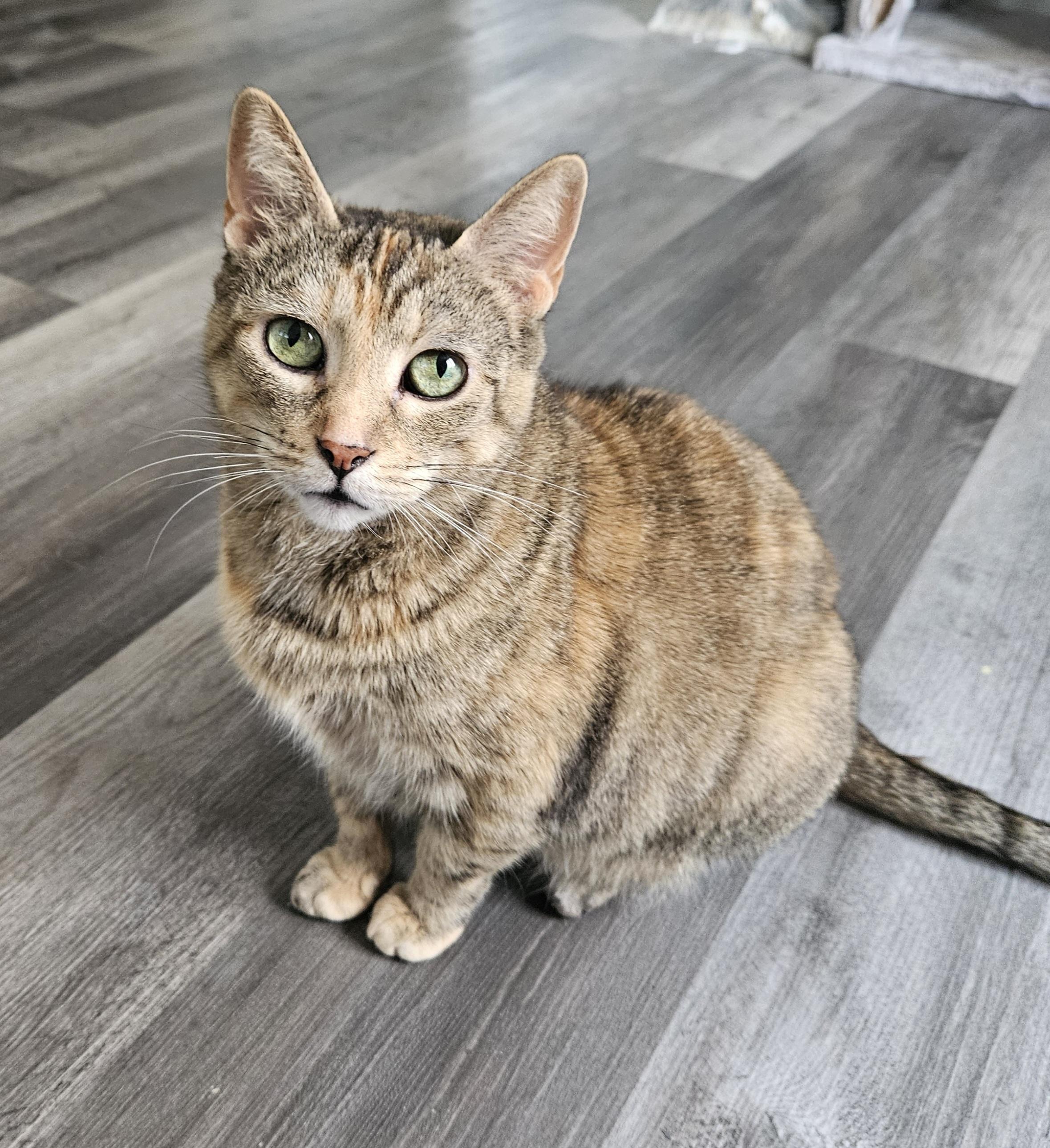
Credit: www.petfinder.com
Where To Find Domestic Shorthairs
Domestic Shorthair cats are widely loved for their friendly nature and easy care. Finding one to adopt can be simple with the right information. Various places offer these cats for adoption, each with unique benefits. Knowing where to search helps you find a cat that fits your home and lifestyle.
Animal Shelters
Animal shelters house many cats, including Domestic Shorthairs. Shelters often have cats of all ages and personalities. Visiting a local shelter lets you meet cats in person. Shelter staff can guide you to cats that match your needs. Adopting from shelters supports animal care and rescue efforts.
Rescue Groups
Rescue groups focus on saving cats from difficult situations. They often have Domestic Shorthairs needing new homes. Rescue volunteers provide detailed health and behavior info. These groups may offer foster programs to see a cat in a home. Adopting through rescue groups helps cats get a second chance.
Online Adoption Platforms
Online platforms list many cats available for adoption. You can search by breed, age, and location. Photos and descriptions help you choose a cat before meeting. Some sites allow direct contact with shelters or rescue groups. Online adoption saves time and widens your search options.
Preparing Your Home
Getting your home ready for a Domestic Shorthair cat means more than just opening the door. It’s about creating a welcoming and safe environment where your new furry friend can thrive. Preparing thoughtfully helps reduce stress for both you and your cat, making the transition smoother and more enjoyable.
Essential Supplies
Start by gathering the basics your cat will need every day. These include a sturdy litter box with unscented litter, food and water bowls, and a comfortable bed.
- Choose a litter box size that fits your cat comfortably and place it in a quiet, low-traffic area.
- Pick food bowls that are easy to clean and keep water fresh by refilling it daily.
- A soft bed placed near a warm spot encourages your cat to settle in and feel secure.
Don’t forget toys and scratching posts. They keep your cat active and protect your furniture. What items do you think would make your cat’s day better?
Safe Spaces For Cats
Cats need places where they feel safe and can retreat when they want to rest or hide. Creating these quiet zones around your home helps your new pet adjust faster.
- Set up a cozy nook with blankets or a cat tent in a corner away from noise.
- Use shelves or cat trees to provide elevated spots where your cat can observe without being disturbed.
- Close off any areas that could be dangerous, like rooms with heavy machinery or open windows without screens.
Have you noticed how cats often pick the smallest, quietest spots to relax? Giving them those options shows respect for their nature and builds trust.
Family Considerations
Everyone in your household needs to be on the same page about caring for the new cat. Clear communication helps avoid confusion and sets consistent routines.
- Discuss who will feed, clean the litter box, and spend time playing each day.
- Explain to children how to handle the cat gently and recognize when it needs space.
- Agree on rules about where the cat can roam, especially if you have other pets.
Have you thought about how your family’s daily rhythm will change with a cat in the house? Preparing together makes the experience richer and more rewarding.
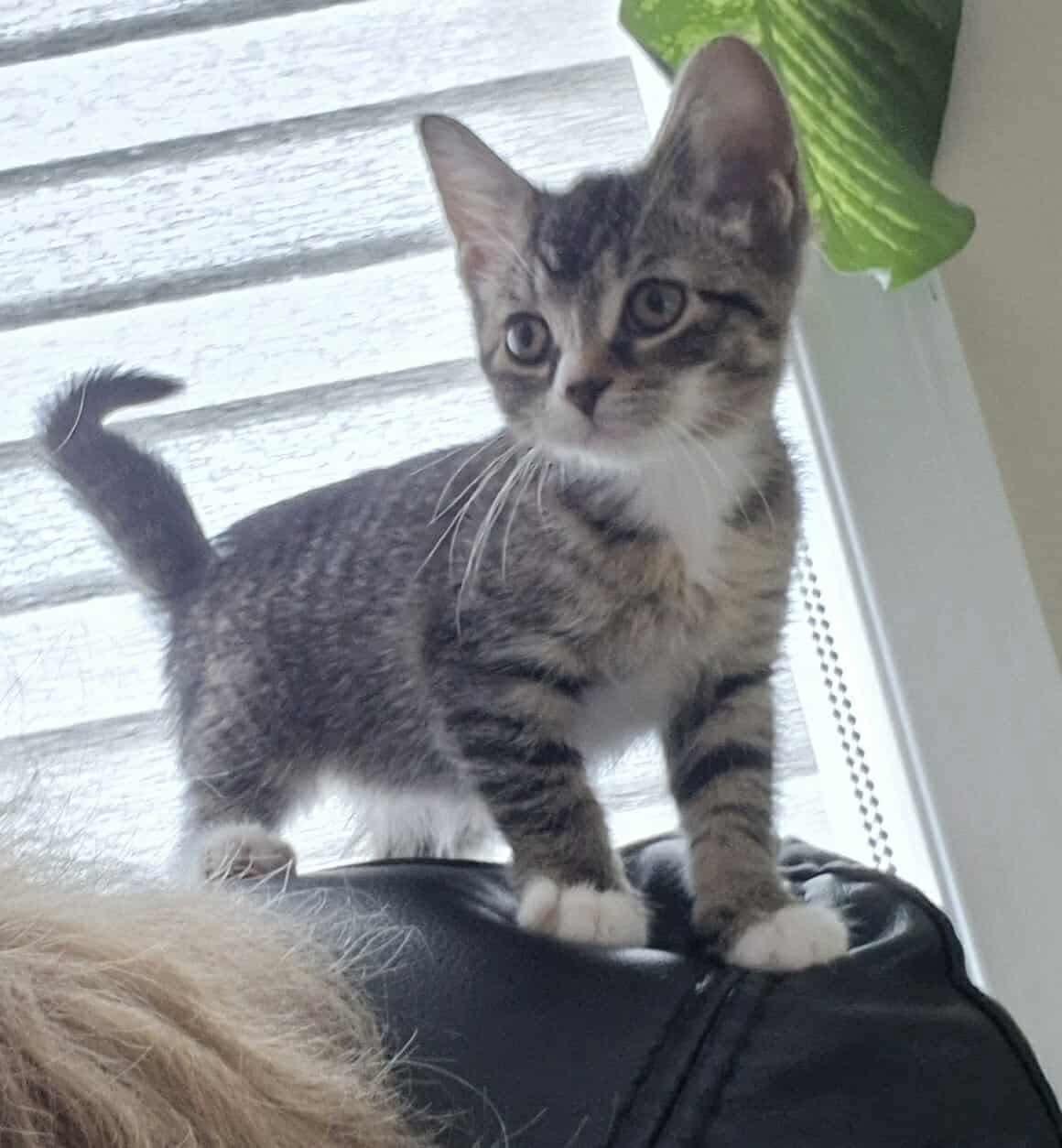
Credit: www.petfinder.com
Adoption Process Steps
Adopting a Domestic Shorthair cat involves clear steps to ensure a good match. The process helps both the cat and adopter feel comfortable and safe. Each stage is important for a smooth transition into a new home.
Application And Screening
Start by filling out an adoption application. This form asks about your home, lifestyle, and pet experience. Shelters use it to find the best fit for the cat. Expect questions about other pets, children, and your daily routine. The screening may include a phone call or interview. This helps confirm you can provide proper care.
Meet And Greet Tips
Meeting the cat is exciting and essential. Choose a quiet time to visit the shelter or foster home. Let the cat approach you first. Use soft voices and slow movements. Watch the cat’s behavior and comfort level. Bring treats or toys to build trust. Spend enough time to see how you connect.
Finalizing Adoption
Once you decide to adopt, complete the paperwork. Pay any adoption fees required by the shelter. Ask about vaccinations, spaying or neutering, and medical history. Prepare your home with food, litter, and a safe space. Plan to bring the cat home gently and calmly. Follow the shelter’s advice for the first days.
Introducing Your Cat To Family And Pets
Introducing your Domestic Shorthair cat to your family and pets requires patience and care. Each cat has a unique personality, so the process might take time. Your goal is to create a safe and calm environment where everyone can feel comfortable and start building positive relationships.
First Days At Home
The first days are crucial for setting the tone of your cat’s new life. Provide a quiet space with food, water, and a litter box where your cat can retreat. Avoid overwhelming them with too many people or loud noises right away.
Spend time sitting quietly nearby and let your cat explore at their own pace. You might notice your cat hiding or staying still—this is normal as they adjust to new surroundings. Have you noticed how your cat’s behavior changes after a few days of calm?
Managing Pet Introductions
Introducing your cat to other pets should be gradual and controlled. Start by allowing them to sniff each other’s scent without direct contact. You can swap bedding or use a cloth to transfer scents between them.
When you feel they are ready, try brief, supervised meetings. Keep these encounters short and positive, rewarding calm behavior with treats or praise. Watch for signs of stress or aggression, and separate them if needed.
Building Trust And Bonding
Building trust takes time and consistent, gentle interaction. Use soft tones and slow blinking to communicate safety and affection. Play with your cat using toys to encourage positive experiences.
Make bonding a daily habit by setting aside moments for petting or grooming. Over time, your cat will associate you with comfort and security. What small routine can you start today to strengthen your connection?

Credit: etobicokehumanesociety.com
Ongoing Care For Domestic Shorthairs
Taking care of a Domestic Shorthair goes beyond just bringing them home. Their well-being depends on consistent attention to their needs every day. Understanding how to meet these needs helps your cat stay healthy and happy for years.
Nutrition And Feeding
Your Domestic Shorthair thrives on a balanced diet tailored to their age, weight, and activity level. Quality protein is key—look for cat foods where meat is the first ingredient. Avoid overfeeding; obesity can lead to serious health issues.
Try feeding smaller meals multiple times a day instead of one large meal. This approach mimics their natural hunting pattern and keeps their energy stable. Have you noticed how your cat reacts when given a mix of wet and dry food? Many cats enjoy variety, and wet food also helps with hydration.
Regular Vet Visits
Routine veterinary check-ups catch health problems early before they become serious. Vaccinations, dental exams, and parasite control are all part of these visits. Your vet can advise you on the best preventive care for your cat’s specific needs.
Have you ever skipped a vet visit because your cat seemed fine? Remember, cats often hide illness well. Regular visits ensure you don’t miss subtle signs of discomfort or disease.
Exercise And Enrichment
Domestic Shorthairs are curious and active cats who need daily exercise to stay fit. Provide toys that encourage chasing and pouncing, like feather wands or laser pointers. Puzzle feeders can stimulate their minds while providing physical activity.
Consider setting up climbing spaces or window perches to keep your cat entertained. Does your cat have favorite spots or toys? Rotate these regularly to keep their environment exciting. A bored cat may develop unwanted behaviors, so keeping them busy protects both of you.
Common Challenges And Solutions
Adopting a Domestic Shorthair cat brings joy and companionship. Challenges come with it too. Understanding these common issues helps create a happy home for your new friend.
Behavioral Issues
Some Domestic Shorthair cats may scratch furniture or hide. This behavior often shows stress or boredom. Provide toys and scratching posts for play and exercise. Offer quiet spaces where your cat can feel safe. Spend time daily to build trust and reduce anxiety.
Health Concerns
Regular vet visits keep your cat healthy. Watch for signs like loss of appetite or changes in litter box habits. Vaccinations and flea control are important. Keep a balanced diet and clean water always available. Early detection of illness makes treatment easier.
Adjusting To New Environments
Moving to a new home can confuse cats. Limit their space at first with familiar blankets or toys. Let them explore slowly and at their own pace. Keep daily routines steady for feeding and playtime. Patience helps your cat feel comfortable and secure.
Frequently Asked Questions
What Is A Domestic Shorthair Cat?
A Domestic Shorthair cat is a mixed-breed cat with short fur. They have diverse colors and patterns. They are friendly, adaptable, and low-maintenance pets, making them ideal for families and first-time cat owners.
How To Adopt A Domestic Shorthair Cat?
To adopt, visit local shelters or rescue groups. Choose a cat that matches your lifestyle. Complete an adoption application and pay fees. Prepare your home with necessary supplies before bringing your new pet home.
Are Domestic Shorthair Cats Good For Families?
Yes, Domestic Shorthair cats are affectionate and sociable. They generally get along well with children and other pets. Their easygoing nature makes them suitable for busy households and family environments.
What Health Issues Affect Domestic Shorthair Cats?
Domestic Shorthair cats are generally healthy with fewer genetic issues. Regular vet checkups, vaccinations, and a balanced diet help prevent common cat illnesses. They are robust but can occasionally face dental or obesity problems.
Conclusion
Adopting a Domestic Shorthair cat brings joy and comfort to your home. These cats are friendly, low-maintenance, and full of personality. They adapt well to different living spaces and families. Giving a cat a loving home saves a life and creates a special bond.
Consider visiting your local shelter to meet these wonderful pets. A Domestic Shorthair could be your perfect companion. Take the step today for a happier tomorrow.
