

If you have a Domestic Longhair cat, you know how beautiful and fluffy they are. But keeping that soft fur smooth and tangle-free can be a challenge.
You might wonder how often to groom your cat or what tools work best. This guide will help you take the best care of your furry friend’s coat. By learning simple grooming tips, you’ll make your cat feel comfortable and look amazing.
Ready to discover the secrets to easy and effective Domestic Longhair cat grooming? Keep reading!
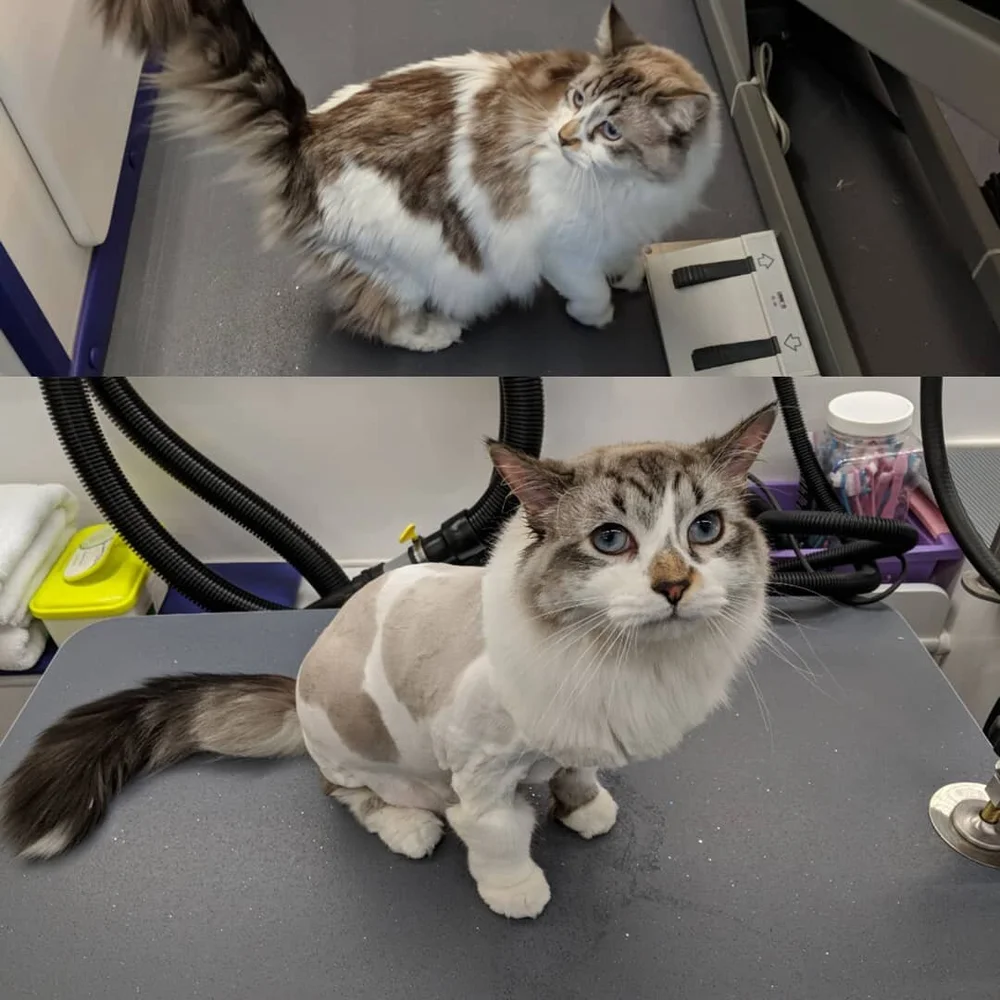
Credit: www.squeakycleangrooming.com
Coat Characteristics
The Domestic Longhair cat has a beautiful, thick coat that needs regular care. Its fur is soft and silky, but also dense. Understanding the coat’s features helps keep your cat healthy and comfortable. Regular grooming prevents mats and tangles. It also helps control shedding and keeps the fur shiny.
Fur Texture And Length
The fur of a Domestic Longhair is long and soft. It feels smooth to touch and flows easily. The length can vary from medium to very long. The coat has two layers:
- Undercoat:Soft and dense, it provides warmth.
- Topcoat:Longer guard hairs protect the undercoat.
This combination makes the fur thick and fluffy. The texture may change with seasons. In winter, the coat becomes fuller. In summer, it thins to keep the cat cool.
Shedding Patterns
Domestic Longhairs shed more than short-haired cats. Shedding increases in spring and fall. This is when they lose old fur to grow new fur.
Regular brushing reduces loose fur around your home. It also prevents hairballs from swallowing shed fur. Watching shedding patterns helps you groom at the right time. This keeps your cat’s coat neat and healthy all year.
Daily Grooming Routine
Keeping your Domestic Longhair cat looking and feeling great takes a steady daily grooming routine. Regular attention helps prevent mats and tangles, reduces shedding around the house, and strengthens the bond you share. You might be surprised how a few simple steps can make grooming a stress-free part of your day.
Brushing Techniques
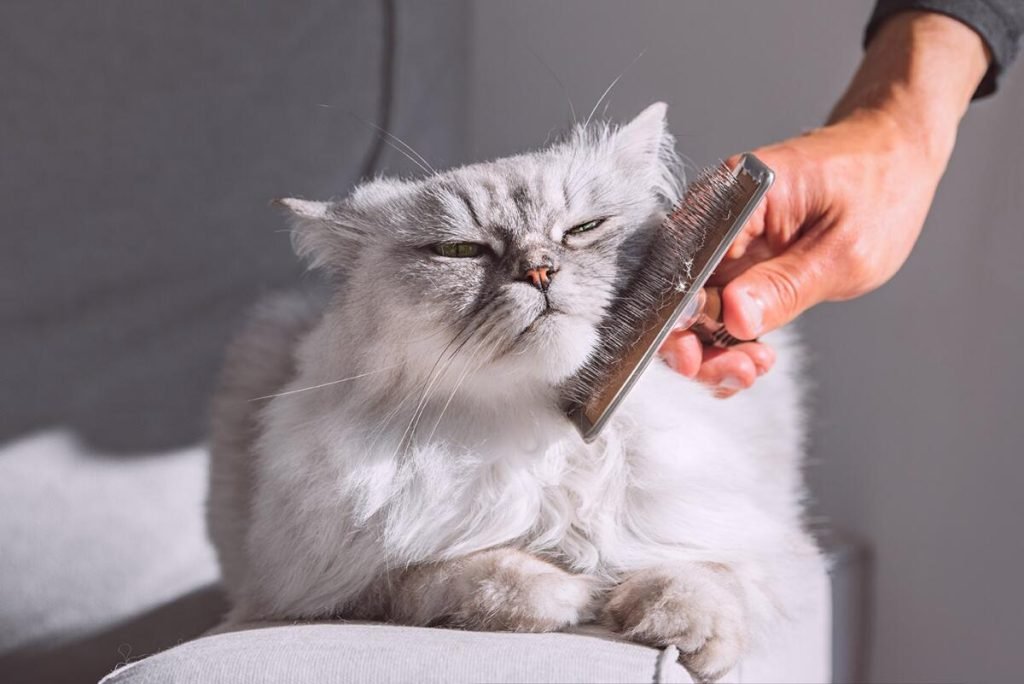
Choose a slicker brush or a wide-toothed comb designed for long fur. Start brushing gently from the head, moving toward the tail. Use slow, even strokes to avoid pulling on your cat’s skin.
Pay special attention to areas where mats form easily, like behind the ears and under the legs. Brushing in the direction of hair growth keeps your cat comfortable and helps you catch any skin issues early. Have you noticed how your cat responds when you brush more gently versus quickly?
Handling Mats And Tangles
When you encounter mats, don’t panic. Hold the fur close to the skin to reduce pulling, then carefully work through the mat with your fingers or a dematting comb.
If a mat is stubborn, use a small pair of rounded-tip scissors to trim it out, but only if you’re confident. Otherwise, a professional groomer is the safest choice. Regular brushing prevents mats, but knowing how to handle them calmly can save both you and your cat from frustration.
Bathing Tips
Bathing a Domestic Longhair cat can be a challenge. These cats usually groom themselves well. Bathing should only happen when necessary. Knowing when and how to bathe your cat keeps it safe and calm. The following tips help you understand the best bathing practices for your longhaired friend.
When To Bathe
Bathing is not needed often for Domestic Longhair cats. Their thick fur helps keep them clean. Bathe your cat only if:
- It gets very dirty or sticky.
- It has fleas or other pests.
- It has a skin condition that needs treatment.
- Your vet recommends a bath.
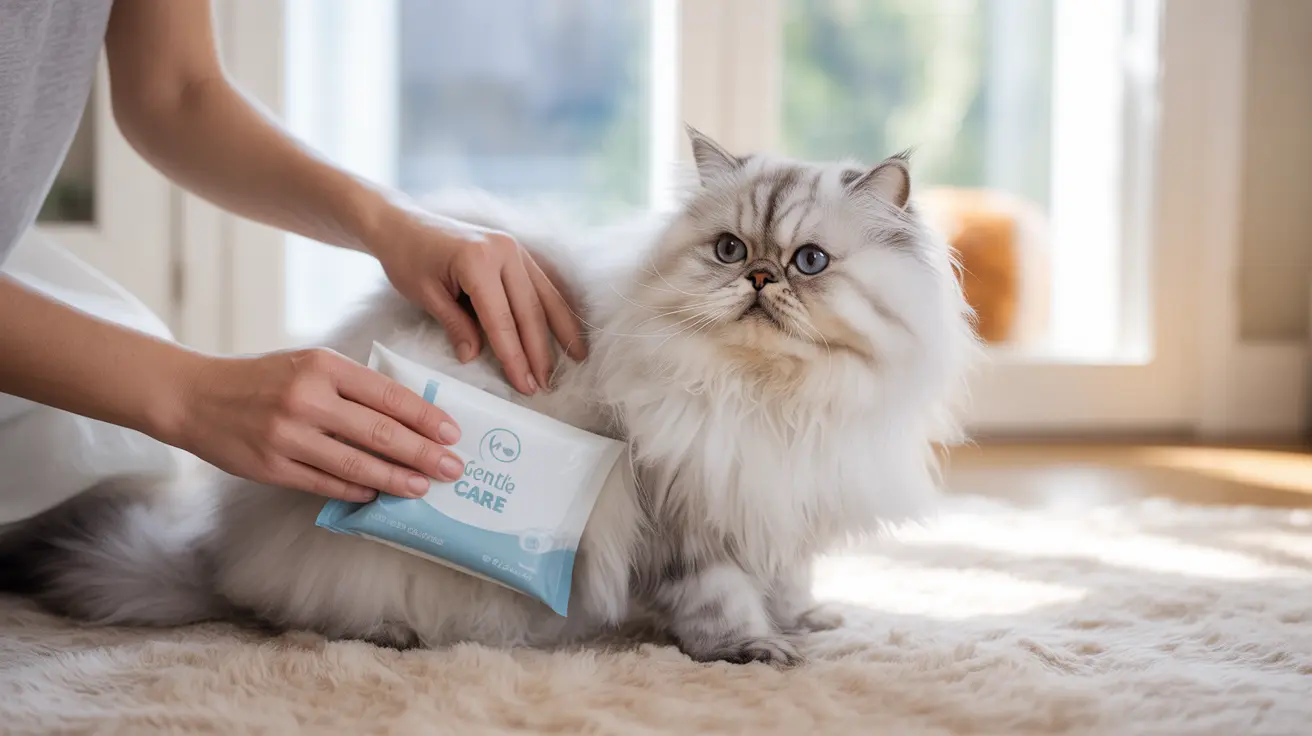
Avoid frequent baths. Too much washing can dry out their skin. Spot cleaning with a damp cloth often works better.
Safe Bathing Practices
Prepare everything before starting a bath. Use a shallow tub or sink with warm water. The water should be just warm, not hot. Use cat-friendly shampoo only. Human shampoos can hurt your cat’s skin.
- Brush your cat first to remove loose hair.
- Keep the water level low to avoid stress.
- Wet your cat gently and avoid the face and ears.
- Apply shampoo carefully and rinse well.
- Use a towel to dry your cat quickly.
- Keep the room warm until your cat is dry.
Stay calm and speak softly during the bath. This helps your cat feel safe. Never force your cat if it struggles too much. Try again another day or ask a professional for help.
Credit: www.petscare.com
Nail Care
Nail care is an important part of grooming a Domestic Longhair cat. Keeping nails trimmed helps avoid pain and injury. It also protects your furniture and skin from scratches. Regular nail care supports your cat’s comfort and health.
Trimming Basics
Use special nail clippers made for cats. Hold your cat’s paw gently but firmly. Look for the pink part inside the nail. Avoid cutting this area to prevent pain and bleeding.
Cut small tips only. Trim nails every two to three weeks. If your cat resists, take breaks and try again later. Praise and treats help make trimming easier.
Preventing Scratches
Trim nails before they get too long. Long nails can catch on fabrics and skin. Use soft scratching posts to redirect scratching behavior. Regular trimming makes nails less sharp.
Cover nails with soft nail caps if needed. Keep your cat’s claws smooth to protect your home. Monitor nail length to keep scratches under control.
Ear And Eye Maintenance
Ear and eye care is crucial for Domestic Longhair cats. These areas can collect dirt and wax, causing discomfort. Regular cleaning helps avoid infections and keeps your cat healthy.
Check ears and eyes often to spot issues early. Clean gently to prevent irritation. This care supports your cat’s overall well-being.
Cleaning Methods
Use a soft, damp cloth to wipe around the eyes. Avoid touching the eyeball directly. For ears, a cotton ball works well. Never insert anything deep into the ear canal.
Special pet ear cleaners can help remove excess wax. Apply a small amount on the cotton ball, then gently clean the outer ear. Repeat weekly or as needed.
- Use lukewarm water or vet-approved wipes for eye cleaning
- Remove crusts or discharge carefully
- Dry ears with a soft towel after cleaning
Signs Of Infection
Look for redness, swelling, or bad odor in ears. Excessive scratching or head shaking can also signal a problem. Watery, cloudy, or red eyes need attention.
Discharge that is yellow, green, or thick is a warning sign. Your cat may show discomfort or sensitivity around these areas.
Prompt vet visits help treat infections before they worsen. Early care prevents pain and serious health issues.

Credit: catit.ca
Diet And Hydration
Diet and hydration play a huge role in keeping your Domestic Longhair’s coat shiny and healthy. What your cat eats and drinks directly affects the texture, strength, and appearance of their fur. You might notice a dull coat or excessive shedding if their nutritional needs aren’t met.
Impact On Coat Health
Your cat’s coat reflects what’s inside their body. A balanced diet rich in essential nutrients supports skin health and fur growth. Without enough protein, omega fatty acids, and vitamins, the coat can become brittle or patchy.
Hydration also matters. Cats often don’t drink enough water on their own, which can dry out their skin and cause flakes or itching. Have you ever seen your cat’s fur looking less vibrant after skipping water for a day? That’s a clear sign hydration affects coat quality.
Recommended Foods
Focus on foods that provide high-quality protein since cats are obligate carnivores. Chicken, turkey, and fish are excellent choices to support strong fur. Look for cat foods that list these as main ingredients.
Omega-3 and omega-6 fatty acids are vital. These come from sources like fish oil, flaxseed, or certain animal fats. You can add a small amount of fish oil supplement to their meals if the food lacks these fats.
- Wet food helps with hydration and often contains more nutrients beneficial for coat health.
- Dry food can be part of the diet but ensure your cat drinks plenty of water alongside it.
- Adding a bit of cooked egg occasionally can boost protein intake and add shine to the coat.
Have you tried switching to a diet richer in these nutrients and noticed a difference in your cat’s grooming needs or coat condition? Observing changes can guide you in fine-tuning their meals for the best fur results.
Common Grooming Challenges
Grooming a Domestic Longhair cat comes with its own set of challenges that can test your patience and skills. Understanding these common hurdles prepares you to handle them effectively and keeps your feline friend comfortable and healthy. Let’s dive into some of the most frequent grooming difficulties you might face.
Dealing With Shedding
Shedding can feel endless with a Domestic Longhair. Their thick coat means you’ll find fur everywhere—on clothes, furniture, and floors. Regular brushing helps reduce loose hair, but it’s not a one-time fix; you’ll need to make it a consistent habit.
Using a slicker brush or a comb designed for long fur can catch more shedding hair before it falls off. Try brushing your cat in short sessions daily to prevent fur balls and matting. Have you noticed your cat shedding more during certain seasons? Adjust your grooming routine accordingly.
Managing Sensitive Cats
Some Domestic Longhairs dislike grooming and may become anxious or aggressive. Understanding your cat’s body language is key to making the experience less stressful. Watch for signs like flattened ears or twitching tails to know when to pause or try a gentler approach.
Start grooming sessions slowly, rewarding your cat with treats or gentle petting to build positive associations. If your cat resists, try shorter, more frequent sessions instead of one long one. Could changing the grooming tools or location make your cat more comfortable?
When To Seek Professional Help
Knowing when to seek professional help with your Domestic Longhair cat’s grooming can save you and your pet a lot of stress. While regular brushing at home is essential, some situations demand expert care. Recognizing these signs early ensures your cat stays comfortable and healthy.
Recognizing Grooming Issues
Is your cat constantly scratching, or do you notice bald patches in their fur? These could be signs of skin irritation or parasites that need professional attention. Matted fur is another red flag; it can cause pain and restrict movement.
Sometimes, your cat may resist grooming because of underlying health problems. If your pet becomes unusually aggressive or fearful during brushing, it might be time to consult a groomer or vet. Don’t wait until mats become severe or skin problems worsen—early intervention is key.
Choosing A Groomer
Finding the right groomer means looking beyond just convenience. Ask about their experience with Domestic Longhair cats specifically, as these cats need gentle handling and specialized techniques. You can visit the salon beforehand to check cleanliness and how staff interact with animals.
Consider groomers who offer a trial session or a consultation to discuss your cat’s needs. You want someone who listens and adjusts their approach to suit your cat’s personality. Have you checked reviews or asked fellow cat owners for recommendations? This can give you valuable insights before making a choice.
Frequently Asked Questions
How Often Should I Groom A Domestic Longhair Cat?
You should groom your Domestic Longhair cat at least 3-4 times weekly. Regular brushing prevents mats and reduces shedding. It also promotes healthy skin and a shiny coat. Frequent grooming keeps your cat comfortable and clean.
What Tools Are Best For Grooming Domestic Longhair Cats?
Use a wide-toothed comb, slicker brush, and grooming scissors. These tools help detangle fur gently and remove loose hair. Avoid harsh brushes to prevent skin irritation. Proper tools make grooming easier and more effective.
How To Prevent Matting In Domestic Longhair Cats?
Regular brushing is key to preventing mats. Focus on areas prone to tangles, like behind ears and under legs. Use a detangling spray if necessary. Promptly remove any small knots before they worsen to keep your cat comfortable.
Can Grooming Reduce Domestic Longhair Cat Shedding?
Yes, grooming significantly reduces shedding by removing loose fur. Brushing daily during shedding seasons helps manage excess hair. This keeps your home cleaner and prevents hairballs. Proper grooming also improves your cat’s coat health.
Conclusion
Caring for your Domestic Longhair cat keeps their coat healthy and shiny. Regular brushing prevents mats and reduces hairballs. It also helps you bond with your pet. Use gentle tools and be patient during grooming sessions. Watch your cat’s skin and fur for any changes.
Clean ears and trim nails to keep them comfortable. A well-groomed cat looks happy and feels great. Small daily efforts make a big difference in their health. Enjoy the time spent caring for your furry friend.
