

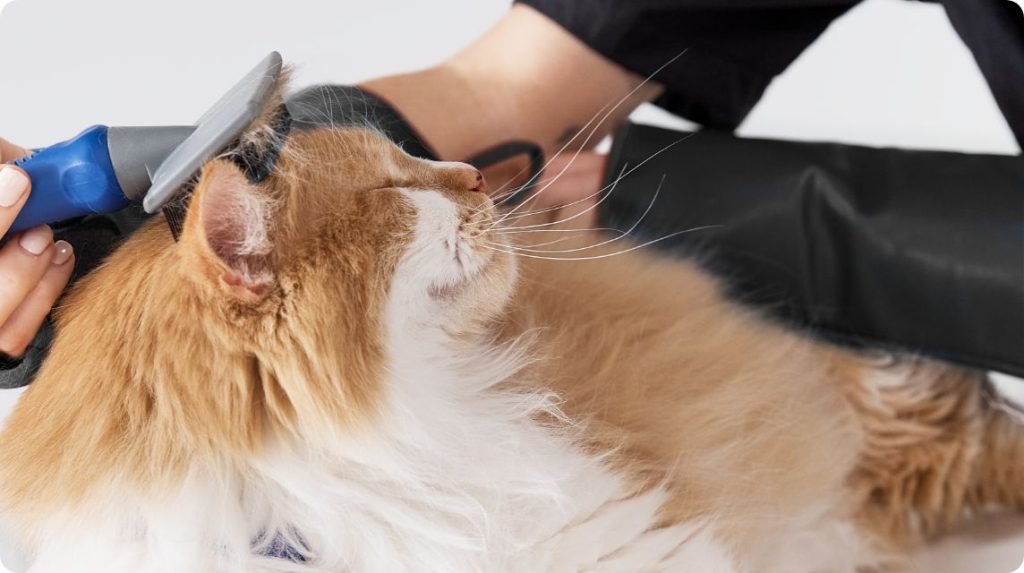
Are you wondering how to keep your dog looking fresh and healthy while managing your cat’s grooming needs too? Balancing grooming for both pets can feel tricky, but it doesn’t have to be.
Whether you’re a first-time pet owner or looking for better ways to care for your furry friends, this guide will help you master dog grooming and cat care with ease. By the end, you’ll have simple, effective tips that save you time and make your pets happier.
Ready to discover how to keep your dog and cat looking their best? Let’s dive in!
Credit: petcoveshop.com
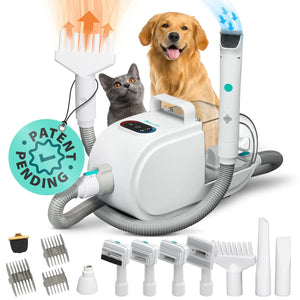
Choosing The Right Grooming Tools
Choosing the right grooming tools for your dog or cat is key to making the grooming experience smooth and enjoyable. The right tools protect your pet’s coat and skin while saving you time and effort. Think about your pet’s specific coat type and grooming needs before selecting any product.
Essential Brushes And Combs
Brushes and combs are the foundation of any grooming kit. Different coats require different tools:
- Slicker brusheswork well for removing mats and loose fur from medium to long-haired pets.
- Bristle brushesare gentle, perfect for short-haired dogs and cats to distribute natural oils.
- Dematting combshelp tackle stubborn tangles without hurting your pet.
Have you noticed how your pet reacts to brushing? Choosing a brush that feels comfortable to them makes a big difference.
Safe Clippers And Scissors
Investing in high-quality clippers and scissors ensures precise grooming without accidents. Look for clippers designed for pet use, which run quieter and cooler to avoid scaring your pet.
- Scissors with rounded tips reduce the risk of cuts, especially around sensitive areas.
- Adjustable blade clippers let you customize the hair length for different coat styles.
Remember, a dull blade can pull hair and cause discomfort. How often do you sharpen or replace your grooming tools?
Shampoos And Conditioners
Choosing the right shampoo and conditioner protects your pet’s skin and coat health. Avoid human shampoos—they often contain harsh chemicals that irritate animals.
- Select shampoos formulated for your pet’s coat type—oily, dry, or sensitive skin.
- Conditioners help prevent tangles and add shine, especially for long-haired breeds.
- Hypoallergenic and fragrance-free options are best if your pet has allergies.
Have you checked the ingredients on your pet’s shampoo lately? Sometimes, switching to a gentler formula can reduce scratching and improve coat quality.
Preparing Your Pet For Grooming
Preparing your pet for grooming helps make the process smooth and stress-free. Dogs and cats need gentle handling to feel safe. Taking time before grooming lowers anxiety and builds trust. This section covers key steps to prepare your furry friend for a calm grooming session.
Creating A Calm Environment
Choose a quiet room with few distractions. Soft lighting and a comfortable temperature help pets relax. Play calming music or white noise to block outside sounds. Keep the area clean and free of clutter. A peaceful space reduces nervousness and promotes cooperation.
Getting Your Pet Comfortable
Spend time petting and talking softly to your pet. Let them explore grooming tools before using them. Offer treats to create positive feelings. Practice short grooming sessions to build familiarity. Patience and kindness help your pet feel safe and ready.
Gathering Supplies
Have all tools ready before starting. Common supplies include:
- Brush or comb suited for your pet’s fur type
- Pet-safe shampoo and conditioner
- Towels for drying
- Clippers or scissors if trimming
- Nail clippers or grinders
- Ear cleaning solution and cotton balls
Organize supplies within easy reach. This keeps the session quick and smooth.
Step-by-step Grooming Process
Grooming your dog or cat is more than just keeping them looking good—it’s essential for their health and comfort. A careful, step-by-step grooming routine helps prevent skin problems, mats, and infections. Let’s walk through each stage to make grooming a pleasant experience for both of you.
Brushing And Detangling Fur
Start with brushing to remove loose hair and prevent tangles. Use a brush suited to your pet’s fur type—slicker brushes work well for long-haired pets, while bristle brushes suit short-haired ones. Gently work through mats with a detangling comb instead of pulling hard; patience here avoids hurting your pet.
Have you noticed your pet enjoys the gentle massage during brushing? It’s a great way to bond and spot any skin issues early on.
Bathing Techniques
Use lukewarm water and pet-friendly shampoo to keep your furry friend comfortable. Wet their coat thoroughly before applying shampoo to ensure even cleaning. Avoid getting water or soap in their eyes and ears by tilting their head slightly back or using a washcloth for delicate areas.
Rinsing well is crucial—leftover shampoo can irritate the skin. How do you make bath time less stressful? Try talking softly and rewarding your pet afterward.
Drying Methods
Pat your pet dry with a towel instead of rubbing vigorously, which can cause tangles or skin irritation. For pets with thick or long fur, a blow dryer on a low, cool setting works well if your pet tolerates it. Keep the dryer moving and maintain a safe distance to avoid overheating.
Have you tried using a drying coat or microfiber towel? They absorb moisture faster and reduce drying time significantly.
Trimming Nails Safely
Use a nail clipper designed for pets to prevent splitting or cracking nails. Hold your pet’s paw firmly but gently, and trim just the tip of each nail, avoiding the quick—the pink area inside the nail that contains nerves and blood vessels. If you’re unsure where the quick ends, trim small amounts gradually.
Keeping styptic powder nearby can help stop bleeding if you accidentally cut too close. What’s your pet’s reaction to nail trimming? Sometimes gentle desensitization over time can ease their stress.
Cleaning Ears And Eyes
Use a damp cotton ball or a pet-specific ear cleaner to wipe the outer ear gently. Avoid inserting anything deep into the ear canal to prevent injury. For the eyes, wipe away any discharge with a clean, damp cloth moving from the inner corner outward.
Regular cleaning helps detect infections early. Have you noticed any unusual odor or redness? These signs mean it’s time to consult your vet promptly.

Credit: www.highhappypetresort.com
Dealing With Common Grooming Challenges
Grooming pets often comes with challenges that need patience and care. Pets may feel nervous or resist grooming. Their fur can form mats and tangles. Shedding can create extra work. Each issue requires simple, gentle solutions to keep pets comfortable and healthy.
Handling Anxious Pets
Many pets feel scared during grooming. Speak softly to calm them. Use slow, gentle movements. Give treats to reward good behavior. Short sessions help build trust over time. Create a quiet space free from noise. Comfort your pet by holding them gently. Patience is key to reduce stress.
Removing Mats And Tangles
Mats form when fur twists and clumps. Use a detangling spray to soften mats. Work on small sections at a time. Use a wide-toothed comb or mat splitter carefully. Never pull hard as it hurts pets. For severe mats, trimming may be necessary. Regular brushing prevents mats from forming.
Managing Shedding
Shedding can fill your home with loose fur. Brush pets daily to catch loose hair early. Choose a brush suited for your pet’s fur type. Bathing with a gentle shampoo helps remove dead hair. Keep your pet’s diet balanced for healthy skin. Vacuum and clean your home often to reduce fur buildup.
Maintaining Your Pet’s Grooming Routine
Keeping your pet’s grooming routine steady is key to their comfort and health. A well-maintained routine prevents common issues like matting, skin infections, and discomfort. It also strengthens the bond between you and your furry friend, making grooming a positive experience rather than a chore.
Establishing Regular Schedules
Set specific days for grooming tasks such as brushing, bathing, and nail trimming. Consistency helps your pet get used to the process and reduces stress. You might find a weekly brushing session perfect for dogs with short hair, while long-haired breeds may need brushing every other day.
Ask yourself: How often does your pet really need grooming based on their breed and lifestyle? Adjusting the schedule to your pet’s needs will save you time and keep them looking their best.
Monitoring Skin And Coat Health
Keep a close eye on your pet’s skin during grooming sessions. Look for signs like redness, dryness, bumps, or unusual shedding. Early detection of these issues can prevent costly vet visits and ensure your pet remains comfortable.
Use your fingers to feel the coat for any lumps or areas of tenderness. Regularly checking helps you notice subtle changes that might signal allergies or infections.
When To Seek Professional Help
Some grooming tasks can be tricky or unsafe to do at home, such as trimming nails too close or dealing with severe mats. If you notice persistent skin problems or your pet shows signs of pain during grooming, it’s time to consult a professional groomer or vet.
Don’t wait until a small issue becomes a big problem. Professionals have the tools and experience to handle tough grooming challenges safely and effectively.

Credit: www.amazon.com
Benefits Of Proper Grooming
Proper grooming is more than just making your dog or cat look good. It plays a key role in their health and happiness. Regular grooming routines can prevent discomfort and catch potential problems early, saving you from bigger worries down the road.
Improved Hygiene And Comfort
Grooming removes dirt, dead hair, and parasites that can irritate your pet’s skin. This keeps their coat clean and shiny, reducing the chance of infections.
Your pet will feel more comfortable without mats or tangles pulling on their fur. Regular brushing also helps control shedding, meaning less mess in your home.
Early Detection Of Health Issues
While grooming, you can spot unusual lumps, bumps, or skin changes before they become serious. Checking ears, teeth, and nails regularly helps you catch infections or problems early.
Noticing these signs early means your pet can get treatment faster. Have you ever found a hidden tick or sore during grooming? That quick discovery can make a big difference.
Strengthening Pet-owner Bond
Grooming is a quiet, focused time just for you and your pet. It builds trust and comfort, especially if your pet is nervous or shy.
Many pet owners find that regular grooming sessions become moments of connection and relaxation. How often do you take time to enjoy these bonding moments with your furry friend?
Frequently Asked Questions
What Is Dog Grooming Cat Technique?
Dog grooming cat is a method where cats are groomed using dog grooming tools. It helps manage cat fur effectively. This technique suits cats with thick or long coats, ensuring a neat, clean appearance. It requires gentle handling to avoid stress in cats.
Can Dog Grooming Tools Be Used On Cats?
Yes, some dog grooming tools work well on cats. Brushes and clippers designed for dogs can handle thick cat fur. Always use tools with caution to avoid hurting the cat’s sensitive skin. Choose tools labeled safe for both dogs and cats.
How Often Should I Groom My Cat With Dog Tools?
Groom cats with dog tools once every 1-2 weeks. Frequent grooming prevents matting and reduces shedding. Adjust frequency based on your cat’s coat type and lifestyle. Regular grooming keeps your cat comfortable and healthy.
Are There Risks In Using Dog Grooming On Cats?
Using dog grooming on cats can cause skin irritation if done improperly. Dogs have tougher skin; cats need gentler care. Always use appropriate tools and techniques. Monitor your cat’s reaction and stop if signs of distress appear.
Conclusion
Taking care of your dog’s grooming needs helps keep them healthy and happy. Regular brushing and cleaning prevent skin problems and mats. A clean dog feels comfortable and looks great. Grooming also strengthens the bond between you and your pet.
It does not take much time but brings big benefits. Keep grooming simple and consistent for the best results. Your dog will thank you with a wagging tail and bright eyes. Small steps make a big difference in your dog’s life.
