


Are you tired of the age-old battle between cats and dogs? You’re not alone.
Many pet lovers dream of a harmonious home where their furry friends coexist peacefully. If you’re a cat owner thinking about adding a dog to your family, or vice versa, you might wonder if it’s even possible. The good news is, some dog breeds are naturally more inclined to get along with cats.
Imagine the joy of watching your cat and dog become the best of friends. We’ll explore dog breeds known for their friendly nature towards cats. Discover which breeds could be the perfect addition to your family, ensuring a serene and happy household for all your pets. Keep reading to find out how you can make that dream a reality.
Credit: worldanimalfoundation.org
Traits Of Cat-friendly Dogs
Understanding the traits that make a dog friendly toward cats is key to creating a peaceful multi-pet home. Not all dogs naturally get along with cats, but certain characteristics can increase the chances of harmony. By focusing on these traits, you can better choose a dog that fits well with your feline friend.
Temperament That Suits Cats
Dogs with a calm and patient temperament tend to coexist best with cats. Look for breeds known for their gentle nature and low prey drive. A dog that is not overly dominant or territorial will usually respect a cat’s space and signals.
Have you noticed how some dogs seem to instinctively know when to back off? This sensitivity to a cat’s mood is often tied to a dog’s social intelligence and empathy. Breeds like Golden Retrievers and Basset Hounds often show this kind of understanding.
Energy Levels And Compatibility
Matching energy levels is vital for dog-cat compatibility. High-energy dogs might overwhelm a relaxed cat, leading to stress or conflict. On the other hand, dogs with moderate or low energy tend to adapt more easily to a cat’s pace.
Think about your cat’s personality—are they playful or more laid-back? If your cat enjoys bursts of activity, a dog with similar energy might become a great playmate. Otherwise, a calmer dog helps maintain peace and reduces the risk of overstimulation.
Size And Behavior Factors
Size matters when it comes to safety and comfort. Larger dogs can unintentionally intimidate or harm smaller cats, even without aggressive intent. Smaller to medium-sized dogs often have an easier time navigating around cats without causing stress.
Behavior is just as important as size. Dogs that exhibit respectful behavior—like not chasing or cornering cats—make better companions. Training plays a huge role here; a well-trained dog is more likely to coexist peacefully regardless of size.
Credit: pethelpful.com
Top Dog Breeds That Bond Well With Cats
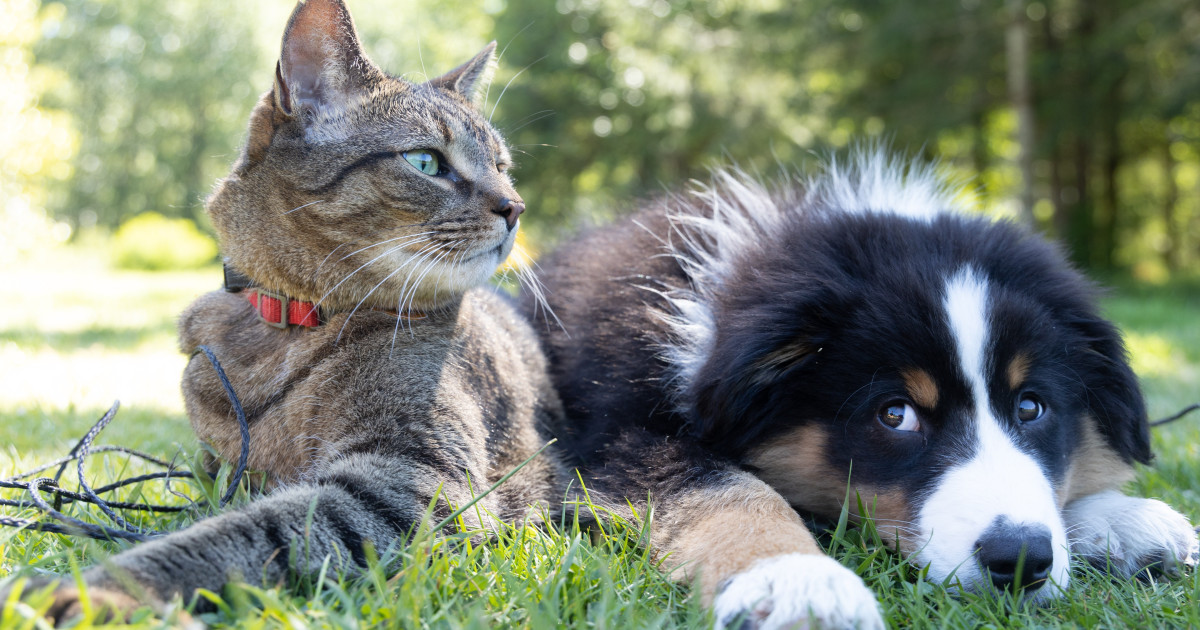
Finding the right dog breed that can peacefully coexist with your cat makes a huge difference in your home’s harmony. Some dog breeds naturally have a friendly and gentle nature that helps them bond well with feline friends. Knowing which breeds tend to get along with cats can save you from potential stress and create a loving environment for both pets.
Golden Retriever
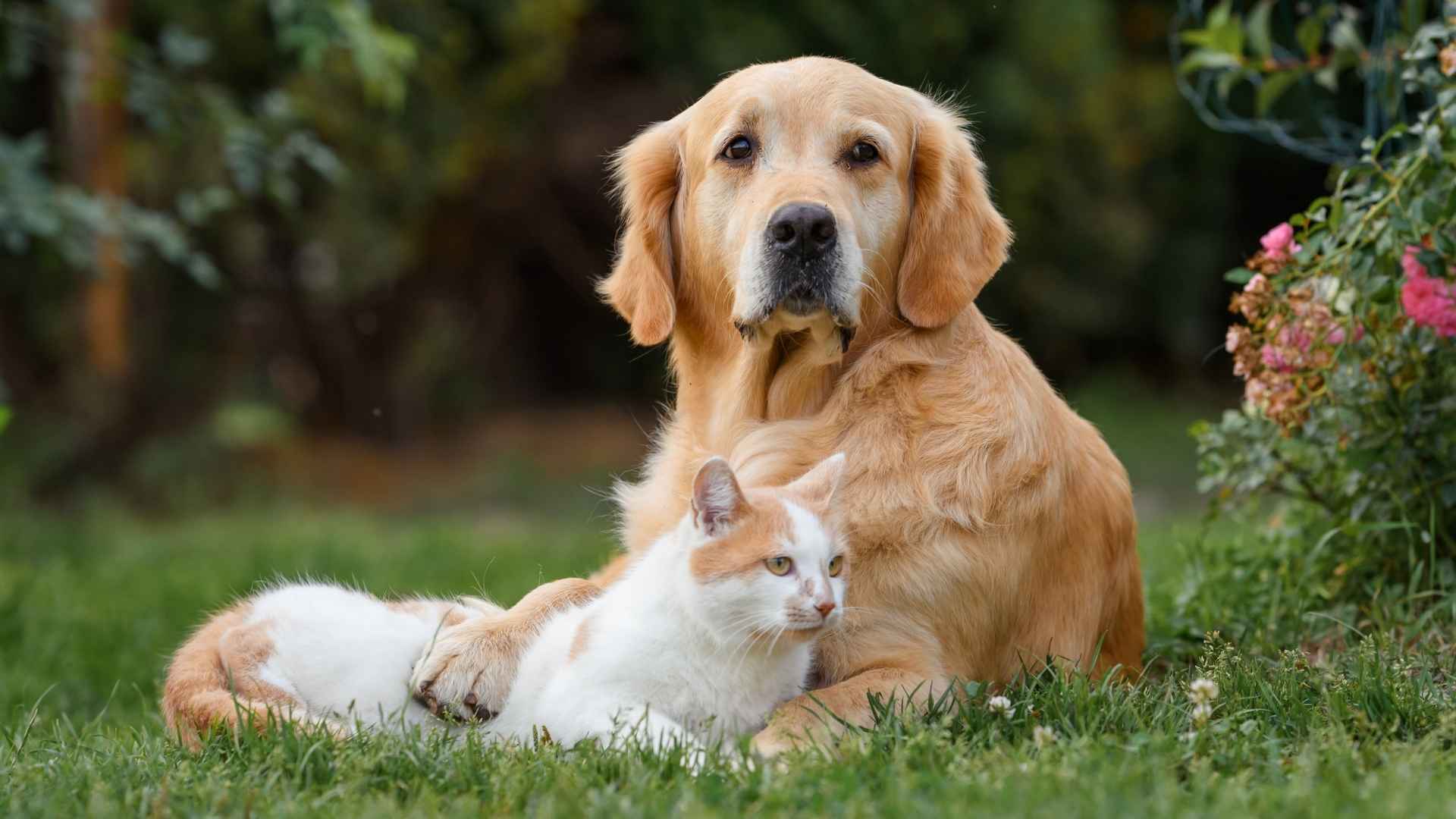
Golden Retrievers are famously patient and gentle. Their calm demeanor makes them great companions for cats. If you’ve seen a Golden Retriever gently nudge a cat or lie down beside one, you know how natural their bond can be.
These dogs adapt easily to new family members, including cats. Their social nature means they often seek to include cats in playtime rather than chase them.
Beagle
Beagles are curious and friendly dogs that usually accept cats as part of the family. Their playful energy matches well with cats that enjoy interaction. However, their hunting background means some beagles might need supervised introductions with shy or skittish cats.
When a beagle and cat get along, they can become inseparable playmates. If you want a lively household, a beagle could be a great choice for your cat-loving family.
Cavalier King Charles Spaniel
Cavaliers are known for their affectionate and gentle personalities. They tend to be less aggressive and more patient, making them excellent companions for cats. Their calm and loving nature allows them to form quick bonds with feline friends.
Many owners report their Cavalier and cat enjoying quiet cuddle sessions together. If your cat appreciates calm and sweet company, this breed might be perfect.
Basset Hound
Basset Hounds have a laid-back and easygoing attitude that cats often appreciate. Their slow, relaxed movements don’t startle cats, which helps build trust. They are usually content to share space without demanding constant attention.
This breed’s patience means they rarely get annoyed with a cat’s antics. If your cat likes a steady, mellow canine companion, a Basset Hound is worth considering.
Pug
Pugs are social and friendly dogs that often enjoy making friends with cats. Their playful yet gentle nature helps break the ice with feline family members. Pugs are known to be curious about cats and eager to engage without being overbearing.
Many pug owners have found their dogs and cats sharing naps or toys. Would your cat enjoy a playful buddy that brings lots of affection?
Training Tips For Dog And Cat Harmony
Creating harmony between your dog and cat takes patience and smart training. Getting both pets comfortable with each other is key to a peaceful home. Small steps and consistent effort can build a lasting friendship between your furry friends.
Introducing Pets Safely
Start introductions in a calm, neutral space to prevent territorial behavior. Keep your dog on a leash and let your cat explore freely at their own pace. Watching their body language closely helps you spot any signs of stress early.
Try short, supervised meetings at first and gradually increase the time they spend together. Use barriers like baby gates to allow them to see and smell each other without direct contact. This slow approach helps both pets feel secure.
Positive Reinforcement Strategies
Reward good behavior immediately with treats, praise, or petting. This encourages your dog and cat to associate each other with positive experiences. For example, when your dog stays calm around the cat, give a tasty treat right away.
Use clear commands and consistent cues so your dog understands what you expect. Training your dog to “leave it” or “stay” can prevent unwanted chasing or rough play. Keep sessions short and fun to maintain their interest.
Managing Aggression And Anxiety
If you notice growling, hissing, or raised fur, take a step back and separate your pets calmly. Avoid punishment as it can increase anxiety and worsen aggression. Instead, redirect their attention with toys or commands.
Consider using calming aids like pheromone diffusers or anxiety wraps if your pets show signs of stress. Consult a professional trainer or vet if aggressive behavior continues. How might you create a safe environment that helps both pets feel confident?
Common Challenges And Solutions
Introducing a dog to a home with cats can bring joy and companionship. Challenges arise as pets adjust to new family members. Understanding common issues helps create a peaceful environment. This section explores key challenges and practical solutions to help dogs and cats live well together.
Dealing With Territorial Behavior
Pets may feel protective of their space. Dogs can guard food bowls, beds, or favorite spots. Cats often mark territory with scent or behavior. This tension causes stress and conflict.
Solutions include:
- Provide separate feeding areas for each pet.
- Use baby gates to create safe zones.
- Encourage positive interactions with treats and praise.
- Give pets their own beds and resting places.
Preventing Chase Instincts
Many dogs have a natural urge to chase small animals. Cats may run, triggering the dog’s prey drive. This creates fear and stress for the cat.
Steps to reduce chasing:
- Train dogs to respond to commands like “leave it” and “stay.”
- Supervise all interactions between pets.
- Use leashes during initial meetings.
- Provide high perches for cats to escape.
Handling Jealousy Between Pets
Pets can feel jealous of attention given to others. This may lead to barking, scratching, or sulking. Jealousy harms their bond and well-being.
Ways to manage jealousy:
- Spend quality time with each pet daily.
- Avoid favoritism; treat pets equally.
- Use toys and games to share attention.
- Reward calm and friendly behavior around each other.
Lifestyle Considerations For Multi-pet Homes
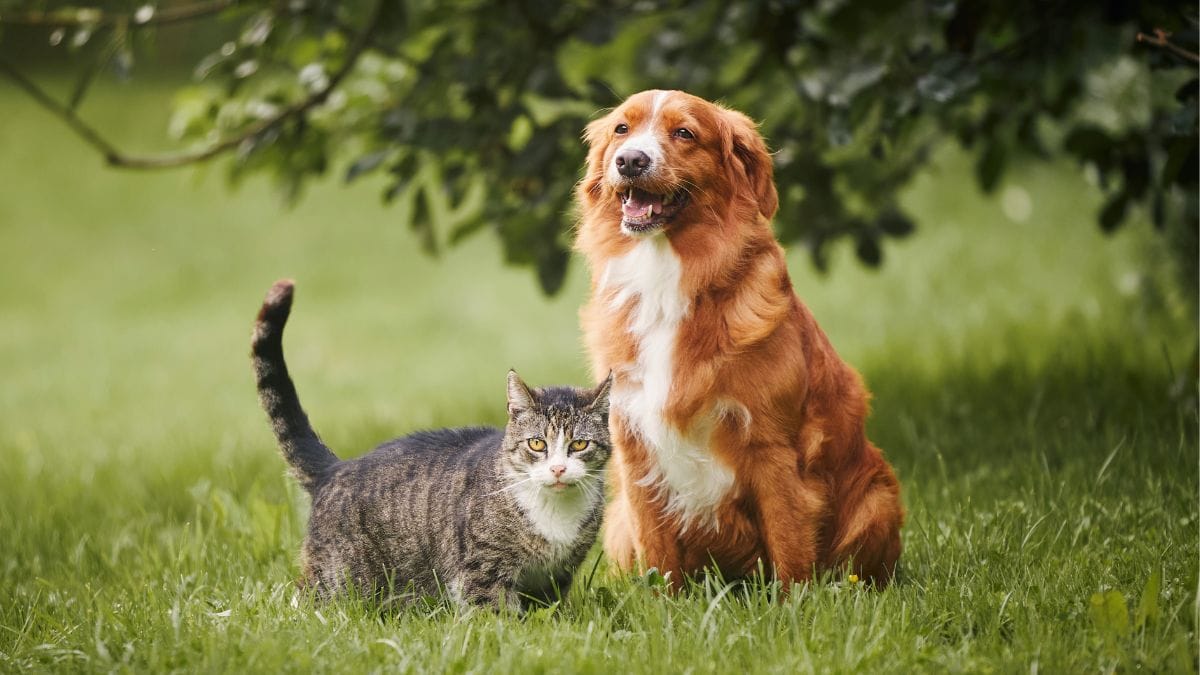
Bringing a dog and a cat together in your home can be a joyful experience, but it requires thoughtful planning around your lifestyle. Understanding how your daily routines and living space impact both pets is key to creating harmony. Let’s look closely at some lifestyle factors that help both animals feel comfortable and happy.
Space Requirements
Every pet needs their own space to retreat and relax. Dogs that share a home with cats should have separate areas where they can eat, sleep, and unwind without interruptions. This reduces stress and prevents territorial disputes.
Consider your home’s layout—do you have enough room for multiple beds, crates, or cat trees? If space is tight, vertical areas like shelves or window perches for cats can provide safe spots above the dog’s reach. Have you noticed your pets seeking solitude or acting restless? This could signal a need for better space management.
Feeding And Care Routines
Feeding time can become a source of tension if not managed well. Dogs tend to be more food-driven and may try to eat the cat’s food or vice versa. Establishing separate feeding zones is crucial to keep meals calm and safe.
Try feeding your dog and cat at the same time but in different rooms or use baby gates to create boundaries. Consistent routines help both pets know when to expect meals, reducing anxiety. What strategies do you currently use to keep feeding peaceful in your home?
Regular Exercise And Mental Stimulation
Both dogs and cats benefit from daily physical activity and mental challenges, but their needs differ. Dogs usually require more outdoor exercise, while cats often enjoy interactive toys and climbing opportunities indoors.
Providing enough stimulation prevents boredom, which can lead to behavioral problems. Puzzle feeders for cats and regular walks or playtime for dogs keep their minds sharp and bodies healthy. How do you balance the energy levels of your dog and cat to keep both engaged?
Credit: rockykanaka.com
Frequently Asked Questions
Which Dog Breeds Are Best With Cats?
Breeds like Golden Retrievers, Beagles, and Basset Hounds are known for their friendly nature toward cats. These dogs tend to be gentle and sociable, making them great companions for feline friends in a shared home environment.
How To Introduce Dogs To Cats Safely?
Introduce them gradually in a controlled space. Keep the dog on a leash initially. Allow the cat to approach at its own pace. Use positive reinforcement to reward calm behavior. This helps build trust and reduces stress for both pets.
Do Small Dog Breeds Get Along With Cats?
Yes, many small breeds like Cavalier King Charles Spaniels and Pugs often coexist well with cats. Their gentle temperament and lower prey drive make them more likely to accept a feline companion peacefully.
Can Large Dogs Live Peacefully With Cats?
Absolutely. Large breeds like Labrador Retrievers and Bernese Mountain Dogs are usually calm and tolerant. Early socialization and training help ensure they respect the cat’s space and boundaries, promoting harmony.
Conclusion
Choosing a dog breed that gets along well with cats can make home life peaceful. Some dogs have gentle natures and enjoy feline company. Patience and proper introductions help pets bond and live happily. Remember, every animal has its own personality and needs time to adjust.
A calm and friendly dog often fits best with cats. This way, both pets can share space without stress. Happy pets mean a happy home for everyone involved.
