

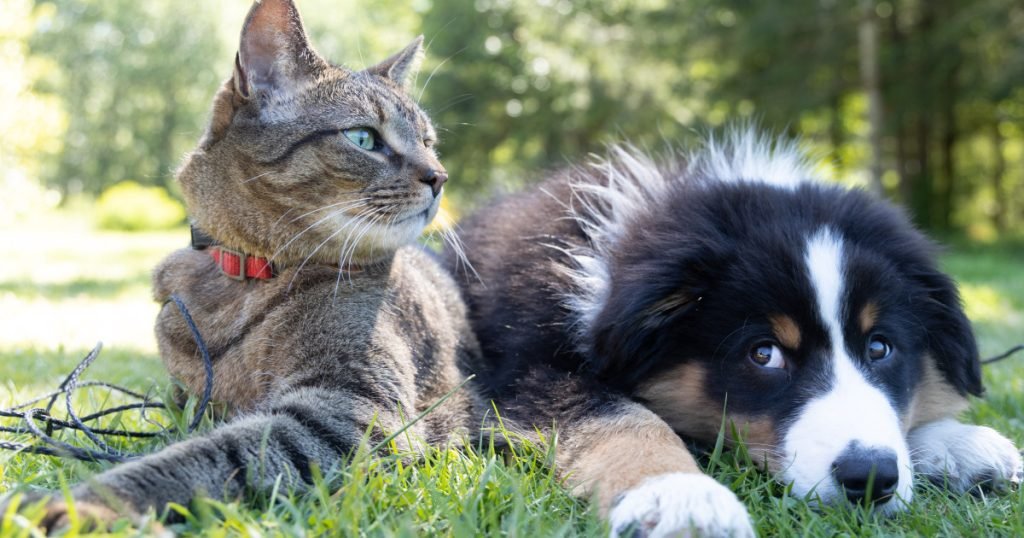
Are you dreaming of a harmonious home where cats and dogs live together in perfect peace? You’re not alone.
Many pet lovers like you wish for a household where their furry friends get along. But, finding the right dog breed that pairs well with your feline friend can feel like a daunting task. The good news is, there are specific dog breeds known for their friendly nature towards cats.
Imagine coming home to see your dog and cat snuggled up together on the couch. Intrigued? Keep reading to discover which dog breeds might just be the perfect companions for your beloved cat, ensuring a happy and peaceful coexistence in your home.
Traits Of Cat-friendly Dogs
Dogs that get along well with cats share certain key traits. These traits make living together peaceful and fun. Understanding these qualities helps you choose a dog that fits your home. It also ensures your pets enjoy each other’s company.
Temperament And Personality
Cat-friendly dogs are usually calm and gentle. They show patience around smaller animals. These dogs avoid aggressive behavior or chasing instincts. Many have a friendly and easygoing nature. They accept cats as part of their family. Trust and respect grow with such temperament.
Socialization Importance
Good socialization helps dogs and cats bond well. Early exposure to cats reduces fear and tension. Dogs learn how to behave around cats. Positive experiences build confidence and comfort. Socialized dogs respond calmly to cat movements. This skill lowers stress in shared spaces.
Energy Levels And Play Style
Dogs with moderate energy levels suit homes with cats. Too much energy can overwhelm or scare cats. Balanced play styles mean dogs do not roughhouse. Gentle play encourages friendly interaction. Matching activity levels helps pets enjoy time together. Quiet moments and active play both matter.

Credit: worldanimalfoundation.org
Top Dog Breeds That Get Along With Cats
Choosing a dog breed that gets along well with cats can make a huge difference in creating a peaceful home. Some breeds have a natural calmness and sociability that helps them coexist with feline friends. Here are top dog breeds known for their friendly attitude toward cats, making your multi-pet household more harmonious.
Golden Retriever
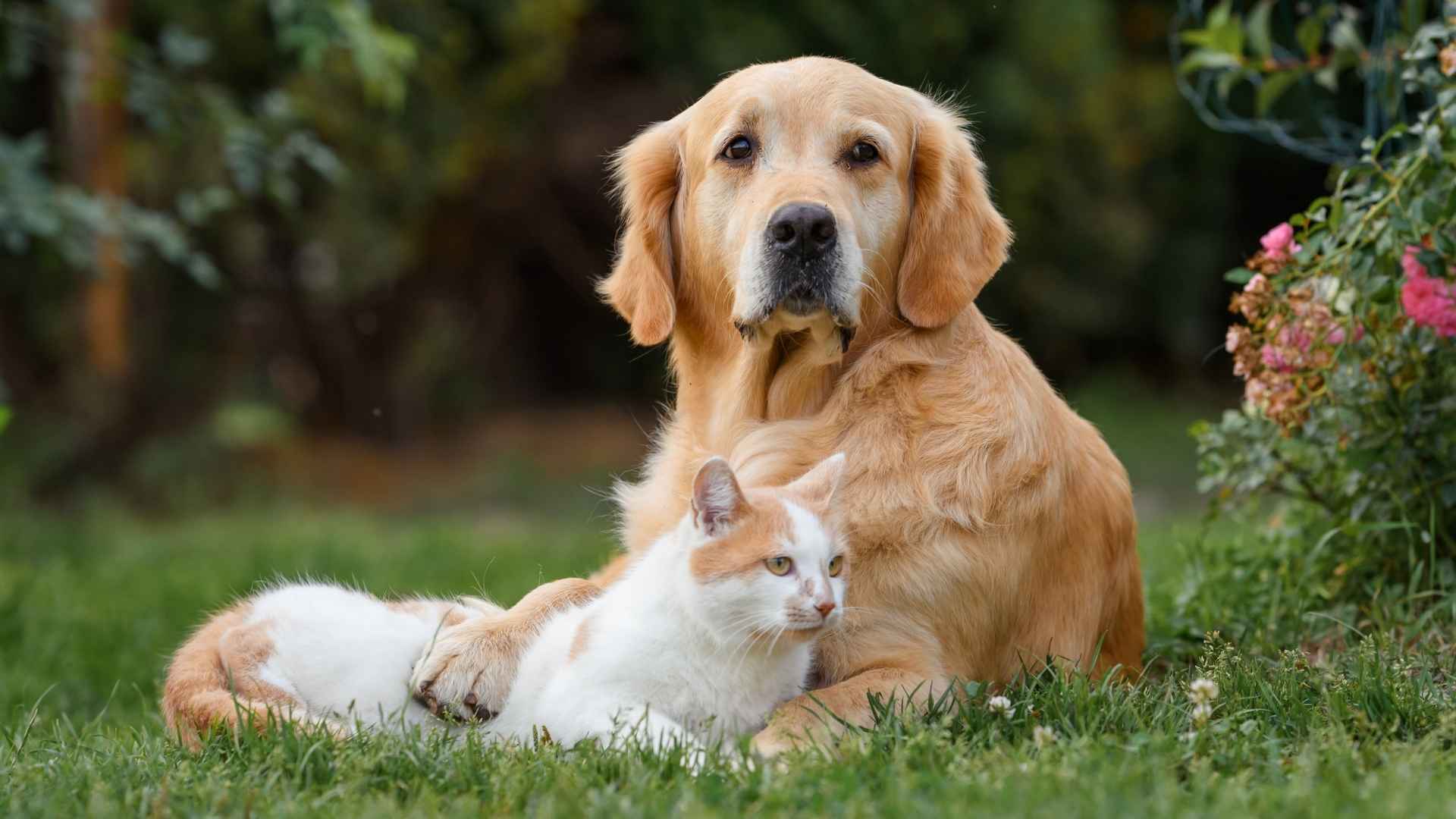
Golden Retrievers are famous for their gentle and friendly nature. They tend to be patient and non-aggressive, which helps when living with cats. If you want a dog that will likely accept your cat as part of the family, a Golden Retriever is a great choice.
Beagle
Beagles are curious and playful, but they also have a sweet temperament. Their social behavior often extends to cats, especially if introduced properly. You might find your Beagle happily sharing space with a feline companion without much trouble.
Cavalier King Charles Spaniel
This breed is known for being affectionate and calm. Their easygoing personality usually means they won’t chase or bother your cat. If you want a dog that enjoys quiet companionship, the Cavalier King Charles Spaniel fits well.
Basset Hound
Basset Hounds have a laid-back and relaxed attitude. They often show patience and tolerance, which helps when living with cats. Their low energy also means less temptation to chase or disturb your feline friend.
Maltese
The Maltese is small but confident and friendly. They tend to bond well with other pets, including cats. If your living space is limited, a Maltese offers companionship without overwhelming your cat.
Collie
Collies are intelligent and gentle dogs. They often have a protective streak but rarely show aggression toward cats. With proper introduction, a Collie can be a loyal friend to your cat and even help keep it safe.
Pug
Pugs are playful and sociable dogs that usually get along well with cats. Their easygoing nature means they won’t be a threat to your feline companions. This breed often enjoys the company of other pets, making them a good choice for mixed households.
Papillon
Papillons are lively and intelligent but also affectionate. They can coexist happily with cats, especially if raised together. Their small size and friendly attitude make them a charming addition to a home with cats.
How To Introduce Dogs To Cats
Introducing a dog to a cat requires patience and care. Both animals have different ways of communicating. Proper introductions help build trust and prevent stress. This process sets the stage for a peaceful relationship.
Preparing The Environment
Choose a quiet, neutral space for the first meeting. Remove toys and food bowls to avoid competition. Provide separate safe zones for both pets. Use gates or crates to control physical contact. Ensure both animals feel secure and calm before meeting.
Step-by-step Introduction Process
- Start by letting them see each other through a barrier.
- Allow sniffing under controlled conditions.
- Reward calm behavior with treats or praise.
- Gradually increase the length of their interactions.
- Watch for signs of stress or aggression closely.
- Keep sessions short and positive to avoid overwhelm.
Managing First Interactions
Keep both animals on a leash or separated initially. Stay close to intervene if needed. Avoid forcing contact or chasing. Praise gentle, calm behavior from both pets. Give breaks if either shows fear or aggression. Consistency and patience help build a strong bond.
Signs Of A Positive Dog-cat Relationship
Understanding signs of a positive dog-cat relationship helps create a peaceful home. Dogs and cats communicate differently, yet they can share strong bonds. Watching their interactions closely reveals how well they get along.
Body Language To Watch
- Relaxed posture shows calmness in both pets.
- Loose tails indicate comfort, not tension.
- Soft eyes and slow blinking express trust.
- Play bows from dogs invite friendly play.
- Cats rubbing against dogs show affection.
- Both animals avoiding stiff or raised fur signals ease.
Behaviors Indicating Comfort
- Sleeping near each other means safety and trust.
- Sharing toys or space without conflict is a good sign.
- Gentle sniffing and licking demonstrate friendly interest.
- Dogs and cats grooming each other show strong bonds.
- Quiet, calm interactions mean no fear or aggression.
- Both animals approach each other without hesitation.
When To Intervene
- Growling or hissing signals discomfort or fear.
- Stiff bodies or raised hackles show tension.
- Chasing that causes stress needs attention.
- Constant avoidance means one pet feels unsafe.
- Sudden aggressive acts require immediate separation.
- Watch for signs of stress like panting or hiding.
Training Tips For Harmonious Coexistence
Creating a peaceful home for both dogs and cats needs careful training. Training helps them understand each other’s space and behavior. It builds respect and trust between your pets. This section shares key tips for training that support a calm and happy life together.
Basic Commands And Boundaries
Teach your dog simple commands like “sit,” “stay,” and “leave it.” These commands help control your dog’s actions around the cat. Set clear boundaries where the dog can go and where the cat feels safe. Use baby gates or closed doors to give the cat a retreat area. Consistency in enforcing these rules is very important.
Reinforcing Positive Behavior
Praise your dog when it behaves calmly near the cat. Use treats or gentle words to reward good actions. Encourage the cat to approach the dog at its own pace. Reward the cat for calm interactions as well. Positive reinforcement helps both pets feel safe and appreciated.
Avoiding Common Pitfalls
Never force your dog or cat to interact if they are scared. Avoid punishing your dog for natural curiosity about the cat. Do not leave them alone together until you are sure they trust each other. Watch their body language closely to spot stress or aggression early. Patience is key to a peaceful coexistence.

Credit: rockykanaka.com
Benefits Of Having Dog And Cat Companions
Having both a dog and a cat as companions can bring unique benefits to your home. These two animals often balance each other out, creating a lively yet comforting environment. Their different personalities and behaviors can enrich your daily life in unexpected ways.
Emotional Well-being
Dogs and cats offer distinct types of emotional support. Dogs tend to be more openly affectionate, while cats provide a calm presence. Together, they help reduce stress and anxiety by giving you varied forms of companionship.
Imagine coming home after a tough day and being greeted by a playful dog and a soothing cat. This combination can lift your spirits and make you feel less alone. Have you noticed how pets can change your mood just by being there?
Increased Activity And Play
Dogs often encourage more physical activity because they need regular walks and playtime. Cats, on the other hand, bring playful energy indoors with their curious antics. Having both means your home is full of movement and fun.
You might find yourself tossing a ball for your dog and chasing a laser pointer with your cat. This keeps you active without feeling like exercise. How often do you get a workout just by playing with your pets?
Enhanced Social Skills
Interacting with dogs and cats helps you improve patience and communication. Each animal has a different way of expressing needs and emotions, which teaches you to be more observant and responsive. This can translate into better social skills with people too.
For example, training a dog requires clear commands, while bonding with a cat needs gentle understanding. Managing both types of interactions sharpens your ability to connect and empathize. Could your pets be helping you become a better communicator?
Credit: worldanimalfoundation.org
Frequently Asked Questions
Which Dog Breeds Are Best With Cats?
Breeds like Golden Retrievers, Beagles, and Basset Hounds usually get along well with cats. Their friendly nature helps them coexist peacefully in the same home.
How To Introduce Dogs To Cats Safely?
Introduce them slowly in a controlled space. Keep the dog on a leash and let the cat approach at its own pace. Positive reinforcement helps build trust.
Can Small Dogs Live Peacefully With Cats?
Yes, many small dogs like Cavalier King Charles Spaniels adapt well to cats. Their gentle demeanor reduces the chance of conflict.
Are All Friendly Dog Breeds Good With Cats?
Not always. Even friendly breeds need proper socialization. Personality and training play key roles in ensuring they get along with cats.
Conclusion
Choosing a dog breed that gets along with cats makes home life peaceful. Friendly and calm dogs help pets build trust quickly. Training and patience play key roles in their bond. Each pet has its own personality and needs time.
Happy pets mean a happy family. Keep love and care at the center. Enjoy the special moments when dogs and cats become friends.
