

Are you wondering if your indoor cat really needs a rabies shot? It’s a question many cat owners ask but don’t always get clear answers to.
You want to keep your furry friend safe without unnecessary trips to the vet. Understanding why the rabies vaccine matters—even for cats who never step outside—can protect your pet and give you peace of mind. Keep reading to find out what you need to know to make the best choice for your indoor cat’s health.
Rabies And Its Risks
Rabies is a deadly virus that affects the nervous system of mammals, including cats and humans. Even if your cat stays indoors most of the time, the risk of exposure is not zero. Understanding the dangers of rabies and how it spreads can help you decide whether your indoor cat needs a rabies shot.
What Is Rabies And How Does It Spread?
Rabies is caused by a virus that attacks the brain and spinal cord. It is usually transmitted through the bite of an infected animal, such as bats, raccoons, or stray dogs. The virus can also spread if infected saliva comes into contact with open wounds or mucous membranes.
Since rabies affects all mammals, your indoor cat could still catch it if an infected animal gets inside your home or if your cat escapes outdoors briefly.
Why Rabies Is Dangerous For Your Cat And You
Once symptoms of rabies appear, the disease is almost always fatal. It causes severe neurological issues like seizures, paralysis, and aggression. Not only is your cat at risk, but rabies can also be transmitted to you and your family members through bites or scratches.
Imagine the stress and heartbreak of losing a beloved pet to a preventable disease. Preventing rabies protects both your cat’s health and your peace of mind.
Legal Requirements For Rabies Vaccination
Many regions legally require cats to be vaccinated against rabies, regardless of whether they live indoors or outdoors. This helps control the spread of the virus in the community. Check your local laws to see if your indoor cat must be vaccinated.
Failing to vaccinate your cat may result in penalties or restrictions if your pet ever comes into contact with a suspected rabid animal.
How Common Is Rabies In Indoor Cats?
While indoor cats have a lower risk compared to outdoor cats, rabies cases in indoor pets are not unheard of. Even a small chance of exposure is worth considering, especially because rabies is fatal. Your cat’s safety may depend on this one important vaccine.
Vaccination Requirements
Understanding the vaccination requirements for your indoor cat is crucial. Even if your feline rarely steps outside, vaccines like the rabies shot play a key role in their health and your legal responsibilities. Let’s break down what you need to know about these requirements.
Legal Obligations
Many places legally require cats to have a rabies vaccine, regardless of whether they live indoors or outdoors. This law protects not just your pet but also your family and community from the risk of rabies transmission.
Check your local regulations because some areas have strict rules with fines for non-compliance. For example, in some states, failing to vaccinate your indoor cat against rabies can result in penalties or even quarantine orders for your pet.
Have you ever considered how a sudden escape or a visit from a wild animal could expose your indoor cat to rabies? The law often reflects these unpredictable risks.
Veterinary Recommendations
Veterinarians usually recommend rabies shots for indoor cats as a precautionary measure. They understand that even indoor cats can encounter risks from accidental outdoor exposure or contact with other animals.
During my first visit to the vet with my indoor cat, the vet explained that a rabies vaccine is a simple step to prevent a serious disease. This advice helped me feel more confident in protecting my pet’s health.
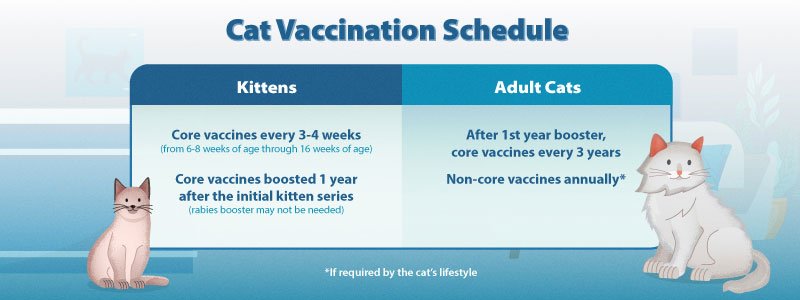
Your vet can guide you on the timing and frequency of the vaccine based on your cat’s lifestyle and local risk factors. Don’t hesitate to ask questions about how often your cat needs the vaccine and what side effects to watch for.
Indoor Cats And Rabies Exposure
Many cat owners assume that indoor cats are completely safe from rabies because they don’t roam outside. However, the risk of rabies exposure for indoor cats is not zero. Understanding how indoor cats might encounter rabies helps you make informed decisions about their vaccination and safety.
Potential Exposure Scenarios
Indoor cats can come into contact with rabies in surprising ways. A bat that sneaks into your home is a common source of rabies exposure. Even a small scratch or bite from such wildlife can transmit the virus.
Another scenario is your cat escaping briefly outdoors and encountering an infected animal. This could happen if your cat darts out when you open the door or a window.
Think about how often your cat interacts with delivery personnel or neighbors who might unknowingly bring in contaminated objects or even pests. Could these brief encounters increase your pet’s risk?
Wildlife Intrusion Risks
Wild animals like raccoons, skunks, bats, and foxes are the usual carriers of rabies. They sometimes enter homes or garages, especially at night. If your indoor cat encounters any of these animals inside your home, exposure is possible.
Even if you live in an urban area, wildlife intrusion can happen. I’ve seen a small bat trapped in a basement where my friend’s indoor cat spends time. That close encounter made them vaccinate their cat immediately.
To reduce risks, check your home for gaps or openings where wildlife might enter. Installing screens and sealing cracks can protect both your cat and your family from unexpected visitors.

Credit: millsanimalhospital.com
Benefits Of Rabies Vaccination
Vaccinating your indoor cat against rabies offers more than just ticking a box on a health checklist. It plays a crucial role in keeping your feline safe and safeguarding your household. Understanding these benefits can help you make a confident decision about your cat’s health care.
Health Protection
Rabies is a deadly virus that affects the nervous system, and once symptoms appear, it’s almost always fatal. Even indoor cats can be exposed through unexpected encounters, like a bat slipping inside or a small break in your home’s security.
By vaccinating your cat, you create a strong defense against this dangerous disease. This protection not only keeps your pet healthy but also reduces the risk of spreading rabies to other pets or humans in your home.
Peace Of Mind For Owners
Knowing your cat is vaccinated lets you relax, even if your pet accidentally escapes outdoors or comes into contact with wildlife. It removes a layer of worry from your daily life.
Many places legally require rabies vaccinations, so staying up to date also means you avoid fines or complications with your vet. This peace of mind lets you focus on enjoying time with your cat without constant health concerns hanging over you.
Rabies Vaccination Myths
Rabies vaccination myths create confusion among pet owners. Many believe indoor cats do not need rabies shots. This assumption can put cats at risk. Knowing the truth helps protect pets and families. Let’s clear up some common misunderstandings.
Common Misconceptions
- Indoor cats cannot catch rabies because they don’t go outside.
- Rabies vaccines cause harmful side effects in cats.
- Rabies is rare, so vaccination is unnecessary.
- Only dogs need rabies shots, not cats.
- Once vaccinated, cats never need a booster.
These ideas are not always true. Rabies can enter homes through bats or other wildlife. Vaccines are tested and generally safe. Rabies is deadly and still present in many areas. Cats must have boosters to stay protected.
Addressing Concerns
Pet owners worry about vaccine risks and costs. Side effects are usually mild and brief. Common reactions include soreness or slight fever. Serious problems are very rare. Discuss any health concerns with your vet before vaccination.
Vaccination saves lives by preventing a fatal disease. It also follows legal requirements in many places. Protect your indoor cat to avoid health and legal troubles. Rabies shots are a small step with big benefits.
Credit: paradepets.com
Rabies Vaccination Process
Rabies vaccination is an essential step to protect your indoor cat from a deadly disease. The process is simple and quick but very important. Understanding what happens during the vaccination helps reduce stress for both you and your pet. The vaccine stimulates the cat’s immune system to fight the rabies virus if exposed. Most veterinarians follow a standard procedure to ensure safety and effectiveness.
What To Expect
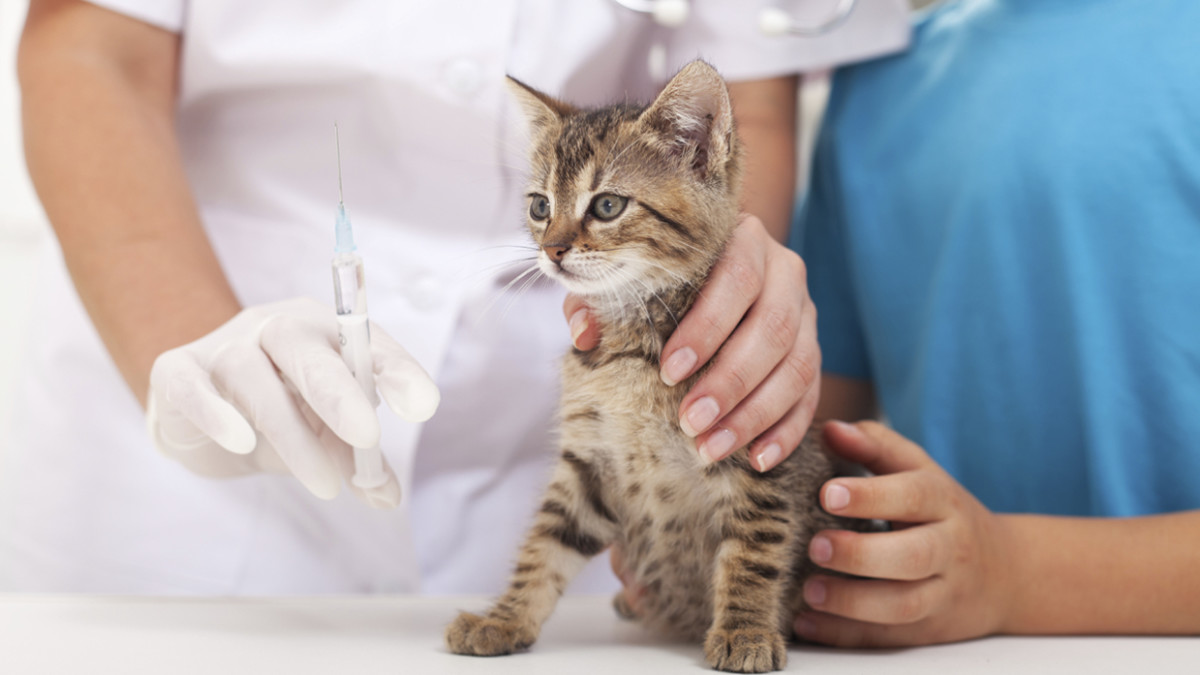
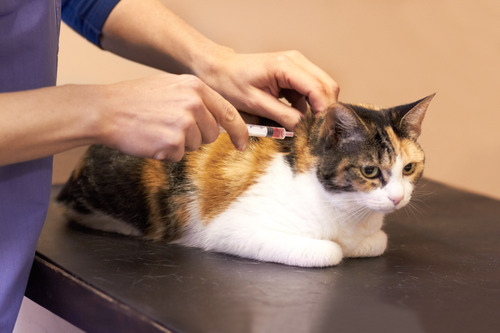
The vet will perform a brief health check before the shot. This ensures your cat is healthy enough for the vaccine. The rabies vaccine is given as a small injection, usually under the skin. The injection site is often the neck or shoulder area. The whole appointment typically lasts about 10 to 15 minutes.
- Your cat may feel a quick pinch during the injection.
- Some cats may be nervous or try to hide.
- Stay calm and speak softly to comfort your cat.
- The vet will provide a certificate and record the vaccination.
Post-vaccination Care
After the shot, mild side effects are normal. These can include slight swelling or tenderness at the injection site. Your cat might be a bit tired or less playful for a day. Observe your cat closely for any unusual reactions.
- Keep your cat indoors and comfortable for 24 hours.
- Avoid bathing or grooming the injection area during this time.
- Contact your vet if your cat shows vomiting, swelling, or difficulty breathing.
- Regular check-ups help maintain your cat’s health and vaccination status.
Alternatives And Exemptions
Alternatives and exemptions exist for indoor cats regarding rabies vaccination. These options depend on health, lifestyle, and local laws. Understanding these can help pet owners make informed decisions.
Medical Exemptions
Some cats cannot get rabies shots due to health issues. Allergic reactions and immune disorders are common reasons. A vet may suggest skipping the vaccine temporarily or permanently. Documentation from a vet is usually required for legal exemption. This protects cats with special health needs.
Alternative Measures
Indoor cats may benefit from extra safety steps instead of vaccination. Limiting outdoor access reduces rabies risk. Keeping cats inside at all times prevents contact with wild animals. Regular vet check-ups ensure early detection of any illness. Using secure screens and doors helps keep cats safe indoors. These measures support health without vaccination in certain cases.
Consulting With A Veterinarian
Consulting with a veterinarian is essential for your indoor cat’s health. They provide expert guidance tailored to your pet’s needs. Understanding the risks and benefits of rabies vaccination helps you make safe choices. A vet can evaluate your cat’s lifestyle and environment. This helps decide if a rabies shot is necessary.
Personalized Advice
Each cat is unique. Vets consider age, health, and exposure risk. They discuss local laws and vaccination requirements. This advice ensures your cat stays protected without unnecessary shots. A vet’s insight helps balance safety and comfort for your pet.
Regular Health Check-ups
Routine vet visits allow early detection of health issues. These check-ups include vaccination reviews. Vets update or adjust vaccines as needed. Keeping track of your cat’s health history is vital. Regular visits build a strong health foundation for your indoor cat.
Credit: triangleanimalclinic.com
Frequently Asked Questions
Do Indoor Cats Really Need Rabies Shots?
Yes, indoor cats need rabies shots. Rabies can enter through bites from bats or other animals indoors. Vaccination protects your cat and complies with local laws.
How Often Should Indoor Cats Get Rabies Vaccines?
Indoor cats should get rabies vaccines every one to three years. Check your local regulations and vet recommendations for the exact schedule.
Can Indoor Cats Catch Rabies Without Outdoor Access?
Yes, indoor cats can catch rabies without outdoor access. Bats or rodents may enter your home and expose your cat to the virus.
Is Rabies Vaccination Legally Required For Indoor Cats?
In many areas, rabies vaccination is legally required for all cats. This law helps prevent rabies spread and protects public health.
Conclusion
Vaccinating your indoor cat against rabies helps keep them safe. Rabies can spread even if your cat stays inside. Many vets recommend the vaccine for every cat. It protects your pet and your family’s health. Ask your vet about the best vaccine schedule.
Staying informed helps you make smart choices for your cat. Keep your cat’s health a top priority always. Simple steps like vaccination bring peace of mind. Your cat deserves protection from serious diseases.
