

Are you wondering if your indoor cat really needs a rabies shot? You might think that since your furry friend never steps outside, they’re safe from this dangerous disease.
But is that true? Protecting your cat’s health is important, and understanding the risks and benefits of rabies vaccination can help you make the best choice. Keep reading to find out why a rabies shot might be necessary, even for an indoor cat like yours.
Importance Of Rabies Vaccination
Rabies vaccination is crucial for every cat, even those that live indoors. Rabies is a deadly virus that affects the brain and nervous system. It spreads through bites or scratches from infected animals. Vaccinating your indoor cat protects it from this fatal disease.
Indoor cats can still face risks. Doors and windows may open, allowing wild animals or bats to enter. Sometimes, other pets or people may bring the virus inside unknowingly. A rabies shot acts as a shield against these dangers.
Protecting Your Cat’s Health
Rabies vaccination keeps your cat safe from a deadly disease. Once infected, rabies has no cure. Vaccines help the immune system fight the virus early. This prevention saves your cat’s life.
Legal Requirements And Safety
Many places require rabies shots by law. This rule applies even to indoor pets. Vaccination helps avoid legal trouble and fines. It also protects your family and community from the virus.
Preventing Spread Of Rabies
Rabies can spread from animals to humans. Vaccinating your cat lowers the risk of transmission. It helps stop outbreaks in your neighborhood. Your cat becomes part of a larger safety network.
Peace Of Mind For Pet Owners
Knowing your cat is vaccinated reduces worry. You can feel confident about your pet’s health. It removes fear of sudden illness or quarantine. Rabies vaccination brings calm and security.
Understanding Rabies
Rabies is a serious viral disease that affects the nervous system of mammals, including cats. Understanding how rabies spreads and what symptoms to watch for can help you protect your indoor cat effectively. Even if your cat never steps outside, knowing the risks is crucial for their health and your peace of mind.
Transmission Methods
Rabies mainly spreads through the saliva of an infected animal. This usually happens via bites, but scratches or open wounds can also be entry points.
Wild animals like bats, raccoons, and foxes are common carriers. Even indoor cats can encounter these animals if they slip outside or if a bat enters your home.
Have you ever wondered how a seemingly safe indoor environment can still pose risks? Small cracks in windows or doors may allow wildlife access, increasing the chance of exposure.
Symptoms In Cats
Recognizing rabies symptoms early can save your cat’s life. Initial signs often include changes in behavior, such as unusual aggression or extreme shyness.
Other symptoms to watch for are excessive drooling, difficulty swallowing, and staggering movements. As the disease progresses, paralysis and seizures may occur.
Does your cat ever act strangely after a possible encounter with wildlife? Keep an eye out and consult your vet immediately if you notice any sudden changes.
Indoor Vs Outdoor Cats
Deciding whether your indoor cat needs a rabies shot often depends on understanding the differences between indoor and outdoor cats. These two lifestyles come with very different levels of risk when it comes to exposure to rabies. Knowing these risks can help you make an informed decision about your pet’s health needs.
Exposure Risks For Indoor Cats
Indoor cats generally face lower risks of coming into contact with rabies. They live in a controlled environment, away from wild animals like raccoons, bats, or stray dogs that commonly carry the virus.
However, no home is completely sealed. A bat entering your house or a neighborhood animal sneaking in can still expose your indoor cat to rabies. If your cat has any access to areas like garages or basements where wildlife might enter, the risk increases.
Think about your own home’s environment. Have you ever seen wildlife near your windows or doors? Even a small chance of exposure means vaccination could be a wise choice.
Comparison With Outdoor Cats
Outdoor cats face much higher exposure risks because they roam freely and encounter potentially rabid animals. Their chances of fights with wild or stray animals are significantly greater, which increases the risk of a bite or scratch transmitting the virus.
Outdoor cats not only face rabies but also other infections and injuries from encounters with wildlife or other cats. This makes vaccination more critical for them, often required by law in many areas.
Consider your cat’s habits and neighborhood wildlife activity. If your cat spends time outside unsupervised, rabies vaccination is usually a necessary precaution to protect both your pet and your family.
Credit: triangleanimalclinic.com
Legal Requirements For Vaccination
Understanding the legal requirements for vaccinating your indoor cat against rabies is crucial. These rules are designed to protect both pets and people from this deadly disease. Knowing what your state and local laws require can help you avoid unexpected issues.
State And Local Laws
Each state has its own rules about rabies vaccinations for cats, even if they live indoors. Some states require all cats to be vaccinated regardless of lifestyle, while others may have exceptions for strictly indoor cats.
Local counties or cities can also add their own regulations. This means your city might have stricter rules than your state. Check with your local animal control office or veterinarian to understand exactly what applies to your cat.
For example, in California, cats must be vaccinated against rabies starting at 12 weeks old, no matter if they stay indoors. Meanwhile, some rural areas might have different timelines or rules.
Penalties For Non-compliance
Failing to follow rabies vaccination laws can lead to serious consequences. These can include fines, mandatory quarantine, or even orders to remove your pet from your home.
Some places impose fines that increase with repeated violations. You might also face higher vet costs if your unvaccinated cat is exposed to a rabid animal and requires emergency treatment.
Imagine the stress and expense of having to quarantine your cat just because a vaccine was skipped. Is it worth risking your pet’s freedom and your peace of mind?
Health Benefits Of Rabies Shots
Rabies shots provide crucial health benefits for indoor cats. They help keep cats safe from a deadly virus. Vaccination also supports the well-being of the entire community. Understanding these benefits encourages responsible pet care.
Protection Against Rabies
Rabies is a serious virus that affects the brain and spinal cord. It can be fatal for cats and humans alike. Indoor cats may face risks from bats or other wildlife entering the home. A rabies shot builds strong immunity in cats. This immunity stops the virus from spreading if exposure occurs. Vaccinated cats have a much higher chance of survival. It also reduces the need for costly treatments after a bite or scratch.
Contributing To Public Health
Rabies vaccination helps protect people and other animals. It prevents the spread of rabies in neighborhoods. Healthy pets reduce the risk of outbreaks in communities. Vaccinated cats lower the chance of transmitting rabies to humans. This is especially important for children and elderly people. Widespread vaccination creates a safer environment for everyone. It also helps meet local laws and regulations on pet health.

Credit: millsanimalhospital.com
Addressing Common Myths
Many pet owners believe certain ideas about indoor cats and rabies shots. These common myths can cause confusion and risk the cat’s health. Clearing up these misunderstandings helps protect your pet better. Let’s explore some frequent myths and the facts behind them.
Myth: Indoor Cats Are Safe
People often think indoor cats never face rabies risk. They assume no outdoor contact means no danger. But cats can escape or meet infected animals through windows or doors. Bats or rodents may enter the home, exposing cats to rabies. Rabies is deadly and can spread quickly without warning.
Vaccinating indoor cats creates a safety net. It protects your pet even in rare exposure cases. The vaccine prevents costly and stressful treatments. It also protects your family and community from potential infection.
Myth: Rabies Shots Are Harmful
Some worry rabies vaccines might harm cats. They fear side effects or allergic reactions. Modern vaccines are tested for safety and effectiveness. Most cats experience only mild, short-lived reactions.
Common mild effects include slight swelling or tiredness. Serious reactions are very rare. The benefits of vaccination far outweigh the small risks. Protecting your cat’s health is a responsible choice.
Consulting A Veterinarian
Deciding whether your indoor cat needs a rabies shot is not always straightforward. Each cat’s lifestyle, health condition, and local laws can influence this decision. Consulting a veterinarian can give you clear guidance tailored specifically to your cat’s needs.
Personalized Health Plans
Your cat’s health is unique, and a one-size-fits-all approach doesn’t work well here. A veterinarian will consider your cat’s age, medical history, and living environment before recommending vaccines.
For example, if your cat never goes outside and lives in a rabies-free area, your vet might suggest a different vaccination schedule than for a cat that sometimes roams outdoors.
Have you thought about how often your cat visits the vet? Regular check-ups help create a personalized health plan that keeps your cat safe and healthy.
Expert Advice On Vaccinations
Veterinarians are your best resource for understanding vaccine risks and benefits. They can explain why rabies shots might be essential, even for indoor cats, especially if local laws require it.
They can also discuss potential side effects and what to watch for after vaccination. This advice helps you feel confident about keeping your cat protected without unnecessary treatments.
Would you feel more comfortable knowing the exact reasons behind each vaccine? Your vet can break down the science in simple terms, helping you make informed decisions for your pet.
Steps To Vaccinate Your Cat
Vaccinating your indoor cat against rabies is an important step to keep them safe. The process is simple and quick. It starts with scheduling an appointment and knowing what happens during the visit. Understanding these steps helps you prepare your cat and yourself for the vaccination.
Scheduling The Appointment
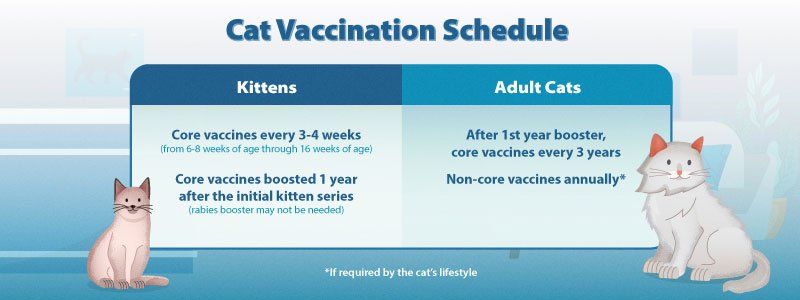
Contact your veterinarian to book a vaccination visit. Mention you want a rabies shot for your indoor cat. Some clinics offer online booking for convenience. Choose a time when your cat is calm and rested. This reduces stress during the visit. Prepare your cat’s medical records if available. This helps the vet check your cat’s health history before vaccination.
What To Expect During The Visit
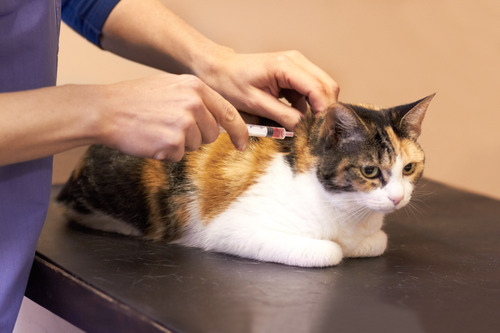
The vet will start with a quick health check. They look for signs of illness or injury. The rabies vaccine will be given as a small injection. Usually, it is placed under the skin. The process takes only a few minutes. Your cat may feel slight discomfort but it passes quickly. The vet may provide a vaccination certificate or tag. Keep this document safe for future reference.

Credit: weareallaboutcats.com
Frequently Asked Questions
Do Indoor Cats Really Need Rabies Vaccinations?
Yes, indoor cats need rabies shots to protect against accidental exposure. Rabies is fatal and legally required in many areas.
How Often Should Indoor Cats Get Rabies Shots?
Indoor cats typically require a rabies vaccine every 1 to 3 years. Follow your vet’s advice and local laws for timing.
Can Indoor Cats Catch Rabies Without Going Outside?
Indoor cats can catch rabies through bites from bats or other infected animals entering the home.
Is Rabies Vaccination Mandatory For Indoor Cats?
Most regions legally require rabies vaccination for all cats, including indoor-only pets, to prevent disease outbreaks.
Conclusion
Rabies shots protect cats from a serious disease. Even indoor cats can face risks. Vaccinating helps keep your cat safe and healthy. Talk to your vet about the best plan. Staying informed means better care for your pet. Don’t skip this important step in cat health.
Peace of mind comes with proper vaccinations. Your cat depends on you for protection. Simple actions make a big difference in safety. Keep your indoor cat healthy and happy.
