


Are you wondering if your indoor cat really needs vaccinations? It’s a common question for pet owners who keep their furry friends safe inside the house.
You might think that staying indoors means your cat is protected from diseases, but the truth is more surprising. Vaccinations play a key role in keeping your cat healthy, no matter where they live. Keep reading to discover why vaccinating your indoor cat is essential and how it can save you from costly vet visits and heartache down the line.
Don’t miss out on what every cat owner should know!
Why Vaccinations Matter
Vaccinations play a crucial role in keeping your indoor cat healthy. Even if your cat rarely ventures outside, vaccines help protect against various diseases. Immunization strengthens their immune system, reducing the risk of infections. Here, we explore why vaccinations are essential for indoor cats.
Common Diseases In Cats
Cats are susceptible to numerous diseases, regardless of their lifestyle. Feline calicivirus, feline herpesvirus, and feline leukemia virus are common threats. These viruses spread easily and can cause severe health problems. Vaccinations protect your cat from these common ailments.
Risks For Indoor Cats
Indoor cats face potential risks from their environment. Viruses can enter your home through shoes, clothing, or other pets. Additionally, if your cat escapes or mingles with other animals, they risk exposure. Vaccinations act as a safety net against these unforeseen situations.
Benefits Of Vaccination
Vaccinating your cat provides peace of mind. It reduces the chance of them contracting serious diseases. Vaccines also contribute to the overall well-being of the feline community. They prevent outbreaks by controlling the spread of contagious illnesses.

Credit: weareallaboutcats.com
Core Vaccines For Indoor Cats
Even if your cat spends most of its time indoors, core vaccines remain essential to protect it from serious diseases. These vaccines guard against infections that can spread through contact with other pets, contaminated objects, or even humans. Understanding these vaccines helps you make informed choices about your cat’s health.
Feline Herpesvirus
Feline Herpesvirus causes respiratory infections and eye problems in cats. It spreads easily, especially in multi-cat households or if your cat ever visits a vet or grooming facility. Vaccinating your cat can reduce the severity of symptoms and lower the chances of infection altogether.
Calicivirus
Calicivirus is another common cause of respiratory illness in cats. It leads to mouth ulcers, sneezing, and nasal discharge. Even indoor cats can get exposed through contaminated surfaces or visitors, so vaccination is a smart way to keep your feline friend comfortable and healthy.
Panleukopenia
Panleukopenia, also known as feline distemper, is a highly contagious and often fatal disease. It attacks the immune system and digestive tract, causing severe vomiting and diarrhea. This vaccine is critical because the virus can survive in the environment for a long time, putting indoor cats at risk if the virus is brought home inadvertently.
Non-core Vaccines To Consider
Non-core vaccines aren’t required for every indoor cat but might be important depending on your cat’s lifestyle and health risks. These vaccines protect against diseases that your cat could encounter in specific situations, such as visits to the vet, boarding, or if they have occasional outdoor access. Deciding which non-core vaccines to consider involves understanding your cat’s environment and potential exposure to certain illnesses.
Rabies Vaccine
Rabies is a deadly virus that affects all mammals, including cats. Even indoor cats can be at risk if a bat or other wild animal enters your home. Many states and countries legally require the rabies vaccine for cats, so it’s essential to check local regulations.
Vaccinating your cat against rabies is a crucial step to protect them and your family. It’s a vaccine you shouldn’t skip, no matter how sheltered your indoor cat seems.
Feline Leukemia Virus
Feline Leukemia Virus (FeLV) spreads through close contact with infected cats. If your indoor cat has no contact with other cats, the risk is low. However, if you plan to introduce new cats or your feline has brief outdoor exposure, vaccination might be worth considering.
FeLV can cause serious illness and weaken your cat’s immune system. Ask your vet if testing your cat for FeLV before vaccination makes sense in your situation.
Other Optional Vaccines
There are several other vaccines that might suit your cat’s lifestyle:
- Feline Bordetella:Useful if your cat visits boarding facilities or grooming salons frequently.
- Chlamydia felis:Consider if your cat interacts with many other cats, as this can cause eye infections.
- Feline Infectious Peritonitis (FIP):A rare but serious disease; vaccine use is controversial and generally limited.
Discussing these options with your vet helps tailor the best vaccination plan. What risks are you comfortable managing for your indoor cat?
Vaccination Schedule And Frequency
Vaccinations protect indoor cats from many diseases. Even cats that stay inside need shots. The vaccination schedule helps keep your cat safe and healthy. It varies by age and health status. Sticking to the right timeline ensures strong immunity over time.
Kitten Vaccination Timeline
Kittens need several vaccine doses early in life. The first shots start at about 6 to 8 weeks old. Follow-up vaccines come every 3 to 4 weeks until 16 weeks old.
- 6-8 weeks: Initial core vaccines
- 10-12 weeks: Second round
- 14-16 weeks: Final kitten vaccines
This schedule builds strong protection while the kitten’s immune system develops.
Adult Cat Boosters
Adult cats need booster shots to keep immunity high. Usually, boosters happen one year after the kitten series. After that, boosters occur every 1 to 3 years. The exact timing depends on vaccine type and vet advice.
- Yearly or triennial boosters
- Core vaccines include rabies and feline distemper
- Optional vaccines based on risk
Boosters prevent disease and help your cat stay healthy long term.
When To Consult A Vet
Talk to a vet before starting vaccinations. They check your cat’s health and suggest the best plan. Visit a vet if your cat misses shots or shows health issues. Vets adjust schedules for special cases like illness or age.
- Before first vaccines
- If vaccination dates are missed
- If your cat has health problems
Regular vet visits ensure your cat gets the right vaccines at the right time.
Potential Side Effects And Safety
Vaccinating your indoor cat is an important decision that involves weighing the benefits against potential side effects. Understanding the safety profile of vaccines can help you feel more confident in protecting your furry friend. While vaccines are generally safe, being aware of possible reactions and how to handle them ensures your cat’s well-being.
Common Mild Reactions
Most cats experience mild side effects after vaccination, which usually disappear within a day or two. These can include:
- Soreness or swelling at the injection site
- Temporary lethargy or reduced appetite
- Sneezing or mild coughing if a nasal vaccine was given
These reactions are typically harmless and indicate that the vaccine is activating the immune system. Keeping an eye on your cat during this time helps you notice if anything unusual develops.
Signs Of Serious Issues
Although rare, some cats may have serious reactions that need immediate veterinary care. Watch for symptoms like:
- Difficulty breathing or persistent vomiting
- Severe swelling, especially around the face or neck
- Collapse or extreme weakness
If you observe any of these signs, contact your vet right away. Early action can prevent complications and keep your cat safe.
How To Minimize Risks
You can reduce the chance of side effects by sharing your cat’s full health history with the vet before vaccination. This includes any allergies, past reactions, or current illnesses.
Choose a reputable veterinary clinic where staff are trained to monitor cats post-vaccination. Staying with your cat for at least 20 minutes after the shot lets you spot immediate reactions.
Finally, ask your vet about the vaccination schedule tailored for indoor cats; sometimes spacing out vaccines or skipping non-essential ones lowers risk without compromising protection.

Credit: millsanimalhospital.com
Alternatives And Complementary Care
Alternatives and complementary care help support an indoor cat’s health beyond vaccinations. These approaches reduce disease risk and improve overall well-being. They work best alongside regular vaccination plans and vet advice.
Boosting Immunity Naturally
Good nutrition is key to a strong immune system. Provide high-quality cat food rich in vitamins and minerals. Fresh water should always be available. Natural supplements like omega-3 fatty acids may help immune function. Regular play and exercise reduce stress and keep your cat healthy. A calm environment supports balanced immunity.
Indoor Environment Safety
Keep your home clean and free from harmful substances. Remove toxic plants, chemicals, and small objects your cat could swallow. Use air purifiers to reduce dust and allergens. Maintain litter box hygiene to prevent infections. Limit contact with outside animals to avoid disease transmission. Safe spaces reduce stress and promote well-being.
Regular Vet Checkups
Schedule vet visits at least once a year. Early detection of health issues improves treatment success. Vets can update vaccinations based on your cat’s lifestyle. Discuss any behavior or health changes with your vet. Regular exams help maintain your cat’s long-term health. Trusted professional care complements natural and environmental strategies.
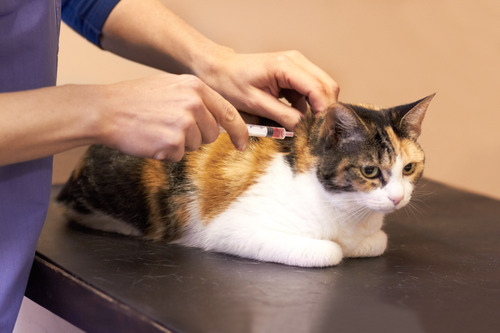
Credit: triangleanimalclinic.com
Frequently Asked Questions
Do Indoor Cats Really Need Vaccinations?
Yes, indoor cats need vaccinations to protect against diseases. Some infections can spread through human contact or other pets. Vaccinations help maintain your cat’s health and prevent costly treatments later.
Which Vaccines Are Essential For Indoor Cats?
Core vaccines for indoor cats include rabies, feline herpesvirus, calicivirus, and panleukopenia. These vaccines protect against common and serious diseases. Your vet can recommend specific vaccines based on your cat’s lifestyle.
How Often Should Indoor Cats Get Vaccinated?
Indoor cats typically need vaccinations every one to three years. The schedule depends on the vaccine type and your cat’s health status. Regular veterinary check-ups ensure timely boosters and adequate protection.
Can Indoor Cats Catch Diseases Without Outdoor Exposure?
Yes, indoor cats can catch diseases from visitors, other pets, or contaminated objects. Some viruses survive on surfaces and spread easily. Vaccinations reduce the risk of illness even if your cat stays indoors.
Conclusion
Vaccinations protect indoor cats from many serious diseases. Even cats that stay inside can catch infections. Germs can come in on your clothes or shoes. Shots help keep your cat healthy and safe. Talk to your vet about the right vaccines.
Stay on schedule with booster shots, too. A healthy cat means a happy home. Don’t skip vaccinations just because your cat stays indoors. Prevention is always better than treatment. Keep your furry friend protected all year round.
