

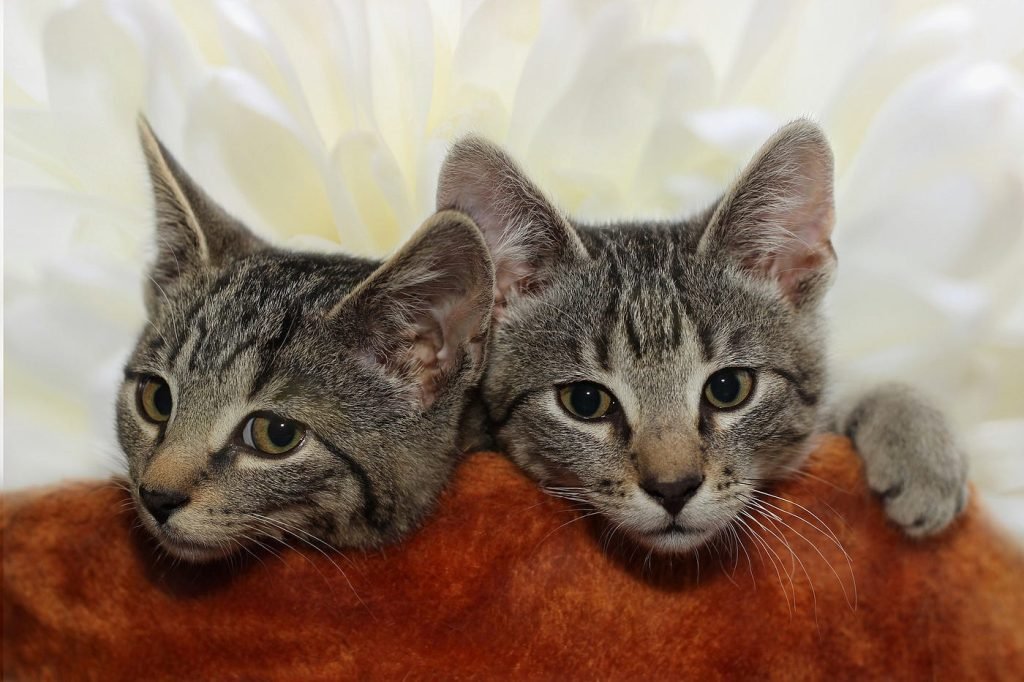
If you have two cats, you might be wondering: do you really need two litter boxes? It sounds simple, but the answer can affect your cats’ happiness and your home’s cleanliness.
Getting this right can save you from smelly surprises and stress for your furry friends. Keep reading to find out why having the right number of litter boxes matters—and how it can make life better for both you and your cats.

Credit: www.amazon.com
Benefits Of Multiple Litter Boxes
Having multiple litter boxes for two cats offers clear benefits. It helps keep peace, cleanliness, and comfort in your home. Cats feel better with their own space to do their business. This section explains the key advantages of providing more than one litter box.
Reduced Conflict
Cats can be territorial about litter boxes. Sharing one box may cause fights or stress. Multiple boxes lower tension by giving each cat its own spot. This reduces bullying and stops accidents outside the box. Peaceful cats mean a happier home.
Improved Hygiene
Two boxes keep waste cleaner and easier to manage. Cats do not have to use a dirty box. This lowers odor and the risk of infections. Clean boxes encourage cats to use them regularly. A tidy home smells fresh and feels healthy.
Enhanced Privacy
Cats value privacy during bathroom time. Separate boxes let each cat have quiet moments alone. This prevents anxiety and promotes good litter habits. Privacy respects their natural instincts and comfort. Cats use the litter box more willingly.
Behavioral Insights On Cats
Cats have unique behaviors that affect their litter box use. Understanding these behaviors helps decide if two litter boxes are necessary for two cats. Behavioral traits influence comfort and harmony in a shared space.
Territorial Nature
Cats are naturally territorial animals. They mark their space to feel safe and secure. Sharing a single litter box can cause tension. Each cat may prefer its own territory for bathroom needs. Separate litter boxes reduce conflicts and stress over territory.
Social Interactions
Cats have varied social habits. Some enjoy company, while others prefer solitude. Sharing a litter box might cause discomfort during social interactions. Multiple boxes give cats options to avoid each other when needed. This flexibility supports peaceful coexistence.
Stress Factors
Stress affects a cat’s health and behavior. Limited access to litter boxes can increase anxiety. Stress may lead to inappropriate elimination outside the box. Providing two litter boxes lowers stress and improves litter habits. It helps cats feel safe and relaxed.
Factors Influencing Litter Box Needs
Understanding the factors that influence how many litter boxes your cats need can save you time and keep your home cleaner. Not all cats use litter boxes the same way, and your living situation plays a big role. Let’s break down the key points that affect whether two cats need two separate boxes or if sharing one works.
Cat Personalities
Every cat is unique. Some cats are very territorial and prefer having their own litter box to avoid stress and conflict. Others are more easygoing and don’t mind sharing.
For example, if your cats don’t get along well or one is shy, providing separate boxes can prevent accidents outside the box. Have you noticed your cats avoiding the box after the other uses it? That could be a sign they want their own space.
Household Space
The amount of room you have affects how many litter boxes you can comfortably place. In small apartments, adding two boxes might feel cramped, but placing one box per cat in different spots can help.
Think about your layout: Can you put a box in a quiet corner for each cat? Cats dislike crowded or noisy areas near their bathroom spots. Your space might mean you need to get creative with box placement to keep both cats happy.
Litter Box Size And Type
The size and style of the litter box matter a lot. Larger boxes give cats room to move and dig, which reduces mess and stress. If you have two cats, bigger boxes can sometimes accommodate both, but it depends on their habits.
Covered boxes versus open boxes also influence preferences. Some cats prefer privacy, while others like open space. Have you tried observing which box type your cats lean towards? Matching the box style to their preference can cut down on litter box issues.

Credit: neakasa.com
Setting Up An Effective Litter Box System
Setting up an effective litter box system is crucial for the comfort of your cats and the cleanliness of your home. Proper setup reduces accidents and keeps your cats happy. It involves careful planning of where to place the boxes, how to maintain them, and what kind of litter to use. Each factor plays an important role in creating a stress-free environment for your pets.
Optimal Placement
Place litter boxes in quiet, low-traffic areas. Cats need privacy to feel safe while using the box. Avoid noisy spots like near washers or busy hallways. Ensure boxes are easy to access, especially for older cats. Keep boxes away from their food and water bowls. Spread boxes around your home if you have multiple cats. This prevents territorial issues and reduces stress.
Maintenance Routine
Clean litter boxes daily to keep odors low and bacteria away. Scoop out waste at least once a day. Change the litter completely once a week. Wash the box with mild soap and warm water during litter changes. Avoid strong-smelling cleaners that may scare cats. Keep a consistent cleaning schedule to encourage regular use. Monitor boxes for any signs of damage or wear and replace if needed.
Choosing The Right Litter
Select litter that clumps well for easy cleaning. Unscented litter is better for sensitive noses. Avoid dusty litters that can irritate respiratory systems. Try different types to find what your cats prefer. Some cats like fine granules, others prefer coarser textures. Consider eco-friendly options that are safe and biodegradable. Keep litter depth about 2-3 inches to allow digging and covering.
Potential Issues And Solutions
Sharing litter boxes can cause some problems between cats. Understanding these issues helps keep both cats happy and clean. Solutions often involve small changes in your home and habits.
Litter Box Aversion
Some cats avoid using a shared litter box. They may dislike the smell or feel crowded. This can cause accidents outside the box. Clean the box often to reduce odor. Use unscented litter that feels soft to paws. Offer enough space inside the box for comfort.
Multi-cat Dynamics
Two cats may compete over one box. This causes stress and can lead to fights. Each cat needs its own safe space. Place litter boxes in different quiet areas. Watch for signs of aggression near the boxes. Separate cats if problems continue.
Training Techniques
Teach cats to use litter boxes properly. Reward them with treats after use. Keep boxes in easy-to-find spots. If accidents happen, clean areas with enzyme cleaner. Avoid punishment; it can create fear. Be patient and consistent with training.
Expert Tips For Litter Box Management
Managing litter boxes for two cats can be a challenge without proper guidance. Experts offer practical tips to keep your cats happy and your home clean. Understanding their advice helps prevent common problems and keeps both cats comfortable.
Veterinarian Recommendations
Vets suggest having at least one litter box per cat plus one extra. This helps avoid territorial fights and accidents outside the box. Using unscented, clumping litter makes cleaning easier and cats more willing to use the box. Keep boxes in quiet, accessible spots to reduce stress.
Pet Behaviorist Advice
Behaviorists stress the importance of box placement. Avoid placing litter boxes near food or noisy areas. Cats like privacy and calm when they use the box. Monitor your cats for signs of stress or avoidance. Each cat may prefer a different type of box or litter texture.
Common Mistakes To Avoid
- Using one litter box for two cats only.
- Placing boxes in busy or loud areas.
- Waiting too long to clean the boxes.
- Using strong scented litter that repels cats.
- Ignoring signs of litter box problems or illness.
Credit: www.businessinsider.com
Frequently Asked Questions
Do Two Cats Need Separate Litter Boxes?
Yes, two cats should have two litter boxes to prevent territorial disputes and maintain hygiene. Separate boxes reduce stress and litter box avoidance behaviors.
Can One Litter Box Suffice For Two Cats?
One litter box is not ideal for two cats. It can cause overcrowding, leading to accidents and stress. Multiple boxes ensure comfort and cleanliness.
How Many Litter Boxes Are Recommended For Two Cats?
The general rule is one litter box per cat plus one extra. For two cats, three litter boxes are best to provide options and reduce conflicts.
Does Litter Box Sharing Affect Cat Behavior?
Sharing litter boxes can cause stress, aggression, and inappropriate elimination. Cats prefer their own space, so separate boxes help maintain harmony and comfort.
Conclusion
Two cats need their own litter boxes to stay happy and healthy. Sharing can cause stress and accidents. Separate boxes help avoid fights and keep things clean. Place boxes in quiet, easy-to-reach spots for your cats. Clean each box regularly to prevent odors and mess.
This simple step makes life better for both you and your pets. Give your cats space to feel safe and comfortable. Two boxes mean less trouble and more peace at home.
