

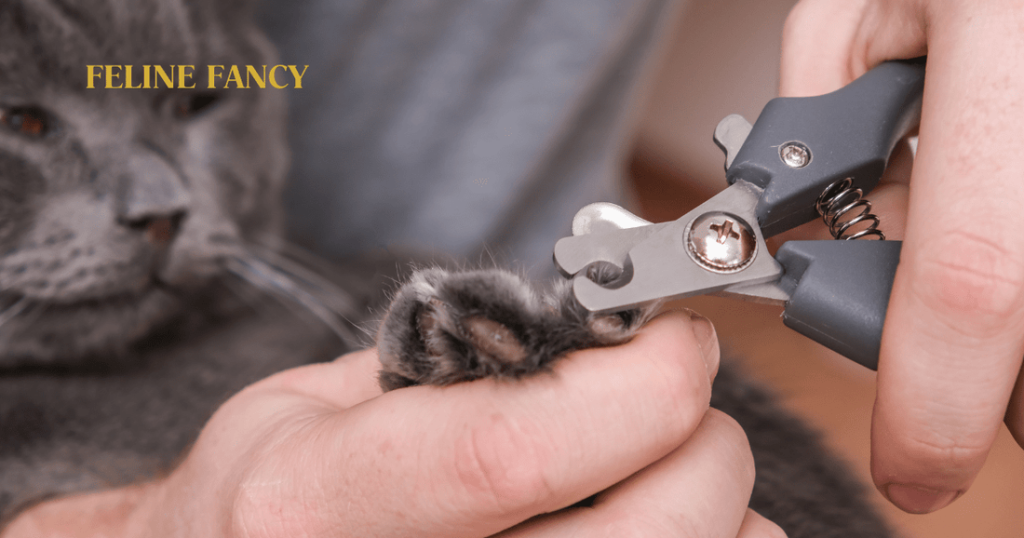
Are you wondering if you really need to cut your cat’s nails? It’s a common question for cat owners like you.
Keeping your cat’s nails trimmed isn’t just about looks—it can protect your furniture, your skin, and most importantly, your cat’s health. But how do you know when it’s time to trim, and what happens if you don’t? This article will guide you through everything you need to know to keep your furry friend comfortable and safe.
Stick with us, and you’ll feel confident handling your cat’s nails like a pro.
The Importance Of Cat Nail Care
Taking care of your cat’s nails is more than just a grooming task—it plays a key role in their overall health and comfort. Cats use their claws for many daily activities, but if nails grow too long, they can cause pain and injury. Regular nail care helps prevent these issues and keeps your feline friend happy and healthy.
The Risks Of Overgrown Nails
Overgrown nails can curl and dig into your cat’s paw pads, causing discomfort or infections. Have you ever noticed your cat limping or avoiding certain activities? Long nails might be the culprit. They can also catch on carpets, furniture, or even your clothes, leading to sudden, painful breaks.
How Nail Care Affects Behavior
When nails get too long, cats may change how they walk or play to avoid pain. This can make them less active and more withdrawn. You might even see increased scratching on furniture as they try to manage discomfort, which can be frustrating for you and stressful for them.
Protecting Your Home And Yourself
Keeping nails trimmed reduces damage to your furniture and lowers the risk of accidental scratches to you and your family. Cats often use their claws when they feel scared or playful, so shorter nails mean less harm during these moments. It’s a simple way to maintain a peaceful home environment.
Signs Your Cat Needs Nail Care
- Clicking sounds when they walk on hard floors
- Visible curling or snagging of nails
- Reluctance to jump or climb
- Increased scratching of furniture or skin
Noticing these signs early can save your cat from unnecessary pain. When was the last time you checked your cat’s nails?
Signs Your Cat’s Nails Need Trimming
Knowing when to trim your cat’s nails is key to keeping them comfortable and safe. Cats don’t always show obvious signs of overgrown nails, so you need to watch closely for subtle clues. Spotting these signs early helps you avoid scratches, injuries, and damage to your home.
Visible Claws When Relaxed
Have you noticed your cat’s claws sticking out even when they’re just lounging around? Healthy nails usually retract when your cat is calm. If you see the tips of their claws poking through, it’s a clear sign they need trimming.
Long nails can cause discomfort or even hurt your cat’s paws. I once ignored this and my cat started limping because her nails grew too long and curled into her paw pads. Don’t let it get that far—check their paws regularly.
Scratching Damage To Furniture
Are your sofas or curtains showing more scratches than usual? While scratching is natural for cats, excessive damage might mean their nails are too sharp or long. When nails extend beyond a comfortable length, cats tend to scratch more vigorously to file them down.
Think about it—would you keep using a dull nail file or a sharp one? Cats prefer sharper claws for scratching, but it can lead to unwanted damage. Trimming can reduce this behavior and protect your home without stopping your cat from expressing their instincts.
Benefits Of Regular Nail Trimming
Regular nail trimming offers clear benefits for your cat’s health and comfort. It’s not just about keeping those claws neat; it helps avoid many potential problems that can affect your furry friend’s daily life. Taking a few minutes to trim your cat’s nails can save you from dealing with pain, infections, and even costly vet visits.
Prevention Of Overgrowth
When nails grow too long, they can curl and dig into the paw pads, causing pain and infections. Overgrown nails make walking uncomfortable and can change your cat’s posture or gait. Trimming regularly stops nails from becoming overgrown and keeps your cat moving comfortably.
Have you ever noticed your cat limping or reluctant to jump? Long nails might be the hidden cause. Keeping nails trimmed prevents these issues and helps your cat stay active and playful.
Reduced Risk Of Injury
Sharp, long nails can easily get caught in carpets, furniture, or even skin—leading to painful breaks or scratches. Regular trimming lowers the chance of such injuries, protecting both your cat and you. It also reduces the risk of infections that can start from broken nails or scratches.
Think about how often your cat uses their claws for scratching or climbing. By keeping nails at a safe length, you help avoid accidents that disrupt their daily activities. Isn’t it worth a few minutes of trimming to keep your cat safer and happier?
Credit: homeatlastrescue.ca
Choosing The Right Tools
Choosing the right tools makes cat nail trimming easier and safer. The right tools help avoid hurting your cat. They give you better control and precision. Good tools make the process quick and less stressful. Always pick tools made for cats, not for other pets or humans.
Types Of Cat Nail Clippers
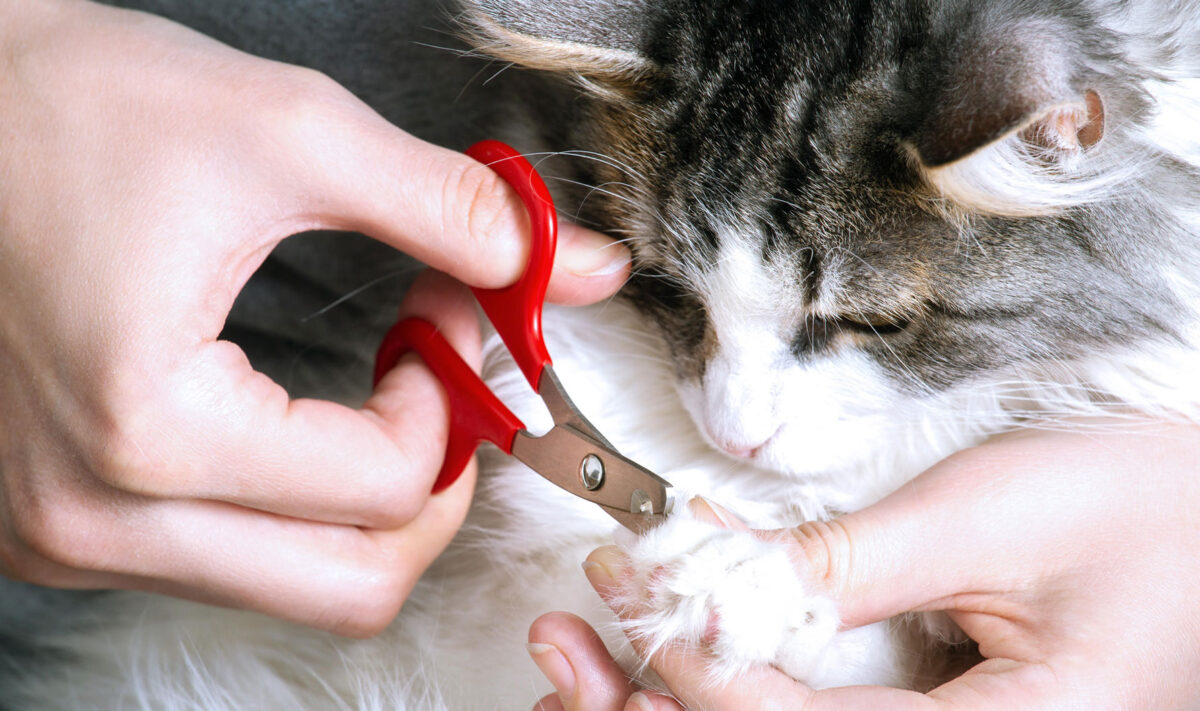
There are several types of clippers designed for cats. Each one suits different needs and preferences.
- Scissor-type clippers:Look like small scissors. Good for cats with small nails. Easy to control but require careful handling.
- Guillotine clippers:Have a hole where you place the nail. Pressing the handle cuts the nail. Works well for most cats. Provides clean cuts.
- Electric nail grinders:Use a rotating file to smooth nails. Great for cats who dislike clipping. Can shape nails gently and reduce sharp edges.
Choosing A Suitable File
Files help smooth rough nail edges after clipping. They prevent scratches and discomfort for your cat.
- Manual nail files:Small and easy to use. Great for finishing touches. Needs gentle rubbing on the nail edges.
- Electric nail grinders:Offer faster smoothing. Less effort needed. Must be used carefully to avoid over-grinding.
Pick a file based on your cat’s tolerance and your comfort. Soft and quiet tools work best for anxious cats.
Steps To Safely Trim Cat Nails
Trimming your cat’s nails can seem tricky at first, but breaking it down into clear steps makes the process smoother and less stressful for both of you. Knowing how to prepare your cat and use the right technique ensures safety and comfort. Let’s walk through practical ways to keep your cat’s claws in check without causing any harm or anxiety.
Preparing Your Cat
Start by creating a calm environment where your cat feels safe. Choose a quiet spot and have treats ready to reward good behavior. Gently handle your cat’s paws daily before trimming day to get them used to the sensation.
If your cat resists, try wrapping them in a soft towel, leaving one paw out at a time. This keeps them secure while you work. Remember, patience is key—stop if your cat becomes too stressed and try again later.
Proper Trimming Technique
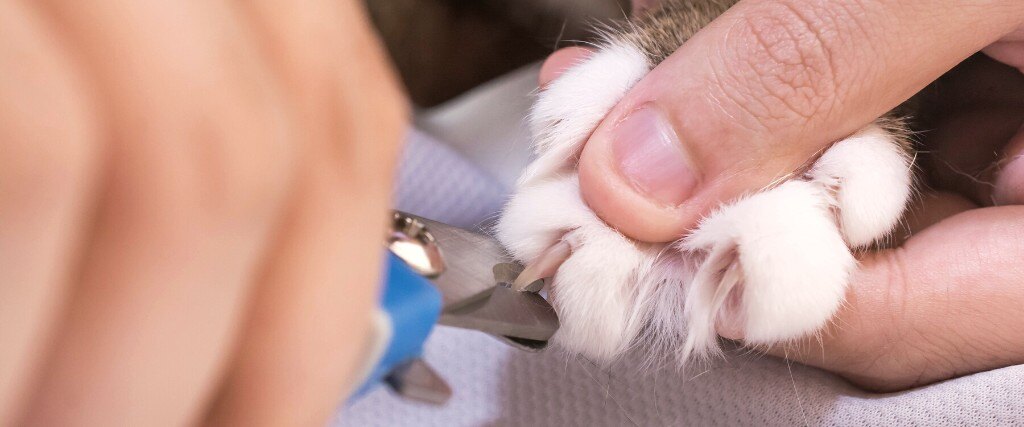
Use sharp, cat-specific nail clippers to avoid crushing the nails. Hold your cat’s paw firmly but gently, and press the pad to extend the claw. Focus on cutting only the sharp tip, staying clear of the pink quick inside the nail.
If you’re unsure where the quick ends, trim just a tiny bit at a time. Stopping before you see a small black dot or pink area helps prevent bleeding. Keep styptic powder or cornstarch handy in case of accidental cuts.
Do you know how quickly a single stressful session can turn into a routine your cat dreads? Keeping sessions short and positive builds trust and makes future trims easier. How might you adjust your approach to fit your cat’s unique personality?
Credit: leospetcare.com
Handling Resistant Cats
Handling a cat that resists nail trimming can feel like a tough challenge. Cats often dislike having their paws touched, making the process stressful for both of you. But with patience and the right approach, you can make nail cutting easier and less frightening for your feline friend.
Gentle Restraint Methods
Keeping your cat calm and still is key to trimming nails safely. Wrapping your cat gently in a soft towel can help limit movement without causing panic. This method works well if your cat tolerates being snug but not fully restrained.
Another technique is to sit your cat on your lap and hold them close, supporting their body firmly but gently. Use one hand to hold the paw and the other to trim. Always stay calm—your cat can sense your mood and will respond accordingly.
Have you ever noticed how a quick, confident hold prevents struggling better than a tight grip? Try to avoid forcing your cat into uncomfortable positions; instead, find a natural way that feels secure for both of you.
Positive Reinforcement Tips
Rewarding your cat during and after nail trimming builds positive associations. Use treats your cat loves or gentle petting to encourage cooperation. Even short sessions with praise can make future trims easier.
Try breaking the trimming into small steps. Clip one or two nails, then stop and reward. Gradually increase the number over time as your cat becomes more comfortable.
Ask yourself: how can you turn nail trimming into a bonding moment rather than a battle? Your cat will learn to trust the process if you stay patient and kind throughout.
When To Seek Professional Help
Knowing when to seek professional help for your cat’s nail care is important. Some situations need expert attention to avoid pain or infection. A vet or groomer can provide safe and effective care in these cases.
Signs Of Nail Infections
Look for redness or swelling around the nails. Discharge or pus near the nail base signals infection. Your cat may lick or bite the paws more than usual. Limping or reluctance to walk can also show discomfort. Nail infections need prompt treatment by a professional to prevent worsening.
Frequent Grooming Needs
Some cats have nails that grow very fast or curl inward. These nails can cause pain or injury if not trimmed regularly. Cats with medical conditions or older cats might need frequent grooming. Professionals can handle difficult nails safely and reduce stress for your cat. Regular visits keep your cat comfortable and healthy.

Credit: justcatsclinic.com
Myths About Cat Nail Trimming
Cats need nail care just like people need haircuts. Many cat owners hesitate to trim nails because of common myths. These myths cause unnecessary worry and confusion. Understanding the truth helps keep cats healthy and happy.
Misconceptions About Pain
Many think trimming cat nails hurts them. Cats have a quick inside their nails, full of nerves and blood. Cutting past the quick causes pain and bleeding. Proper trimming avoids this area and does not hurt cats.
Regular nail care helps cats stay comfortable. It prevents nails from growing too long or curling into the paw. Most cats get used to gentle trimming over time. It can even be a bonding moment between owner and pet.
Nail Trimming Vs. Declawing
Some confuse nail trimming with declawing. Declawing removes the entire claw and part of the toe bone. It causes pain and long-term problems for cats. Nail trimming only cuts the sharp tip of the claw.
Trimming nails keeps cats safe without harming them. Declawing is harmful and often banned in many places. Nail care is a gentle, healthy way to protect furniture and skin.
Frequently Asked Questions
How Often Should You Cut A Cat’s Nails?
Cats’ nails should be trimmed every 10 to 14 days. Regular clipping prevents overgrowth and reduces scratching damage. Some cats need more frequent trims if they are very active or indoor-only.
What Are The Signs Your Cat’s Nails Need Cutting?
Look for clicking sounds on hard floors or nails curling into paw pads. Scratching furniture excessively or snagging fabric also indicates nail trimming is necessary.
Can Cutting Cat Nails Prevent Furniture Damage?
Yes, trimming cat nails regularly helps protect furniture from scratches. Short nails cause less damage and reduce the risk of snagging or tearing upholstery.
Is It Safe To Cut A Cat’s Nails At Home?
Yes, with the right tools and technique, cutting nails at home is safe. Use proper cat nail clippers and avoid cutting the quick to prevent pain.
Conclusion
Cutting your cat’s nails keeps them healthy and safe. Short nails stop scratches on furniture and skin. Regular trimming helps avoid painful nail problems. Cats may feel more comfortable and relaxed too. Watch your cat’s nails often to know when to trim.
Use gentle care and patience during the process. Taking small steps makes nail cutting easier for both. Keeping nails tidy is a small task with big benefits. Your cat will thank you with happy purring and play.
