


Have you ever wondered if your cat really needs its teeth brushed? You might think cats take care of their own dental health, but the truth could surprise you.
Just like you, your furry friend can suffer from tooth decay, gum disease, and bad breath. Ignoring your cat’s dental care can lead to pain and costly vet visits. But don’t worry—learning how to brush your cat’s teeth is easier than you think.
Keep reading to discover why brushing your cat’s teeth matters and how you can keep their smile healthy and bright.
Importance Of Cat Dental Care
Taking care of your cat’s teeth is more than just a hygiene task—it impacts their overall health and happiness. You might think cats naturally manage their dental health by chewing or eating dry food, but that’s not always enough. Ignoring dental care can lead to pain, infections, and serious health issues.
Have you ever noticed your cat avoiding food or pawing at their mouth? These could be signs of dental problems that affect their quality of life. Paying attention to their oral health can prevent these issues and keep your cat feeling their best.
Why Cat Teeth Need Regular Cleaning
Cat teeth can build up plaque and tartar just like human teeth. This buildup harbors bacteria that can cause bad breath, gum disease, and tooth decay. Without regular cleaning, these problems can escalate and cause discomfort or even tooth loss.
Unlike dogs, cats are less likely to show obvious signs of dental pain, making regular checks and cleaning vital. You might not see the problem until it becomes severe, so brushing can catch issues early.
Health Risks Linked To Poor Dental Care
Dental disease can affect more than just your cat’s mouth. Bacteria from infected gums can enter the bloodstream, potentially harming the heart, liver, and kidneys. This connection makes dental care an essential part of your cat’s overall health routine.
Ignoring your cat’s dental health can lead to expensive vet visits and complicated treatments. Preventing these risks through simple daily care saves stress and money in the long run.
Benefits Of Early Dental Care Habits
- Reduces the chance of painful dental diseases.
- Keeps your cat’s breath fresh and pleasant.
- Supports better eating habits and nutrition.
- Enhances your bond by making grooming a positive experience.
Starting dental care early helps your cat get used to the routine, making brushing less stressful for both of you. What small change can you make today to improve your cat’s dental health?
Signs Of Dental Problems In Cats
Recognizing the signs of dental problems in your cat is essential for their health and happiness. Dental issues can cause pain and lead to serious infections if left untreated. Watching for early warning signs helps you act quickly and keep your feline friend comfortable.
Changes In Eating Habits
If your cat suddenly starts eating less or avoids hard food, it could be due to dental pain. You might notice them chewing on one side or dropping food while eating. These subtle changes often indicate discomfort in their mouth.
Bad Breath
Foul breath is one of the most common signs of dental disease in cats. While cat breath isn’t expected to be minty fresh, a strong, unpleasant odor means bacteria are likely building up. This is a clear signal to check their teeth and gums.
Red Or Swollen Gums
Healthy gums are usually pink and firm. If you spot redness, swelling, or bleeding, your cat might be suffering from gingivitis or other gum problems. These symptoms often accompany tooth decay and require prompt attention.
Excessive Drooling
Is your cat drooling more than usual? Excess saliva can be a response to oral pain or irritation. This can also lead to wet fur around the mouth and discomfort while grooming.
Behavioral Changes
Cats in pain may become irritable, hide more, or avoid being touched around their head. These behavior shifts are often overlooked but can indicate dental distress. Have you noticed your cat acting differently lately?
Visible Tartar Or Broken Teeth
When you look closely, you might see yellow or brown buildup on your cat’s teeth. Broken or loose teeth are also signs of dental problems. These visible issues mean it’s time for a vet visit.
How Often To Brush Cat Teeth
Brushing your cat’s teeth keeps their mouth healthy. It helps stop plaque and bad breath. Knowing how often to brush is key for good care.
Daily Brushing
Daily brushing is best to prevent dental problems. It removes plaque before it hardens. Cats with sensitive teeth need gentle brushing every day.
Every Other Day
Brushing every other day is better than once a week. It still helps reduce plaque and keeps gums healthy. This schedule suits cats new to tooth brushing.
Weekly Brushing
Weekly brushing is a good start for some cats. It lowers the risk of tartar buildup. Combine it with regular vet dental checkups for better results.
Signs To Brush More Often
- Bad breath that doesn’t go away
- Red or swollen gums
- Difficulty eating or chewing
- Visible tartar on teeth
These signs mean your cat needs more frequent brushing or a vet visit.
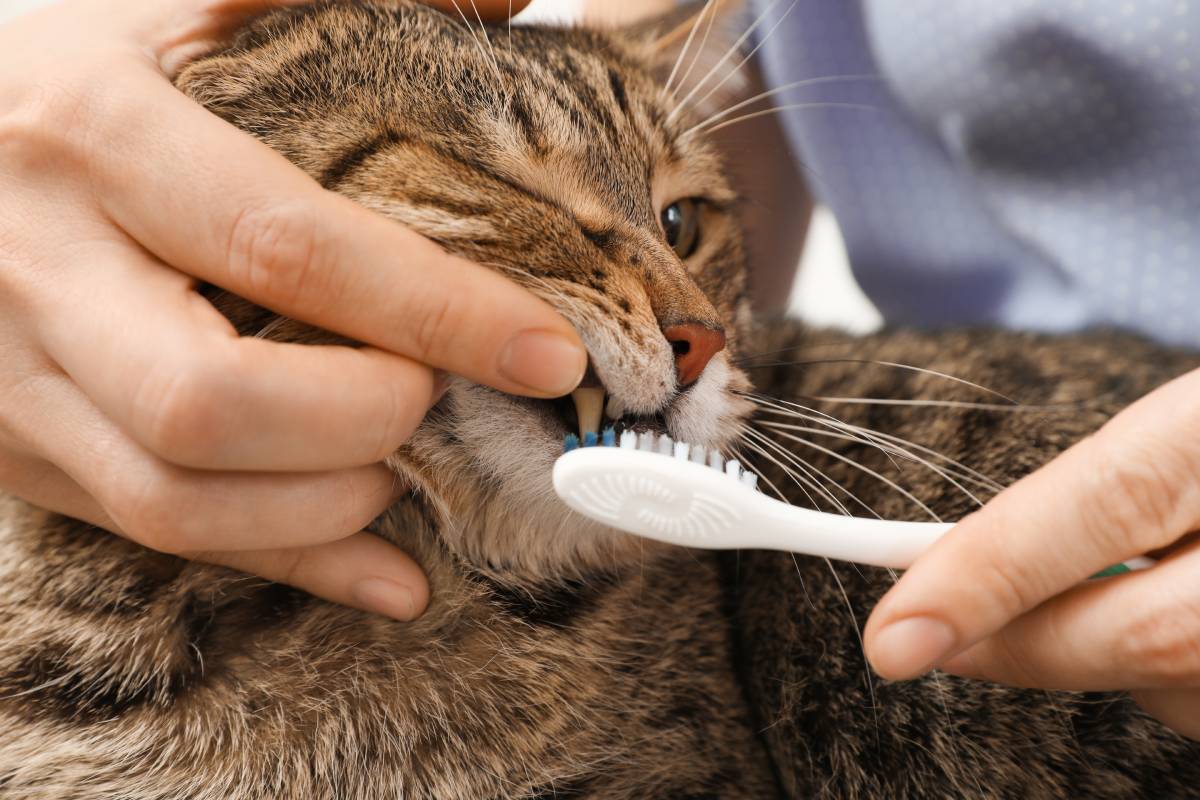
Credit: weareallaboutcats.com
Tools For Cat Dental Care
Maintaining your cat’s dental health requires the right tools. Good tools make brushing easier and safer. They help keep your cat’s teeth clean and gums healthy. Using the right items can make the experience pleasant for your cat.
Choosing The Right Toothbrush
Select a toothbrush made for cats. These brushes have soft bristles to protect sensitive gums. Small heads fit comfortably in your cat’s mouth. Some toothbrushes come with angled handles for better reach. Finger brushes are also a good choice for beginners. They offer more control and a gentle touch.
Selecting Cat-friendly Toothpaste
Use toothpaste made specifically for cats. Human toothpaste can harm your pet. Cat toothpaste often comes in flavors cats like, such as poultry or fish. It is safe to swallow and helps reduce plaque. Avoid foaming toothpaste as it might scare your cat. Regular use keeps your cat’s mouth fresh and clean.
Steps To Brush Your Cat’s Teeth
Brushing your cat’s teeth keeps their mouth healthy and fresh. It helps prevent gum disease and bad breath. Start slow and be patient. Let your cat get used to the process. Follow these steps to brush your cat’s teeth safely and gently.
Preparing Your Cat
- Choose a quiet, comfortable spot for brushing.
- Use a soft cat toothbrush or finger brush.
- Pick a toothpaste made for cats—never use human toothpaste.
- Let your cat sniff and taste the toothpaste first.
- Gently handle your cat’s mouth and teeth to get them used to touch.
Brushing Techniques
- Hold your cat securely but gently.
- Brush in small circles on the outside of teeth.
- Focus on the gum line where plaque builds up.
- Brush for about 30 seconds to one minute each session.
- Speak softly and stay calm during brushing.
Post-brushing Care
- Offer praise and gentle petting to reward your cat.
- Give a small treat made for cats after brushing.
- Check your cat’s mouth regularly for signs of problems.
- Keep brushing consistent—aim for a few times per week.
- Visit the vet for dental check-ups as recommended.

Credit: www.yahoo.com
Alternatives To Brushing
Brushing a cat’s teeth is not always easy. Many cats resist or get stressed. Luckily, there are other ways to help keep their teeth clean. These alternatives can support dental health and reduce plaque buildup. They work well for cats that don’t like brushing or need extra care.
Dental Treats And Toys
Dental treats are made to clean teeth as cats chew. They help remove plaque and freshen breath. Many treats have ingredients to fight tartar and bacteria. Chewing toys also help scrape off plaque gently.
- Choose treats designed for dental health.
- Offer treats regularly, but not too many.
- Use toys that encourage chewing and play.
These options can keep teeth cleaner and make dental care fun for your cat.
Professional Cleanings
Veterinarians can clean your cat’s teeth deeply. Professional cleanings remove tartar that brushing can’t reach. They also check for dental problems early. This helps prevent pain and infections.
- Schedule cleanings based on your vet’s advice.
- Regular visits help maintain oral health.
- Use these cleanings along with at-home care.
Professional cleanings are a key part of good dental care for cats.
Common Mistakes In Cat Dental Care
Taking care of your cat’s teeth is important for their health. Many pet owners try to help but make common mistakes. These errors can stop your efforts from working well. Understanding these mistakes helps you avoid them and keep your cat’s teeth healthy.
Skipping Regular Brushing
Many cat owners think brushing is not needed. This is wrong. Brushing removes food and plaque that cause problems. Without brushing, bacteria can build up and hurt teeth and gums.
Using Human Toothpaste
Human toothpaste can harm cats. It contains ingredients that are toxic to them. Always use toothpaste made for cats. These are safe and help clean their teeth properly.
Brushing Too Hard
Applying too much pressure can hurt your cat’s gums. Gentle brushing is enough to clean teeth. Hard brushing can make cats afraid and avoid the process.
Ignoring Dental Checkups
Regular vet visits are important. Vets check for hidden dental problems. Ignoring checkups can let small issues become serious pain and infection.
Not Starting Early
Brushing should start when cats are young. Young cats get used to brushing easier. Waiting too long makes it harder to begin dental care.
Benefits Of Regular Dental Care
Regular dental care for cats keeps their mouths healthy. It prevents pain and serious health problems. Brushing cat teeth lowers the risk of infections and bad breath. Healthy teeth help cats eat and enjoy their food.
Prevents Tooth Decay And Gum Disease
Brushing removes plaque and tartar that cause decay. It stops gum inflammation and bleeding. Healthy gums support strong teeth and reduce tooth loss.
Reduces Bad Breath
Dental care removes bacteria that cause bad breath. Fresh breath makes your cat more pleasant to be around. It also shows your cat’s mouth is clean and healthy.
Improves Overall Health
Oral infections can spread to the heart and kidneys. Regular brushing lowers this risk. Healthy teeth help your cat stay active and happy.
Saves Money On Vet Bills
Preventing dental problems means fewer vet visits. Treating severe dental disease can be costly. Regular care is a simple way to avoid extra expenses.

Credit: www.yahoo.com
Frequently Asked Questions
Do Cats Really Need Their Teeth Brushed Regularly?
Yes, cats need regular teeth brushing to prevent plaque and tartar buildup. It helps avoid gum disease and bad breath, keeping their mouth healthy and pain-free.
How Often Should I Brush My Cat’s Teeth?
Ideally, brush your cat’s teeth daily or at least three times a week. Consistent brushing maintains oral hygiene and reduces risks of dental problems.
Can I Use Human Toothpaste For Cat Teeth?
No, never use human toothpaste on cats. It contains harmful ingredients. Use only toothpaste specially formulated for cats to ensure safety.
What Are Signs My Cat’s Teeth Need Brushing?
Look for bad breath, drooling, red or swollen gums, and difficulty eating. These signs indicate dental issues needing immediate attention and regular brushing.
Conclusion
Brushing your cat’s teeth helps keep their mouth healthy. It stops bad breath and tooth problems early. Small daily steps make a big difference over time. Cats may resist at first, but patience pays off. A clean mouth means a happier, healthier cat.
Try to start brushing gently and often. Your cat will thank you with a bright smile and good health.
