

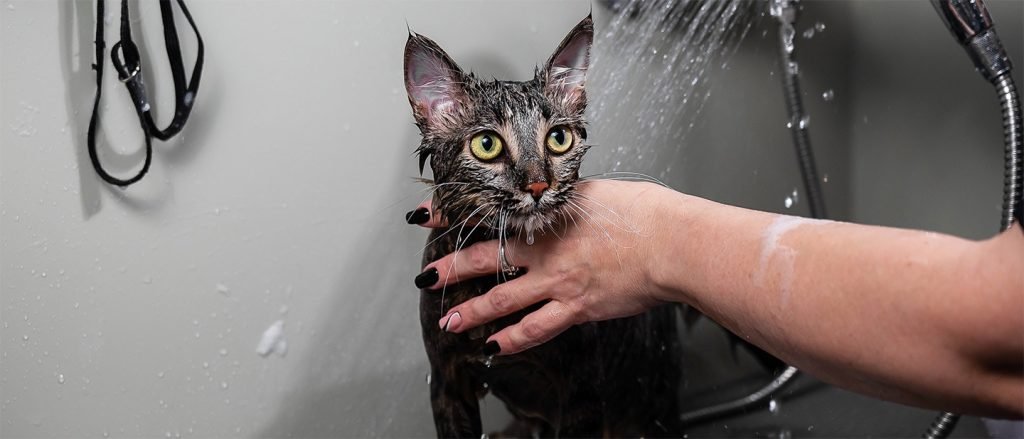
Have you ever wondered if your cat really needs a bath? You might think cats clean themselves well enough, but there’s more to the story.
Bathing your cat can be tricky, and knowing when and how to do it right can make a big difference for your pet’s health and happiness. Keep reading to discover the truth about bathing cats and find out if it’s something your furry friend actually needs.
Why Cats Usually Don’t Need Baths
Cats are known for their cleanliness. Many cat owners wonder if their furry friend needs a bath. The answer is usually no. Cats have natural ways to keep themselves clean. Let’s dive into why most cats don’t need baths.
Natural Grooming Habits
Cats groom themselves daily. They use their tongue to clean their fur. A cat’s tongue has tiny, hook-like structures. These help remove dirt and loose hair. This grooming process is effective. It keeps their coat shiny and clean.
Grooming is also a way for cats to relax. It helps them manage stress. They feel safe and comfortable when grooming. This behavior is deeply rooted in their instincts. It is a part of their daily routine.
Benefits Of Self-cleaning
Self-cleaning offers many benefits. It helps remove dead skin cells. This keeps the skin healthy. It also helps distribute natural oils. These oils make the fur soft and shiny.
Regular grooming helps prevent hairballs. Cats swallow loose hair during grooming. Self-cleaning helps manage this. It reduces the risk of hairballs forming. It keeps the digestive system healthy.
Self-cleaning also strengthens the bond with their environment. Cats leave their scent on their fur. This makes them feel secure and at home. It is a natural and effective cleaning method.
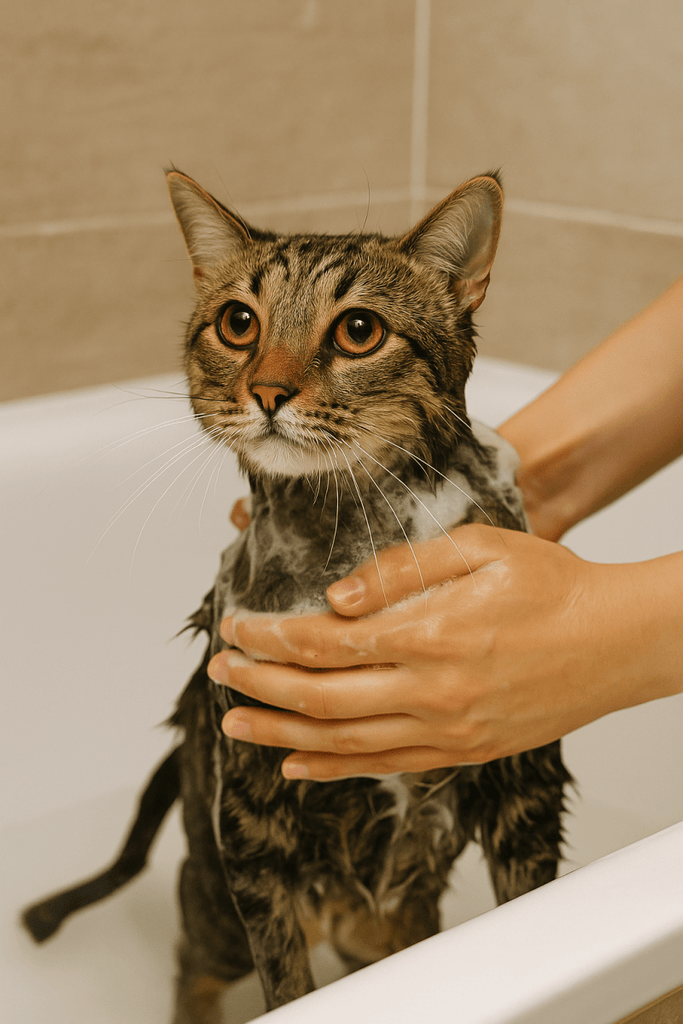
Credit: dirtbusters.co.uk
When Bathing Becomes Necessary
Bathing cats is not often needed, but some times it becomes important. Cats usually clean themselves well. Still, certain situations require a bath for their health and comfort. Knowing when to bathe a cat helps keep them clean and safe.
Dealing With Dirt And Odors
Sometimes cats get very dirty. Outdoor cats can have mud, dust, or sticky substances on their fur. Dirt can cause bad smells that regular grooming does not fix. A gentle bath removes grime and leaves the cat fresh. It also helps if the cat smells unpleasant for a long time.
Medical Or Skin Conditions
Some cats have skin problems or allergies. Vets may recommend bathing to soothe irritation or remove allergens. Special medicated shampoos can help heal skin issues. Bathing under vet guidance supports treatment and speeds up recovery. It reduces itching and prevents infections on the skin.
After Exposure To Harmful Substances
Cats may come in contact with harmful things like oils, chemicals, or toxins. These substances can hurt the cat’s skin or health. A quick bath is needed to wash off any dangerous material. This protects the cat from sickness and serious problems. Always use safe shampoos and warm water for washing.
Preparing For A Cat Bath
Preparing for a cat bath requires calm and careful planning. Cats dislike water, so creating a stress-free experience is important. Gather everything before you start. This helps the bath go smoothly and keeps your cat safe and comfortable.
Choosing The Right Shampoo
Use shampoo made for cats only. Human or dog shampoo can harm their skin. Look for gentle formulas without strong scents or harsh chemicals. Medicated shampoos may be needed for skin problems but ask a vet first. Always read the label to check ingredients and directions.
Setting Up A Safe Bathing Area
Pick a small, quiet space like a sink or bathtub. Use a non-slip mat to prevent slipping. The water should be warm, not hot or cold. Keep the room warm to avoid chills. Remove items that could fall or scare your cat. Close doors to stop escapes.
Gathering Towels And Supplies
Have several towels ready—one for drying and one for wrapping your cat. Keep a cup or small container for rinsing. Use a gentle spray nozzle or pour water slowly. Have treats nearby for calm rewards. Prepare everything before bringing your cat in.
Steps To Bathe Your Cat Safely
Bathing a cat can be a tricky task, but handling it with care makes all the difference. You want the experience to be as stress-free as possible for both you and your furry friend. Let’s walk through some practical steps that ensure your cat stays calm, comfortable, and clean.
Brushing Before Bathing
Start by giving your cat a thorough brushing. Removing loose fur and tangles prevents mats from getting worse when wet. This step also helps reduce shedding and makes the washing process smoother.
Brushing can calm your cat and create a positive connection before the bath. Have you noticed how some cats relax when you brush them? Use this to your advantage.
Using Lukewarm Water
Always use lukewarm water, around body temperature, to avoid shocking your cat. Cold water can make them uncomfortable and hot water can harm their sensitive skin. Test the water with your wrist to be sure it feels just right.
Pour water gently rather than spraying, which can scare your cat. A calm approach helps your cat feel safer during the bath.
Gentle Washing Techniques
Use a cat-specific shampoo or a mild pet shampoo recommended by your vet. Apply the shampoo carefully, focusing on areas that need cleaning without scrubbing too hard. Pay close attention to the neck, back, and tail, avoiding the face.
Keep your movements slow and soothing. Have you noticed how a calm voice can ease your cat’s nerves during grooming? Talk to your cat softly throughout the process.
Rinsing Thoroughly
Rinse all the shampoo out completely to prevent irritation. Leftover soap can cause itching and dryness. Use gentle water flow and check that no suds remain, especially under the belly and behind the ears.
Take your time rinsing, ensuring your cat feels comfortable and not rushed. How do you usually calm your cat during stressful moments? Use those techniques to help now.
Handling Cat Stress During Bath Time
Bathing a cat can quickly become a stressful event for both you and your furry friend. Cats are sensitive creatures, and the unfamiliar sensations of water, soap, and being handled can trigger anxiety or fear. Managing your cat’s stress during bath time is crucial to make the experience smoother and safer for both of you.
Calming Techniques
Start by creating a calm environment before you even bring out the water. Speak softly to your cat and offer gentle pets to reassure them. You might also try wrapping your cat loosely in a warm towel to provide comfort and reduce sudden movements.
Playing soft music or using pheromone sprays designed for cats can help lower anxiety levels. Keep the bathroom warm and draft-free; cold air only adds to discomfort. Remember, your calm demeanor influences your cat’s behavior—stay relaxed and patient.
Using Treats And Rewards
Positive reinforcement works wonders. Offer your cat small, tasty treats before, during, and after the bath to create a positive association. Use treats your cat loves but doesn’t get often, to make bath time feel like a special event.
Try to time the treats strategically. Giving a treat right after a calm moment or when your cat tolerates water well encourages good behavior. You can even praise your cat with a soothing voice to boost their confidence.
Recognizing When To Stop
Knowing when to pause or stop the bath is key to preventing trauma. If your cat starts hissing, growling, or struggling excessively, it’s a clear sign they are overwhelmed. Continuing could lead to injury or deepen their fear of baths.
Ask yourself: Is this bath essential today, or can it wait? Sometimes, a partial wipe-down or a dry shampoo can be a safer alternative. Protect your bond with your cat by respecting their limits and trying again another day.

Credit: felinefancy.co.uk
Alternatives To Bathing Cats
Bathing cats can be stressful for both pets and owners. Many cats dislike water and resist baths. Luckily, you can keep your cat clean without full baths. Several alternatives help maintain hygiene and comfort. These options are gentle and easy to use. They reduce the need for frequent bathing while keeping your cat fresh.
Using Cat Wipes
Cat wipes are a quick way to clean your cat’s fur. They remove dirt and oils without water. Use wipes made specifically for cats. These wipes are gentle and safe for sensitive skin. Wipe gently on your cat’s coat and paws. Avoid the eyes and ears. Cat wipes also help reduce odors and allergens.
Dry Shampoo Options
Dry shampoos are powders or sprays that clean without water. Sprinkle or spray on your cat’s fur. Rub it in lightly and brush off the excess. Dry shampoos absorb oils and dirt. Choose products designed for cats. They keep the coat soft and fresh. Dry shampoos are perfect for quick touch-ups between baths.
Regular Brushing Benefits
Brushing your cat often helps keep the coat clean and healthy. It removes loose hair, dirt, and dander. Regular brushing prevents mats and tangles. It also spreads natural oils that keep fur shiny. Use the right brush for your cat’s fur type. Brushing is a calm bonding time for you and your cat. It reduces hairballs and improves skin health.
Post-bath Care For Your Cat
Giving your cat a bath can be stressful for both of you, but what happens after the bath is just as important. Proper post-bath care ensures your cat stays comfortable, safe, and healthy. It also helps prevent skin issues and makes future baths easier for your furry friend.
Drying Methods
After a bath, drying your cat quickly and gently is essential. Most cats dislike loud noises, so avoid using a hairdryer on a high setting. Instead, wrap your cat in a soft, absorbent towel and gently pat them dry.
If your cat tolerates it, you can use a hairdryer on the lowest, coolest setting while keeping it at a safe distance. Some cats prefer air drying in a warm, draft-free room. Observe your cat’s behavior to choose the best method for them.
Keeping Cats Warm
Wet fur can quickly make your cat cold, which may lead to illness. After drying, place your cat in a cozy spot away from drafts. You can add a warm blanket or use a heated pet bed if your cat enjoys it.
Have you noticed how your cat seeks out sunny windows or warm corners after a bath? This instinct helps them regulate their body temperature naturally. Ensuring a warm environment supports their comfort and speeds up drying.
Monitoring Skin And Coat Health
Baths can sometimes dry out your cat’s skin or strip natural oils from their coat. Keep an eye on any signs of redness, itching, or flakiness in the days following the bath. These could indicate irritation or dryness that needs attention.
Brushing your cat regularly after bathing helps redistribute natural oils and keeps the coat shiny. If you spot persistent skin issues, consulting a vet is a good idea to prevent further discomfort. How often do you check your cat’s skin after grooming?
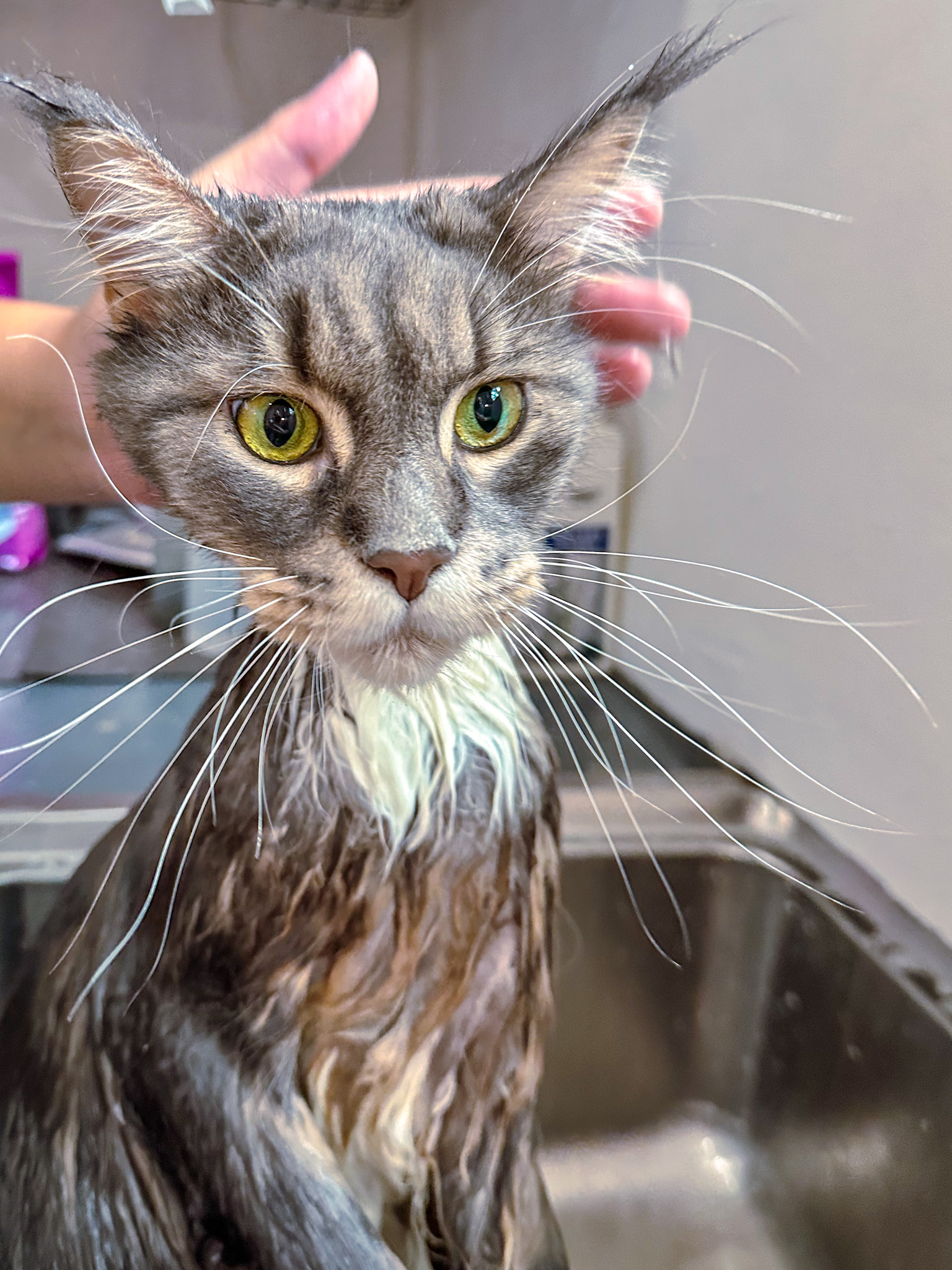
Credit: lazycathotel.com
Frequently Asked Questions
Do Cats Need Regular Baths For Hygiene?
Most cats groom themselves and rarely need baths. Bathing is only necessary if they get very dirty or have skin issues.
How Often Should I Bathe My Cat?
Bathing a cat is usually needed once every few months or only when dirty. Over-bathing can dry out their skin.
Can Bathing Harm My Cat’s Skin Or Fur?
Frequent bathing can strip natural oils, causing dry skin and fur. Use cat-safe shampoos and bathe only when necessary.
What If My Cat Hates Water And Bathing?
Many cats dislike water. Use gentle wipes or dry shampoos as alternatives to reduce stress during cleaning.
Conclusion
Bathing cats is not always needed. Most cats clean themselves well. Bathing helps if your cat is very dirty or has fleas. Use gentle shampoo made for cats only. Be careful and calm during the bath. Regular brushing often keeps your cat clean.
Know your cat’s needs before deciding to bathe. A clean cat is a happy cat. Keep your cat healthy with good care.
