


Have you ever wondered if your cat really needs a bath? You might think cats clean themselves well enough, but sometimes a little extra help is necessary.
Bathing your cat can seem tricky or even scary, but it doesn’t have to be. You’ll discover when and why you might need to bathe your furry friend, and how to do it without stress—for both you and your cat.
Keep reading to find simple tips that can make bath time easier and keep your cat happy and healthy.
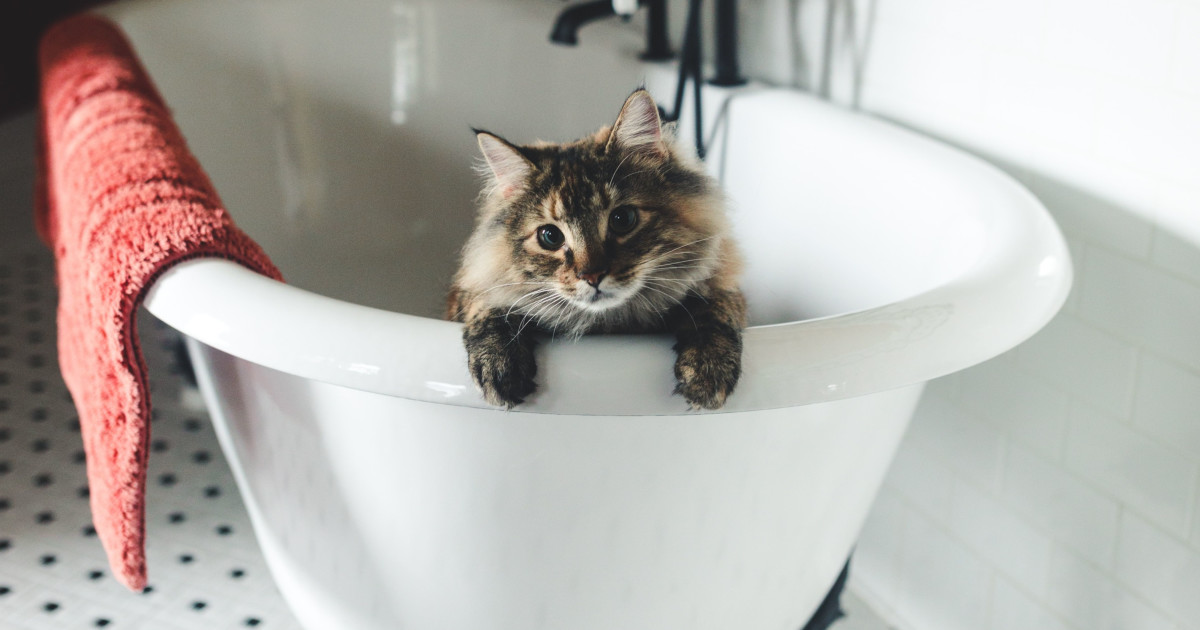
Credit: pethelpful.com
Cat Grooming Basics
Understanding the basics of cat grooming is essential for every cat owner. Grooming is not just about making your cat look good—it plays a big role in their health and happiness. You might wonder how often to groom your cat and what tools to use. Let’s break down these essentials to help you care for your feline friend effectively.
Brushing Your Cat’s Fur
Brushing removes loose hair and prevents mats that can cause discomfort. Short-haired cats may only need brushing once a week, while long-haired breeds benefit from daily sessions. Use a brush designed for your cat’s fur type to avoid irritation.
Have you noticed how your cat reacts during grooming? Some cats love it, while others need gentle encouragement. Try brushing after playtime or when your cat is relaxed to create a positive experience.
Cleaning Ears And Eyes
Check your cat’s ears weekly for dirt or wax buildup. Use a damp cotton ball to wipe gently—never insert anything deep into the ear canal. For the eyes, wipe away any discharge with a soft, damp cloth to prevent infections.
Regular checks can catch early signs of problems. If you see redness, swelling, or a foul smell, it’s time to consult your vet. Are you paying enough attention to these small but vital details?
Trimming Nails Safely
Clipping your cat’s nails keeps them from scratching furniture and reduces injury risks. Use a sharp, cat-specific nail clipper and avoid cutting too close to the pink quick inside the nail. If you’re unsure, ask your vet or groomer to show you how.
Not all cats tolerate nail trims right away. Gradually introduce the process by handling paws and rewarding your cat. How confident do you feel trimming your cat’s nails at home?
Bathing: When And How
Most cats groom themselves and rarely need baths. However, situations like skin conditions, dirt, or certain breeds with oily fur may require occasional washing. Use a mild cat shampoo and warm water, and make sure to rinse thoroughly to avoid irritation.
Bathing can be stressful for both you and your cat. Prepare everything beforehand and keep calm to help your cat feel safe. Have you ever tried bathing your cat? What worked or didn’t work for you?

Credit: felinefancy.co.uk
Natural Cleaning Habits
Cats are famously fastidious creatures. Their natural cleaning habits play a big role in why many owners wonder if they really need to bathe their cats. Understanding how cats groom themselves can help you decide when a bath might actually be necessary.
How Cats Groom Themselves
Cats use their tongues like tiny combs to clean their fur. The rough texture helps remove dirt and loose hair effectively. They spend a large part of their day licking to keep their coats spotless and shiny.
Have you noticed your cat’s meticulous licking after meals or naps? This behavior isn’t just about cleanliness—it also helps them regulate body temperature and reduce stress.
Why Their Tongue Is So Effective
The cat’s tongue is covered with tiny, hook-shaped structures called papillae. These act like a brush to detangle fur and remove debris. This natural tool is why cats rarely need help staying clean.
Think about how often you’ve seen your cat grooming itself compared to bathing. Their tongue’s design makes self-cleaning efficient and thorough.
When Natural Cleaning Isn’t Enough
Sometimes, cats get into substances that their tongue can’t remove, like sticky or toxic materials. Older cats or those with health issues may struggle to groom properly. In these cases, a bath might be necessary to maintain hygiene.
Ask yourself if your cat’s grooming habits are consistent or if you notice patches of dirt or matted fur. That’s a good signal that you might need to step in with a bath.
When Bathing Is Necessary
Bathing a cat isn’t something you need to do often, but there are times when it becomes necessary. Cats are great at grooming themselves, but certain situations demand a little help from you. Knowing when to step in can protect your cat’s health and keep them comfortable.
Health Issues
Sometimes, a cat’s health requires a bath. Skin conditions like dermatitis or fungal infections may call for medicated baths prescribed by your vet. If your cat struggles with obesity or arthritis, they might not groom themselves properly, making occasional baths important.
Have you noticed your cat scratching a lot or having bald patches? These signs could mean a bath with special shampoo is needed to soothe irritation and promote healing.
Flea And Tick Infestations
Fleas and ticks are more than annoying pests; they can cause serious health problems. If your cat has fleas or ticks, a bath with flea shampoo can help remove these parasites quickly. It’s often a critical step before applying other flea treatments.
Even if your cat is indoor-only, don’t assume they’re safe from pests. Fleas can hitch a ride on your clothes or other pets, so regular checks and baths when needed can prevent an infestation from taking hold.
Accidental Messes
Every cat owner has faced those unexpected messes—getting sprayed with mud, sticky substances, or even something smelly. In these cases, a bath is necessary to clean up and prevent your cat from ingesting harmful substances while grooming.
Have you ever tried wiping a cat down with a wet cloth only to find it wasn’t enough? Sometimes a full bath is the only way to truly get your cat clean and comfortable again.
Choosing The Right Products
Choosing the right products for bathing your cat is very important. Cats have sensitive skin and need gentle care. Using the wrong shampoo can cause irritation or dryness. Select products made especially for cats to keep their skin healthy and fur soft. Always check the label before buying any bath items for your pet.
Cat-friendly Shampoos
Cat-friendly shampoos are made to be safe and gentle. They clean without harming the natural oils on your cat’s skin. These shampoos often have a mild scent or no scent at all. Many contain ingredients that soothe the skin and prevent itching. Avoid using human shampoos or dog shampoos, which can be too harsh for cats.
Avoiding Harmful Ingredients
Some ingredients can be harmful to cats. Avoid shampoos with:
- Parabens
- Sulfates
- Artificial fragrances
- Alcohol
- Essential oils like tea tree or eucalyptus
These can irritate your cat’s skin or cause allergic reactions. Always choose products labeled safe for cats. If unsure, ask your vet for recommendations.
How To Bathe A Cat
Bathing a cat can seem tricky but is doable with the right approach. Cats usually groom themselves well, so they rarely need full baths. Sometimes a bath is necessary, such as when your cat gets into something sticky or dirty. Knowing how to bathe a cat safely helps keep them calm and clean.
Preparing The Bath Area
Choose a small, quiet room for the bath. A bathroom or laundry room works well. Use a sink or a shallow tub with warm water. Gather all supplies before starting:
- Cat-friendly shampoo
- A cup or small container for rinsing
- Two towels—one for drying, one for the floor
- A brush or comb
- A rubber mat to prevent slipping
Fill the sink or tub with just a few inches of warm water. Test the temperature to avoid burns or chills. Remove distractions and close doors to keep your cat safe.
Step-by-step Bathing Guide
Gently place your cat in the water. Speak softly to reassure them. Use a cup to wet your cat’s fur, avoiding the head area. Apply a small amount of shampoo and lather carefully. Focus on dirty spots, but be gentle.
Rinse the shampoo thoroughly using the cup. Make sure no soap remains, as it can irritate their skin. Keep water away from the eyes, ears, and nose. Use your hand to shield the face if needed.
Stay calm and patient throughout. Pause if your cat becomes too stressed. It helps to have a second person assist if possible.
Drying And Post-bath Care
Lift your cat out of the water carefully. Wrap them in a thick towel to soak up moisture. Gently rub to dry, but avoid vigorous rubbing. Use a hairdryer only if your cat tolerates it, on the lowest heat setting.
Brush your cat’s fur once mostly dry. This prevents mats and removes loose hair. Keep your cat in a warm room until fully dry. Offer treats and praise to create positive associations.
Alternatives To Bathing
Bathing a cat can be stressful for both you and your furry friend. Luckily, you don’t always need to give your cat a full bath to keep them clean. There are gentle and effective alternatives that can help maintain your cat’s hygiene without the hassle and anxiety of water baths.
Dry Shampoos
Dry shampoos designed for cats are a convenient way to freshen up your pet’s coat. These products absorb oils and dirt without needing water, making the process quick and easy.
Simply sprinkle or spray the dry shampoo onto your cat’s fur, then brush it out thoroughly. This not only removes dirt but also helps reduce shedding and keeps the coat shiny.
Have you ever noticed how some cats seem to groom themselves endlessly? Dry shampoos can support their natural cleaning habits, especially if they get into something messy or if you want to reduce allergens in your home.
Pet Wipes And Sprays
Pet wipes and sprays offer a gentle way to clean your cat’s fur and paws. They are especially useful for spot cleaning or wiping down after outdoor adventures.
Look for wipes that are free from harsh chemicals and fragrances to avoid irritating your cat’s sensitive skin. Sprays often contain soothing ingredients like aloe or chamomile, which help calm your cat during cleaning.
Using wipes or sprays can be less intimidating for your cat than a full bath. Plus, they allow you to clean specific areas without disturbing your cat’s entire coat.
Could these simple tools make your cat’s grooming routine easier and less stressful? Trying them might surprise you with how effective and hassle-free they are.
Tips For Stress-free Grooming
Grooming your cat doesn’t have to be a battle. The right approach can make the experience calm and even enjoyable for both of you. Focusing on creating a relaxed setting and rewarding good behavior helps reduce stress and builds trust during bath time or brushing sessions.
Creating A Calm Environment
Choose a quiet room where your cat feels safe. Close doors and windows to minimize loud noises that might startle them.
Use soft lighting instead of bright or flickering lights. This subtle change helps your cat stay calm and more cooperative.
Keep all grooming tools ready and within reach. This way, you avoid awkward pauses that could make your cat anxious.
Using Positive Reinforcement
Reward your cat with treats or gentle petting during and after grooming. This links the activity to something pleasant and encourages them to cooperate.
Talk to your cat in a soft, soothing voice. Your tone can reassure them and reduce tension.
If your cat resists, stop and try again later rather than forcing the process. Patience shows respect for their feelings and builds trust over time.
Common Mistakes To Avoid
Bathing a cat can be tricky. Many pet owners make mistakes that cause stress for both the cat and themselves. Avoiding common errors makes the experience smoother and safer.
Over-bathing
Bathing a cat too often strips its fur of natural oils. These oils protect the skin and keep the coat shiny. Over-bathing can cause dry, itchy skin and irritation. Cats usually clean themselves well and need baths only in special cases, like dirt or fleas.
- Limit baths to a few times a year unless the vet says otherwise.
- Use cat-specific shampoo to avoid harsh chemicals.
- Avoid daily or weekly baths unless necessary.
Improper Handling
Handling a cat roughly during a bath can cause injury or fear. Cats feel vulnerable when wet and restrained. Gentle, calm movements help keep the cat relaxed and safe.
- Support the cat’s body firmly but softly.
- Use a non-slip surface to prevent slipping.
- Keep water warm, not hot or cold, to avoid shock.
- Talk softly to soothe the cat during the bath.
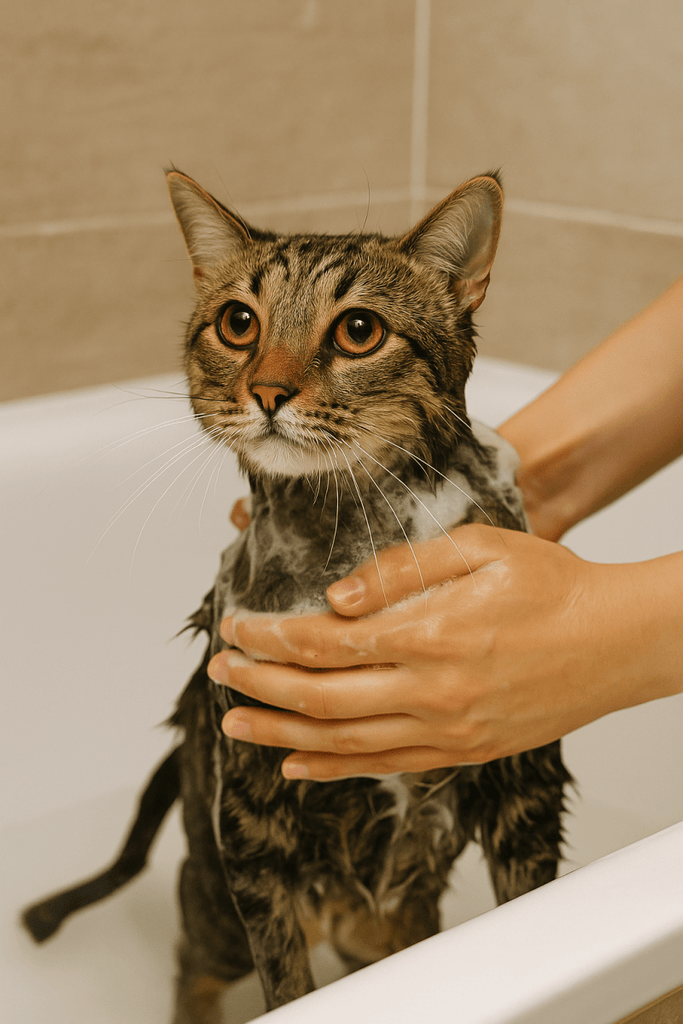
Credit: dirtbusters.co.uk
Frequently Asked Questions
Do Cats Need Regular Baths To Stay Clean?
Most cats groom themselves well and rarely need baths. Bathing is only necessary if they get very dirty or have skin issues.
How Often Should I Bathe My Cat Safely?
Bathing a cat once every few months is usually enough. Too frequent baths can dry out their skin and cause stress.
What Is The Best Shampoo For Bathing Cats?
Use a shampoo specially formulated for cats. Avoid human shampoos as they can irritate a cat’s sensitive skin.
Can Bathing Harm My Cat’s Natural Oils?
Yes, frequent bathing can strip natural oils from their fur. This can lead to dry, itchy skin and coat problems.
Conclusion
Bathing a cat is not always needed. Most cats clean themselves well. Only bathe if your cat is very dirty or has fleas. Use gentle shampoo made for cats. Keep baths short and calm. Regular brushing helps keep fur clean and healthy.
Watch your cat’s behavior to avoid stress. Clean cats are happy cats. Taking care of their hygiene helps them feel good. Remember, less is often more with cat baths.
