

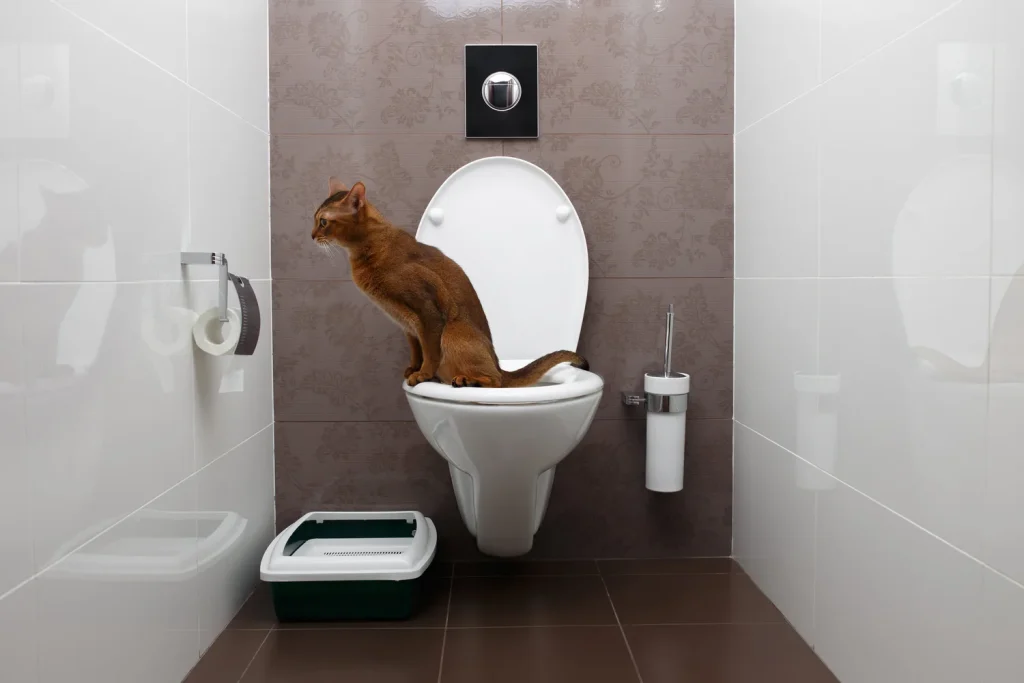
Are you tired of cleaning up after your cat’s accidents? Wondering if you really have to potty train your feline friend?
You’re not alone. Many cat owners ask themselves if potty training is necessary or even possible. The good news is, understanding how cats use the litter box and whether you can guide their behavior can make a huge difference in your home.
Keep reading to discover what potty training cats really involves and how it can make your life easier.
Cat Potty Training Basics
Understanding cat potty training basics helps pet owners manage their pets’ bathroom habits better. Cats naturally want a clean and private spot for their needs. Training a cat involves knowing how they behave and learn. This knowledge makes the process smoother for both cat and owner.
Natural Litter Box Habits
Cats instinctively bury their waste. This behavior keeps their space clean and hides their scent from predators. Most cats prefer soft, sandy surfaces for this. They avoid hard or rough textures when eliminating. A suitable litter box mimics this natural environment.
How Cats Learn
Cats learn by repetition and positive experiences. They watch and imitate other cats or humans. Consistency helps them understand what is expected. Gentle encouragement and rewards strengthen good habits. Patience is key during training sessions.
Common Misconceptions
- Cats do not need potty training like dogs. They usually use litter boxes naturally.
- Scratching or marking is not always a sign of poor training.
- Punishing cats for accidents creates fear and confusion.
- Changing litter types suddenly can confuse cats.
- All cats prefer the same litter box style and location.
Credit: www.chewy.com
Benefits Of Potty Training Cats
Potty training cats offers many advantages for both pets and owners. It helps keep the home clean and reduces the hassle of litter boxes. Training also benefits the environment and makes caring for cats easier.
Hygiene And Cleanliness
Potty training cats keeps your home fresher. No more litter scattered on floors. It reduces odors from cat waste. It also lowers the chance of bacteria spreading. This helps protect family health. Cats trained to use the toilet avoid messes.
Convenience For Owners
Owners save time by skipping litter box cleaning. No need to buy or change cat litter. It makes travel easier without carrying supplies. The home stays neat with less cleanup. Potty training fits well with busy lifestyles. It simplifies daily cat care routines.
Environmental Impact
Potty training cuts down litter waste. Less litter means fewer plastic bags used. It helps reduce landfill pollution. Cat litter production uses natural resources. Training cats reduces demand for litter products. This small change helps protect the planet.
Potty Training Methods
Potty training cats might sound challenging, but understanding the different methods can make the process smoother for both you and your feline friend. Each cat is unique, so finding the right approach depends on your cat’s personality and your living situation. Let’s dive into some practical ways to help your cat learn where to go.
Litter Box Training
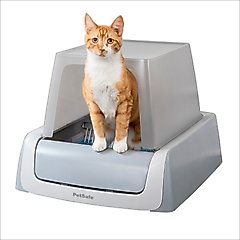
Litter box training is the most common and natural way to potty train cats. Cats instinctively bury their waste, so providing a clean, accessible litter box meets their needs.
Place the litter box in a quiet, low-traffic area. Keep it clean by scooping daily and changing the litter regularly to avoid odors that might deter your cat.
If your cat is hesitant, try different types of litter—some prefer fine-grained, unscented litter. Have you noticed your cat’s preference for certain textures or smells? Paying attention to these details can speed up training.
Using Training Pads
Training pads are a useful option if a litter box isn’t practical, such as in small apartments or for older cats with mobility issues. These pads absorb urine and keep the area tidy.
Start by placing pads in spots where your cat tends to go. Gradually, you can move the pads closer to the litter box, encouraging your cat to transition.
Keep in mind that pads need frequent changing to prevent odors. Have you tried this method and found it works better in certain areas of your home?
Toilet Training Techniques
Toilet training cats is less common but possible with patience and consistency. This method eliminates the need for litter boxes and pads entirely.
Begin by placing a litter box near the toilet, then gradually raise its height over days or weeks. Eventually, replace the litter box with a special cat toilet seat.
Be patient—this process can take several weeks. Some cats take to it quickly, while others might resist. Would you consider this method if it meant less cleaning for you?
Challenges In Training Cats
Training cats to use the litter box or toilet can be tricky. Cats have unique habits and behaviors that make potty training a challenge. Understanding these challenges helps set realistic goals and expectations for cat owners.
Behavioral Obstacles
Cats are independent animals. They may resist changes in their routine. Some cats dislike using new or unfamiliar spots for potty. Stress or fear can cause cats to avoid training. Territorial instincts may lead cats to mark areas with urine. These behaviors slow down potty training progress.
Health Concerns
Health issues can affect a cat’s potty habits. Urinary tract infections or bladder problems cause accidents. Pain or discomfort may stop cats from using the litter box. Owners must watch for signs of illness. Regular vet visits help detect problems early. Health concerns often require treatment before training continues.
Consistency Issues
Consistency is key in training cats. Irregular routines confuse cats and delay learning. Different family members using different methods cause mixed signals. Inconsistent cleaning of litter boxes can discourage cats. A steady routine helps cats understand expectations. Patience and persistence improve training success.
Tips For Successful Training
Training a cat to use the potty can seem tricky. Success depends on the right approach and tools. Understanding key tips helps create a smooth training process. Focus on the right equipment, rewards, and timing to guide your cat well.
Choosing The Right Equipment
Selecting suitable tools makes training easier. Start with a sturdy, stable litter box or a special cat toilet trainer. Ensure it fits your bathroom space and your cat’s size. Avoid sharp edges or unstable setups that scare your cat. Use unscented, clumping litter to encourage use. Gradually switch to less litter or water as your cat adapts.
Positive Reinforcement
Reward good behavior to motivate your cat. Use treats, gentle petting, or soft praise immediately after success. Avoid punishment; it creates fear and confusion. Keep rewards consistent to build a strong habit. Celebrate small wins during the process to keep your cat confident.
Patience And Timing
Training takes time and calm effort. Watch your cat’s natural bathroom schedule to plan sessions. Change habits slowly to avoid stress. Expect occasional accidents and learn from them. Stay calm and patient throughout the process. Short, frequent training sessions work better than long ones. Consistency beats speed in building new habits.

Credit: www.purina.com
When To Seek Professional Help
Potty training a cat usually goes smoothly, but sometimes you might hit a wall. Knowing when to seek professional help can save you frustration and protect your cat’s well-being. Ignoring certain signs could lead to bigger problems down the road.
Signs Of Stress Or Anxiety
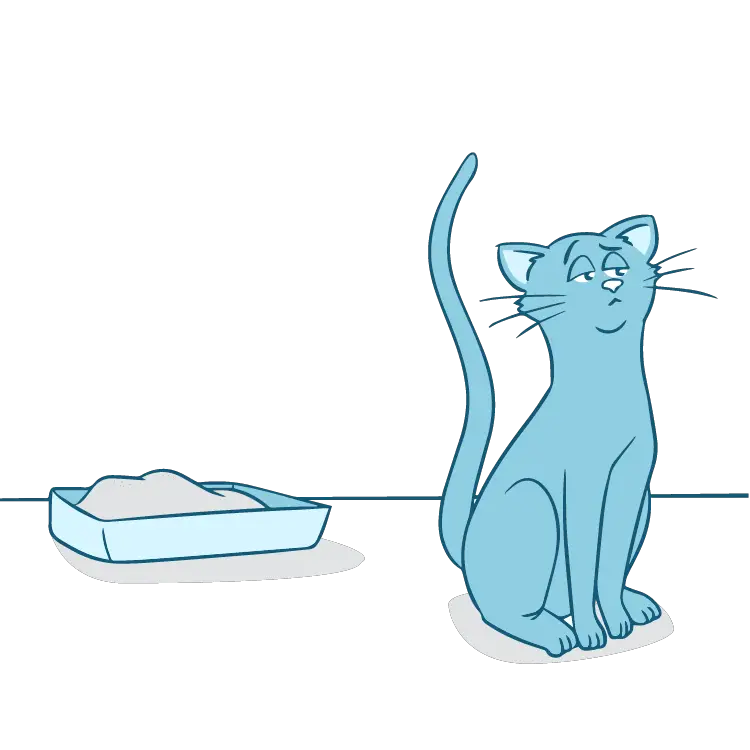
If your cat suddenly stops using the litter box, it might not be a simple training issue. Cats often hide stress or anxiety in subtle ways, such as avoiding their usual spots or showing aggressive behavior.
Watch for changes like excessive grooming, hiding, or vocalizing more than usual. These signs suggest your cat might be struggling emotionally. A professional can help identify stress triggers and recommend calming strategies tailored to your cat’s needs.
Persistent Litter Problems
Sometimes, no matter how clean and accessible the litter box is, your cat refuses to use it consistently. This ongoing issue can indicate deeper problems like litter box placement, type of litter, or even physical discomfort.
Have you tried different litters or locations without success? If so, a professional trainer or behaviorist can offer new perspectives and techniques that you might not have considered. Their experience can turn frustrating patterns into positive habits.
Veterinary Advice
Medical issues are often behind potty training setbacks. Urinary tract infections, kidney problems, or arthritis can make a cat avoid the litter box due to pain or discomfort.
If your cat’s behavior changes suddenly, don’t wait to visit the vet. Early diagnosis and treatment can resolve the issue quickly. Your vet can also guide you on whether you need a behavior specialist or additional help beyond medical care.
Credit: www.francisurology.com
Frequently Asked Questions
Do Cats Need Potty Training Like Dogs?
Cats naturally use litter boxes, so traditional potty training is usually unnecessary. They instinctively bury their waste, making them easy to house-train.
How Long Does It Take To Potty Train A Cat?
Most cats learn litter box habits within a few days to a week. Consistency and a clean box speed up the process.
Can I Train My Cat To Use A Toilet?
Yes, some owners successfully toilet train cats using gradual steps. However, it requires patience and isn’t suitable for all cats.
What Are Common Potty Training Mistakes With Cats?
Common mistakes include dirty litter boxes, inconsistent training, or punishing accidents. These discourage cats and delay learning proper habits.
Conclusion
Potty training cats can be a personal choice, not a must. Cats usually learn to use a litter box on their own. Training takes patience, time, and consistency. Some cats adapt quickly, while others resist change. Remember, respect your cat’s comfort and habits.
Clean litter boxes help keep cats happy and healthy. Consider your lifestyle and your cat’s personality before starting training. You can try potty training, but it’s okay if it doesn’t work out. A happy cat means a happy home.
