


If you have two cats at home, you might be wondering: Do two cats need two litter boxes? It sounds simple, but the answer can make a big difference in your cats’ happiness and your home’s cleanliness.
Imagine avoiding messy accidents and keeping your feline friends stress-free. You’ll discover why the right number of litter boxes matters and how it can improve your cats’ comfort and your daily routine. Keep reading—you’ll be surprised how a small change can make a big impact.

Credit: www.amazon.ca
The Importance Of Litter Boxes For Cats
Cats rely on litter boxes for their hygiene and comfort. A clean litter box helps prevent accidents and keeps cats healthy. It also reduces stress and territorial disputes among cats. Proper litter box setup plays a key role in a cat’s daily routine and well-being.
The Role Of Litter Boxes In Cat Hygiene
Litter boxes provide a safe place for cats to urinate and defecate. Cats naturally bury their waste to avoid predators. This behavior keeps their environment clean and helps control odors. Without a litter box, cats may soil other areas of the home.
How Litter Boxes Affect Cat Behavior
Cats are very particular about their bathroom habits. A dirty or overcrowded litter box can cause anxiety. This may lead to litter box avoidance or territorial marking outside the box. Having enough litter boxes reduces stress and promotes good behavior.
Health Benefits Of Multiple Litter Boxes
Using multiple litter boxes can prevent urinary tract infections and other health issues. It gives each cat personal space and reduces competition. Clean, accessible boxes encourage cats to use them consistently. This helps owners detect health problems early.

Credit: www.amazon.com
Factors Affecting Litter Box Quantity
Several factors influence how many litter boxes your cats need. Understanding these helps keep cats happy and your home clean. Not all cats share the same habits. Their environment also plays a role.
Number Of Cats
Each cat usually needs its own litter box. This prevents fights and stress. A good rule is one box per cat plus one extra. For example, two cats need three boxes. This reduces accidents outside the box.
Cat Behavior And Preferences
Some cats are picky about litter boxes. They may avoid sharing with others. Dominant cats might guard their box. Others prefer quiet or private spots. Watch your cats for signs of stress or avoidance.
Cleanliness matters. Cats dislike dirty boxes. Frequent scooping encourages use. Changing litter type can also affect usage.
Home Size And Layout
In larger homes, spread boxes in different areas. This gives cats easy access. It also lowers competition. In small spaces, place boxes in quiet corners. Avoid noisy or busy spots.
Good placement supports healthy habits and reduces accidents.
Benefits Of Multiple Litter Boxes
Adding multiple litter boxes when you have two cats comes with clear benefits that improve their daily life and your home environment. It’s not just about convenience—it’s about creating a space where both cats feel comfortable and secure. Here’s why having more than one litter box matters.
Reducing Territorial Disputes
Cats are naturally territorial animals. With just one litter box, they may compete or mark over each other’s spots, leading to conflicts. Providing multiple boxes helps each cat have their own space, reducing chances of disputes and keeping peace in your home.
Have you noticed your cats avoiding the litter box or acting aggressive near it? Multiple boxes can prevent these issues by giving them separate areas to use without feeling threatened.
Promoting Healthy Habits
Access to several litter boxes encourages your cats to use the bathroom promptly and regularly. This can prevent health problems like urinary tract infections caused by holding in waste too long. It also makes it easier for you to monitor their habits and spot changes early.
Think about how hard it is to share a single bathroom with someone else—you’d want your own space. Cats feel the same way, and multiple boxes support their natural behaviors and hygiene.
Minimizing Stress And Anxiety
Stress often shows up in cats as litter box avoidance or inappropriate elimination. Having multiple boxes reduces anxiety by offering safe, accessible options. This is especially important in multi-cat households where competition and fear can build up quickly.
Imagine if one box is blocked or dirty—would you feel comfortable using it? Your cats feel the same, so keeping several clean, available boxes helps them relax and maintain good habits without stress.
Choosing The Right Litter Box
Choosing the right litter box is key for keeping cats happy and healthy. The right box makes a big difference in how often cats use it. Cats prefer clean, comfortable spaces for their bathroom needs. Picking the correct type, size, and location helps avoid accidents and stress.
Types Of Litter Boxes
There are many litter box types to consider. Open boxes are simple and easy to clean. Covered boxes provide privacy and control odor. Self-cleaning boxes reduce your cleaning work. Each cat may prefer a different style. Observe your cats’ habits to find the best fit.
Size And Accessibility
Size matters for comfort and ease. Cats need enough room to turn and dig. Small boxes may cause discomfort and accidents. Older or disabled cats need easy access. Low-sided boxes work well for seniors. Make sure the box suits your cat’s size and mobility.
Location Considerations
Location affects how often cats use their box. Choose quiet spots away from noise and traffic. Avoid placing boxes near food and water bowls. Multiple cats need separate boxes in different areas. This prevents competition and stress. Good location encourages regular and proper use.
Maintaining Litter Box Hygiene
Maintaining litter box hygiene is crucial for the health and comfort of your cats. Clean litter boxes reduce odors and prevent infections. It also encourages cats to use their boxes consistently. Keeping boxes fresh can help avoid accidents outside the litter area. This section covers key steps to keep litter boxes clean and inviting.
Cleaning Frequency
Clean the litter box daily by scooping out clumps and waste. Replace all litter at least once a week. Wash the box with mild soap and warm water during litter changes. Avoid strong-smelling cleaners that can scare cats. Regular cleaning prevents bad smells and bacteria buildup.
Litter Type Selection
Choose a litter type that clumps well for easy cleaning. Unscented litter is best for sensitive noses. Look for dust-free options to keep air clean. Some cats prefer natural litters made from wood or corn. Test different types to find what your cats like most.
Odor Control Strategies
- Use clumping litter to trap moisture and odors.
- Place boxes in well-ventilated, quiet areas.
- Try baking soda sprinkled under the litter for extra freshness.
- Change litter regularly to prevent strong smells.
- Consider covered litter boxes if odors spread easily.
Addressing Common Litter Box Issues
Addressing common litter box issues helps maintain harmony in a multi-cat household. Cats are sensitive to their environment. Small problems can lead to big litter box troubles. Understanding the reasons behind these issues allows better solutions. This reduces stress for both cats and owners.
Litter Box Aversion
Sometimes cats avoid the litter box for no clear reason. They may dislike the type of litter or box size. A dirty box can also cause aversion. Stress or changes in the home environment might play a role. Providing clean, comfortable boxes encourages proper use.
Marking Territory
Marking is common when cats feel insecure or threatened. They spray urine to claim their space. This behavior increases in multi-cat homes. Offering separate litter boxes helps reduce marking. It gives each cat a safe place to relieve stress.
Medical Concerns
Medical issues often cause litter box problems. Urinary tract infections and bladder stones are common culprits. Pain during urination makes cats avoid their boxes. Regular veterinary check-ups catch these problems early. Treatment improves comfort and litter box habits.
Tips For Multi-cat Households
Managing a home with multiple cats needs extra care. Each cat has its own habits and space needs. Keeping peace among cats helps avoid stress and litter box problems. Here are tips to create a happy, clean, and calm home for your cats.
Creating A Cat-friendly Environment
Provide enough litter boxes—one per cat, plus one extra. Place boxes in quiet, easy-to-reach spots. Avoid crowded or noisy areas. Use litter types your cats prefer. Add scratching posts and cozy resting places. Cats feel safe with vertical space like shelves or cat trees. A calm environment reduces anxiety and stops unwanted behavior.
Monitoring Cat Interactions
Watch how your cats behave around each other. Notice signs of stress like hiding or growling. Separate cats if fights start. Give each cat personal time and space. Reward calm and friendly behavior with treats or praise. Regular playtime together helps build bonds. Keep an eye on litter box use to spot problems early.
Consulting A Veterinarian
Visit a vet if litter box issues continue or behavior changes. Health problems can cause litter box avoidance. The vet checks for infections, pain, or other illnesses. Ask about stress-reducing tools like pheromone sprays. Follow vet advice on diet and medication. Regular health checks keep cats comfortable and happy.
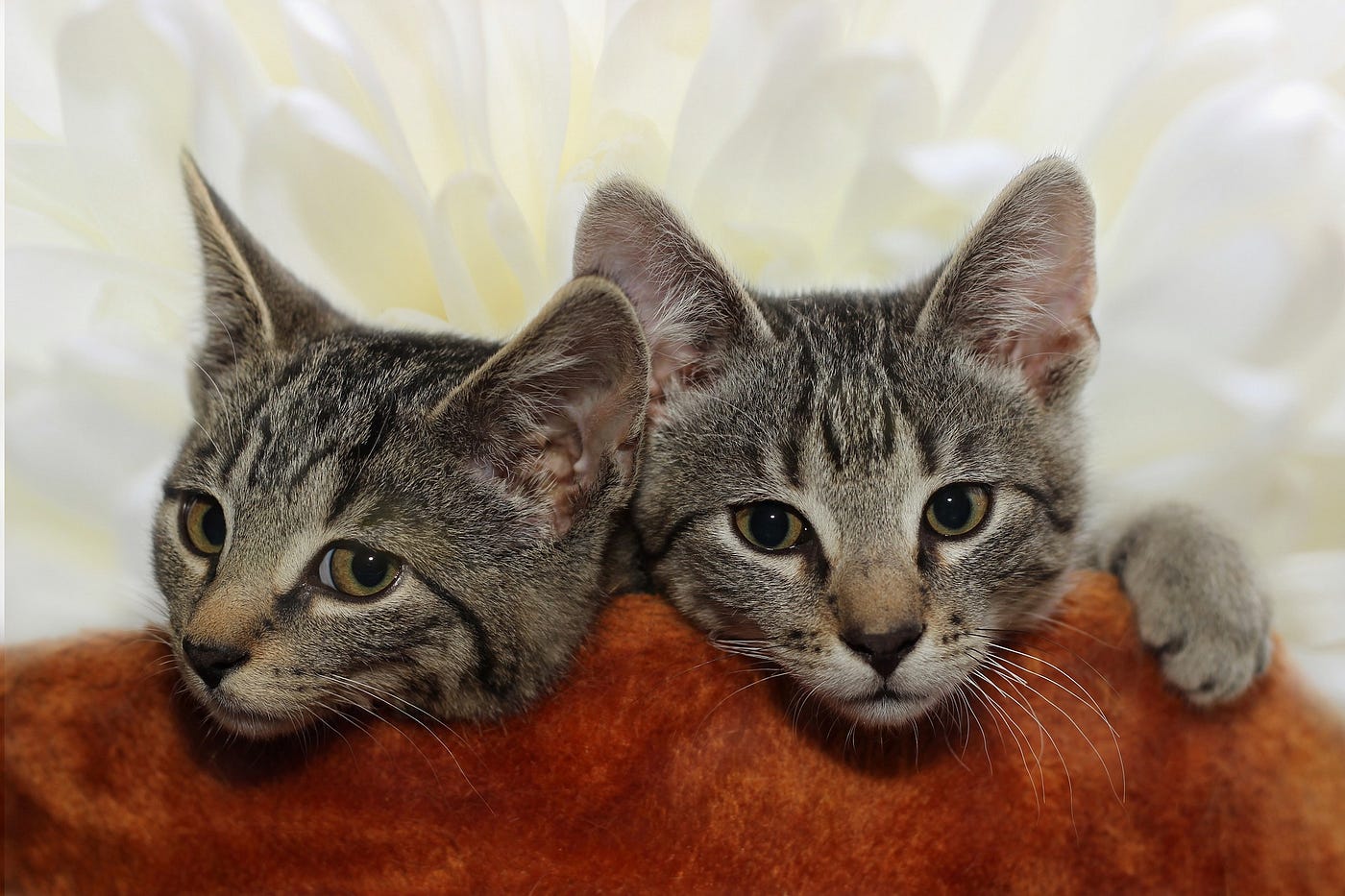
Credit: medium.com
Frequently Asked Questions
Do Two Cats Need Separate Litter Boxes?
Yes, two cats should have at least two litter boxes. This prevents territorial disputes and keeps each cat comfortable. It also reduces litter box avoidance and maintains hygiene for both cats.
How Many Litter Boxes Are Ideal For Two Cats?
The ideal number is one litter box per cat, plus one extra. So, three litter boxes for two cats is recommended. This ensures availability and helps avoid stress or accidents.
Can Sharing One Litter Box Cause Problems?
Sharing one box can lead to conflicts and stress. Cats may avoid using the litter box if it feels crowded. This can result in inappropriate elimination outside the box.
Where Should Multiple Litter Boxes Be Placed?
Place litter boxes in different quiet, accessible locations. Avoid placing them near food or water bowls. This encourages use and reduces territorial behavior between cats.
Conclusion
Two cats usually need two litter boxes to stay happy. Sharing one box can cause stress and accidents. Each cat likes its own clean space to use. This helps keep your home fresh and odor-free. Giving each cat a box also helps avoid fights.
Easy to clean and place, two boxes are worth it. Keeping cats comfortable means fewer problems for you. Simple steps like this make life better for everyone. Consider your cats’ needs to create a calm home. Two litter boxes show you care about their well-being.
